Associated British Contract Stars – March 1949

Robert Clark  was Executive Director  of Associated British at that time


At this time these film stars as below were under contract to Associated British


Associated British Contract Artistes


Top Row  Left to Right:  Stephen Murray,  Joan Dowling and Laurence Harvey

Middle Row: Richard Todd,   Patricia Plunkett and Michael Dennison

Bottom Row: Joan Hopkins,  Derek Farr and Beatrice Campbell


At the time of this picture, Associated British were just completing the filming of  ‘The Hasty Heart’

posted by Movieman in Uncategorized and have Comments (9)

Kirk Douglas – from his early years


This man may not be a favourite of mine but you have to admire the way he went from such a low start in life to become the major film star he has been.


Film Actor Kirk Douglas was born on 9th December 1916 so he is 102 and a bit years old.

His parents were very poor Jewish immigrants from Chavusy, located in present day Belarus. Kirk was a very keen student and athlete. He was fond of acting and at a very young age realised that getting a scholarship for acting would be the road to salvation from his poor and wretched condition.

He had enough talent to get enrolled at the ‘American Academy of Dramatic Arts’ which opened the door to fame and riches.

Kirk Douglas


He describes his early life in New York. His father, who had been a horse trader in Russia, got himself a horse and a small wagon, and became a ragman, buying old rags, pieces of metal, and junk. … Even in the poorest section of town, where all the families were struggling, the ragman was on the lowest rung on the ladder. He had five sisters. He then got into acting and the rest is history. I have to say, he is not one of my favourites but reading the above, you have to have some admiration for him, someone who is able to rise from such humble beginnings to achieve what he did.


The poverty for his family then would be on a scale not imaginable today. In his 1988 autobiography, The Ragman’s Son, Douglas notes the hardships that he, along with six sisters and his parents, endured during their early years in Amsterdam, New York:

My father, who had been a horse trader in Russia, got himself a horse and a small wagon, and became a ragman, buying old rags, pieces of metal, and junk for pennies, nickels, and dimes. … Even on Eagle Street, in the poorest section of town, where all the families were struggling, the ragman was on the lowest rung on the ladder. And I was the ragman’s son.

Growing up, Douglas sold snacks to mill workers to earn enough to buy milk and bread to help his family. Later, he delivered newspapers and during his youth worked at more than forty different jobs before getting a job acting.


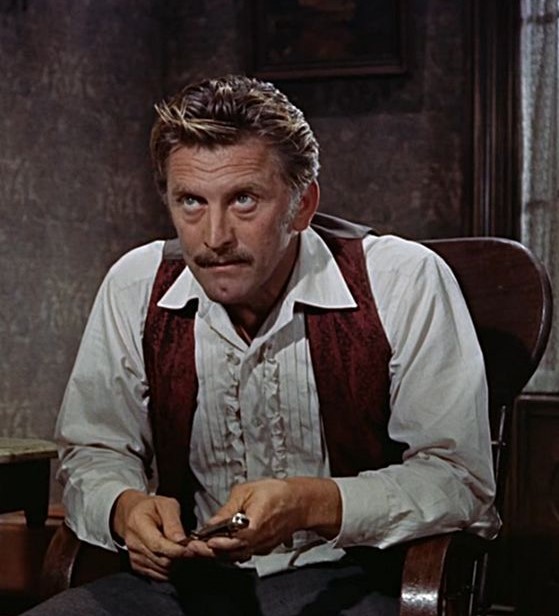
BELOW – In his acting career and in one of my favourite Westerns – Gunfight at the OK Corral playing Doc Holliday with Burt Lancaster as Wyatt Earp.


Kirk Douglas as Doc Holliday


Below – with Burt Lancaster


Kirk Douglas as Doc Holliday 2


posted by Movieman in Uncategorized and have Comments (12)

Wimbledon 1952 – and Film Links


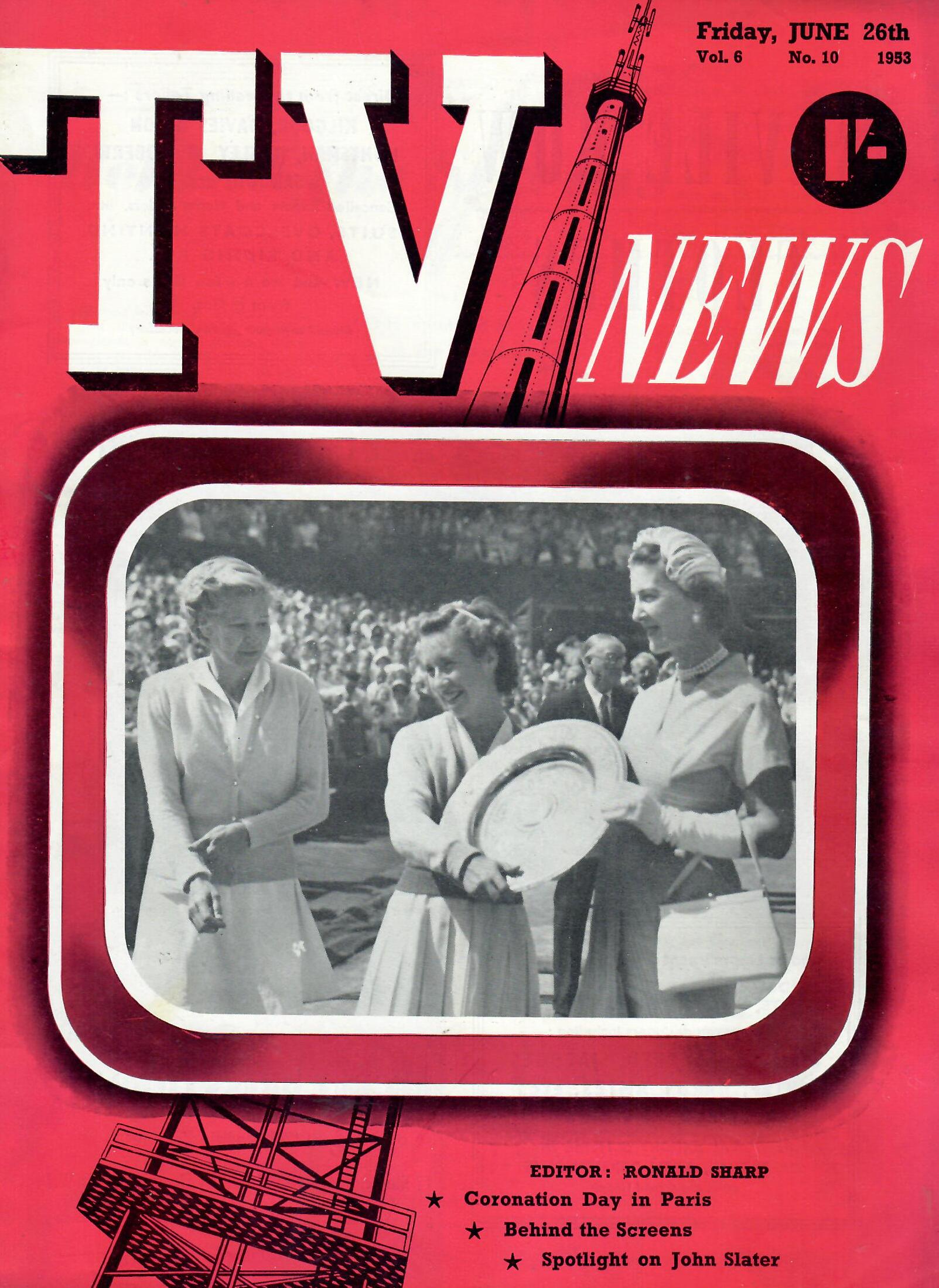
BBC TV – well that is all there was at the time  – covered Wimbledon in 1952.  This is quite topical because of course we start the Wimbledon Tennis Tournament today.


TV News 1953


This Poster is actually the front cover of the magazine ‘TV News’  of June 1953 which shows the scene at Wimbledon as HRH The Duchess of Windsor presented the Women’s Singles Trophy to a young Maureen Connolly after she had defeated the famous Louise Brough the previous year 1952. 


It also adds ‘ Viewers will be anxious to see whether the scene will be repeated this year’  ( 1953)   In fact it Maureen Connolly did win in 1953 but this time she was against Doris Hart- although  she again defeated Lousie Brough in the final in 1954 but Louise Brough won the title in 1955 – not against Maureen.


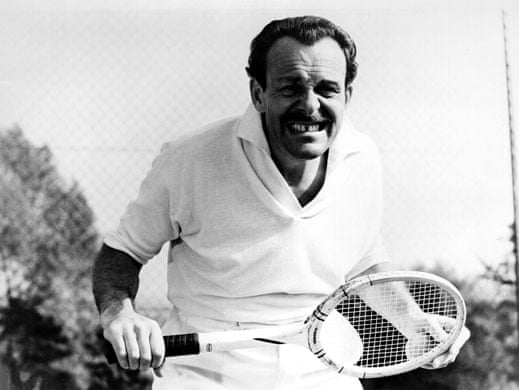
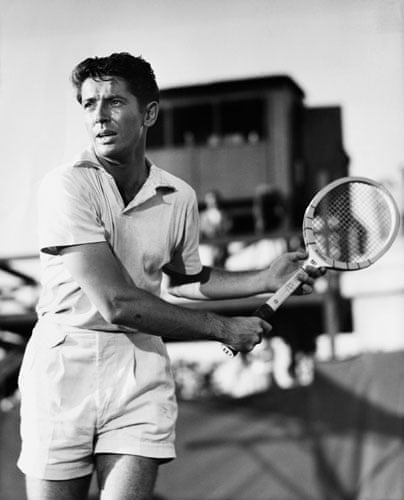
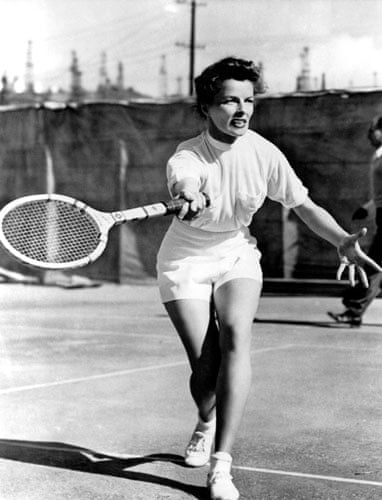
We can link the sport of tennis to film land with pictures as below :-


Terry-Thomas School for Scoundrels 1960


ABOVE: Terry-Thomas – ‘School For Scoundrels’ 1960


Fraley Granger Strangers on a Train 1951


ABOVE: Farley Granger from  ‘Strangers On A Train’ .   This was part of the storyline as Farley Granger’s character was a Professional Tennis Player.


Katharine Hepburn plays tennis


Katharine Hepburn – Just a leisurely game


Patricia Roc had a sister Barbara who was married to the legendary Tennis Player Fred Perry

posted by Movieman in Uncategorized and have Comments (16)

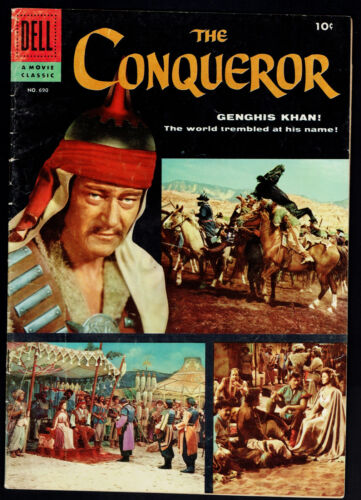
The Conqueror 1956 with John Wayne and Susan Haywood


The Conqueror was written for Marlon Brando but he did not want to do it – he had a film  contract with another studio.


Meanwhile, John Wayne was at the peak of his career – virtually his next film was one of – if not his best – The Searchers  – and producer Howard Hughes knew that John Wayne wanted to play Genghis Khan.


So he got the part


The Conquerer 1956 6


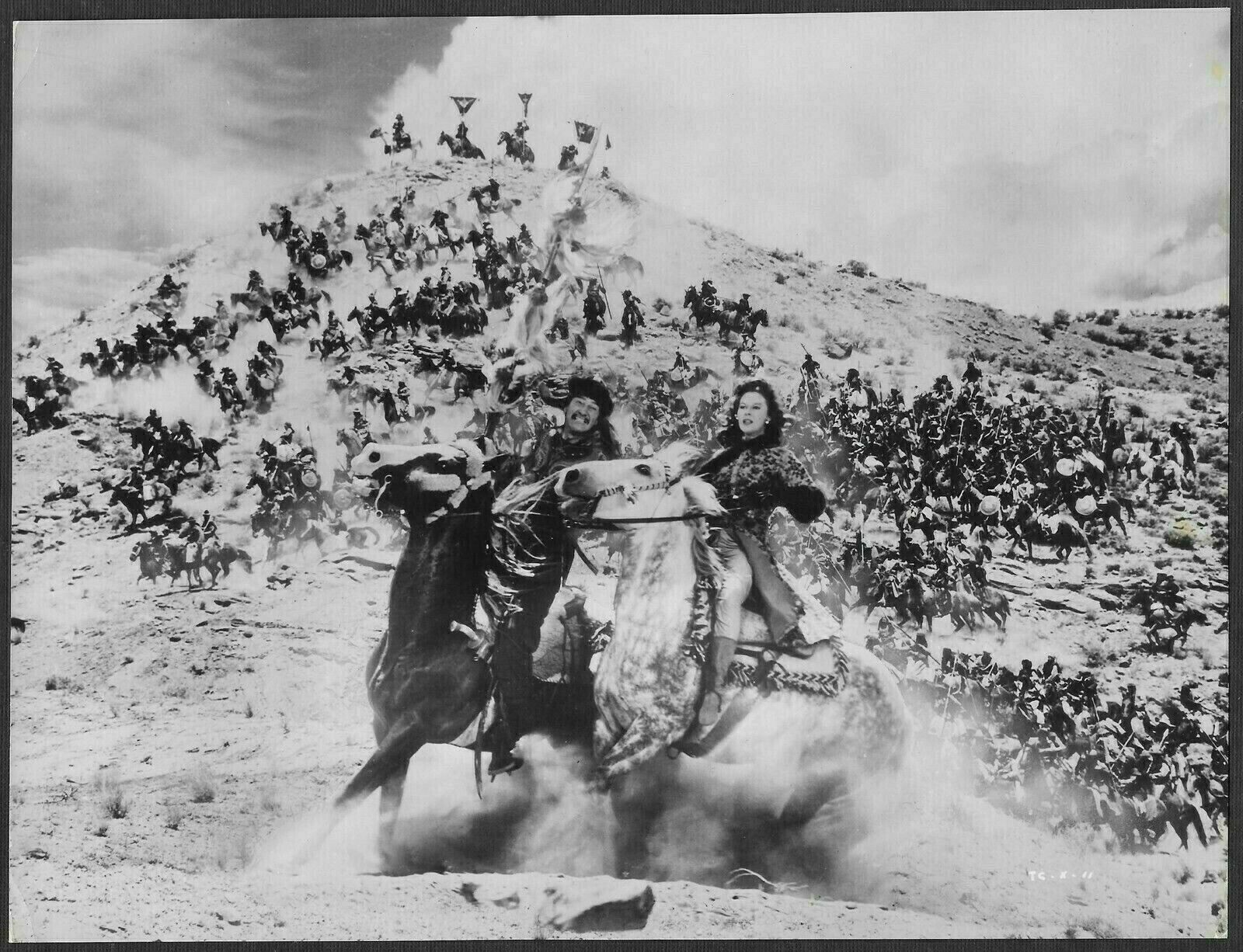
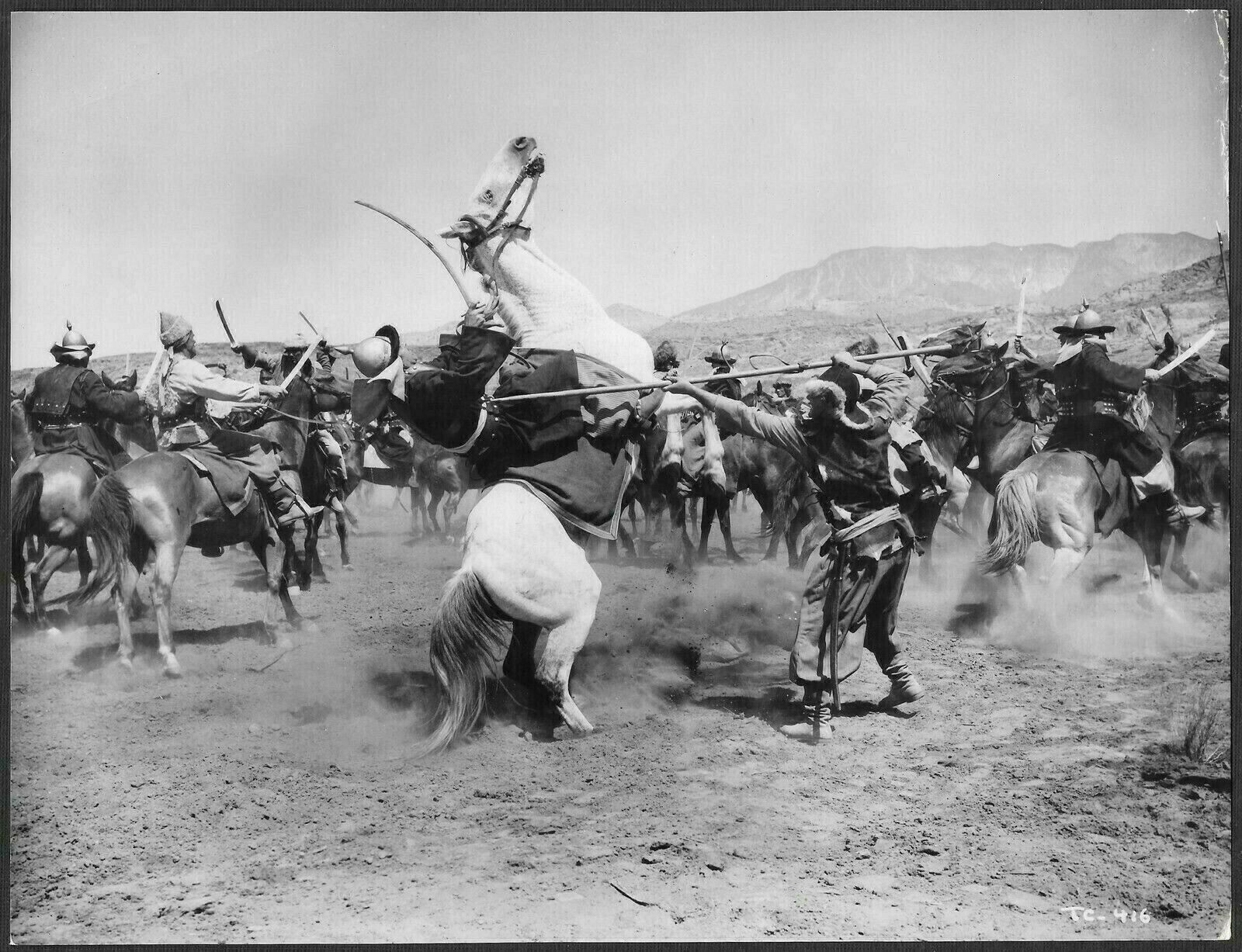
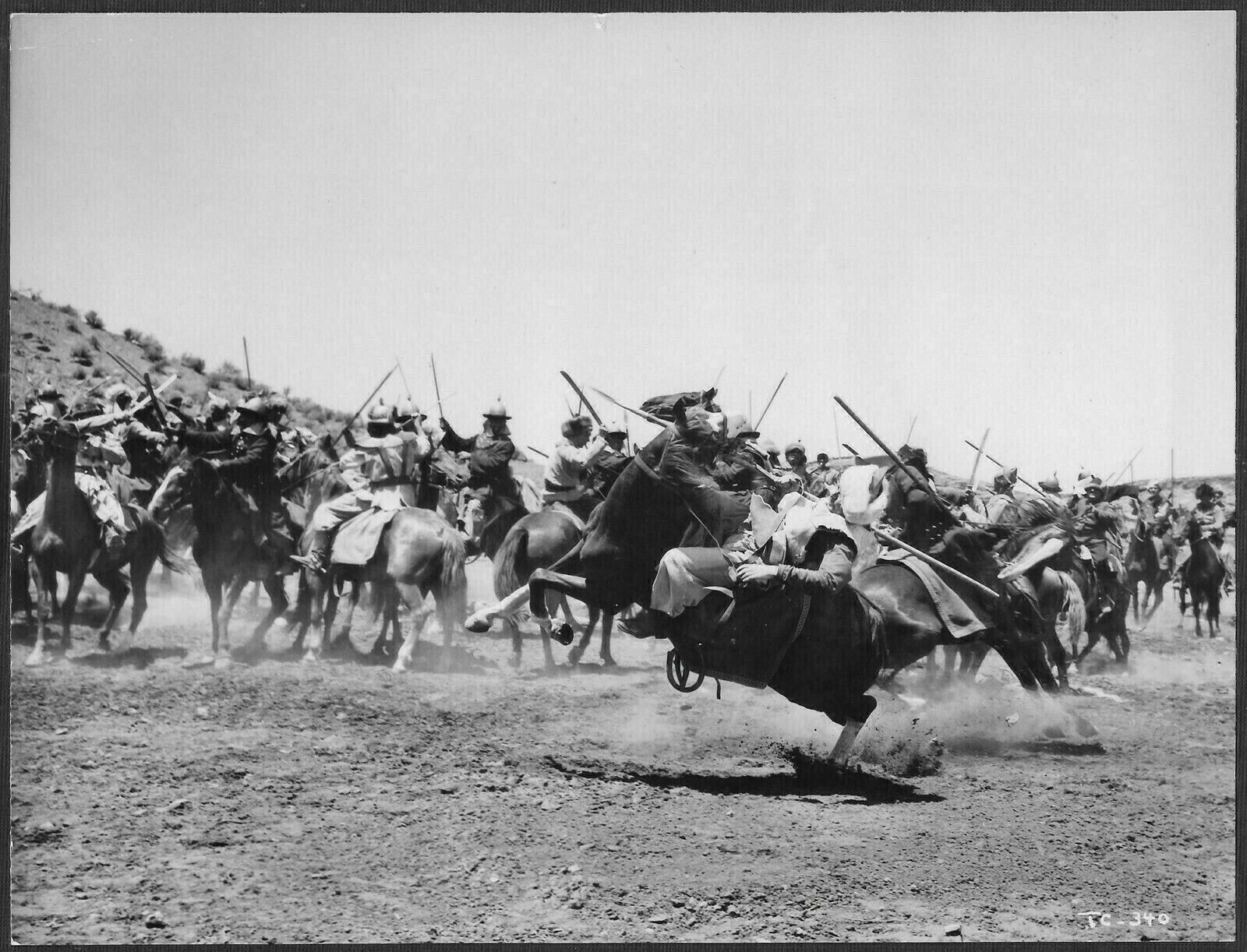
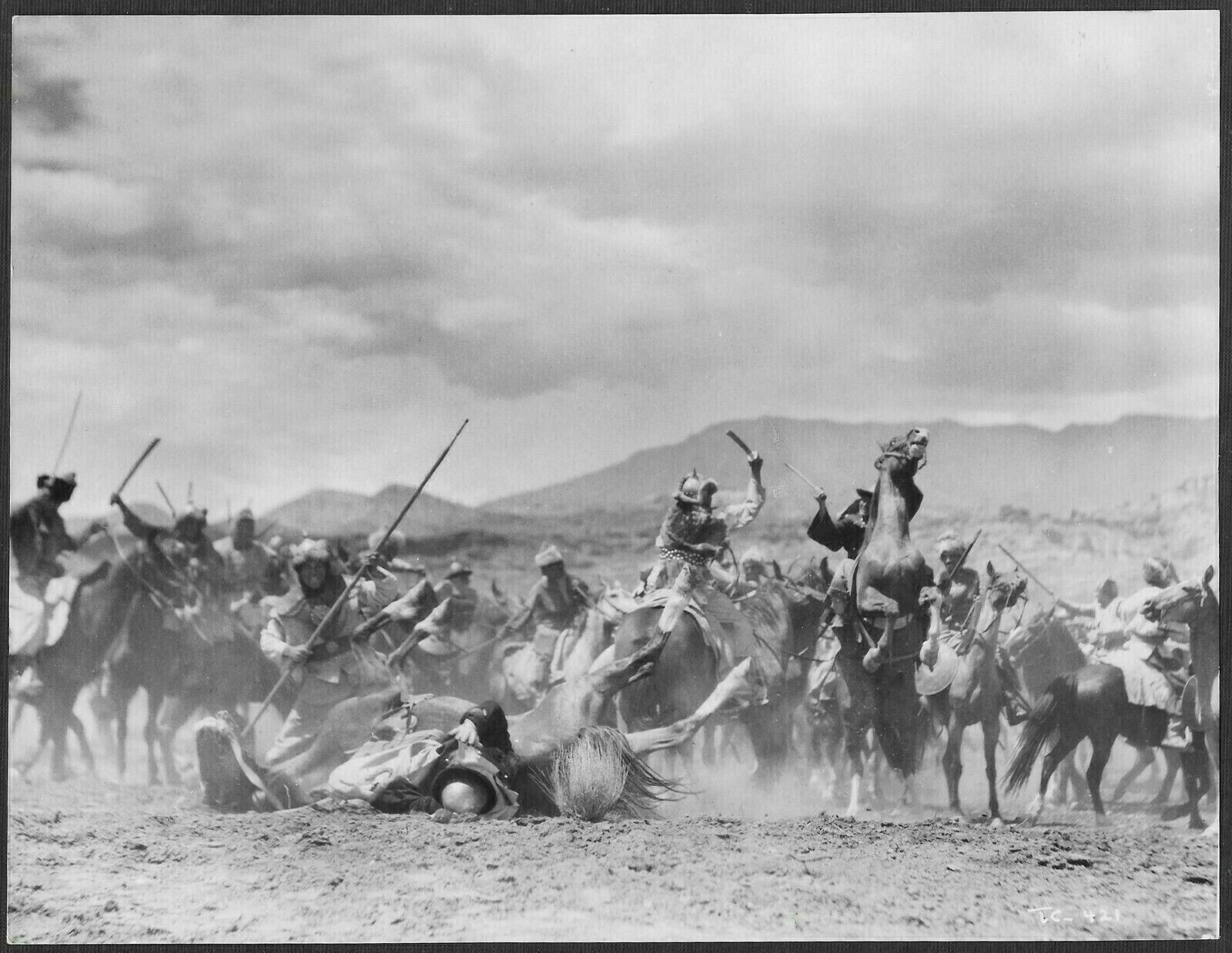
There was no denying the sweep and spectacular production values of this expensive epic which was made in Cinemascope and stereophonic sound and Technicolor’- and it was an epic even though it tends not to be well regarded.

It is also well documented that many of the actors in the film and crew, suffered with Cancer in later years probably as result of the filming being done in the Utah Desert – the scene of a number of Above Ground Atomic Tests –  done in that location a few years before.


The Conquerer 1956


The Conqueror was filmed in the Utah’s Escalante valley in 1954, just downwind of a lake bed where the Atomic Energy Commission had tested 11 nuclear weapons the year before. During shooting, levels of radiation were high. By 1980, 91 of the 220 cast and crew had been diagnosed with cancer. Forty-six had then died of it, including John Wayne and director Dick Powell. Though journalists have often linked the radiation exposure and the disease,  a 41% diagnosis rate and 20% death rate from cancer is about the same as in the general US population – though more cases may have occurred since 1980.

 Either way, The Conqueror will probably never live down its reputation for being not only poor, but perhaps literally toxic as well.


The Conquerer 1956 2


The Conquerer 1956 3


The Conquerer 1956 4


The Conquerer 1956 5


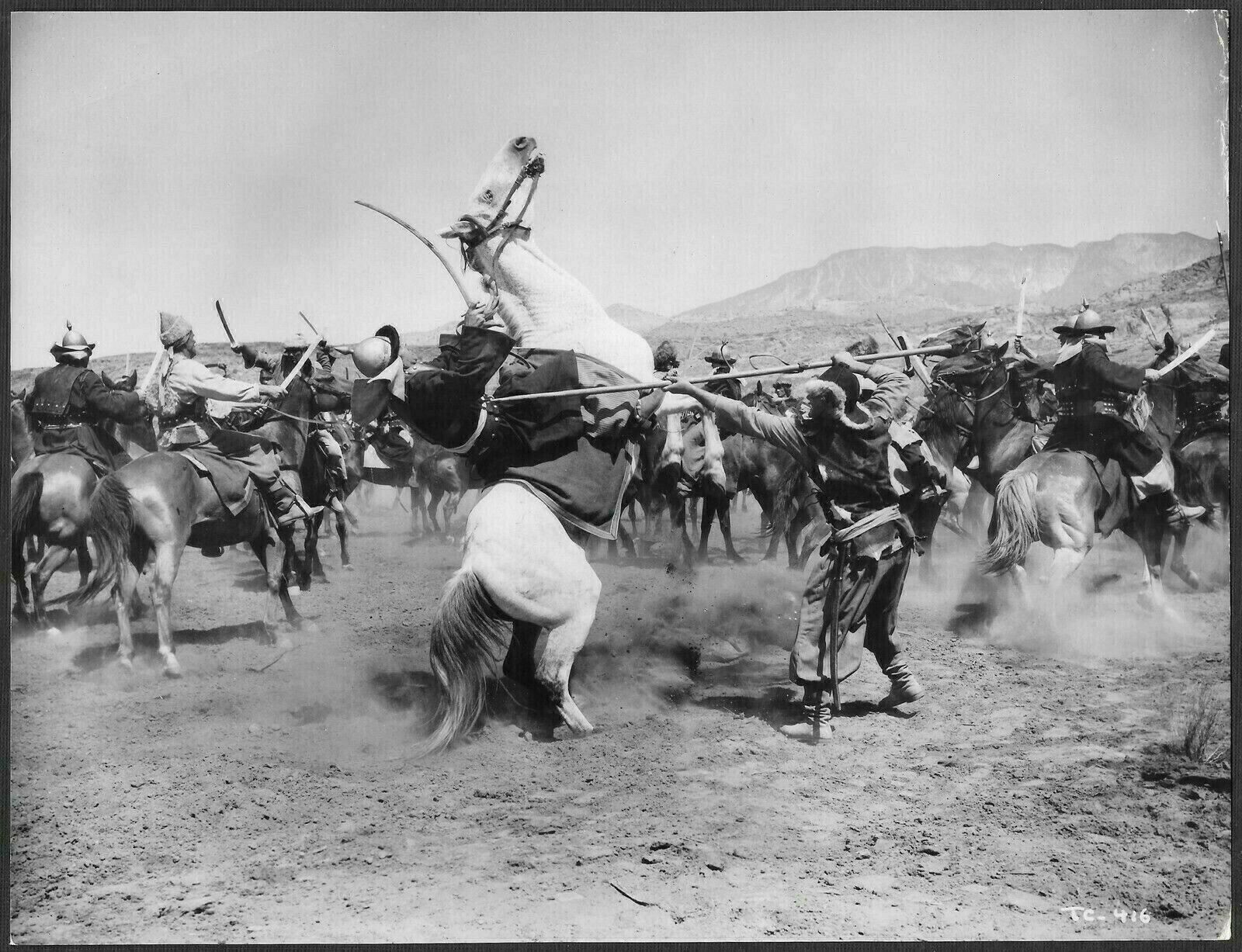
ABOVE:   Great Action Scenes from the Film

This was described yesterday in the Daily Express as a flop but the Box Office figures state that the Budget for the film was 6 million US Dollars and the Receipts were 9 million US Dollars – so not really that much of a flop it seems.


posted by Movieman in Uncategorized and have Comments (12)

Randolph Scott – Trail Street 1947 from RKO Radio

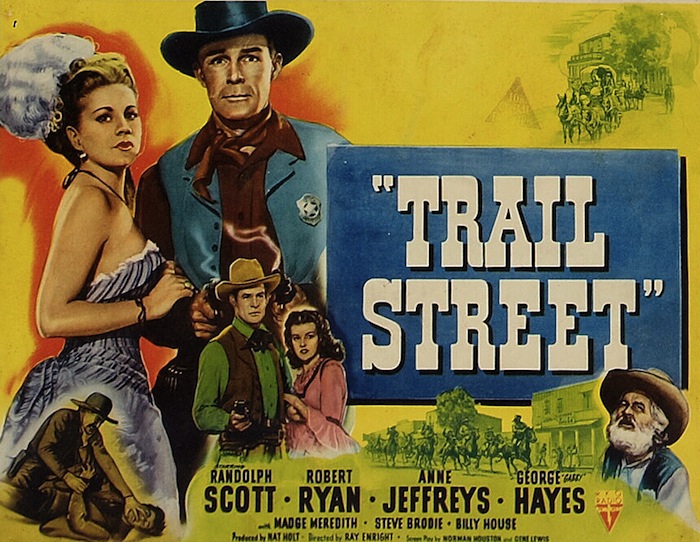
Trail Street 1947 RKO Radio Pictures

Trail Street TC
Directed by Ray Enright Produced by Nat Holt Cast: Randolph Scott (Bat Masterson), Robert Ryan (Allan Harper), George “Gabby” Hayes (Billy Burns), Anne Jeffreys (Ruby Stone), Madge Meredith (Susan Pritchett). R Scott blogathon badgeWhen Randolph Scott films are talked about it is more often than not his Renown films released mainly through Columbia Pictures . These films could be considered  “Western classicx.” Randolph Scott, however, had  been a major Western star long before his association with Budd Boetticher. Most of his films after 1950 were made or released by either Warners or Columbia However his earliest Western successes were probably those produced by Nat Holt and often released by RKO. The Nat Holt productions quickly became favourites. One that doesn’t seem to get a mention very often is Trail Street from 1947. So I am a little bit early with my film here – as it is technically not a 50s film – although it must have been shown on Television here in England in the fifties possibly – I am not sure. trailstreet19462_th
The story is a range war drama with the matter of law and order interwoven as farmers and ranchers are at loggerheads. The farmers cannot get their wheat to grow due partly to climate but mainly due to the free roaming of the ranchers’ cattle. 
On top of this there is a  lack of local law and order. Into this situation rides Bat Masterson (Randolph Scott) who is enlisted as town marshal to bring a degree of order.
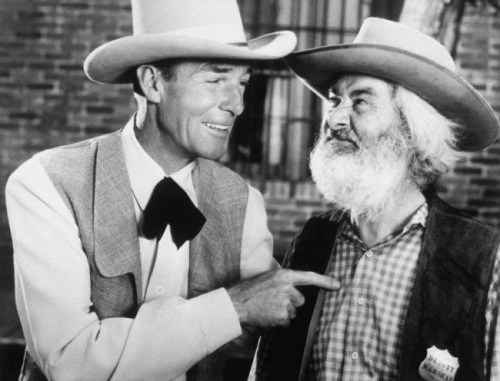
He has with him non e other than George ‘Gabby’Hayes in one of the best parts he ever had. Randolph Scott also deputises Robert Ryan who has discovered  a wheat species  that will withstand the drought conditions, so making a brighter prospect for the farmers and local families
There is of course plenty of action
trailstreet1946.th
As if the presence of Scott and Hayes wasn’t enough, we have the beauty of Anne Jeffries in support and of course –  Robert Ryan too.
Randolph Scott had been in films for quite a few years in 1947 yet had only recently decided to concentrate exclusively on Westerns and as a result his star was on the rise (within a year or two he was in the Top Ten most popular male stars at the box office ) and Robert Ryan was also on his way building a name in both westerns and dramas.
Trail Street 1947 2
ABOVE:   Randolph Scott with Madge Meredith and Anne Jeffreys
I quite liked this post below from someone who had seen the film – and one scene stuck with him all his life :
I watched this film a few days ago and realised that the scene where Robert Ryan is given a glass of milk and the lady rancher elevates the horizontally hinged panel beside the table to reveal a field of waving wheat was an image that had stuck with me for many years without me being able to remember the film’s title. I saw this film in my local picture house as the featured film of a saturday matinee about 1960 -the image was indelible but the title and actors were a total blank -until a few days ago. Do cinematographers/directors realise they are creating a haunting image when they set up shots like this?The film itself is watchable but not a classic – apart from the image of the wheat
 
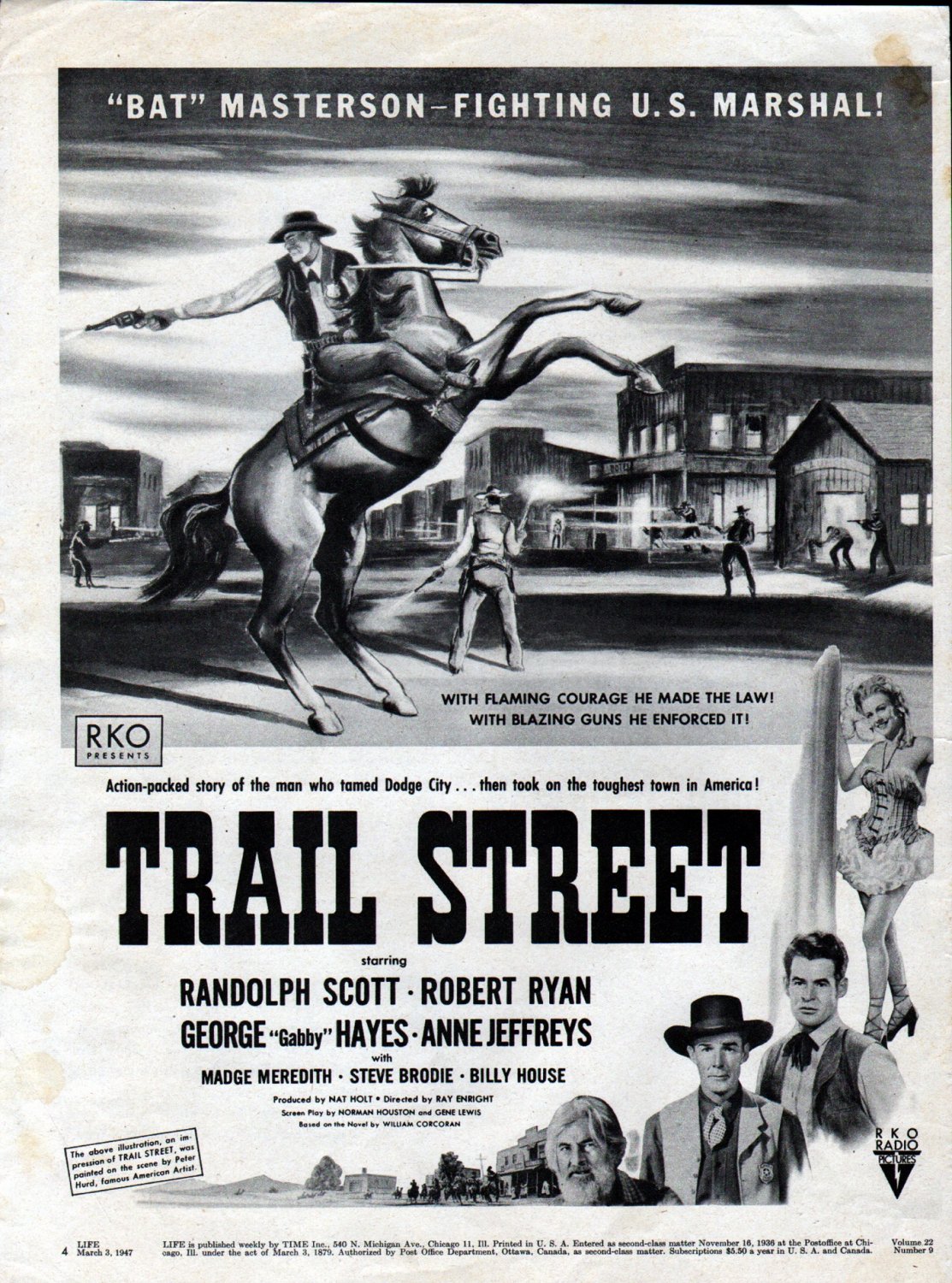
Trail Street 1947
This was an RKO Radio film
Just a foot note to this, the same year that this film was released 1947  – Madge Meredith was convicted and sentenced to prison for 5 years to life for complicity in an assault of her former manager, Nicholas D. Gianaclis, and his bodyguard, Verne V. Davis.
She was later fully cleared.
 
Madge Meredith
ABOVE  Madge Meredith
Gianaclis and Davis testified that were beaten, kidnapped, and robbed by a group of men as they neared Meredith’s home in the Hollywood Hills. In March 1951, the California Assembly Interim Committee on Crime and Corrections issued an official report concluding that Meredith had been framed. The case was handled sloppily in court and inconsistent allegations by the perpetrators were overlooked by police.
In July 1951, Gov. Earl Warren commuted her sentence to time served and issued a statement of disgust at how her trial had been handled. Mr. Gianaclis was found to have set-up Miss Meredith to gain ownership of her home. Following her release from Tehachapi, prison, the court ordered that Miss Meredith receive back ownership of her home from her accuser.
Mr. Gianaclis, an immigrant from Greece, was afterwards denied U.S. citizenship by the U.S. Immigration Service.
She did resume her film career with some success but also started to help people wrongly accused of crimes – which she had been.
On a happier note – she got married in 1953 and on 10 July 1955 gave birth to her Daughter – and hopefully this helped her put a dark period in her life well and truly behind her.
posted by Movieman in Uncategorized and have Comments (9)

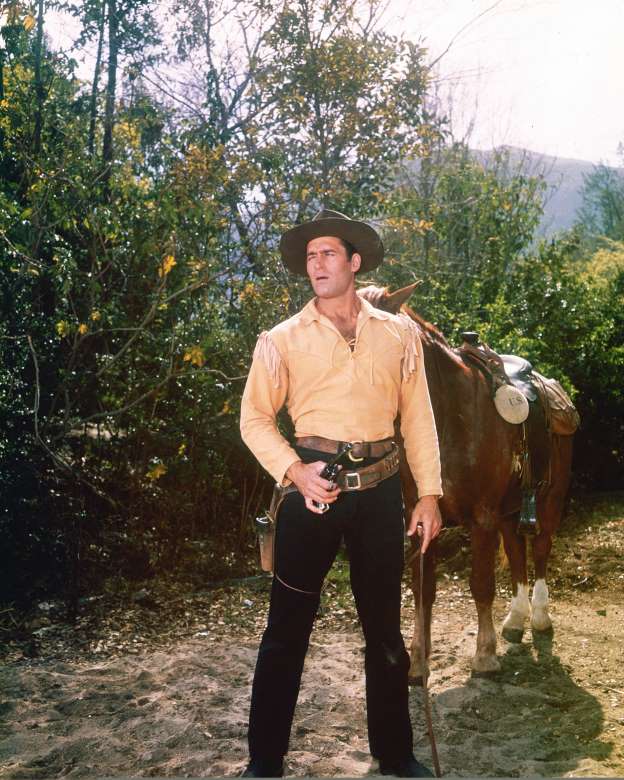
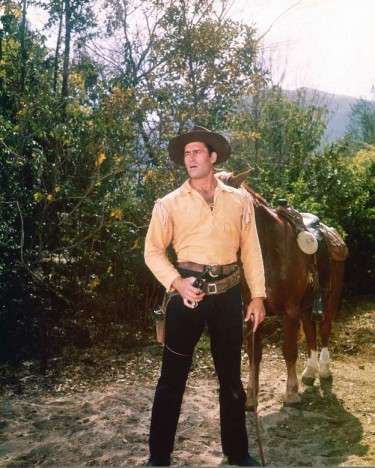
Clint Walker

Norman Eugene “Clint” Walker May 30, 1927 – May 21, 2018

Last year Clint Walker  passed away at the age of 90.
Clint Walker 2

Walker died  of congestive heart failure at a hospital in his longtime home of Grass Valley, California at age 91.

 “He was a warrior, he was fighting to the end,” said Valerie Walker – his daughter herself a retired commercial pilot who was among the first women to fly for a major airline.

Clint Walker, whose film credits included “The Ten Commandments” and “The Dirty Dozen,” wandered the West after the Civil War as the solitary adventurer Cheyenne Bodie in “Cheyenne,” which ran for seven seasons on ABC starting in 1955.

Born Norman Eugene Walker in Hartford, Illinois, he later changed his name in both public and private life to the more cowboyish Clint.

He worked on Great Lakes cargo ships and Mississippi river boats and in Texas oil fields before becoming an armed security guard at the Sands Hotel and Casino in Las Vegas.

There, many Hollywood stars, including actor Van Johnson, saw the 6-foot-6, ruggedly handsome Walker and encouraged him to give the movies a try, which Walker said he did after realizing the money would be better and the bullets would be fake.

He soon found himself under consideration for his first role in “The Ten Commandments,” starring Charlton Heston and Yul Brynner. He had a meeting with the film’s legendary director Cecil B. DeMille, but was late after stopping to help a woman change a tire and feared he’d blown his shot.

“He just exuded power,” Walker said of DeMille in a 2012 interview for the archive of the television academy. “He looked me up and down and said, ‘You’re late young man.'” “I thought ‘oh no, my career is over before it even started.'”

Clint Walker explained why he was late and said Demille responded “Yes, I know all about it, that was my secretary.”

He was then was cast as the captain of the pharaoh’s guard in the 1956 film.  

He beat out several big names for the role of “Cheyenne,” but speculated that it was because he was already under contract for much cheaper than the other actors would demand to Warner Bros., which produced the show.
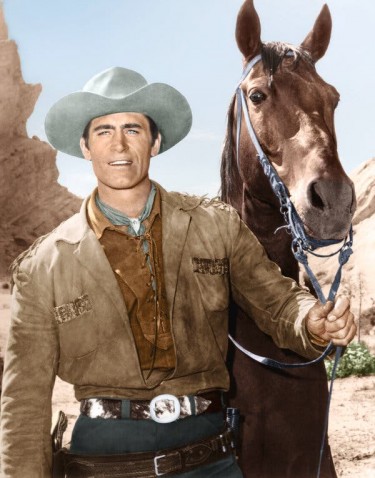
Clint Walker 3

Based roughly on a 1947 movie, “Cheyenne” began as an hour-long program that originally was alternated with two other Westerns. The only one of the three programs to survive, it made Clint Walker a star, although a restless one.

He abandoned the role in 1958 in a contract dispute, and Ty Hardin was brought in briefly to replace him. He soon returned under better terms, and remained through the show’s seven-season run.

One of his  most memorable big-screen appearance came in 1967’s “The Dirty Dozen,” whose all-star cast included Lee Marvin, Ernest Borgnine and Charles Bronson.   In it, Marvin baits the much-larger Walker into attacking him then throws him to the ground in a training demonstration to his World War II crew.
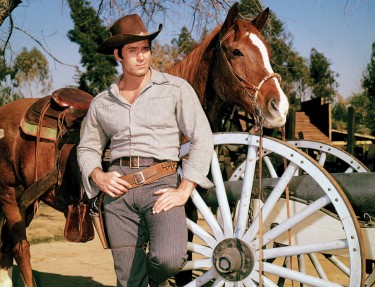
Clint Walker

He appeared in many other movies including the westerns “Fort Dobbs,” ”Yellowstone Kelly” and “Gold of the Seven Saints” and in the Doris Day and Rock Hudson film “Send Me No Flowers” in 1964. He most recently lent his voice to 1998’s “Small Soldiers.”

Walker nearly died in 1971 when a ski pole pierced his heart in California’s Sierra Nevada.

“They rushed me to a hospital where two doctors pronounced me dead,” he recalled in 1987. “No pulse, no heartbeat; I was clinically dead.” A third doctor detected life, and an operation saved him.

He would fully recover, and go on to live another 47 years.

In addition to his daughter, he is survived by his wife of 30 years Susan Cavallari Walker.
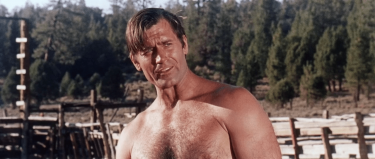
Clint Walker - Night of the Grizzly

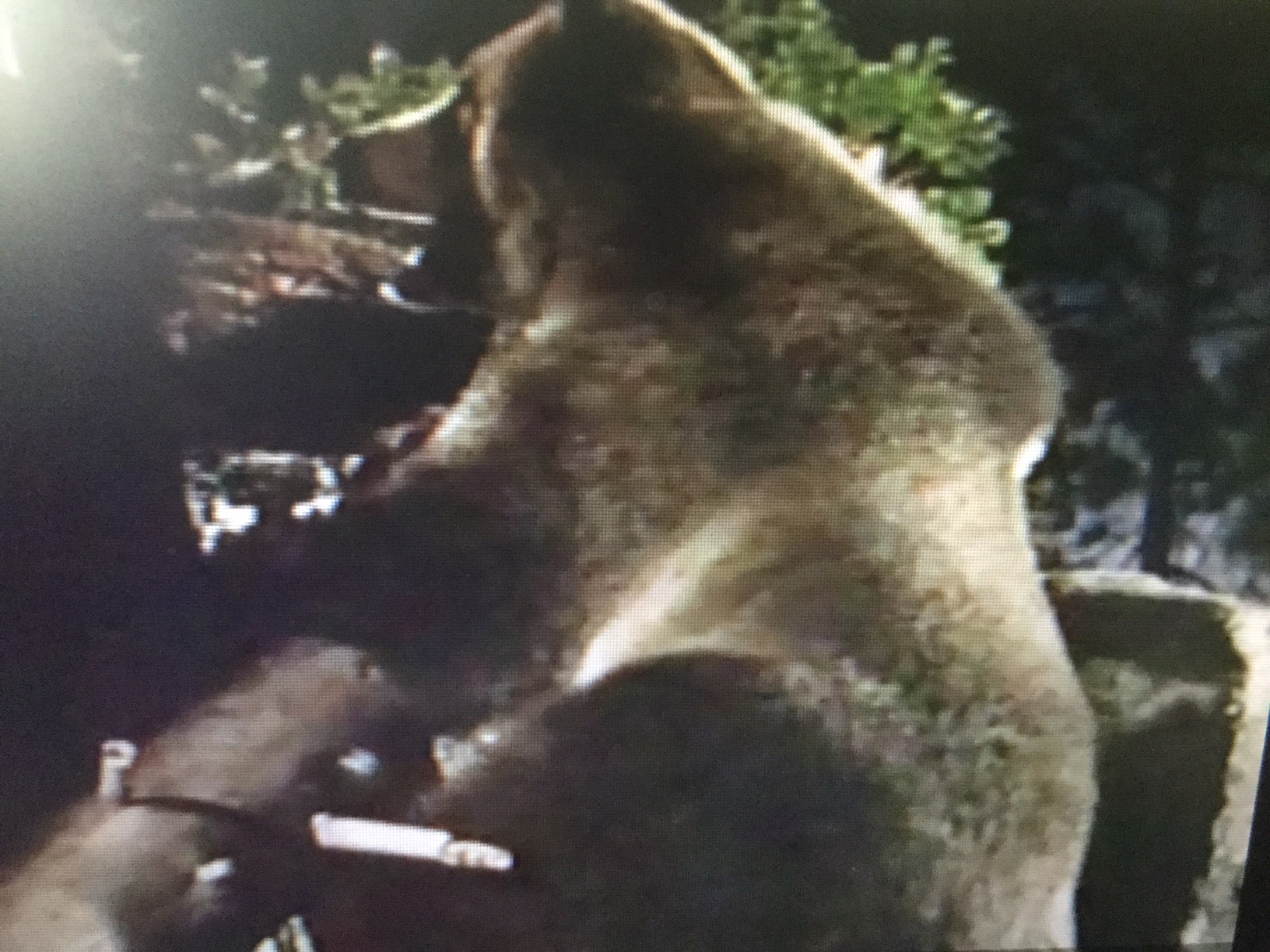
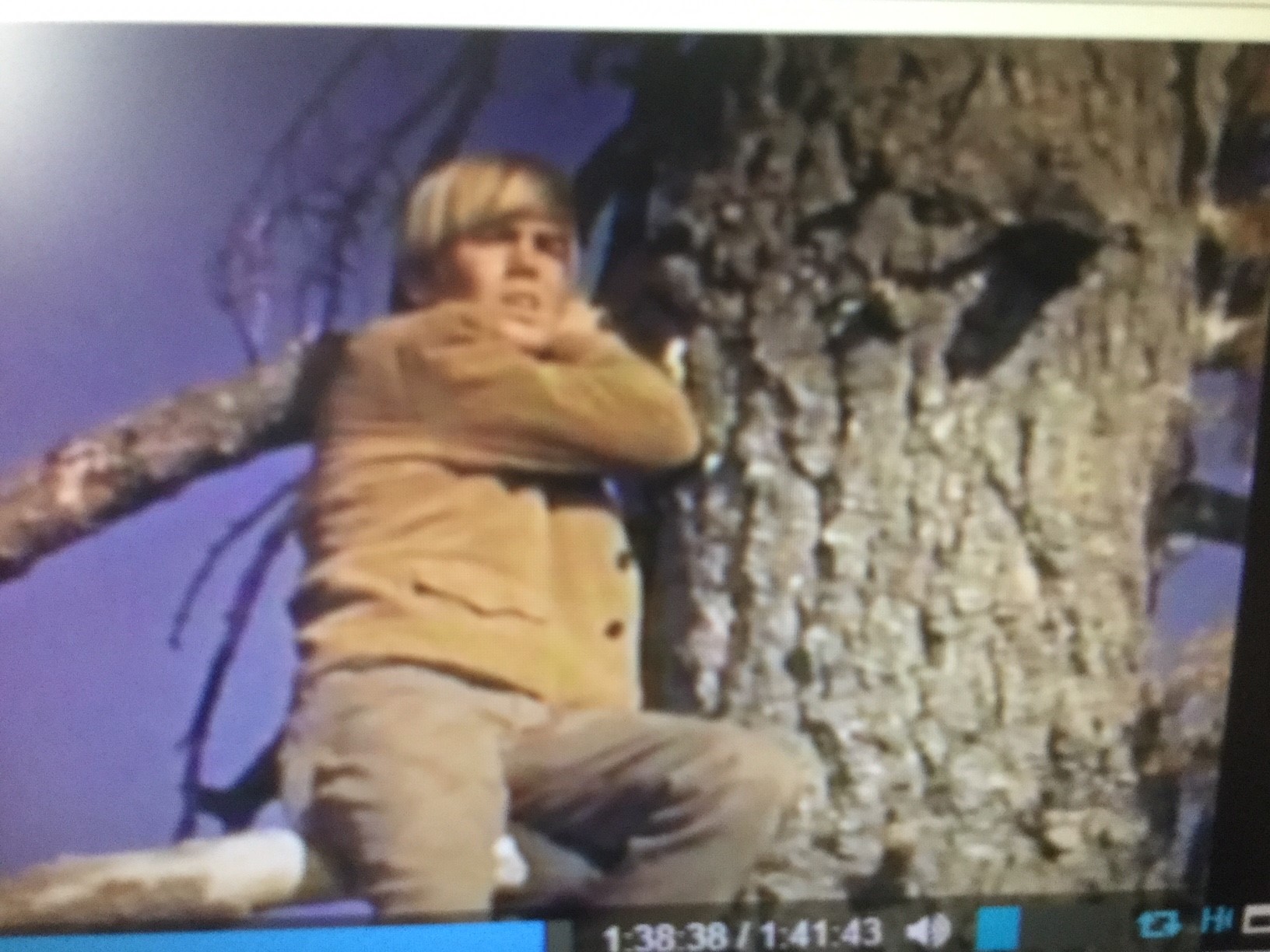
My own favourite Clint Walker film is ‘Night of the Grizzly’ where the tension is built up until the final confrontation with the grizzly – very well done too.

This was Clint Walker’s own personal favourite of the films that he was in

BELOW :  Some Great Scenes from the final thrilling climatic confrontation – they don’t do it justice though
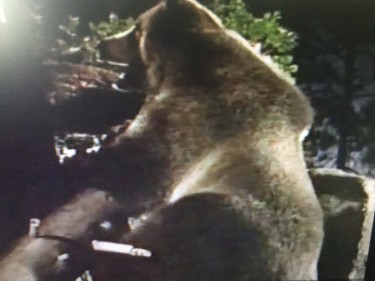
Night of the Grizzly

Night of the Grizzly 2

Night of the Grizzly 3


Night of the Grizzly 4

Night of the Grizzly 5


posted by Movieman in Uncategorized and have Comments (9)

Marilyn – The Most Famous Film Star in History – Files and Friends Views on her death


Marilyn Monroe


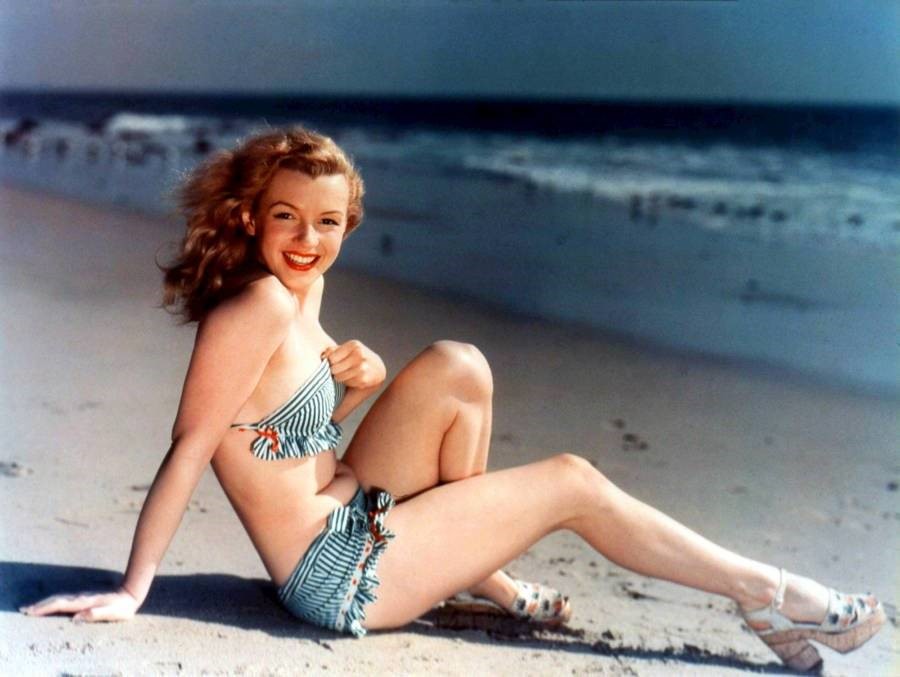
Marilyn Monroe is the Film Star of Film Stars – Her fame and legendary status remains as strong today – and she is just as well known as she always was. To each new generation she is able to work her magic through her films and even such pictures as the one above which has a magical glow about it – as though you are with someone very special.
To watch her in a film even now, she is the person on the screen that you just cannot take your eyes off.

Marilyn Monroe’s official file begins in 1955 and mostly  focuses on her travels and associations, searching for signs of leftist views  and possible ties to communism. The file continues up until the months before  her death, and also includes several news stories and references to Norman  Mailer’s biography of the actress, which focused on questions about whether  Marilyn  was killed by the government.

There have been two major government  investigations into Marilyn’s death – the original inquiry immediately after her  death and another effort by the Los Angeles District Attorney’s Office in 1982.  The second inquiry, released in December 1982, reviewed all files available  investigative reports, including files compiled by the FBI on her death.’

The man who performed  Miss Monroe’s autopsy, Dr. Thomas Noguchi has conceded that no one will likely ever  know all the details of her death. The FBI files and confidential  interviews conducted with the actress’ friends that have never been made public  might help, he wrote in his 1983 memoir ‘Coroner.’


Marilyn Monroes Home in Hollywood


Marilyn Monroes Home in Hollywood 2


ABOVE – Marilyn’s Home in Brentwood. She purchased the home in February 1962 after she moved back to Los Angeles following the end of her marriage to playwright Arthur Miller.  Some sources say the selling price was 77,500 US Dollars  while others have it as 90,000US Dollars.  

Located at 12305 5th Helena Drive, Monroe’s L-shaped Spanish Colonial Revival originally had adobe walls and a red-tile roof. It also had two bedrooms instead of the four it has now, along with a small guesthouse.

————————————————————————————————————————————————————————————————————

Suspicions Of Murder And A Cover-Up

Friends of the star, among others, have claimed that the official report on the death of Marilyn Monroe was a lie and that, in fact, there was a cover-up and she had actually been murdered.

One friend of the star only a few days before her death, said she was in high spirits. “She wasn’t the least bit depressed,” he said. “She was talking about going to Mexico.”

Another friend, Pat Newcomb, said she had been with Monroe just the night before her death and that they had made plans to go to the movies the next day. “Marilyn was in perfect physical condition and was feeling great,” Newcomb said.

The star had also recently rekindled her romance with ex-husband Joe DiMaggio and was excited about several new projects that had been offered to her, as well as her being re-hired on Something’s Got to Give.

As one of her associates asked, “Does that sound like she was depressed about her career?”

Reporters were also quick to point out that no suicide note was ever found.

The autopsy report was also treated with suspicion upon its release. Although Marilyn Monroe died after supposedly ingesting a large number of pills, there was no trace of any of the capsules in her stomach.
Even the junior medical examiner who performed the autopsy, Thomas Noguchi, had enough doubts that he later called for the case to be re-opened.

To add to the suspicion surrounding the death of Marilyn Monroe, the deputy coroner who signed Monroe’s death certificate eventually claimed he did so “under duress.”

Soon, more and more people grew concerned that the death of Marilyn Monroe was neither accident nor suicide, but murder.

Over the following decade, so many well-outlined conspiracy theories about her death emerged in various reports and books that in 1982, the Los Angeles Country District Attorney’s Office ordered a new investigation into the death of Marilyn Monroe.

Although this 1982 report concluded that the evidence reviewed “fails to support any theory of criminal conduct,” it also admitted that the investigation had turned up some “factual discrepancies and unanswered questions.”


posted by Movieman in Uncategorized and have Comments (12)

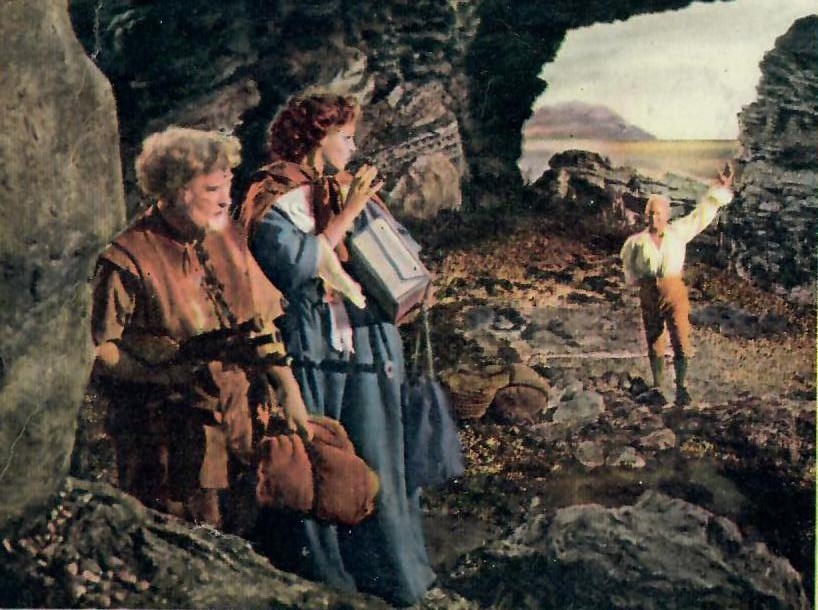
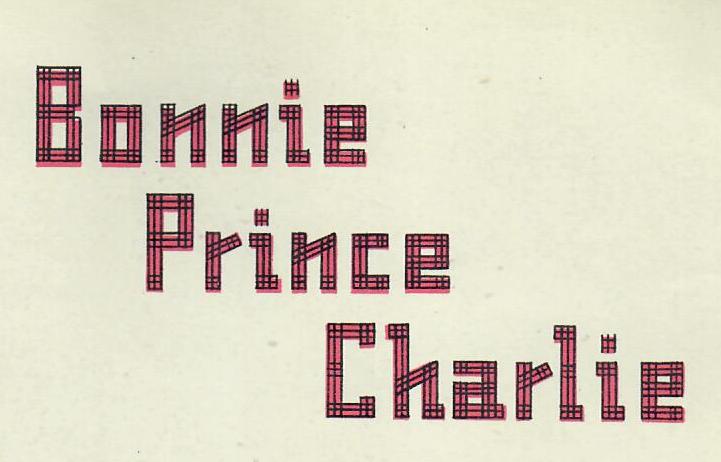
Bonnie Prince Charlie 1948 and Last Days of Denham Film Studios


Any film made at the legendary Denham  Film Studios is likely to be dear to my heart, as to me that location  epitomises all that is best in British Films.  Denham had been built by Alexander Korda on a scale that put it far larger than any studio in England or Europe – and certainly on a par with the Hollywood ones.

However surprisingly to me, even though this was very much a Korda picture, this film was made at Shepperton – and on location in the Scottish Highlands
This could be explained now I think of it,  because the studios had changed hands in 1945 when Sir Alexander Korda purchased British Lion Films, giving him a controlling interest in  Shepperton Studios

Maybe if this film had been made at Denham it would have fared better – that seems an illogical statement but you just never know.

David Niven said that throughout the filming there was never a finished script and it seemed to be just made up as they went along – as though this were a reason for its lack of early success – but when I think about it, only a few years earlier in Hollywood, that is exactly how things went during the filming of Casablanca – and look how that turned out


No – David Niven was just looking for excuses – and that seems a lame one to me


Bonnie Prince Charlie 1948 5


Bonnie Prince Charlie 1948 6


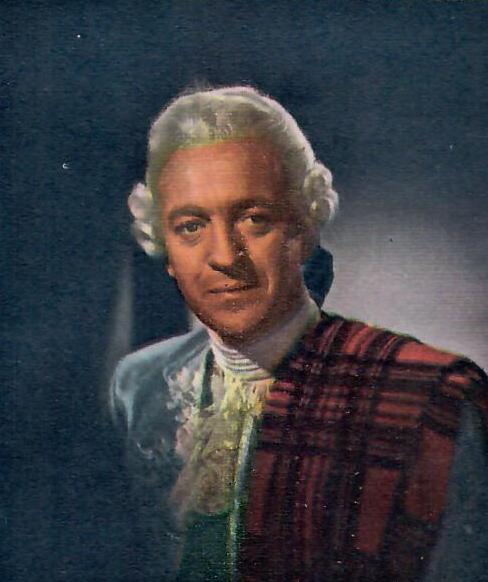
David Niven as Bonnie Prince Charlie – in my book woefully mis-cast


Bonnie Prince Charlie 1948


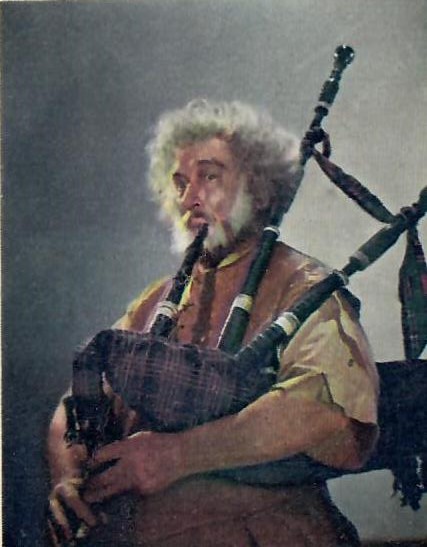
I just love these Studio scenes

Bonnie Prince Charlie 1948 2


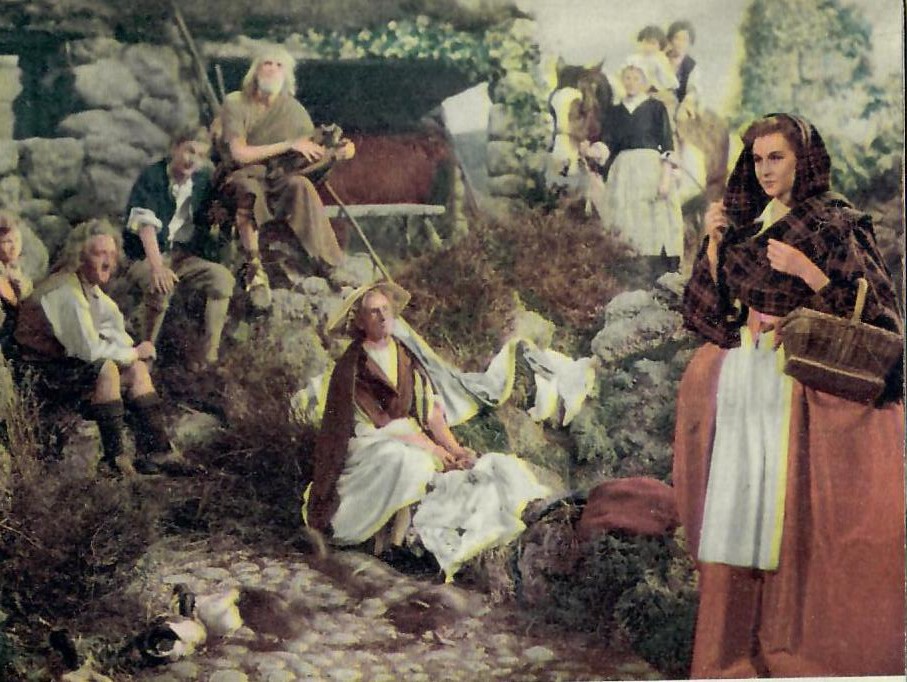
 Another posed still – again in the Studio – Margaret Leighton as Flora McDonald


Bonnie Prince Charlie 1948 3


Bonnie Prince Charlie 1948 4


This is another great set and so realistic – I do have another similar picture showing this film set. Very Impressive.

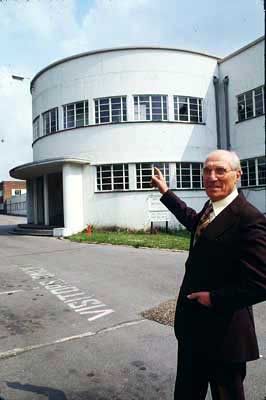
Denham Film Studios – someone who had worked there much of his working life – BELOW

Denham Film Studios

Herbert Smith (1901-1986) started sweeping the floors at Denham Film Studios in Buckinghamshire when he was 13 years old. He eventually became controller of the premier British studios from June 1945 until 1950. Above is a picture of Herbert (pointing towards his old office) taken on his last visit there in 1977 .

Shortly afterwards a golden era of film history ended, when those once famous studios (built by Sir Alexander Korda in 1935) were demolished.

Walt Disney’s Story of Robin Hood and his Merrie Men (1952) was the last major motion picture to be produced at that massive film complex.


posted by Movieman in Uncategorized and have Comments (9)

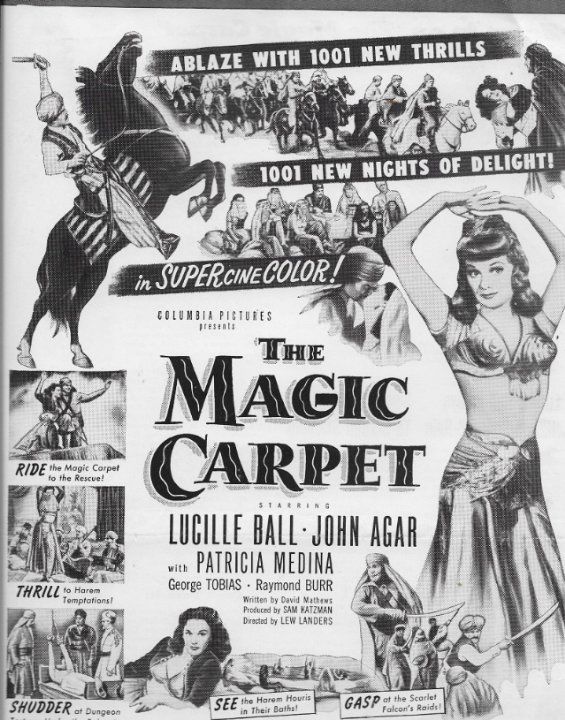
The Magic Carpet 1951

This film  is a low budget  Saturday matinée type film from the 1950’s but in fairness that is exactly what it was meant to be – a bit of colourful fun.

It is not dis-similar to the  1950 Universal Studio Tony Curtis “Son Of Ali Baba” type films and “Son Of Sinbad” with Vincent Price. These films may not be great, but they were really good for us young kids – at the time wanting to see these exotic adventures – and somehow we all grew up with the Hollywood version of what it was like in those far off days. Probably nothing like reality but we weren’t bothered about that.

 The Magic Carpet 1951


The interesting thing about the film was that  how Lucille Ball who was still under contract to Columbia did not want to do this film and the Studio Heads didn’t think that she would,  but she accepted and as soon as the film was completed she left.

Can’t say that I am – or was ever – a fan of Lucille Ball so I will quickly move on to Patricia Medina who I did like. She was at the time of this film married to Richard Greene our own Robin Hood – but that marriage ended in divorce in 1951 – about the time this was released –  and she married Joseph Cotton and lived her life in California.

I have been very lucky to find a rare interview on Youtube  with Patricia Medina – it is 30 minutes long but really interesting and insightful – trouble is, it seems impossible to transfer it on to this Blog.

She talks about her film life and work and being signed by MGM without a screen test – one of only three who could say that and one was Mickey Rooney. She also talked quite warmly of her first husband Richard Greene and said that he was probably the most handsome man she ever met.  However she describes Jospeh Cotton as the love of her life – she said that in thirty years of marriage they only spent one night apart – and she said that was Hell.

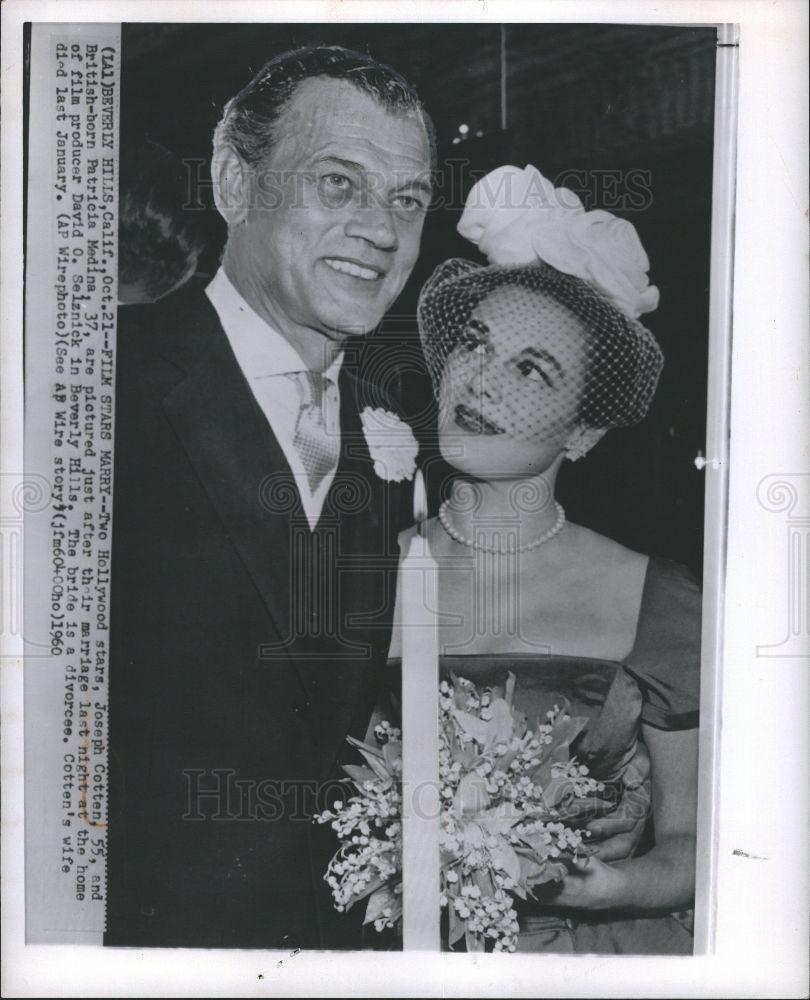
Jospeh Cotton and Patricia Medina were married at the home of David O. Selznick and Jennifer Jones in 1960     and there were many film people there – and the happy couple went on to have a wonderfully fulfilling and loving marriage.

Patricia and Joseph on their wedding day

After his death she admitted to sinking into depths of despair and sadness but soldiered on.  Patricia Medina said that if she watched one of his films on Television it would make her would cry – particularly if his voice came from the TV even when she might have been in another room


The Magic Carpet 1951 2


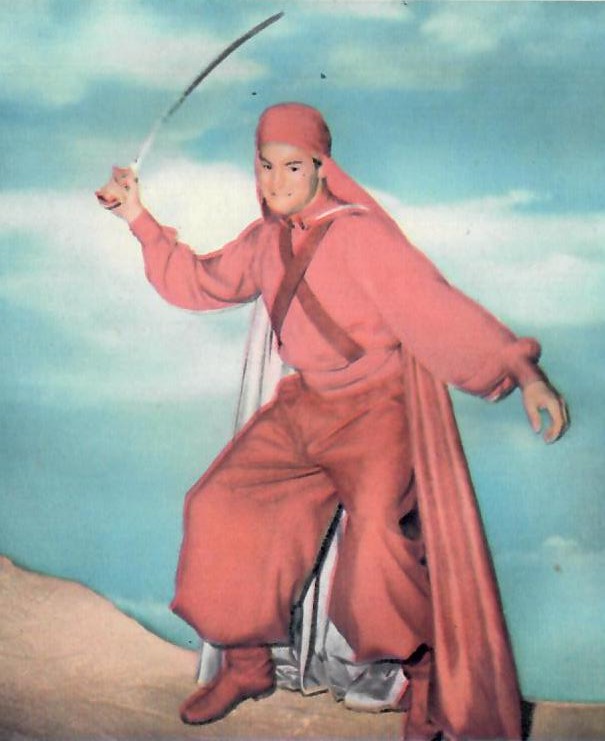
THE MAGIC CARPET is great fun. A Sam Katzman Super Cinecolor  costume extravaganza with John Agar, Patricia Medina and Lucille Ball 

Apparently that year Monogram’s ALADDIN and HIAWATHA were also in Super cine-color.

The Magic Carpet 1951 3

A Newspaper advertisement for the film

The Magic Carpet 1951 4

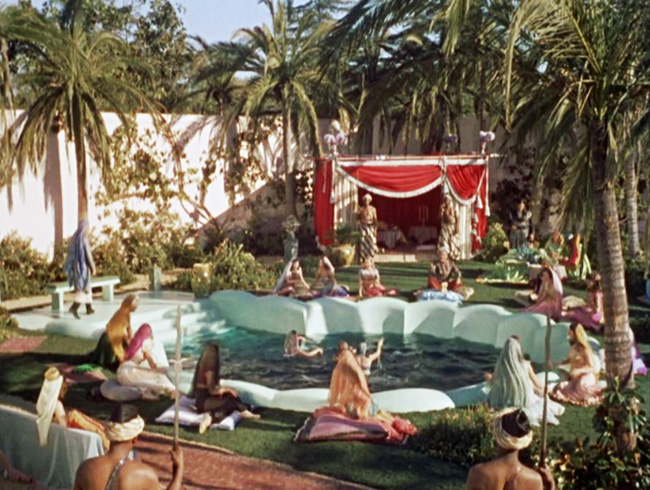
A very colourful scene – In SuperCinecolor

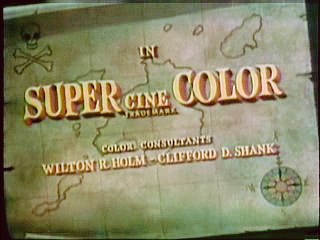
Super Cinecolor

Super Cinecolor

The Magic Carpet 1951 5

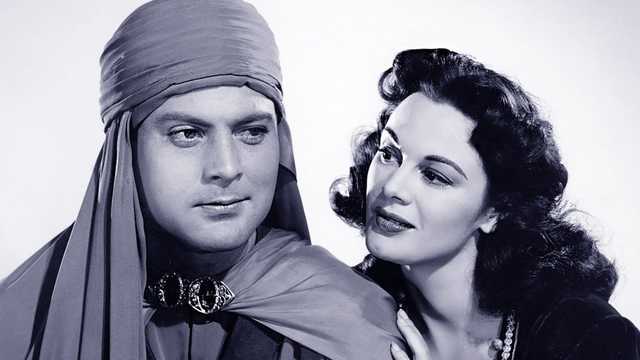
ABOVE – John Agar and Patricia Medina

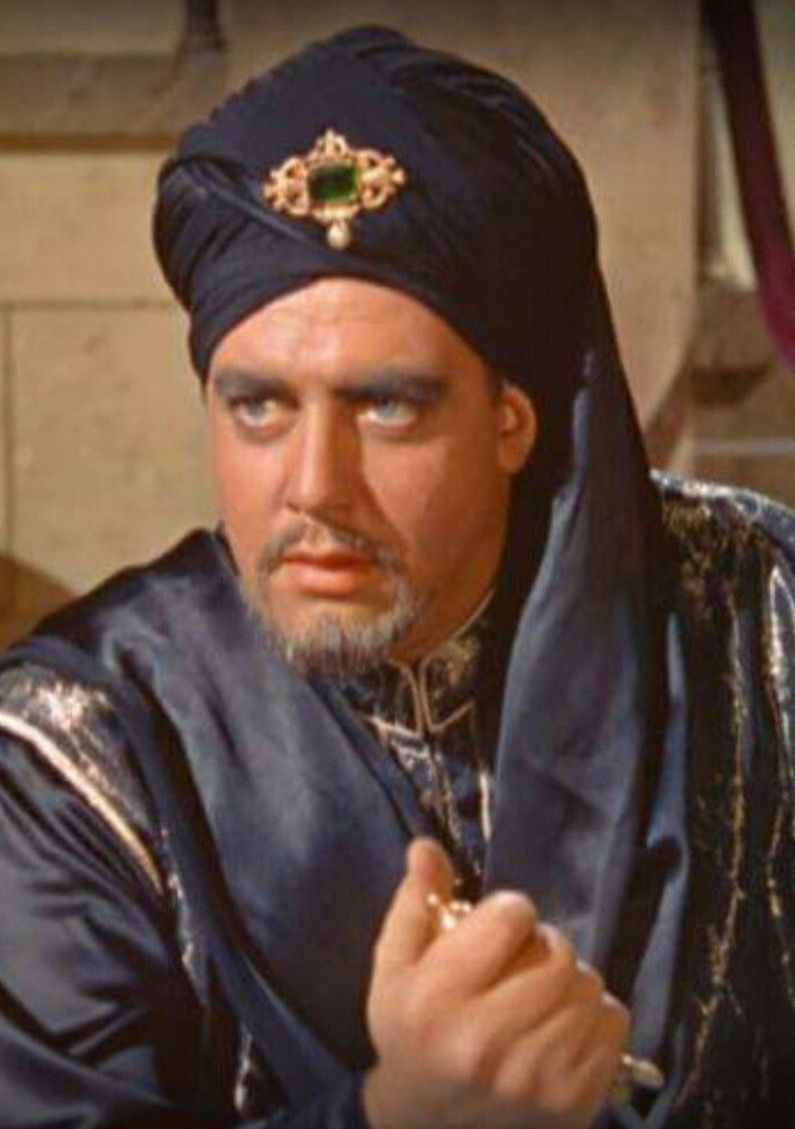
Raymon Burr as The Grand Vizier

Raymon Burr in The Magic Carpet.  A couple of years before his role in Rear Window – and not too long before he found fame and success with Perry Mason

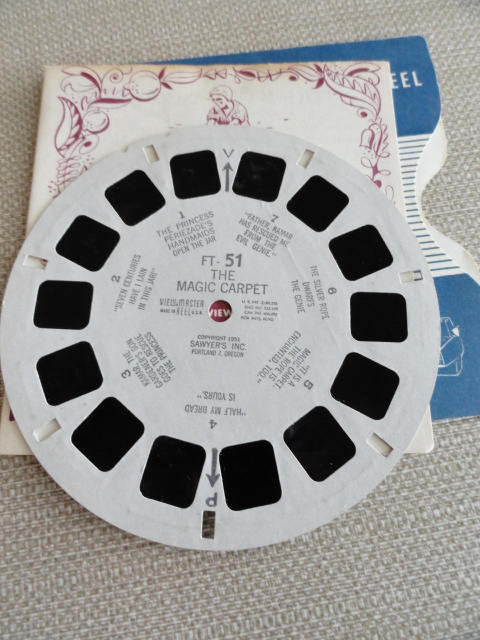
Viewmaster

Viewmaster

Sometimes with these films you could but a Viewmaster – a series of colour slides from the film that you viewed through a special gadget – above is the actual Viewmaster and  ‘The Magic Carpet’  circular slide show from the film

 

posted by Movieman in Uncategorized and have Comments (12)

Kon Tiki – Film 1951


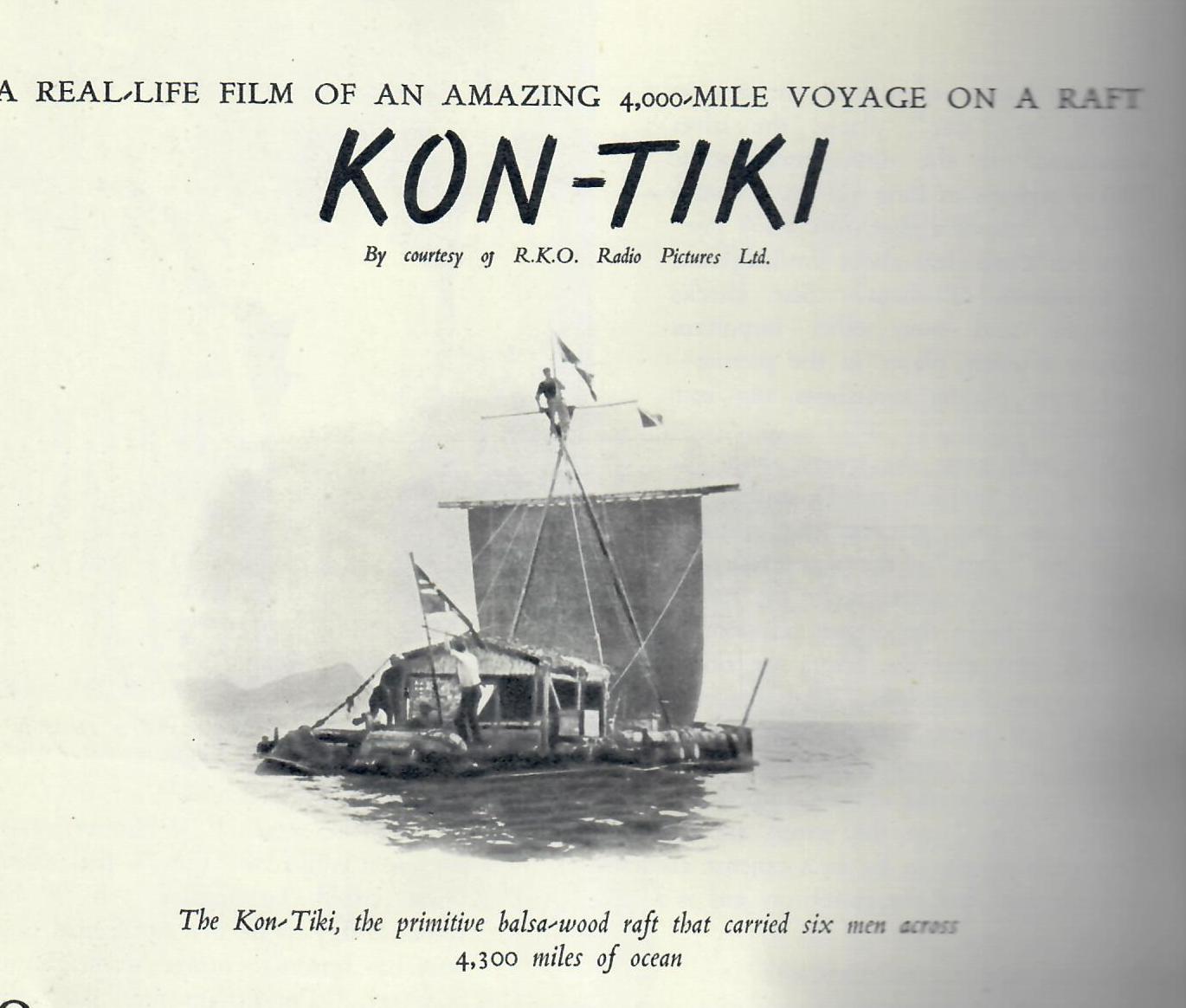
One of the most amazing stories ever to be seen on the screen is shown in ‘The Kon-Tiki Expedition’. The whole film is made up of shots taken on the actual voyage across the Pacific Ocean just after the war – and this documentary style film which was Swedish – as far as I can see was taken on by RKO Radio Pictures and given a worldwide release.
Kon-Tiki 1


I remember the publicity it got at the time – quite often featured on BBC Television

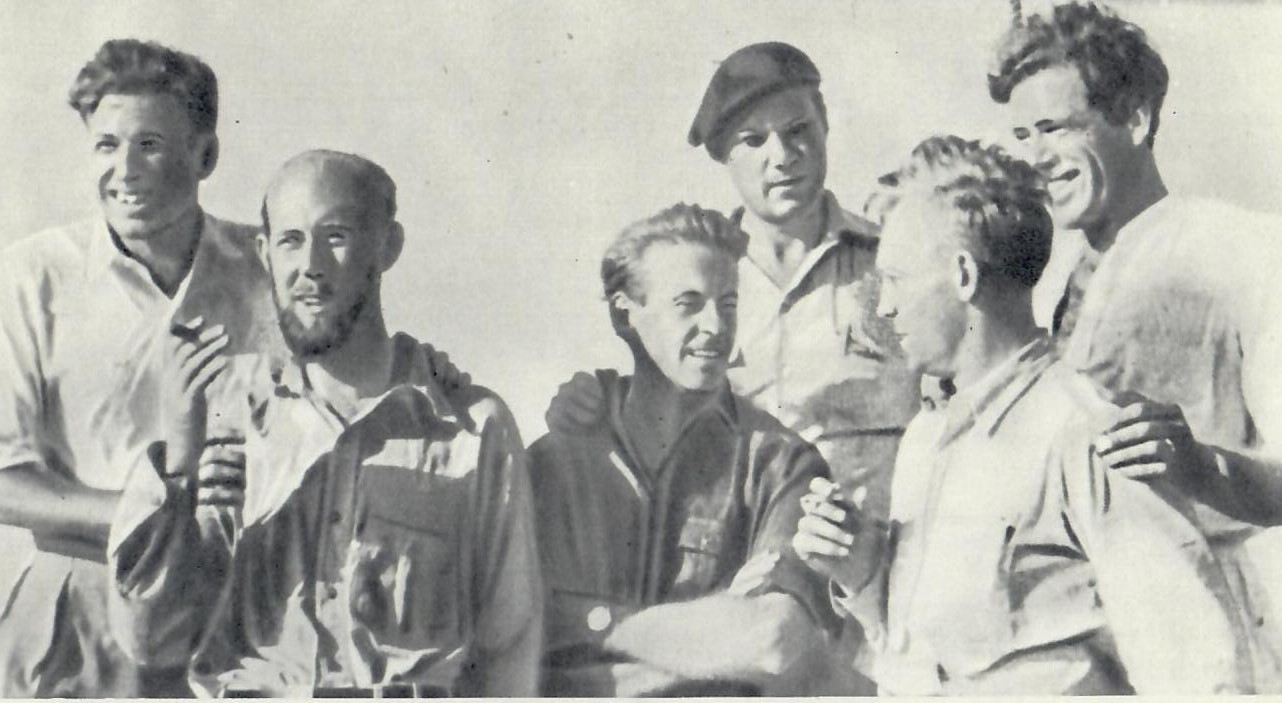
Kon-Tiki


ABOVE –  The Kon-Tiki Adventurers –  Thor Heyerdahl, Knut Haugland, Erik Hesselberg, Torstein Raaby, Herman Watzinger and Bengt Danielsson

This voyage was one of the most thrilling adventure of modern times in 1947 when Thor Heyerdahl and his crew sailed across the Pacific Ocean on a flimsy raft from Peru to the Polynesian Islands – a distance of 4300 miles.

This film was taken on the voyage so almost a diary of what went on. 8,000 ft of film was shot during the voyage


Kon-Tiki 2


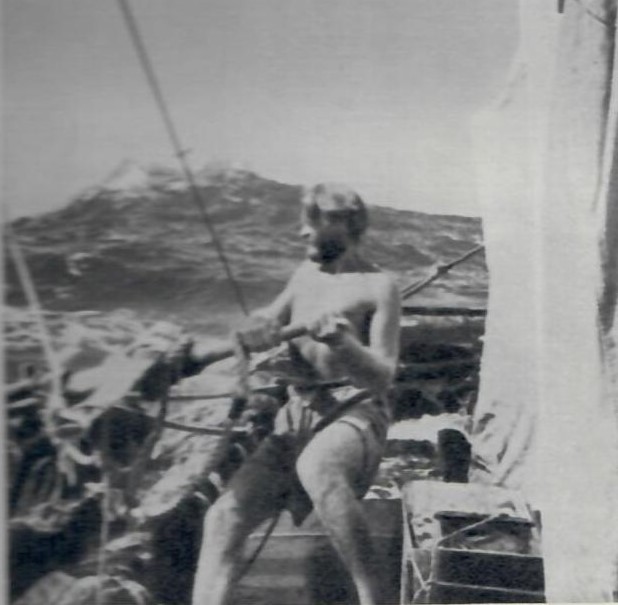
ABOVE – A steady Hand on the Tiller – but just look at those mountainous seas behind him

Kon-Tiki 7


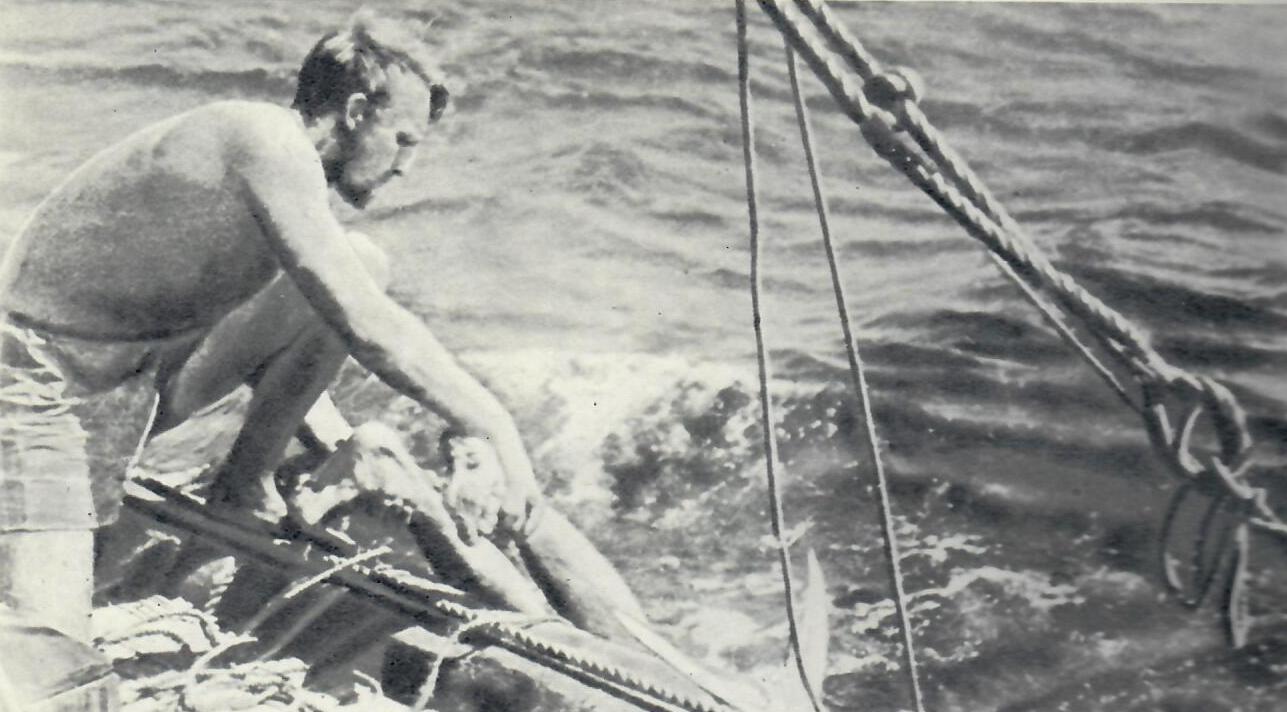
ABOVE – This picture I have found just has the caption ‘ Man Overboard’


Kon-Tiki 3


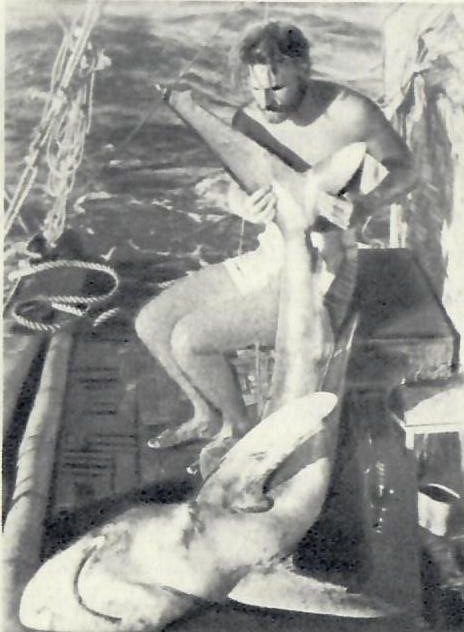
Above – a captured shark – apparently sharks kept the crew company and sometimes threatened disaster to the frail craft.


Kon-Tiki 4


ABOVE – Thor Heyerdahl the skipper contemplates the next meal

On April 28, 1947,  Thor Heyerdahl and five fellow scientists boarded their wooden raft, the Kon-Tiki, to sail from South America to the Polynesian Islands – they reached Raroia in the Pacific 101 days later – he brought his 16mm camera to document the journey. After the expedition, he was offered $200 for the unedited footage, but he refused – he wanted to use it for lectures.

Sweden’s Artfilm was the only Scandinavian laboratory with an optical printer that could transfer 16mm material to 35mm negative and, on January 13 1950, Kon-Tiki had its world premiere in Stockholm. Two years later it became the first (and still only) Norwegian full-length film to win an Oscar, for Best Documentary Feature


Kon-Tiki 5


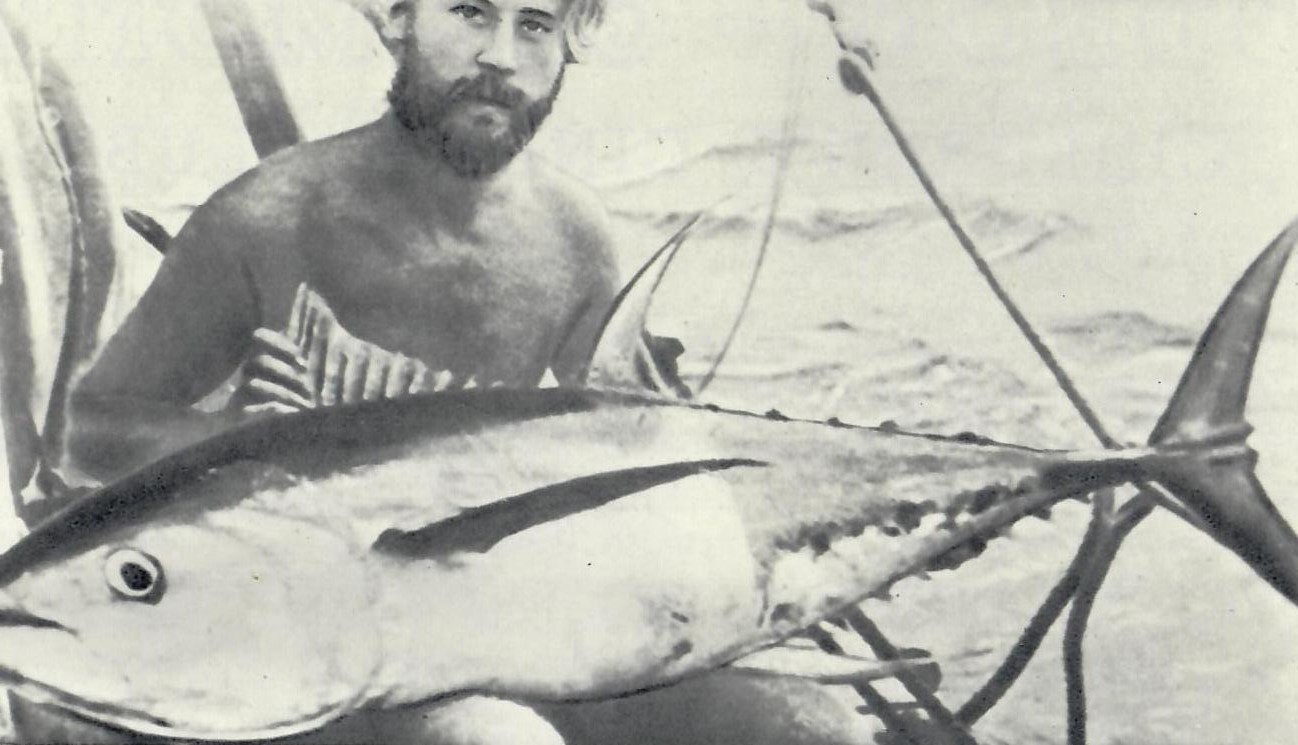
It looks likely to be fish – and a whopper too.


Kon-Tiki 6


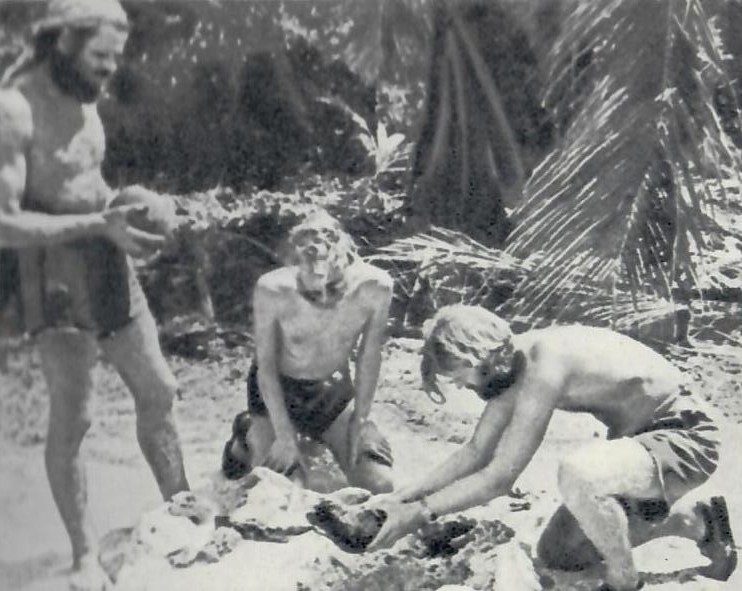
ABOVE – Journey’s End – the mariners land on a coral reef in Polynesia in the Pacific Ocean – after 101 days afloat.


posted by Movieman in Uncategorized and have Comments (8)