Archive for October, 2026

The Last Hunt 1956

The film showed what an interesting actor Robert Taylor was – he is totally believable in this film – in a really villainous role. He had the longest contract ever with MGM and basically caused few ripples and would do the films that he was asked to do without any drama. This film proves that he could handle difficult roles. .

You wouldn’t normally associate Stewart Granger with Westerns but he did this one and ‘North to Alaska’ – also ‘Gun Glory’ – in this film he plays a retired buffalo hunter who is revered in the West as one of the best. Robert Taylor seems to just want to slaughter buffalo, and lures Stewart Granger into business with him. They hire two helpers played by Lloyd Nolan and Russ Tamblyn.

Stewart Granger becomes haunted by the buffalo he has killed, knowing if they become extinct, the Native American way of life will greatly suffer. Robert Taylor soon reveals a sadistic side.

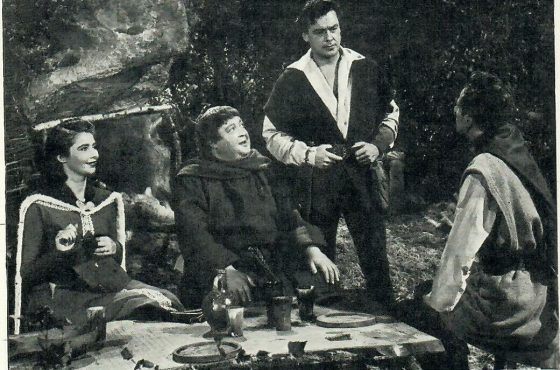
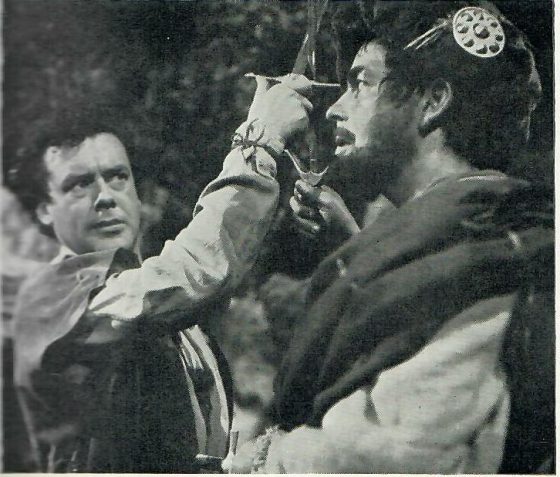
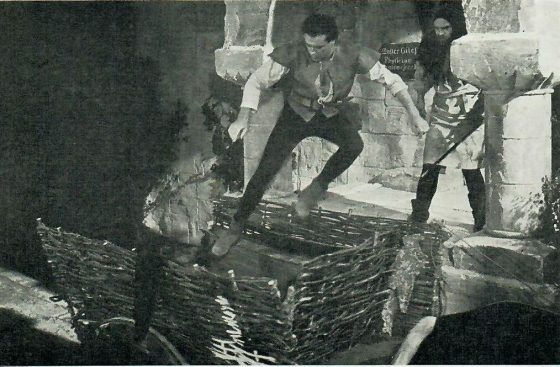
BELOW – Some Front of House Stills from the film – I can remember walking up to school in our town, past one of the cinemas on the way, and I always looked at the film stills outside in a glass case. For some reason I remember the stills from this film although I can’t recall these particular ones.

Earlier Stewart Granger had appeared in some very big MGM films among them Scaramouche – however he does not seem to have been popular with his fellow actors if this is anything to go by :-

His co-star Eleanor Parker  said that Stewart Granger was the only actor she did not get along with during her entire career. “Everyone disliked this man…Stewart Granger was a dreadful person, rude…just awful. Just being in his presence was bad. I thought at one point the crew was going to kill him.” However, the resulting film was a notable critical and commercial success.

The film ‘The Last Hunt’ was directed by Richard Thorpe who went on to marry Jean Simmons in 1960


‘The Last Hunt’ is one of the harshest Westerns of the 50s – a big factor being the shooting of buffalos on the Cinemascope screen.

The buffalo hunting scenes — filmed during the actual thinning of the herd in South Dakota — will stay with you – very unpleasant

Robert Taylor gives a chilling performance.

Charley Gilson (Taylor) and Sandy McKenzie (Stewart Granger) team up to hunt buffalo. Sandy is sick of the killing, but Charley actually enjoys it. They’re accompanied by an old muleskinner Woodfoot (Lloyd Nolan) and a young halfbreed boy Jimmy (Russ Tamblyn). Before long, they’ve killed some Indians, kidnapped a young Indian woman (Debra Paget) and her baby, and located a herd of buffalo to slaughter.

When Granger and Paget take a shine to each other (though Taylor feels he owns her), and a prized white buffalo hide goes missing, the already unbalanced Taylor goes completely haywire.

The Last Hunt was shot in Custer National Park in the Black Hills of South Dakota. It was hot on location, so the stinking buffalo carcasses were kept in refrigerated trucks when not used in a scene. For the final sequence, taking place in a blizzard, the cast had to stay bundled up though temperatures went past 120 degrees. Also, Anne Bancroft was injured and was replaced by Debra Paget. So much for that MGM glamour!

Even if you hate it and find it too grim to sit through, The Last Hunt is a great Western. If nothing else, you have to give Robert Taylor credit for taking on a part so completely vile and unsympathetic.
posted by Movieman in Uncategorized and have Comment (1)

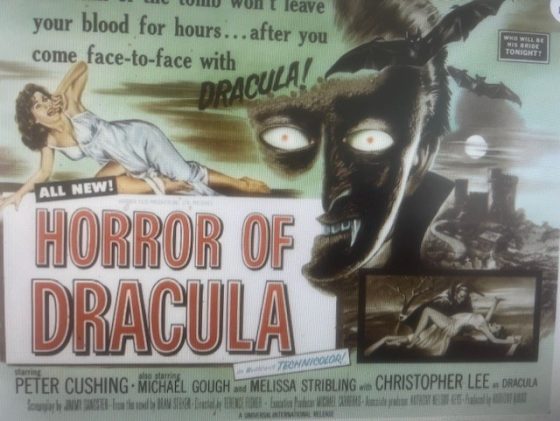
Dracula 1958 – Re-released and with missing scenes

The NEW release of Dracula – the fully restored version with scenes that didn’t appear in the original release, is now on doing the rounds at selected cinemas throughout the UK and overseas I should think.

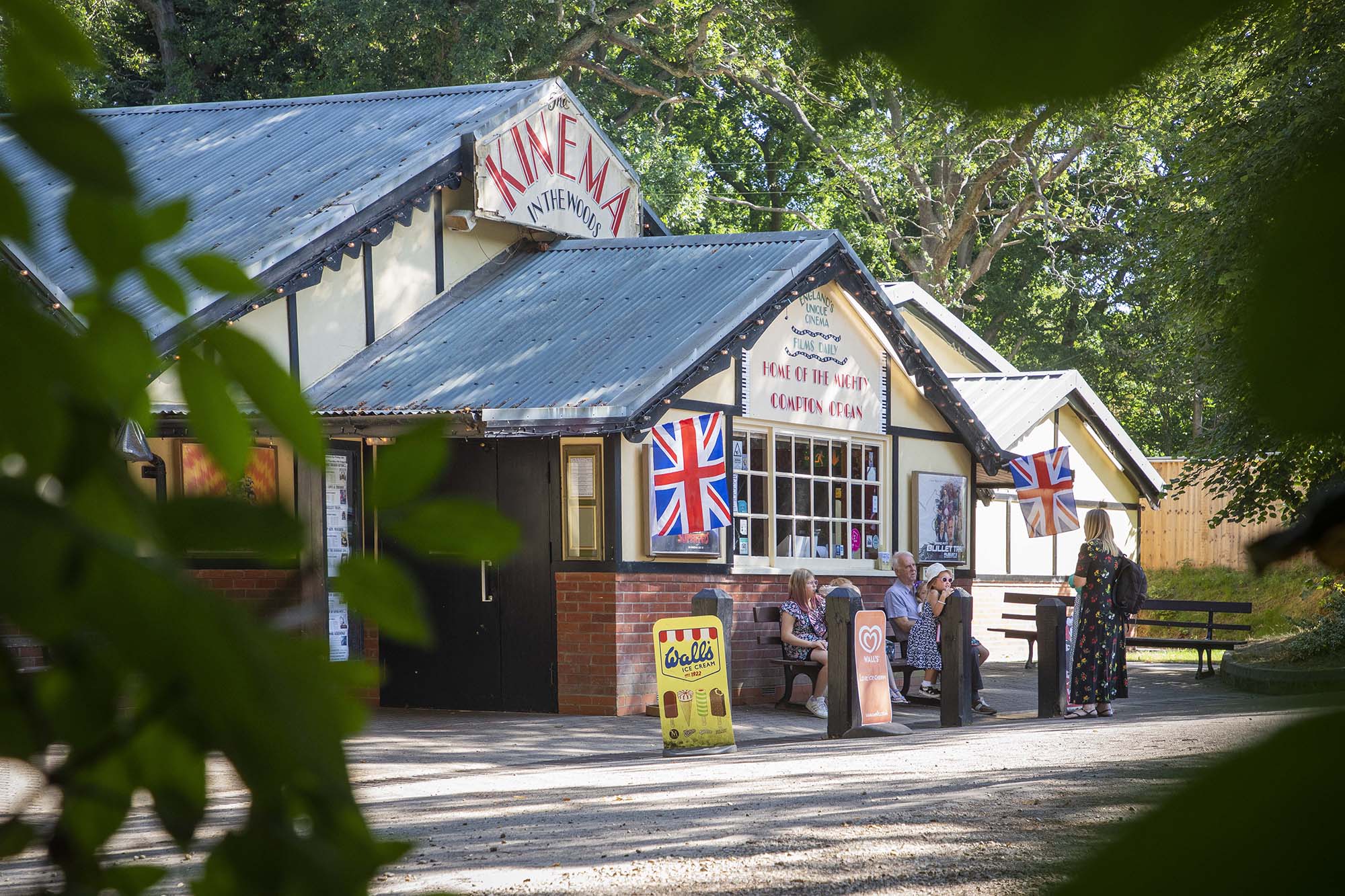
I saw it again yesterday at the wonderful Kinema in the Woods in the beautiful tree line village of Woodhall Spa in Lincolnshire.

The cinema was quite full and seeing it again on the big screen after all these years was a real treat. When I first saw it – probably in 1958 – it scared the life out of me – and seeing it again I could maybe understand why.

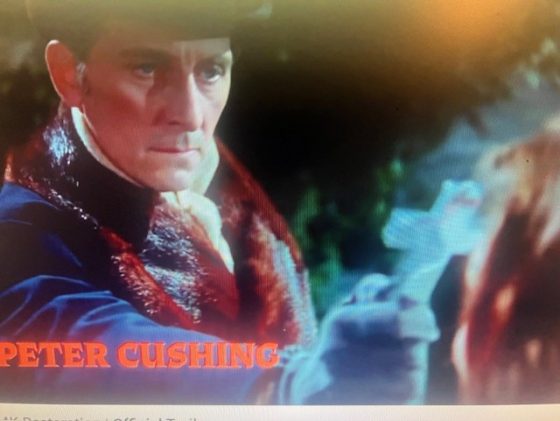
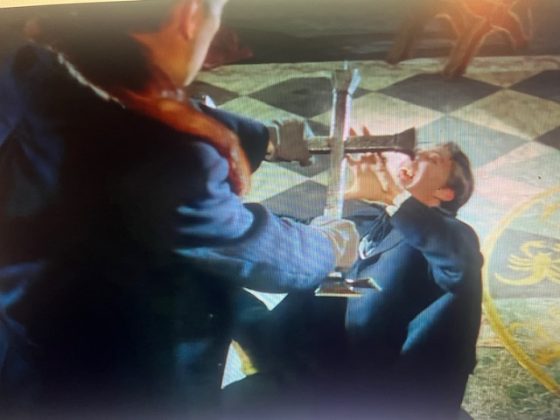
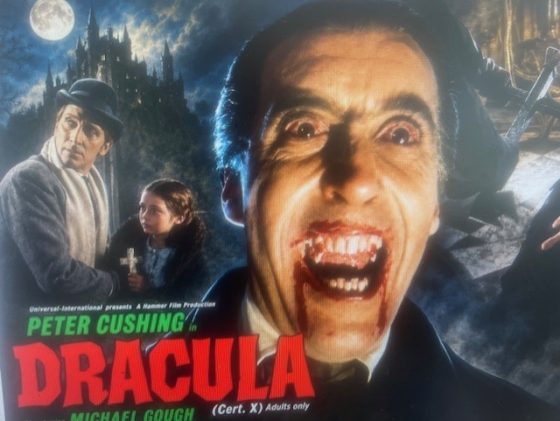
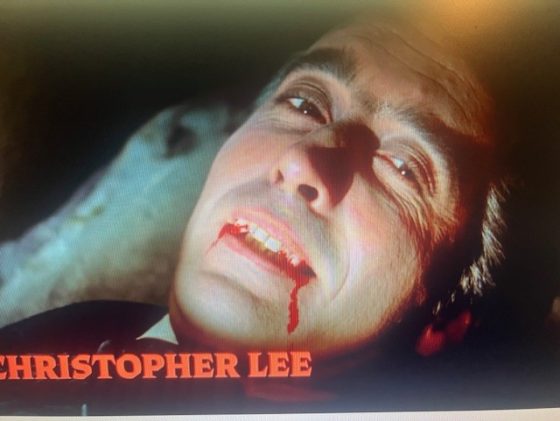
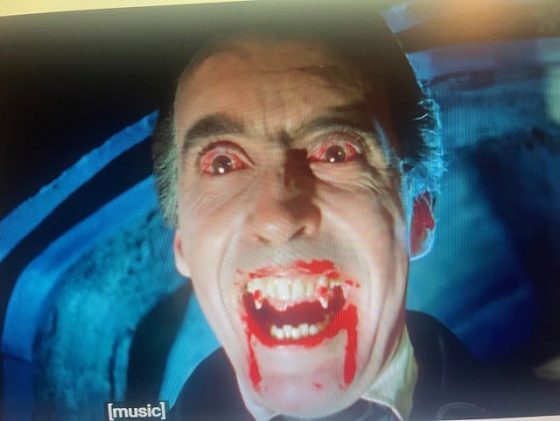
Christopher Lee was menacing and quite frightening as Count Dracula. Peter Cushing was equally good as Van Helsing. The final confrontation was very well staged with Peter Cushing energetic and athletic as he fought with the Count

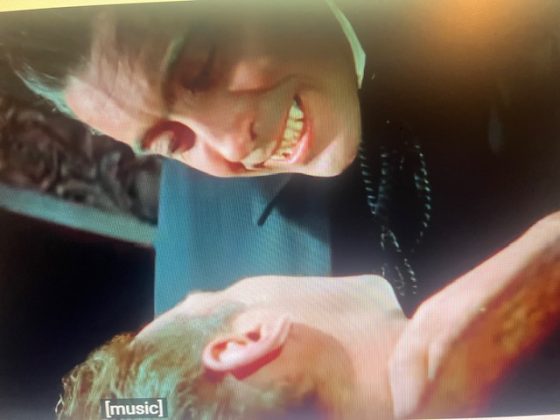
Both of them played their parts as though they were living in the roles. When we first see Count Dracula after Jonathan Harker has arrived at the Castle, he walks up to the screen and is close-up delivers the lines – ‘ I am Dracula – Welcome to my home’ – we see his commanding prescence and sheer power that we later see, he has over his victims

Peter Cushing

Peter Cushing

Peter Cushing

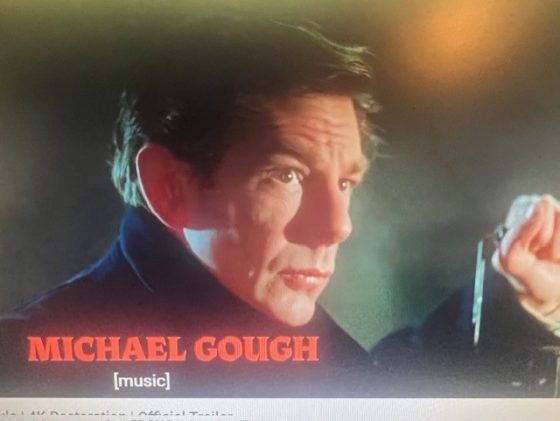
ABOVE – Michael Gough – a renowned actor of many films who lived to be 94 and was a very busy man appearing in 205 films and TV shows from 1946. In this I didn’t think he was at his best

Dracula 1958

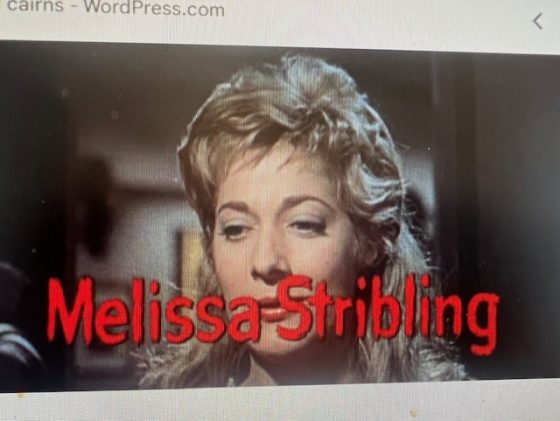
Melissa Stribling

Melissa Stribling Smith was born in Gourock on 7th November 1926. Little is known of her time in Gourock except that it was short: she moved with her family to England by the time she was in her teens. She worked as a cutting-room assistant at the famous Ealing Studios: here she met her future husband, director Basil Dearden. It wasn’t long before the photogenic Melissa made the jump from behind-the-scenes to on the screen: she trained at the Royal Academy of Dramatic Arts, and was soon starring in films, starting with 1948’s The First Gentlemen, and television, starting with 1952’s The Locked Room.

Melissa is probably most famous for her role as Mina Holmwood in 1958’s Dracula, the first of the legendary Hammer Horrors featuring Christopher Lee as Dracula and Peter Cushing as Van Helsing. The film was notorious for its shockingly violent & provocative content, with Melissa’s performance as Mina a particular focus for moral indignation (and, in later years, praise for accomplished acting):

Melissa continued to work as a character actress over the course of 30 years: some of her notable roles in film & television in addition to Mina Holmwood include Lady Conyngham (The First Gentleman, 1948, film debut); Amanda North (Murder Reported, 1953); Joanna Brent (Crucible of Terror, 1971); Mrs Langley (Sherlock Holmes & Doctor Watson, 1979); & Lady Boeing (Paris by Night, 1988, final film role).

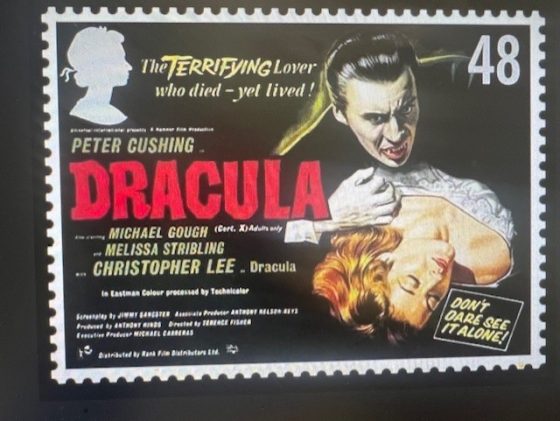
The 2008 Royal Mail Stamp which featured Melissa Stribling & Christopher Lee

Melissa died on 22nd March 1992. 16 years later, Melissa was the first Scottish woman to be depicted on a Royal Mail stamp when the Royal Mail commemorated the 50th anniversary of Dracula in 2008, and only the fourth Scot after Robert the Bruce, Robert Burns, and David Livingstone.

Melissa Stribling was married to Film Director Basil Dearden. His last film was ‘The Man who Haunted Himself’ with Roger Moore. Roger Moore tells the story that in the film he played Mr Pelham who eventually dies in a car crash filmed closed to Pinewood Studios when his car hit a bridge in the film. Soon after the film was completed Basil Dearden also was killed in a crash very similar to the one he had only recently filmed at or near the same bridge

———————————————————————————————————

Also In the film ‘Dracula’ was Carol Marsh – I really liked Carol Marsh – her lovely face and looks really appeal to me and I find her so magnetic – every scene she is in, her looks just draws you to her and ‘Dracula’ was no exception

She had a meteoric start to he film career when she had the female lead in ‘Brighton Rock’ opposite Richard Attenborough and then went on to play Alice in ‘Alice in Wonderland’ and then after ‘A Christmas Carol’ things seemed to stall. ‘Salute the Toff was made in 1951.

She was busy though in this period – she appeared in a BBC Drama adaptation of ‘Time and the Conways’ in 1950 – that would have gone out ‘live’ in those days and she also played Alice – this time on stage – in ‘Alice Through The Looking Glass’ at the Princes Theatre on Shaftesbury Avenue and that was in 1954. I have seen a picture of her in this production with Margaret Rutherford and that was from the Wimbledon Theatre – so maybe it was transferred there

Much later she played again in the West End in the very famous Agatha Christie play – ‘The Mousetrap’

I went the see ‘Dracula’ at the famous ‘kInema in the Woods’ at Woodhall Spa in Lincolnshire

Kinema in the Woods
Kinema in the Woods

The Kinema in the Woods is one of the most appealing and unusual Cinemas in the country if not in the world. It is situated in the beautiful town of Woodhall Spa in mid Lincolnshire.

In it’s 100 years life the Kinema in the Woods has had just three owners/managers; Major Carleton Cole Allport, James Green and now Philip Jones.

In an age of multiplexes, the Kinema is a mere minnow among the big chain ranks, but with four screens and the latest laser projection plus Dolby 7.1 sound in its most recently added screen, it’s technologically right up-to-date. Despite this the cinema retains its charm

posted by Movieman in Uncategorized and have Comment (1)

The Adventures of Robin Hood – with Richard Greene

This series really broke ingto the American market – and gave British produced shows a lift. The series was very popular in the USA with the first episode transmitted on CBS on 26 September 1955

I must admit that Richard Greene was a very good choice to play Robin Hood – he just looked the part

The first 39 episodes were followed quickly by another 39 and had been sold to American and Canadian TV networks for a handsome profit – there were also plans to sell to Australia or so it was reported at the time. I wonder a bit on this because Australian Television had only just started at that time beginning on 16 September 1956

Each half hour episode was completed in 4 and half days – which seems incredible to me. The person in charge of production was Peter Proud who was a well know Art Director on British Films. He had devised a unique and speedy way to erect the large sets needed.

He had used a real hollow tree trunk about 20 ft high planted on a fake grassy bank and mounted on wheels and each time it was moved – and used – it was made to look different. Then another wood and plaster tree was made with an overhanging branch to match the other one – both trees then wheeled into place to provide a most realistic forest glade

Richard Greene in action ABOVE

Alexander Gauge who plays Friar Tuck is a well known English character actor who first appeared on the New York stage in 1945. He was born in a Methodist Mission school in China and went to school in California before coming to England. He has don much Shakespearean acting and in British films has often played sinister parts. Many consider he is best in comedy – he did very well in the London stage production of ‘The Seven Year Itch’

Rufus Cruikshank, a Scottish actor plays Little John. At 6’5” he is well suited to this role. He has been in films, repertory theatre productions and on BBC Television

Bernadette O Farrell who plays Maid Marian is a 30 year old Irish actress who originally worked in a solicitor’s office – but she was spotted by Carol Reed when he was making a film in Ireland and he offered her a small part – after which the Rank Organisation offered her a contract. She turned it down in order to gain more experience and then join. What an intersting charactered the Liverpool Repertory Company. Later on she made a number of films

PETER PROUD – Art Director

I did not know and had never heard of Peter Proud but in fact he was a very crucial to the production of ‘The Adventures of Robin Hood’ with his instinctive ability to shape impressive sets for this successful series. I came across him after researching this TV series – researching not from the internet but from old film books and annuals of the fifties. What an interesting character !!

Born Ralph Priestman Proud in Glasgow in 1913, Peter Proud was educated at Hillhead High School, as, coincidentally, was Alexander Mackendrick at the same time. On leaving school at 15, he applied for a job as a sound recordist at the BIP studios at Elstree, inspired by a schoolboy interest in scientific equipment. However, sound was not his strong point and he soon moved to the art department where he assisted numerous art directors and set dressers. Within a couple of years he found himself working as assistant art director under Alfred Hitchcock on films such as Murder! (1930) and Rich and Strange (1932).

In 1932 Proud joined Alfred Junge’s art department at Gaumont-British Picture Corporation in Islington, where he co-art directed The Man Who Knew Too Much (d. Hitchcock, 1934) and assisted on several others. After two years at Gaumont he joined Warner Brothers First International as a fully-fledged art director, working on films like Something Always Happens (d. Michael Powell, 1934), Educated Evans (d. William Beaudine, 1936), Perfect Crime (d. Ralph Ince, 1937) and They Drive By Night (d. Arthur Woods 1939). By now he was head of the art department and when he left to go to a new facility at Teddington Studios, he took his whole team from Gaumont with him.

At Teddington, Proud worked on a series of ‘quota quickies’ and became renowned for his ability to make the sets look like they were designed on lavish production budgets.

During the Second World War he joined the army and became second-in command of camouflage in the Middle East. He is credited with the invention of battle camouflage, a new system of concealed entrenchment. His proudest and most ingenious achievement was to ‘hide’ a number of ships in harbour at the siege of Tobruk in North Africa.

After the war, Proud joined Independent Producers as production designer on Green For Danger (d. Sidney Gilliat, 1946). He produced and co-directed Esther Waters (co-d. Ian Dalrymple, 1948) and co-wrote the script for The Planter’s Wife (d. Ken Annakin, 1952).

However, in the 1950s he was lured to independent television production, where he used a new system for set design based on interchangeable modules.

He designed the sets for The Adventures of Robin Hood (1955-1957), The Adventures of Sir Lancelot (1956) and The Buccaneers (1956 – 1958).

In the 1960s, Proud continued to freelance as a film industry art director, working with directors such as Basil Dearden (The League of Gentlemen, 1960), Silvio Narizzano (Fanatic, 1965) and Sidney J. Furie (The Naked Runner, 1967).

posted by Movieman in Uncategorized and have Comments (3)

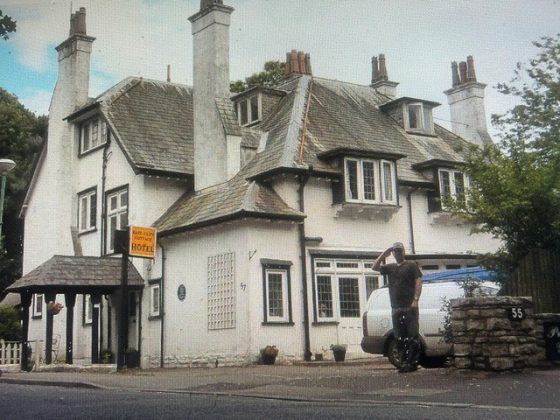
Sewart Granger’s childhood home, Bournemouth

Thi is Stewart Granger’s childhood home in Bournemouth on the south coast.

For about twenty years Stewart Granger played heroic and romantic leading roles. With a theatrical voice, commanding presence (he was 6′ 2″) and dignified profile he was made for films. He made the big time, moved to Santa Monica in California

 He lived in his hotel for a while though. His mum owned it (it’s called “East Cliff Cottage Hotel”) until her death in 1979. Stewart left here in his late teens when he went to work at the Birmingham Repertory Company.

East Cliff Cottage was built in 1895 and became the home of British actor Stewart Granger (6 May 1913 – 16 August 1993) with his  mother, Mrs. Lablanche Stewart, owning this property until 1979.

Stewart Granger was born James Lablanche Stewart but changed his name to avoid confusion with established American actor James Stewart when he entered the film industry. Stewart Granger is a mix of his surname and his Grandmother’s surname.

Stewart Granger is a mix of his surname and his Grandmother’s surname. While living in the hotel he aimed to become a doctor but a friend proposed the idea of earning some extra money by getting some stylish clothes and becoming a film extra. He surpassed that stage and became an in-demand star.

Retiring from acting he moved to Spain and went into property development. He’d smoked 60 cigarettes a day for forty years so it was no surprise that he was diagnosed with lung cancer and would die within weeks. An operation astounded doctors – he had tuberculosis, not cancer. He returned to acting and the west coast of America. Cancer took hold ultimately he died from prostrate and bone cancer aged 80.

posted by Movieman in Uncategorized and have Comments (4)