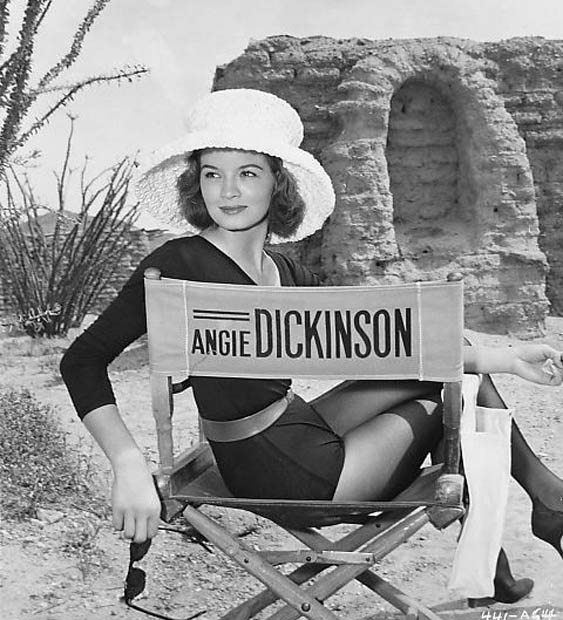
Just liked the look of this photograph of Angie Dickinson sitting in the sun on the set of the film Rio Bravo (1959).
Just liked the look of this photograph of Angie Dickinson sitting in the sun on the set of the film Rio Bravo (1959).
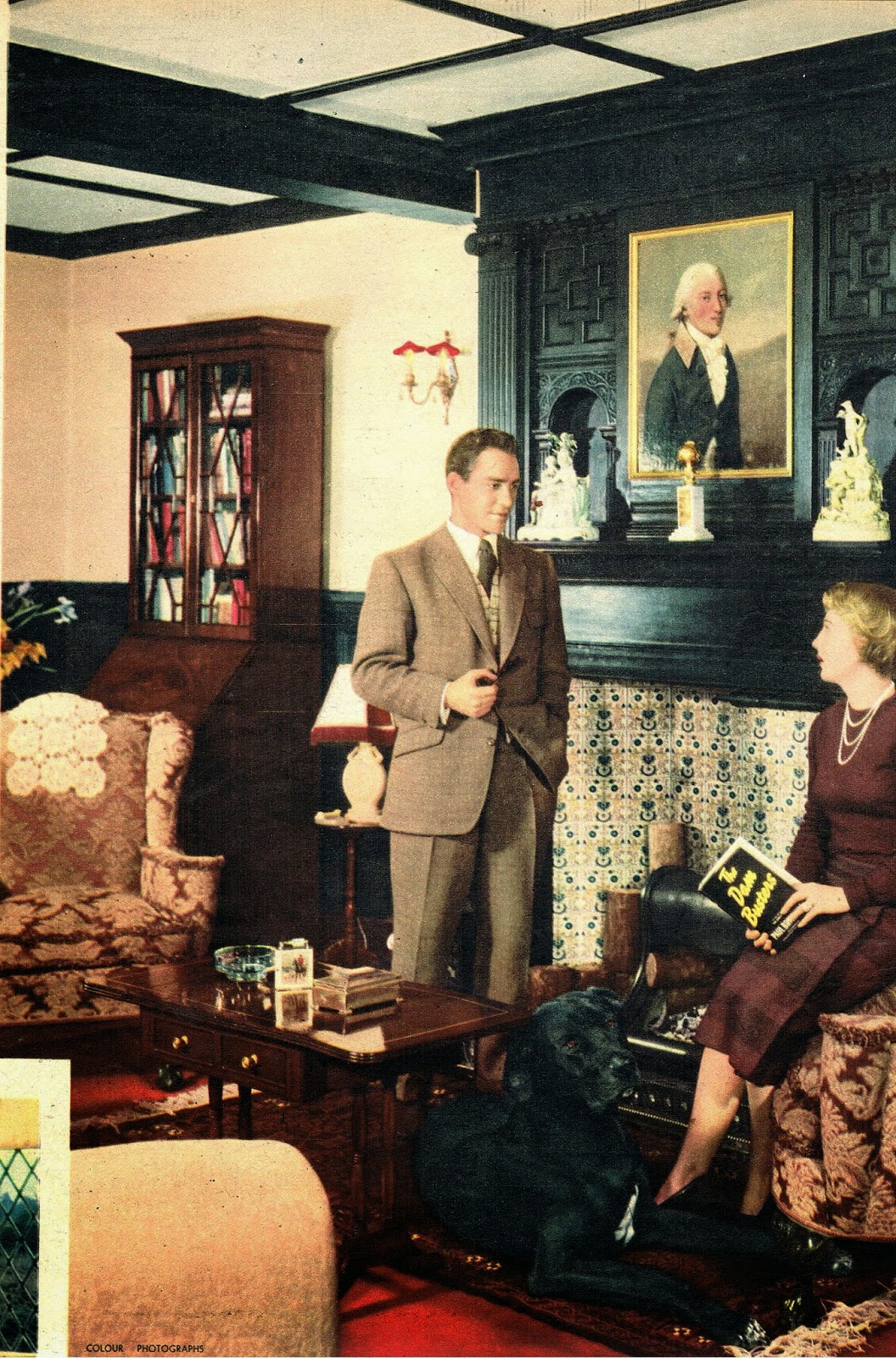 |
| Richard Todd with his wife Catherine and ‘Baron’ their dog. |
This is a section from an article in Woman magazine of early 1952. The writer had been to visit Richard Todd and his wife Kitty at the home they had recently moved into at Pinkneys Green, Maidenhead
Richard and Kitty were married in 1949 at St. Columba’s church, Pont Street, Chelsea. They had two children Peter and Fiona.
From the article it appears that Wayside House was in a bad state of repair when the film star and his Scottish wife first purchased it. The magazine reporter Edith Blair, goes into great detail about how Richard and Kitty spent many weeks rubbing turpentine and linseed oil into the wooden beams and eventually furnishing their new home.
Richard Todd’s Home at Pinkneys Green, Maidenhead
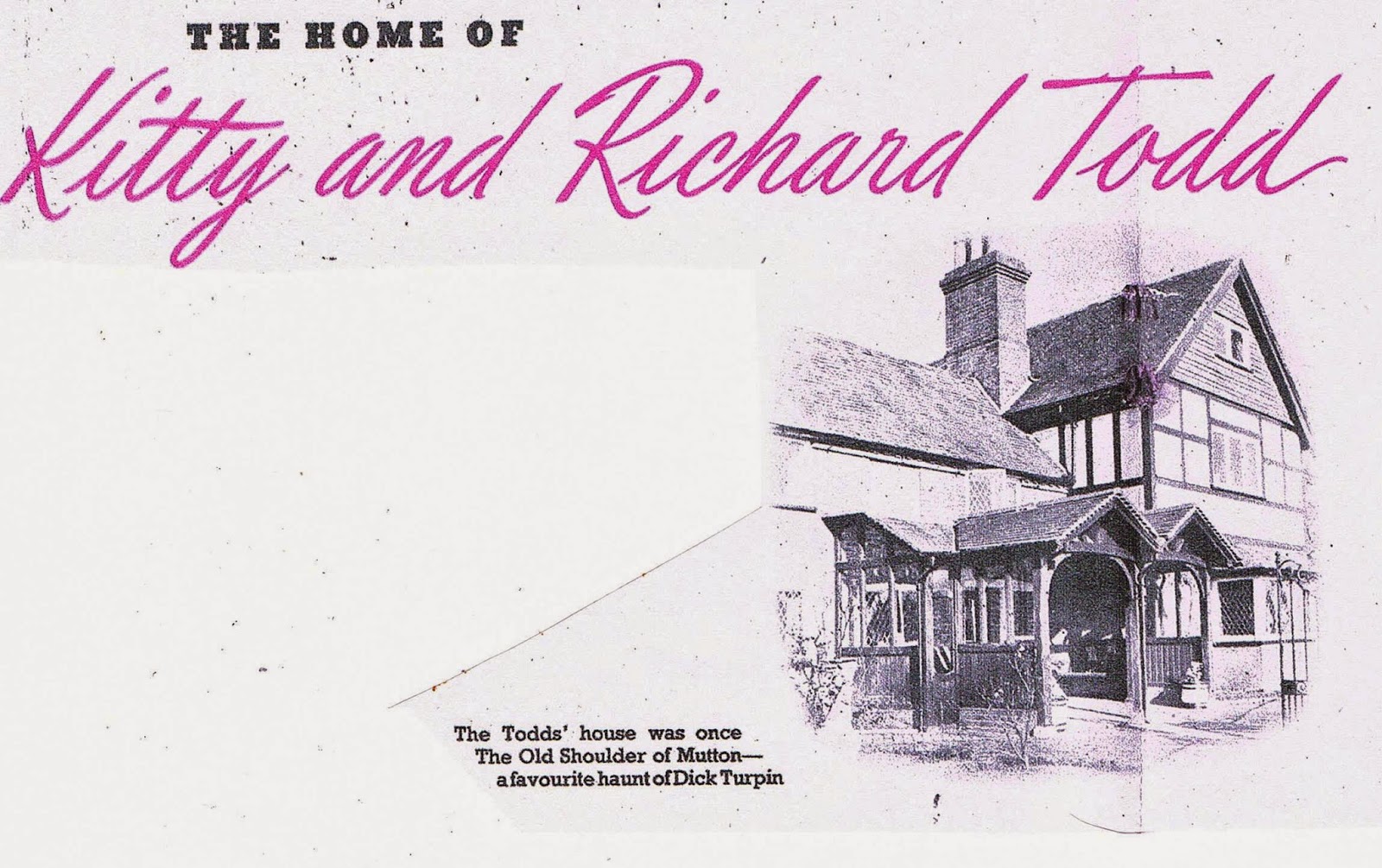
Richard and Kitty became the owners of Wayside House (their first house) at the end of September 1950. The following spring, Richard commenced filming of The Story of Robin Hood and His Merrie Men at nearby Denham Film Studios.
Who could ever forget this dramatic scene from The Great Escape – where Archibald Ives played by Angus Lennie is shot dead by German guards as he attempts to scale the outer fence and escape : 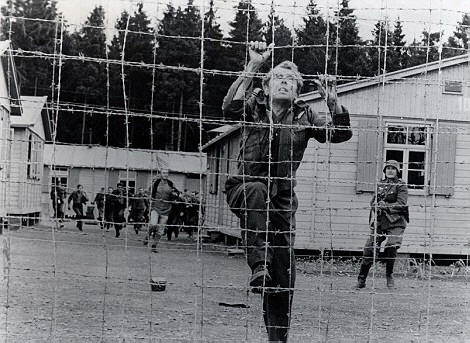
www.youtube.com/watch?feature=player_detailpage&v=utjMzurvz3k
Angus Lennie, the diminutive Scottish actor who played the “tunnel man” known as the Mole in the 1963 prison-camp movie “The Great Escape,” died on Sunday September 14th 2014, in a London Nursing Home. He was 84.
Mr. Lennie, who was not quite five and a half feet tall, was born in Glasgow on April 18, 1930, and began his career in show business as a dancer and a stand-up comedian. As an actor he was known in Britain for his appearances in numerous television series, but especially as Shughie McFee, in the very popular English TV series Crossroads.
He later appeared on Television in Doctor Who – at that time being played by Patrick Troughton – and in more recent time in Monarch of the Glen.

Above – Angus Lennie and Noele Gordon in Crossroads.
I wonder what year these would be for sale – probably early 50s OR late 40s even.
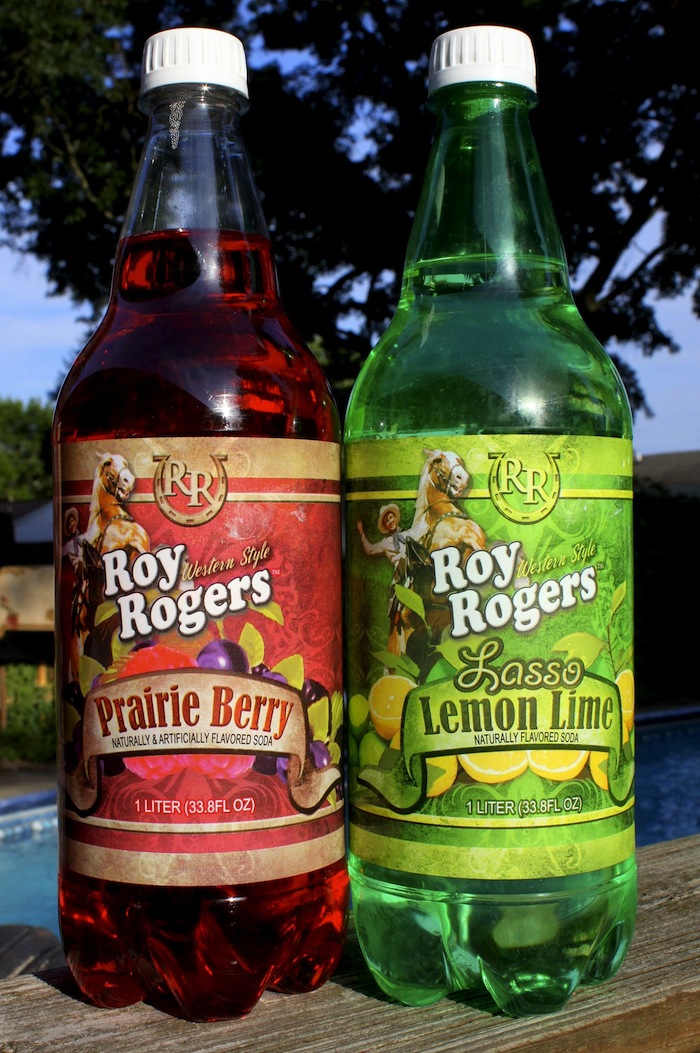
They do look appetising. Wonder if they are still on sale in the USA.
Prairie Berry and Lasso Lemon Lime. The other flavours not pictured are Sasparilla and Orange Wrangler.

A blue plaque commemorating film star Kay Kendall has been unveiled at her birthplace of Withernsea in East Yorkshire to mark the anniversary of her death.
Kay Kendall, who starred in films including Genevieve and Doctor in the House, died of leukaemia in 1959, aged 32.
The plaque, at her former home in Hull Road, Withernsea, was unveiled by her older sister Kim Campbell.
Kay Kendall married British actor Rex Harrison in 1957 after they met while filming The Constant Husband in 1955.
The unveiling was organised by The Music Hall Guild of Great Britain and America and The Theatre and Film Guild of Great Britain and America.

Tony Simpson, manager of Withernsea Lighthouse, which houses a Kay Kendall museum, said: “I think it is very important for Withernsea that we have this plaque.
“Kay was quite a remarkable woman. She was a very popular film actress both in the UK and the US.
“The plaque commemorates her life. It tells everybody that she was born in Withernsea and that she was brought up here.”
Withernsea.
Withernsea is a seaside resort town in the East Riding of Yorkshire, England. Its most famous landmark is the white inland lighthouse rising around 127 feet above Hull Road. The lighthouse – no longer active – now houses a museum to the actress Kay Kendall who was born and grew up in the toen.
The Prime Meridian crosses the coast to the north-west of Withernsea.
Withernsea parish had a population of 6,159.
Withernsea is mentioned in the Domesday book completed in 1086. According to the listing, the population consisted of 14 villagers, 7 smallholders, 10 freemen and 2 priests. By the mid 15th century the original village of Withernsea was washed away by the constant errosion of the sea. The villagers moved further inland and started to build a new Withernsea where the town is today. In 1488 a new church was begun on the site of the present St Nicholas Church. The church was abandoned in the early 17th century after the roof was destroyed in a storm. In 1858-59 the church was restored. The church is built of local cobble collected from the beach.
In the pre railway days Withernsea was a small village with a population of about 120. In 1852 Anthony Bannister proposed building a railway line to link Hull with the rich agricultural area of South Holderness, and to develop Withernsea into a new seaside resort.
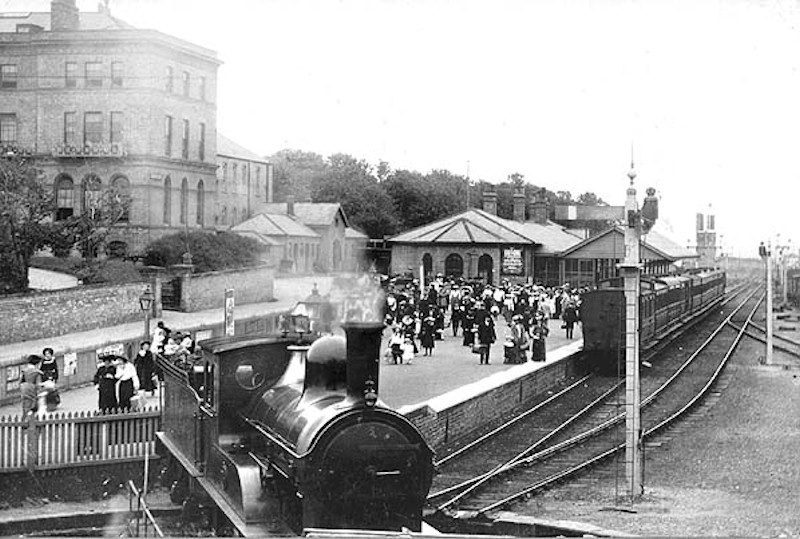
Withernsea Train Station. (Christopher Ketchell Collection, original Photo by Wellsted & Son)
The railway line was constructed as a single track line between Withernsea and Hull Victoria Dock station. Construction of the line in the flat and open Holderness plain was rapid and the line of 18 miles had it’s grand opening on the 27th June 1854. With the railway, commuters were conveyed to work in Hull, but more importantly for the town, it provided a cheap and convenient holiday for Victorian workers and their families who came to Withernsea in their thousands.
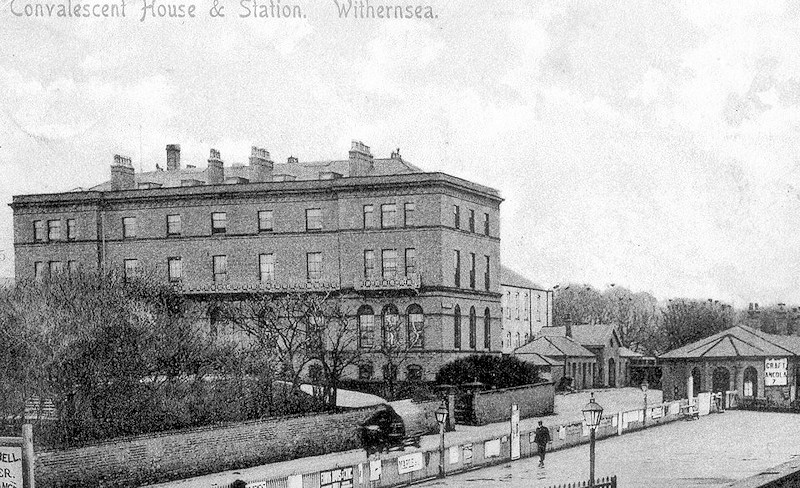
In 1855 a prestigious three storey hotel was opened next to the station to accomodate the hoards of new holiday makers. The hotel was used as a hospital/convalescent home after 1902, with patients taking advantage of the clean fresh sea air.
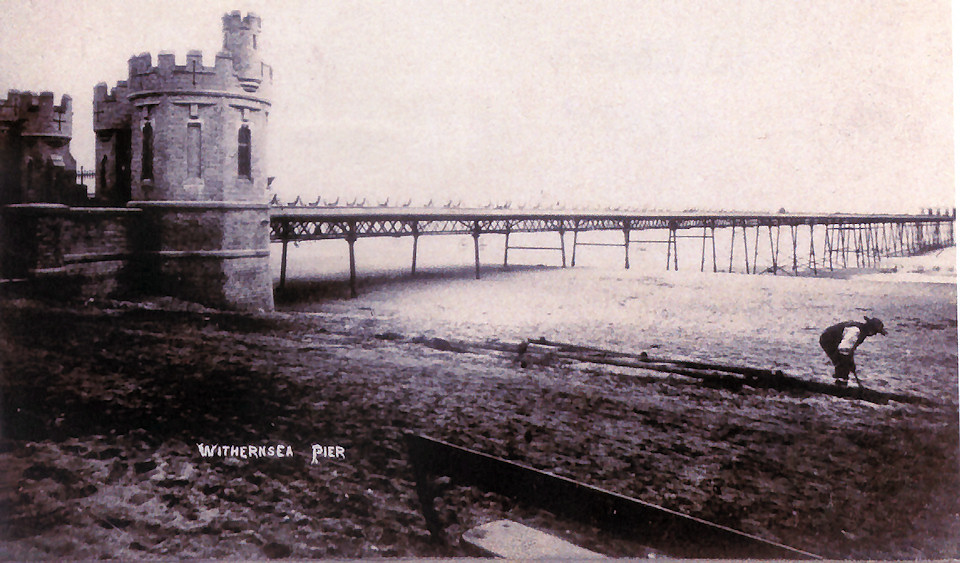 Work began on Withernsea Pier in 1875 with Thomas Cargill as the engineer. By August 1877 the work was completed having cost £12.000 to build. It opened in 1878 charging 1 penny for admission. At the pier entrance, a large castle gataway was errected, and its ornate iron girders reached 1196 ft across the beach out to sea.
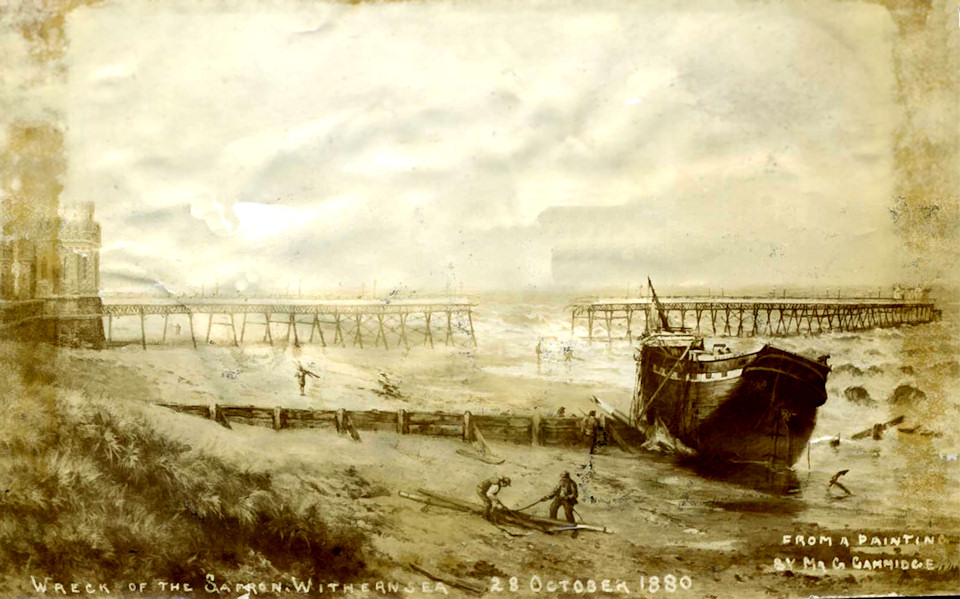
The pier suffered damage in the great storm of 1880 when the coal barge “Saffron” punched a 200ft hole through the middle, and the “Jabez” hit the end of the pier. Many ships collided with it over the next few years. In 1890 it was hit by the fishing boat “Genesta” destroying more than half the pier. In 1893 it was struck by the Grimsby bound Henry Parr. The piles of the pier were knocked down span after span until there were only 50ft remaining of the once grand pier. In 1903 the last remains of the pier were removed during the construction of the sea wall and the promenade. All that remains today is the Pier towers and a model of the pier on the promenade.
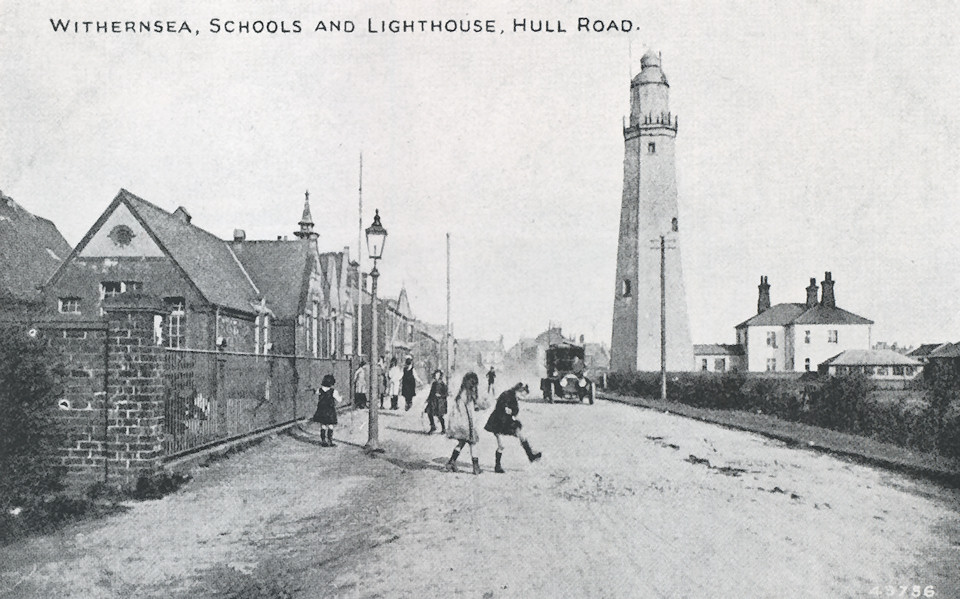
Owthorne Board School (now the Withernsea Junior School) was opened on the 22nd April 1878. Mr Joseph Sissons was appointed as the first head master and remained in charge of the school until 1913. Initially there were 2 members of staff and 103 pupils. By the turn of the century there were 5 members of staff and 265 children.
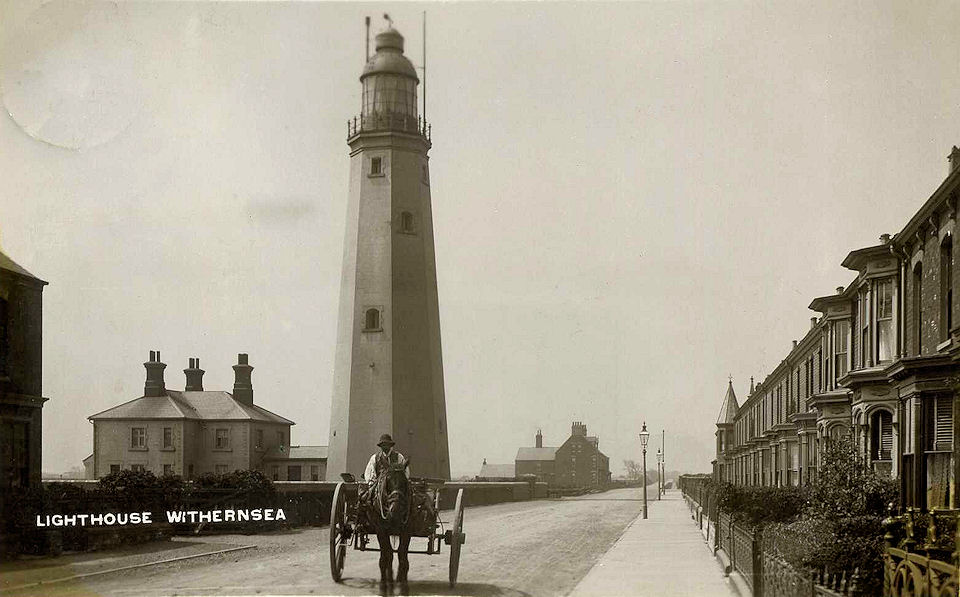
The lighthouse was built during 1892 and 1893, over a period of just 18 months. It was opened on 1st March 1894, sadly too late to save the pier. The lighthouse is built of bricks and concrete in an octagonal shape, although the inside of the lighthouse is round. It stands at 120 feet high with a huge weathervane on top, and is the only lighthouse with a town between itself and the sea. The light is 113 feet above the ground and was first lit in March 1894. For 82 years the lighthouse guided ships to safety before it was finally turned off in July 1976.
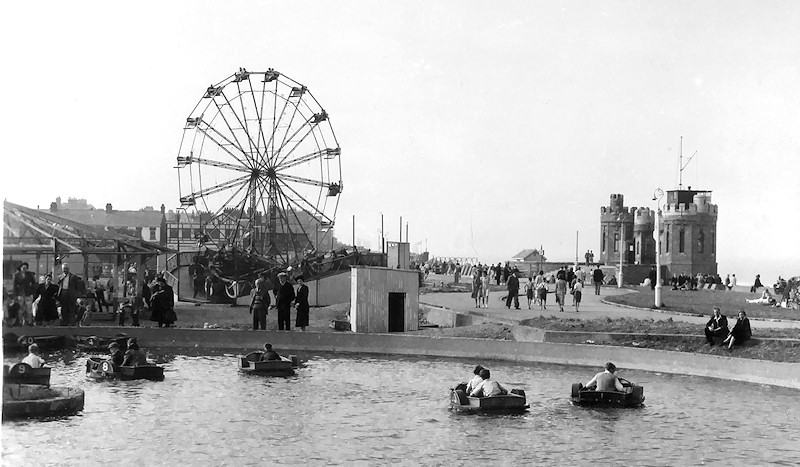
The most prominent feature of the Withernsea Pleasure Ground was the big whele, but the grounds also had a boating lake a mini railway, helter skelter, dodgems and several other rides.

The open air bathing pool at the end of Lee Avenue was opened in 1911. It was built by Mr Vickers Walker and leased to the town council with the understanding that it would be used only as a swimming pool. Originally it was filled with sea water, but later this was replaced with fresh water.
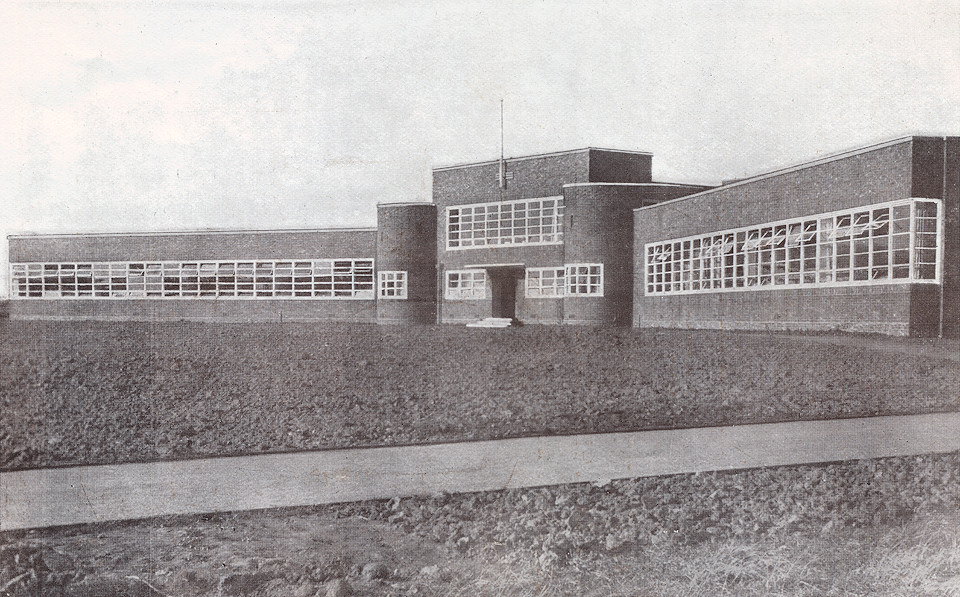
The new Withernsea Central School building opened on the 12th July 1934. The school was first opened in temporary wooden buildings on the 5th September 1921, starting off with 140 pupils and 5 members of staff. The ground surrounding the school had been used as allotments, and was initially in a pretty rough state.
This is now part of Withernsea Primary School.
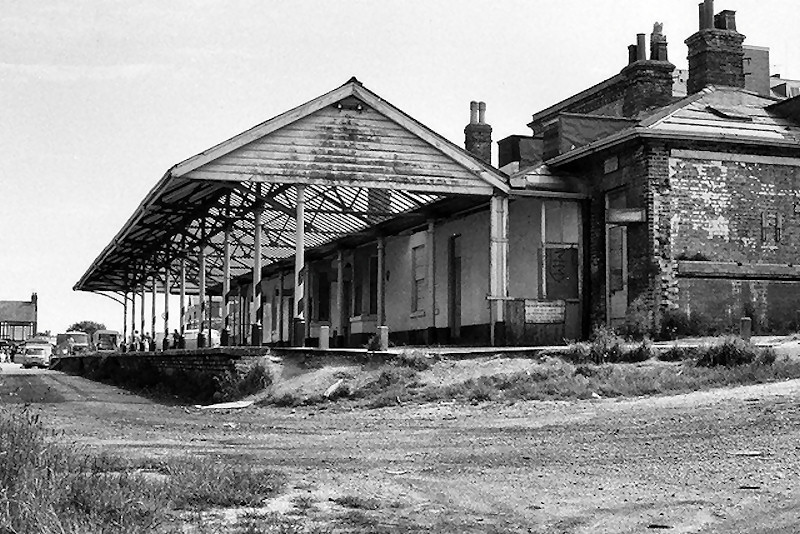
The last passenger train left Withernsea station on 19 October 1964. Goods traffic continued to use the whole line until 3 May 1965
when the line was finally shut after 110 years of use.

She went on to the Rank Charm School before joining Rank’s repertory company at Worthing, where her performances in As You Like It and White Heather won high praise.


 She was the fragile, delicate, Lucy, Christopher Lee’s ill-fated victim, in the 1958 Hammer production of Dracula, the first colour version of Bram Stoker’s classic.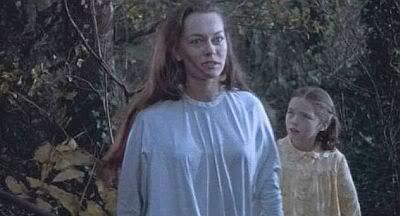
.jpg)
 These Peter Ellenshaw Matte Shots from Third Man on the Mountain 1959 Walt Disney. According to Ken Annakin – the film director – in his Autobiography that when the film had a first showing these shots were so realistic that members of the audience had to leave the cinema suffering with vertigo. Just take a look at the pictures and you can imagine why when this was viewed on the big wide screen.
Peter Ellenshaw added Disney movie magic to the film, designing matte paintings for scenes like in the above two with dizzying downward shots that would have been impossible to capture with the film cameras.
This is a must see for all fans of Steve Reeves – both Hercules and Hercules Unchained a year later

The film starts off with a runaway chariot carrying a damsel in distress, Jole, princess and future bride of Hercules (played by Sylvia Koscina) next we see and hear a tree being uprooted and the next scene we see Hercules carrying the tree and throws it in front of the chariot stopping the horses. The exhausted Jole faints in the arms of Hercules.
Later in the film we see Hercules perform the Labours of Hercules, defeat the Cretan Bull, the Nemian Lion and help Jason find the Golden Fleece and then coming to Jason and his Argonauts rescue as they are being defeated by the evil king. We see Hercules pull chains from the wall and then use them as a weapon to defeat the Kings army first by taking out the evil adversaries one by one and then by wrapping the chains around two pillars supporting the Temple and pulling the Temple down, killing the remainder of the Kings men.
Overall, a good, fun film. To the critics though, you won’t find a great plot or academy award winning acting but after all, as has been said many times before, people come to the cinema to be entertained.
Hercules went on a big box office hit of its time and propelled Steve Reeves into one of the highest paid actors for a short time.
Steve Reeves
In 1957, SteveReeves went to Italy and played the lead character in Hercules a relatively low-budget epic based loosely on the tales of Jason and the Argonauts, though inserting Hercules into the lead role. The film was a major box-office success, grossing $5m in the United States alone in 1959. Its commercial success led to a 1959 sequel Hercules Unchained – a film I remember well from my teenage years – in point of fact I remember this one better than the Hercules film.
From 1959 through 1964, Reeves went on to appear in a string of sword and sandal films each shot on relatively small budgets,and although he is best known for his portrayal of Hercules, he played the character only twice.
Interesting foot-note though – In Hercules Unchained, Steve Reeves fights with Primo Carnera the former World Heavyweight Boxing Contender – and although difficult to believe he actually won !!
This was Primo Carnera’s last film – he died not long after this film was made
By 1960, Reeves was ranked as the number-one, box-office draw in twenty-five countries around the world.
What a wonderful picture this is taken on 14th August 2014 of the last two flying Lancaster Bombers on the runway at RAF Coningsby in Lincolnshire which is very close to their original Woodhall Spa wartime home. The 1955 film The Dambusters has been featured on here before but this picture just tends to remind us – as the film did so well – what it was really like to see these aircraft lining up to take off. In those days sadly they would be going into danger and many would not return. These two have come back to their home county 70 years later.


Lauren Bacall has died aged 89 at her home in New York marking in many ways the end of an era. She had become star in the late 40s following her teaming with Humphrey Bogart in To Have and to Have Not quickly followed by The Big Sleep and Key Largo – a man she later married and with whom she had two children but he sadly died in 1957 after just 11 years of marriage. She certainly hit the ground running with these Warner Brothers films thus ensuring her status in the great Hollywood era that by this time was almost at an end as we had known it.

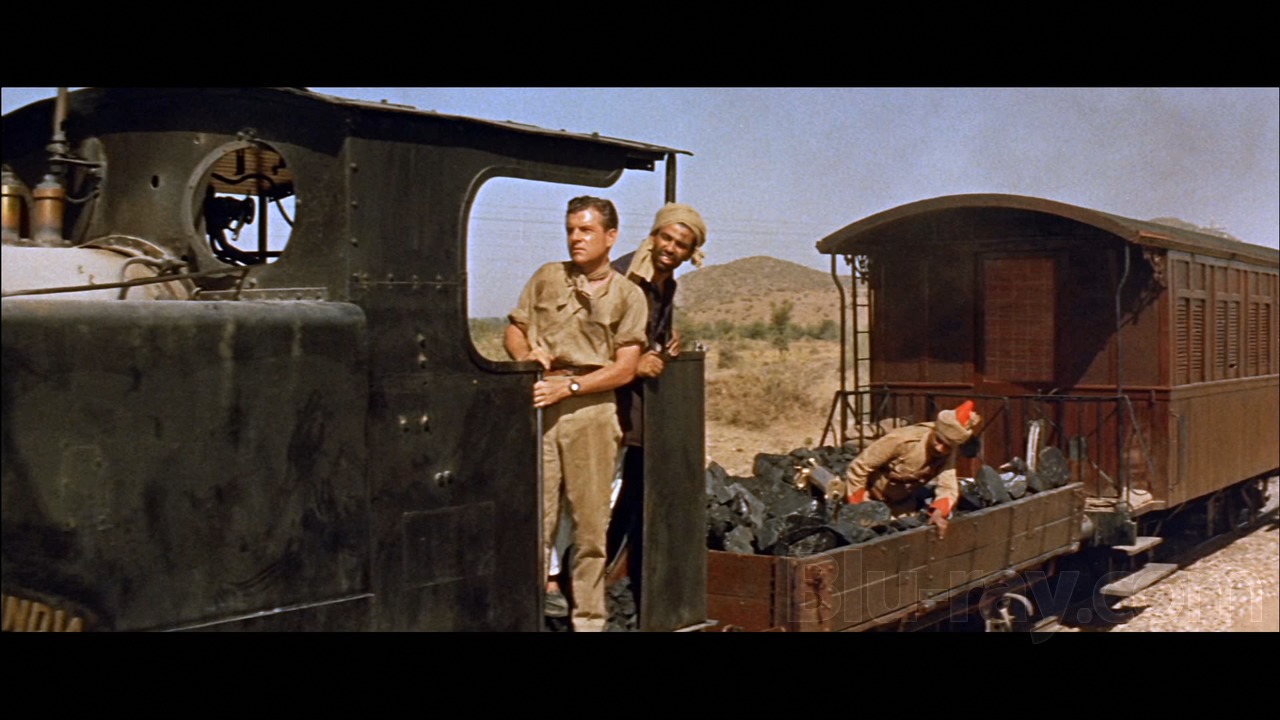
However as this Blog is about Fifties films, one I will remember is an British film North West Frontier (1959) which was released as Flame over India in the USA. The film also starred Kenneth More, Wilfrid Hyde-Whyte, Herbert Lom and I.S. Johar as Gupta in a brilliant portrayal as the Indian Train driver who takes un on a thrilling rail ride through India pursued by rebels who want to capture the young prince they are helping escape. It wasn’t the strongest part for Lauren Bacall and the romantic storyline for her and Kenneth More didn’t seem plausible but nevertheless she was, as she always was , very good but under used. It is a very exciting film with a great railway chase that takes up much of the film.


This film is a thoroughly enjoyable historical adventure yarn set in colonial India, directed with great tempo and suspense by J Lee Thompson.
1905, British officer Scott (Kenneth More) comes to the aid of six-year-old Hindu Prince Kishnan (Govind Raja Ross) and his governess Catherine (Lauren Bacall) whose lives are threatened by an uprising of rebel Moslem tribesmen attacking a British fortress. Captain Scott commandeers an old steam locomotive, the Empress of India, engineered by the sincere Gupta (I.S. Johar) they embark on a perilous 300-mile journey across enemy territory to the safety of Kalapur. Also along for the perilous ride are gentlemanly English diplomat Bridie (Wilfrid Hyde-White), cynical journalist Van Layden (Herbert Lom) and arms dealer Peters (Eugene Deckers), as they journey through a massacre, repair broken rails, traverse rickety bridges and evade marauding tribesmen. A sinister moment when the young prince is encouraged to dangerously play with a spinning flywheel gives forewarning of a traitor in their midst who might prove their biggest danger.