Lex Barker – Tarzan of course !!


Lex Barker was apparently the 10th actor to play the role of Tarzan in Hollywood

His full name was Alexander Crichlow Barker Jr. He succeeded Johnny Weissmuller, the Olympic swimming star, in the Tarzan role in 1949 after  Johnny had played it for some 17 years.

Lex Barker

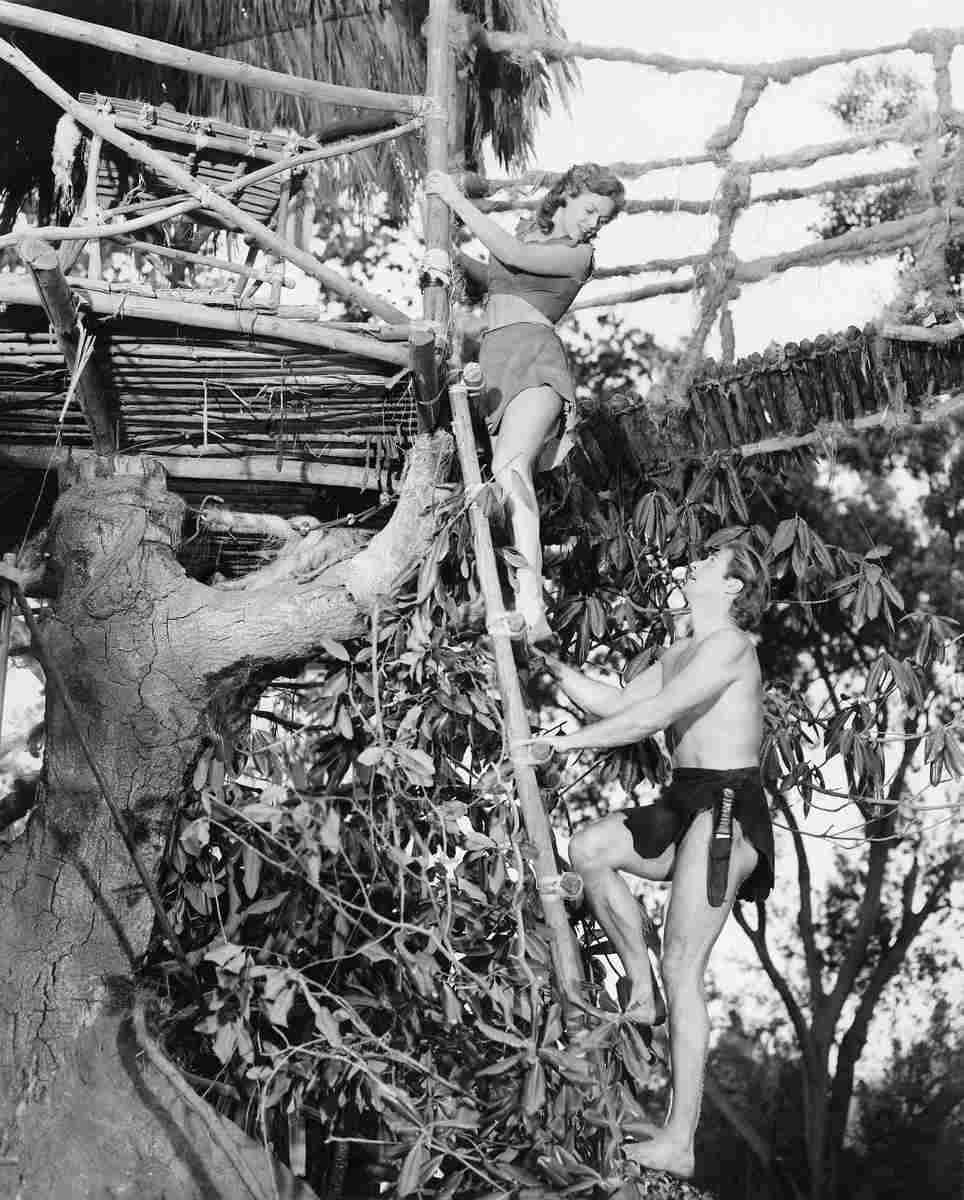
Tarzan and the She Devil

ABOVE – Tarzan and the She Devil – I just love that tree house – here with Jane played by Joyce MacKenzie – the only time she played the role. She retired from films in 1960 and later became a teacher

He was born in New York and educated at Phillips Exeter Academy and at Princeton University, and had had considerable training as an actor before Sol Lesser, the Hollywood producer, signed him for the Tarzan role.

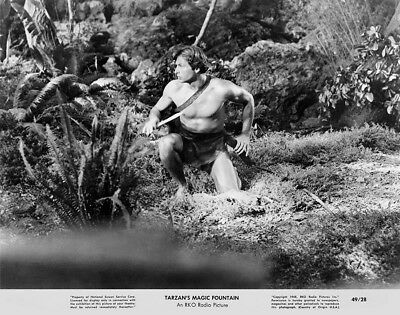
He appeared in summer stock and briefly on Broadway before he tried the Hollywood film factories in 1945. He had small roles in “The Farmer’s Daughter,” “Mr. Blandings Builds His Dream House” and “Velvet Touch,” and then made his first Tarzan film, “Tarzan’s Magic Fountain.”

Tarzans Magic Fountain

This one is my own favourite of the Lex Barker Tarzan films – although the others were all pretty good – I just wished that the films had been made in colour as they could easily have been.    I reckon they would have had a much stronger appeal and given the films an impressive look if we could have seen those jungle locations in Technicolor which, as I have said many times before – produced a colour which has never been bettered in my opinion.

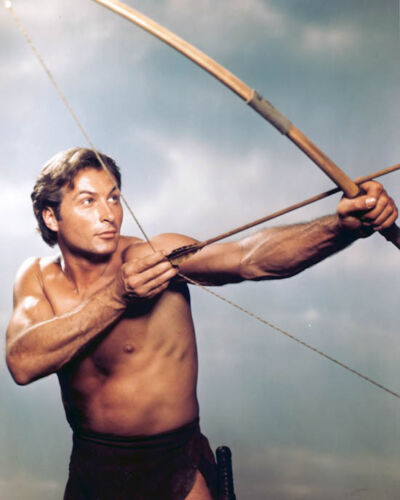
Tarzans Magic Fountain 2

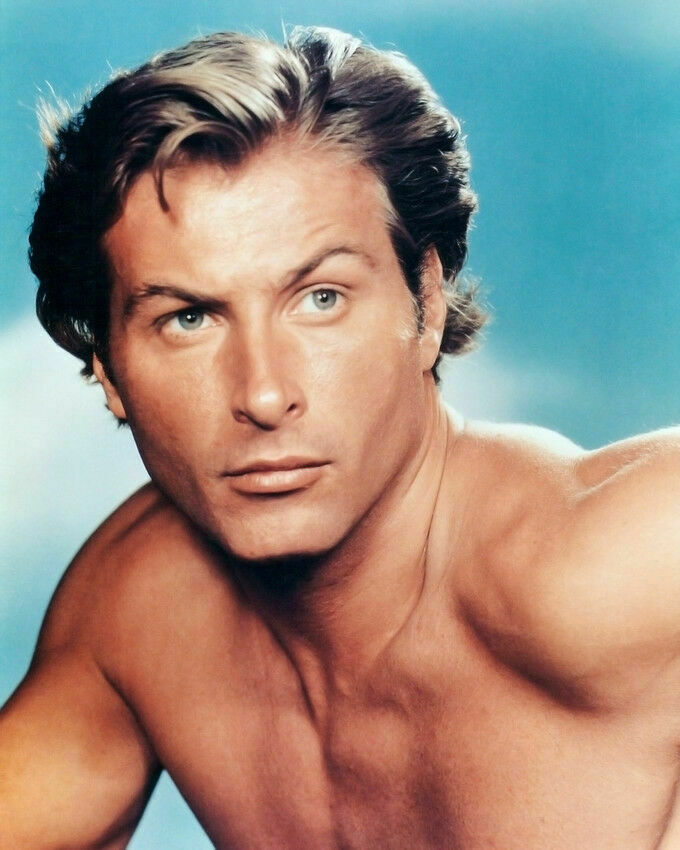
I wonder if any of them have been colorised – well at least the publicity still above is in Colour

Lex Barker dropped the Tarzan role, and eventually made his way to Europe and particularly in Germany  where he became a top boxoffice star.

Lex Barker 2

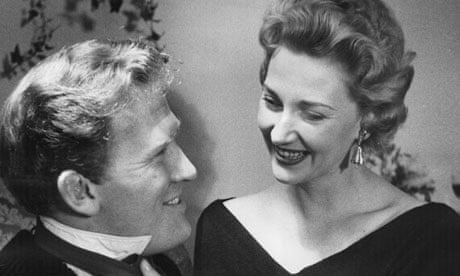
The ABOVE picture is in the early fifties during his Tarzan Years. Here he is on the occasion of Lex Barker and Arlene Dahl’s engagement chatting to actress and dancer Ann Miller

Here BELOW is an interview given by Arlene Dahl many years later. Her marriage to Lex Barker was quite short but she obviously still thought a lot of him :

What do you think about Tarzan?

I thought it was fabulous that he was Tarzan. He got me exercising with him every day. He had a fabulous physique, he was very proud of it and he worked a lot to keep it that way. I didn’t see him in the studio as Tarzan and I couldn’t go to be with him in Africa because I was making films under contract — I had just signed a contract with Paramount. When he came back I was filming every day in the Paramount studios. All of this worked against our marriage.

Looking at the book Tarzan and Hollywood you saw many familiar faces again. What can you say about producer Sol Lesser?

Sol gave Lex a bonus that he could use for his honeymoon. Sol Lesser was not very generous with his contract with Lex. I never asked Lex how much he was making. He certainly wasn’t making a lot of money, even though he was the star of Tarzan. Sol Lesser was not very generous that way, but because of all the publicity and everything he gave the bonus to Lex to use for the honeymoon, which I thought was very nice, of course! But I met Sol Lesser on various occasions. He never gave parties or anything like that, he was a businessman. The bottom line was the most important thing for him. Lex wanted me to go with him to Africa. I don’t know if Sol Lesser would have picked up the tab or not. It never came up because I was just put under contract for three pictures to Paramount and one of them started almost immediately. I never had a chance to go to Africa. I think had I gone to Africa we would probably still be together. Who knows? That’s life!

Have you ever met Johnny Weissmuller?

Oh, yes…

How was he different compared to Lex?

Completely different. The only thing they had in common was the great physiques. But Weissmuller was not as social as Lex. He didn’t go out very much. He was a very nice man, but he was not very social. And he didn’t go to the big Hollywood parties and so on.

The last question: what place does Lex Barker hold in your life today?

I only have to close my eyes and I can hear his voice in my mind. Lex is already and always a part of my life.


posted by Movieman in Uncategorized and have Comments (4)

‘Master of the World’ and ‘On The Fiddle’

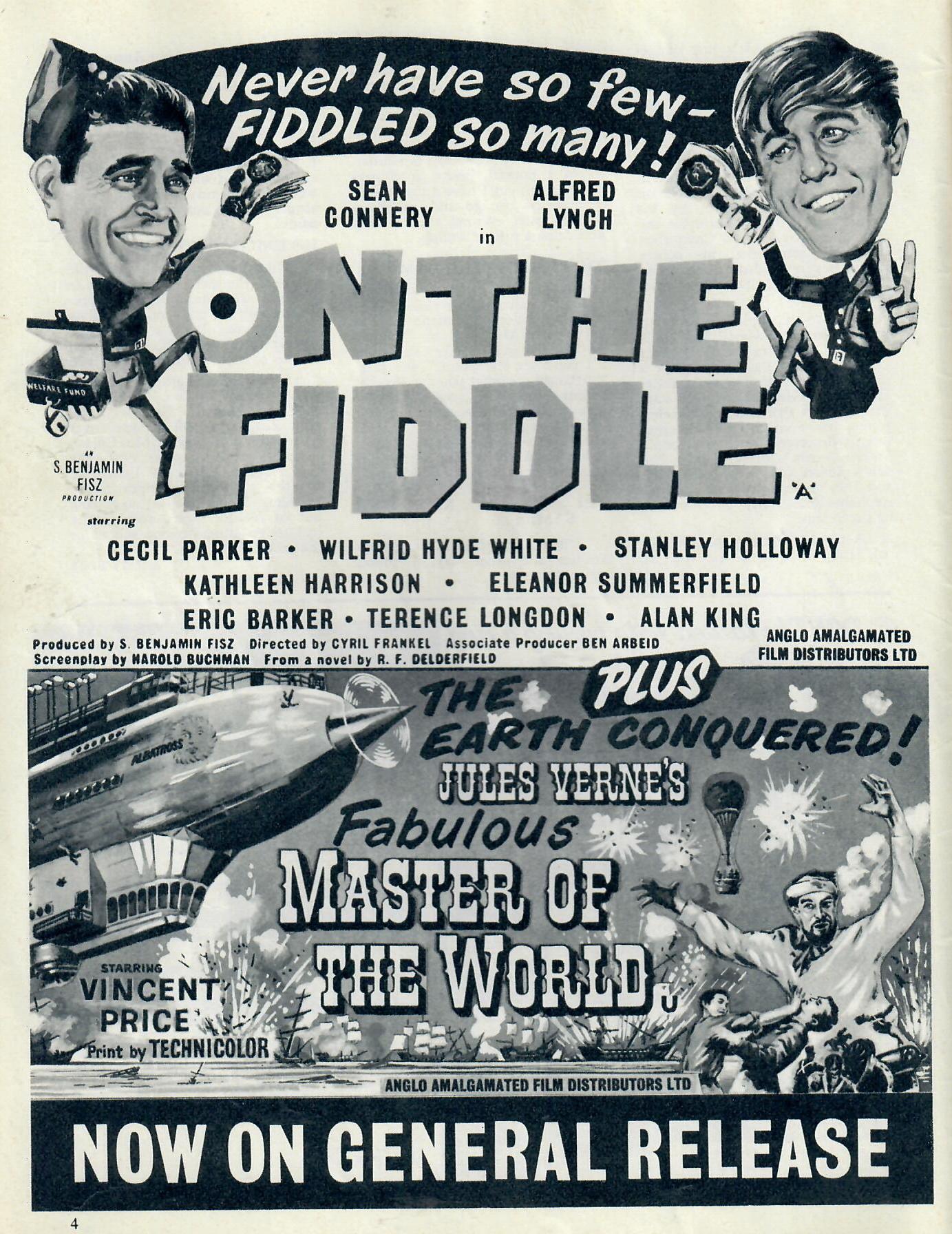
This programme had these two very different films showing on the same bill but maybe that’s a good idea.

‘On The Fiddle’ had a big cast of well  known British stars with Sean Connery and Alfred Lynch who shared top billing – but also it had Cecil Parker, Wilfrid Hyde White, Stanley Holloway – and the list goes on. It even includes John Le Mesurier – but then again in those days he cropped up a great many films. He was always good though.


On The Fiddle


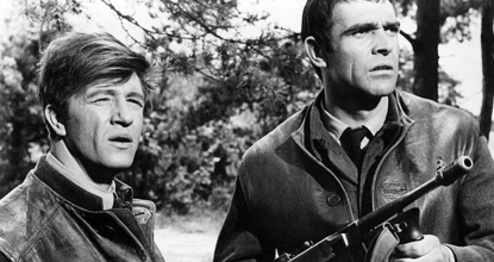
ABOVE:  Alfred Lynch and Sean Connery

Alfred Lynch had a  chirpy, unaffected appeal with a lot of charm, and on screen he will be remembered as the cockney soldier who, Bilko-like, devises scams and avoids active service in On the Fiddle (1961). He was top-billed in the comedy above Sean Connery, who played the gypsy friend Lynch recruits to help him fleece the soldiers by such schemes as selling rations and leave passes

Sean Connery was just a year away from playing James Bond in Dr. No

Double Bill 3


‘Master of the World’ starred Vincent Price who specialised in this type of role where he could really let rip in his own inimitable style, a mixture of hammy, camp and tongue in cheek – but somehow an appealing style.

Vincent Price

Vincent Price does his usual hammy bit, and if you like Vincent Price you will probably like the film.  He has made better films though such as “The Raven” and “The House On Haunted Hill”

Interesting to see Charles Bronson  in this film, where he plays John Strock -probably far from the best role he ever played in his career

Vincent Price 2

Vincent Price plays Robur, a mad inventor who has much the same anti-war mission as Captain Nemo in 20 Thousand Leagues Under The Sea – he captains a giant flying machine rather than a submarine, and flies around the world trying to end war by the threat of mass destruction.

The Film uses a lot of stock footage as it has been made on a limited budget

posted by Movieman in Uncategorized and have Comments (10)

Hand In Hand 1961 More Pictures from the Film

I certainly got myself very interested in this film after doing the article yesterday – and I have again to thank David Rayner – a regular contributor to this Blog  very much indeed for filling in some details about this one that I did not know.

David let me have the following information :-

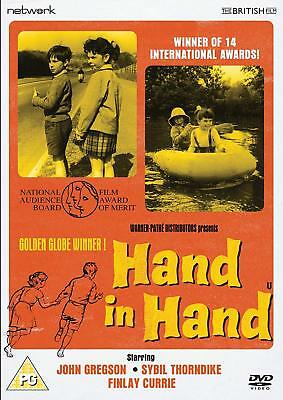
Although the film was made in the spring of 1960, under the title ‘The Star and The Cross’, Warner-Pathe couldn’t decide what to do with it. So it was left on the shelf for three years in this country, finally going out on the ABC circuit in April, 1963, as the support to the Tony Hancock comedy ‘The Punch and Judy Man’. Conversely, Columbia Pictures picked it up for distribution in the United States in 1961, so the Americans got to see it before the Brits. It’s a totally unique and wonderful film and you should get the Network DVD of it and see it for yourself. I have a large number of publicity stills for it, as well as theme music on a Decca 45 rpm single by Stanley Black, his Piano and Orchestra, that was released in April, 1963.


As far as I know, Loretta Parry is still with us at the age of 68, but unfortunately, Philip Needs passed away after a long illness in March, 2016, aged 65.

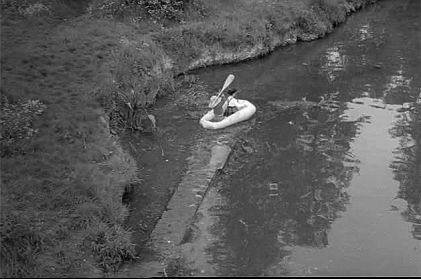
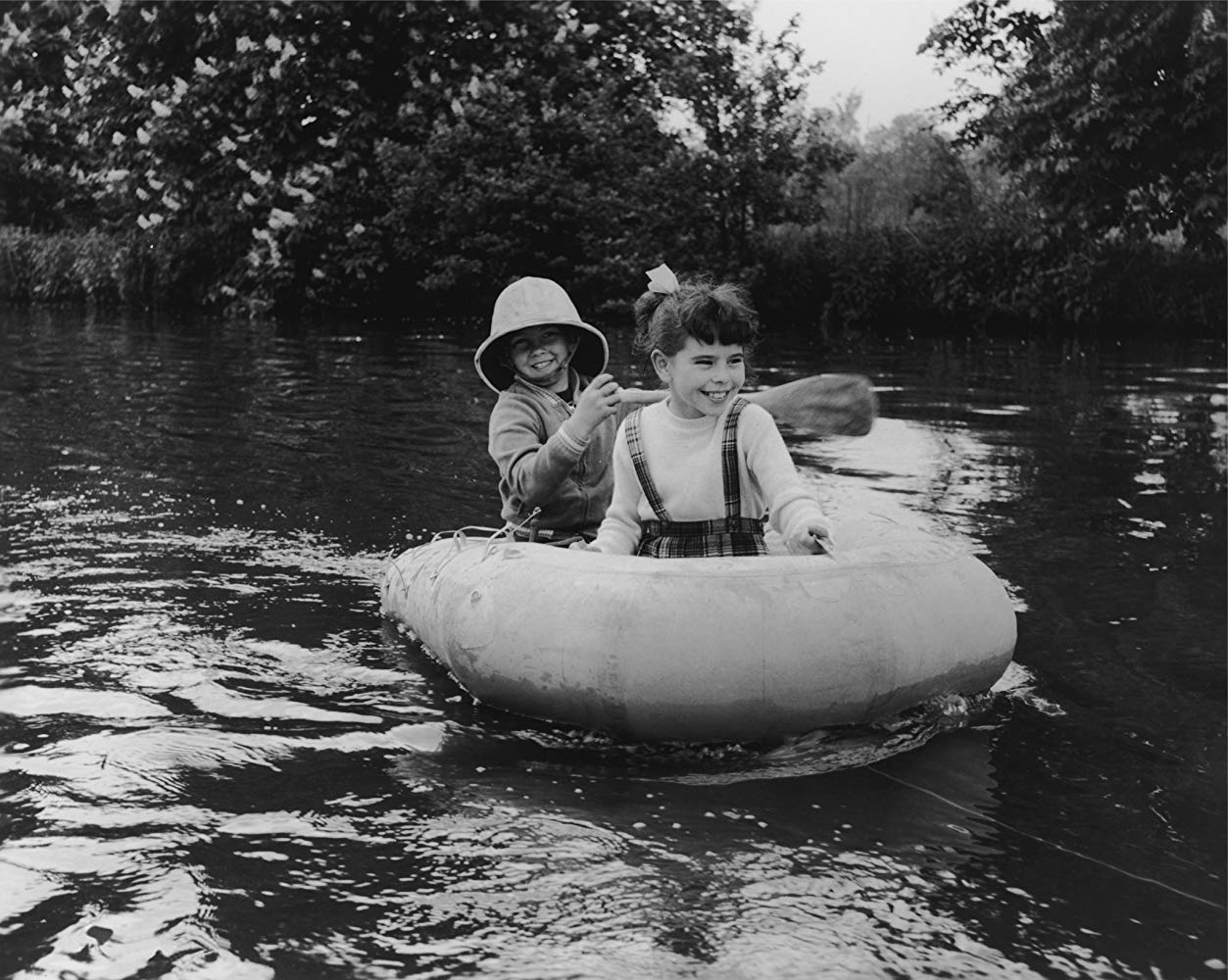
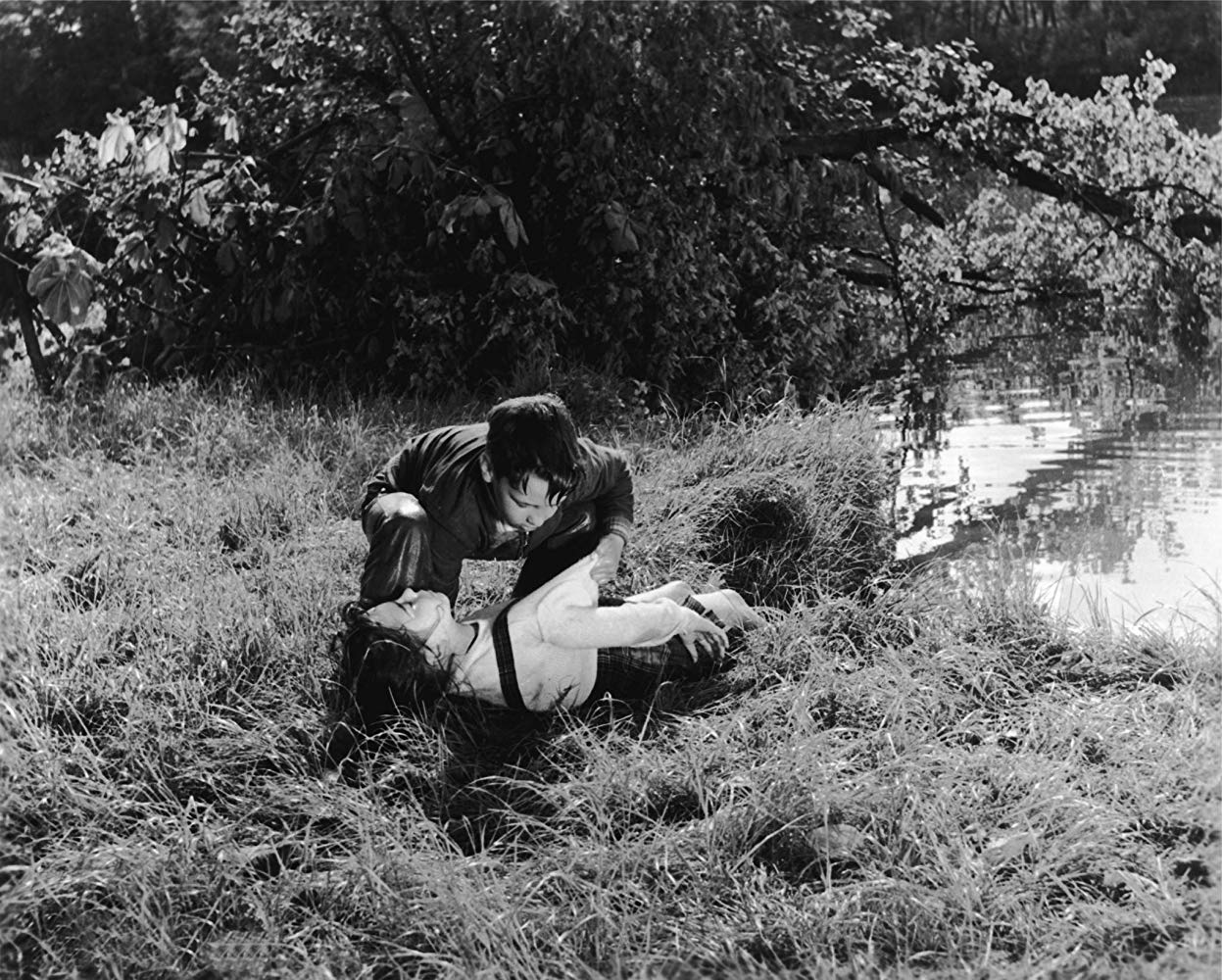
The two youngsters played by Philip Needs and Loretta Parry decide to run away together and start their journey in a small rowing boat – but not long into their voyage the boat capsizes

Hand In Hand 1961 11

Setting Off for Africa ABOVE

Hand In Hand 1961 3

They look to be going well – but then come to a weir and go over it with dangerous consequences

Hand In Hand 1961 2

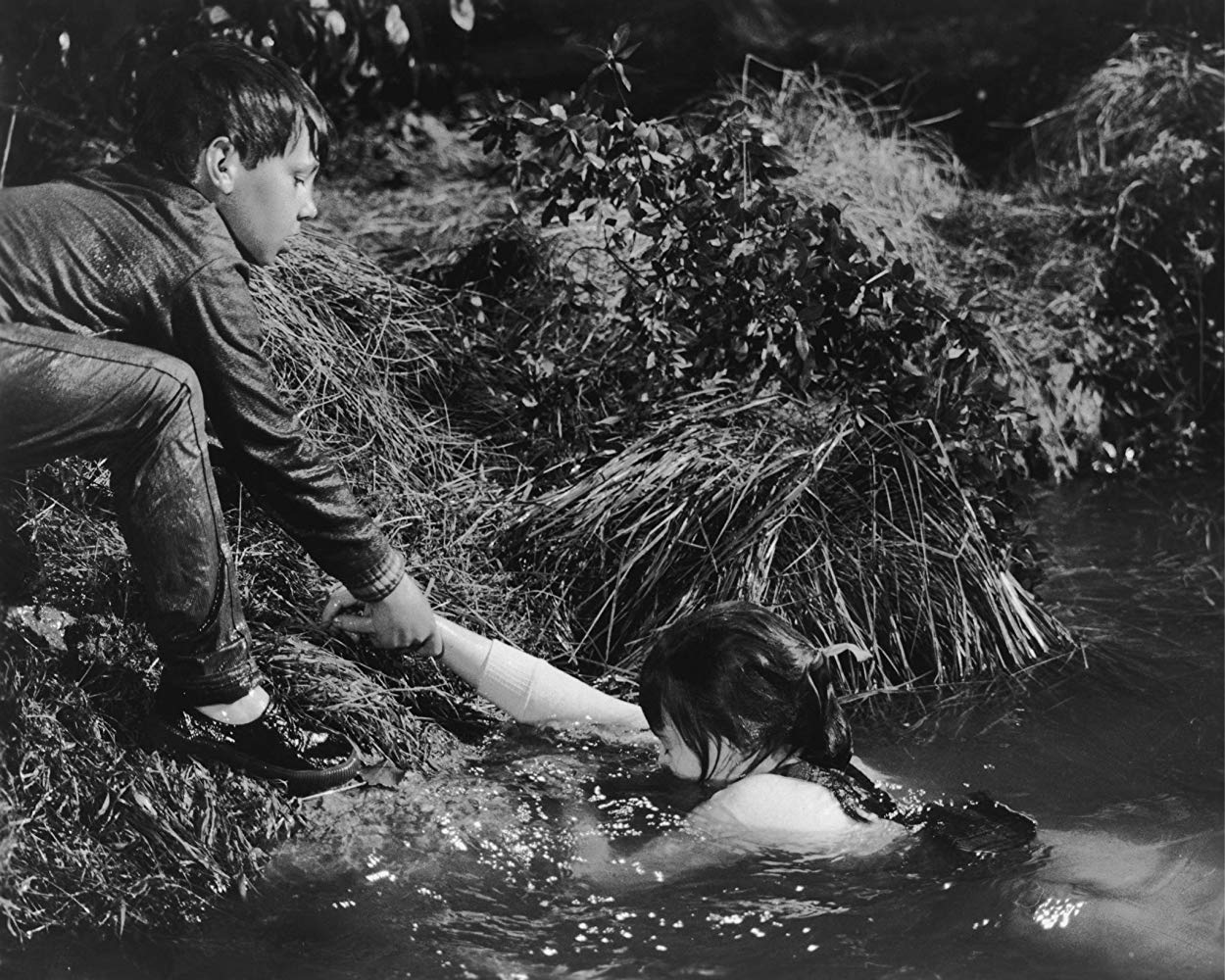
Michael pulls Rachel from the water ABOVE

Hand In Hand 1961

Michael pulls Rachel onto safer ground

Hand In Hand 1961 12


Michael runs for help ABOVE

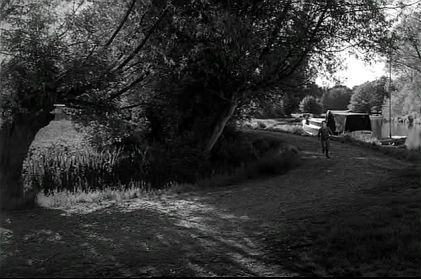
All of this was filmed in and around St.Albans

Just to whet your appetite for the film –  the Trailer can be viewed on Youtube – and very good it is. Please take a look !!

Hand in Hand 1961


posted by Movieman in Uncategorized and have Comments (2)

Hand In Hand 1961 – John Gregson

This is not a film I know at all – but when I read the Reviews on IMDB it seems that I will just have to see it.

It seems from what I have read that this is a film in some ways similar to ‘John and Julie’

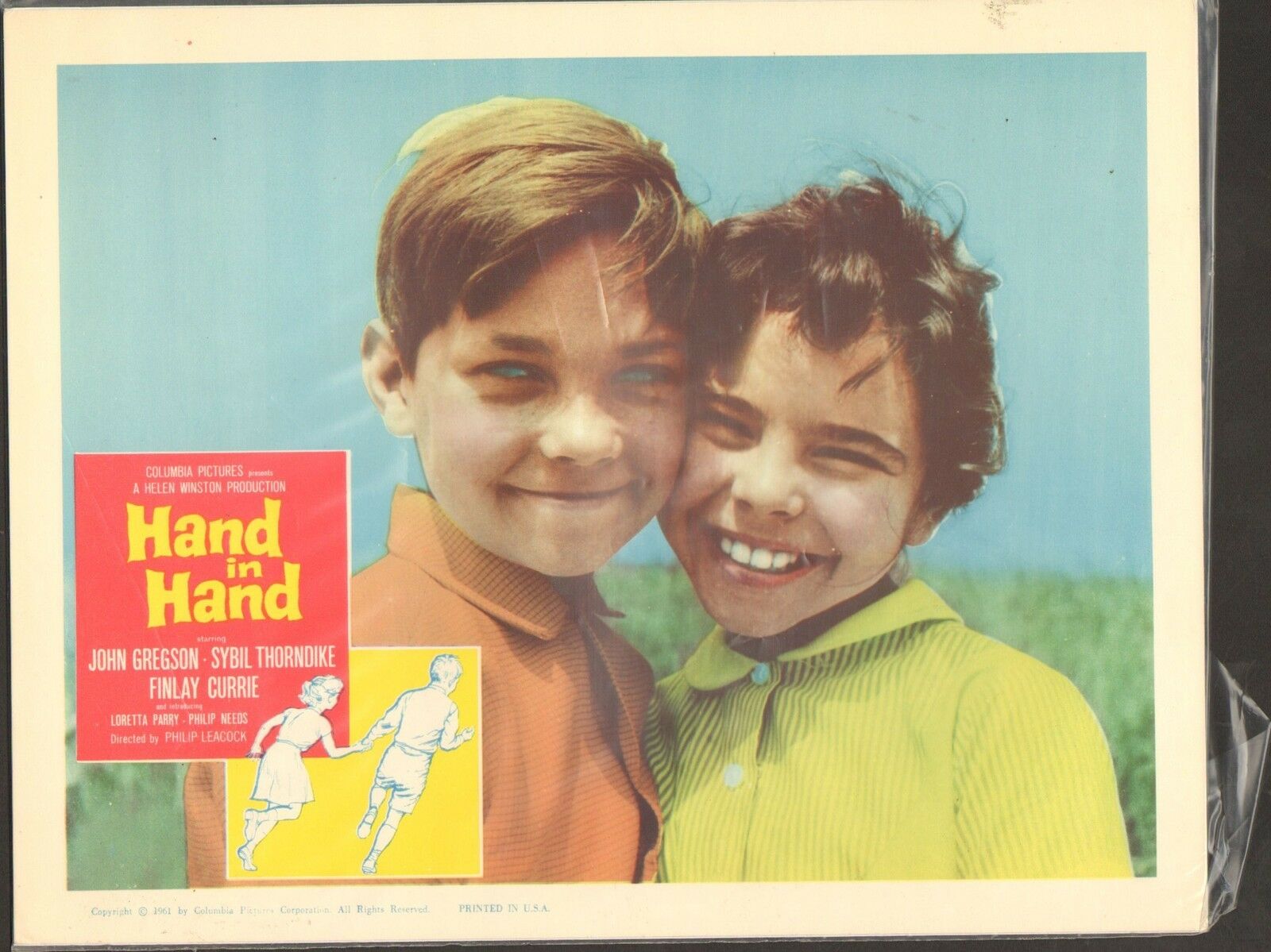
‘Hand In Hand’ Starred Philip Needs and Loretta Parry as the children – and with John Gregson, Finlay Currie and Sybil Thorndike and the wonderful Kathleen Byron

Much of the filming was done in St. Albans – one of my own favourite places – in St Peters Street, A School in Hatfield Road and numerous other locations in the City

Although I have not yet seen the film, I have really enjoyed collating this article for the Blog


Hand-in-Hand - John Grgeson


I couldn’t resist copying this post from Loretta Parry who had played Rachel in the film.  This comment on imdb was from 2006

‘I am so thrilled to read the lovely comments on this little film. the reason being, I was the little girl who played Rachel all those years ago. I am now a middle aged lady with three grown children of my own. I live quietly,but busily. My children may be grown,but they always seem to need me. I am very lucky. What a privilege to have read such heartwarming comments,I didn’t think anyone remembered. My family have seen stills of various films I was in, but have never been able to show them Hand in Hand, which I have to admit, was my favourite. I would love them to see it, it could still be relevant today. THANK YOU SO MUCH. Your kind words really mean a lot to me.’

Hand In Hand 1961

ABOVE

Hand In Hand 1961 2

ABOVE

Hand In Hand 1961 3

ABOVE:

Loretta Parry made another comment as below – this one in May 2011 :-

‘Again, I must thank you all for your very kind comments. This is Loretta Parry. Shown under my married name. Since I last posted, I have divorced, (amicably),and have had the extreme pleasure of becoming a Grandmother 3 times, to the 3 most beautiful little boys,the youngest born only a few weeks ago. I am coming up to the big 60 in July, and cannot say I’m too delighted about it. It seems only a couple of years ago,when I was having my own children, and just a short time before that,was at school myself. The years and life have been very kind to me, my children and Grandchildren have become my life, and I just couldn’t be more content. Thank you all so much for your continued interest in ‘Hand in Hand’.Long may it have such a positive impact on us all.’

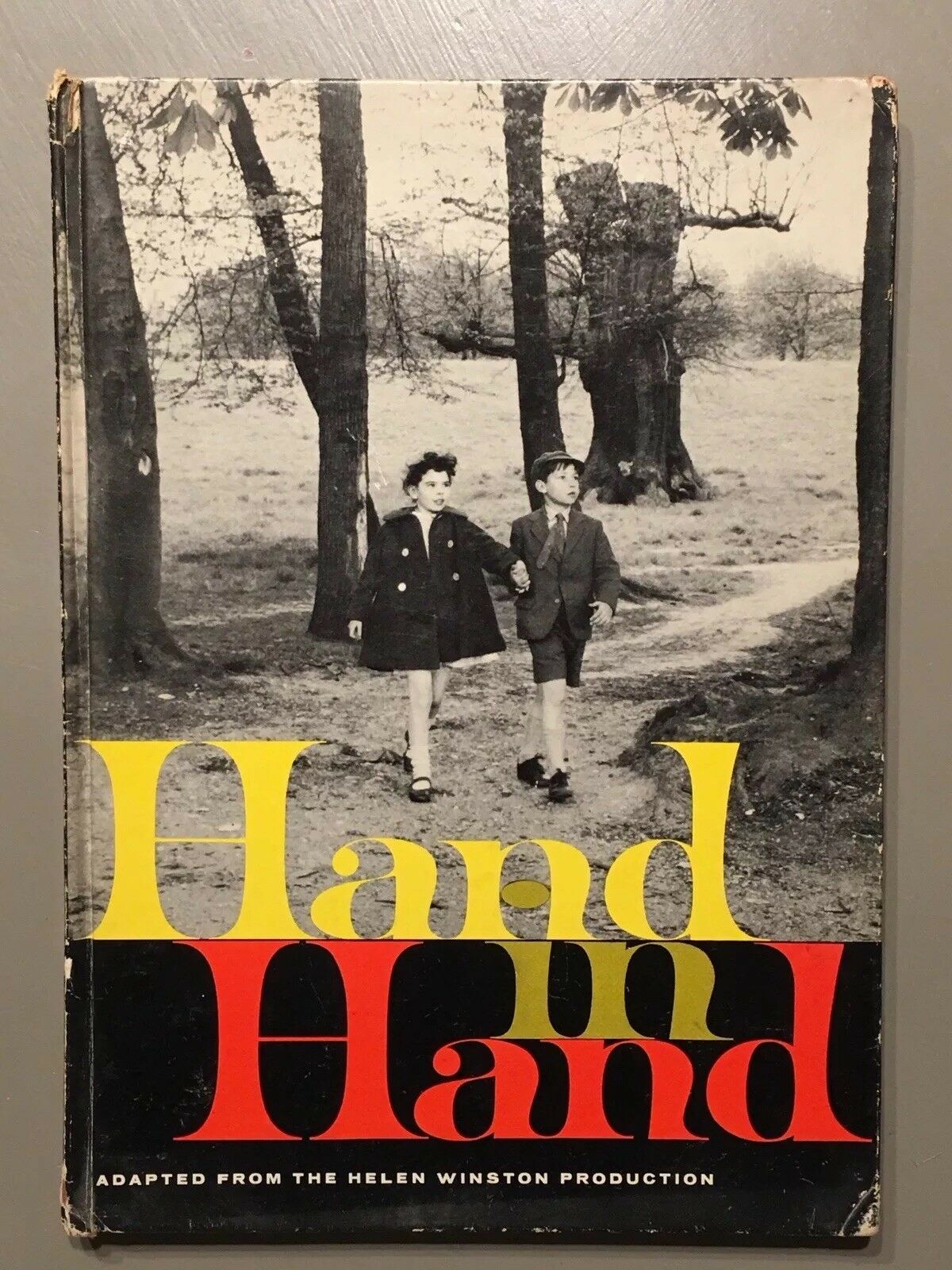
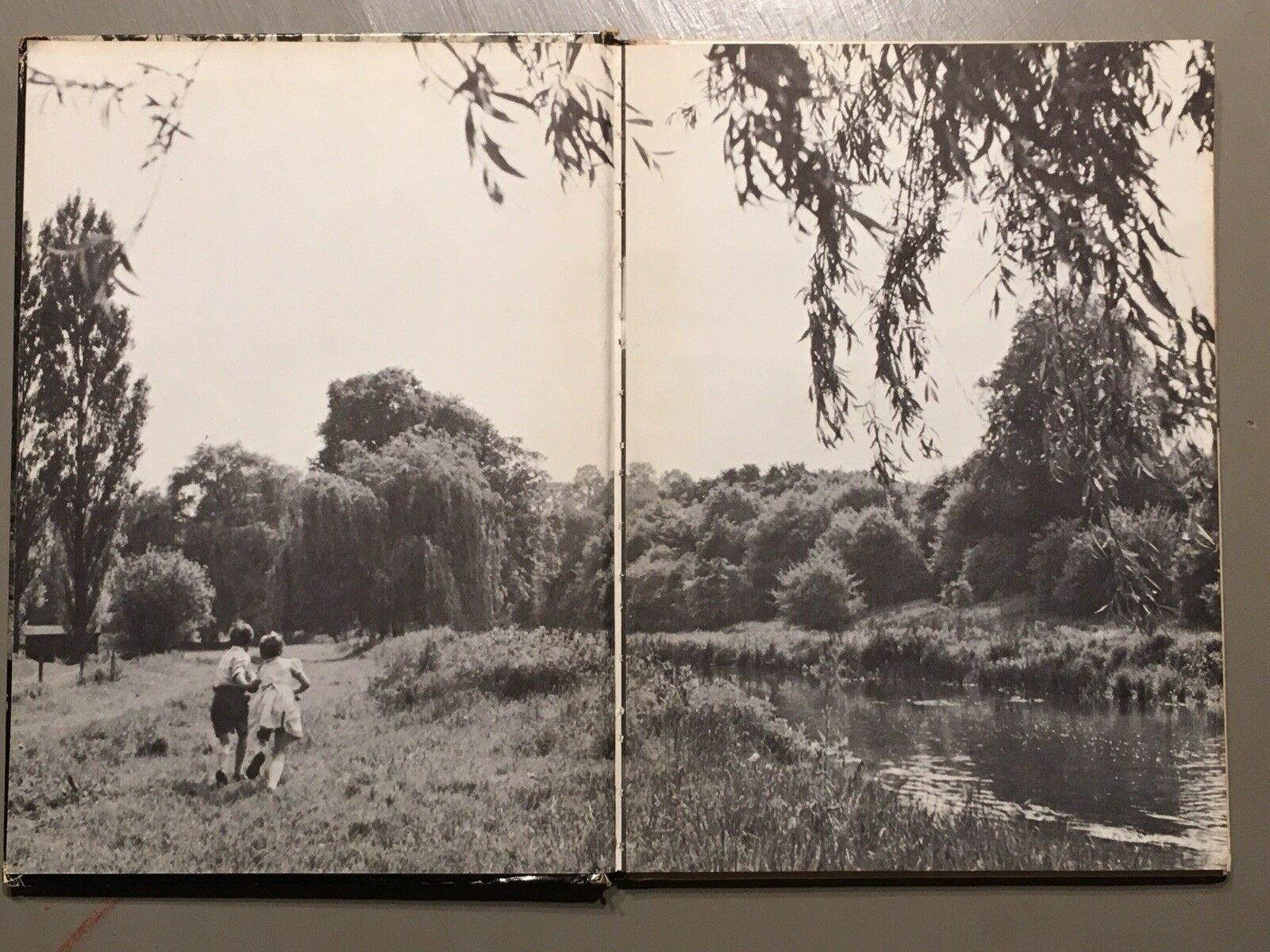
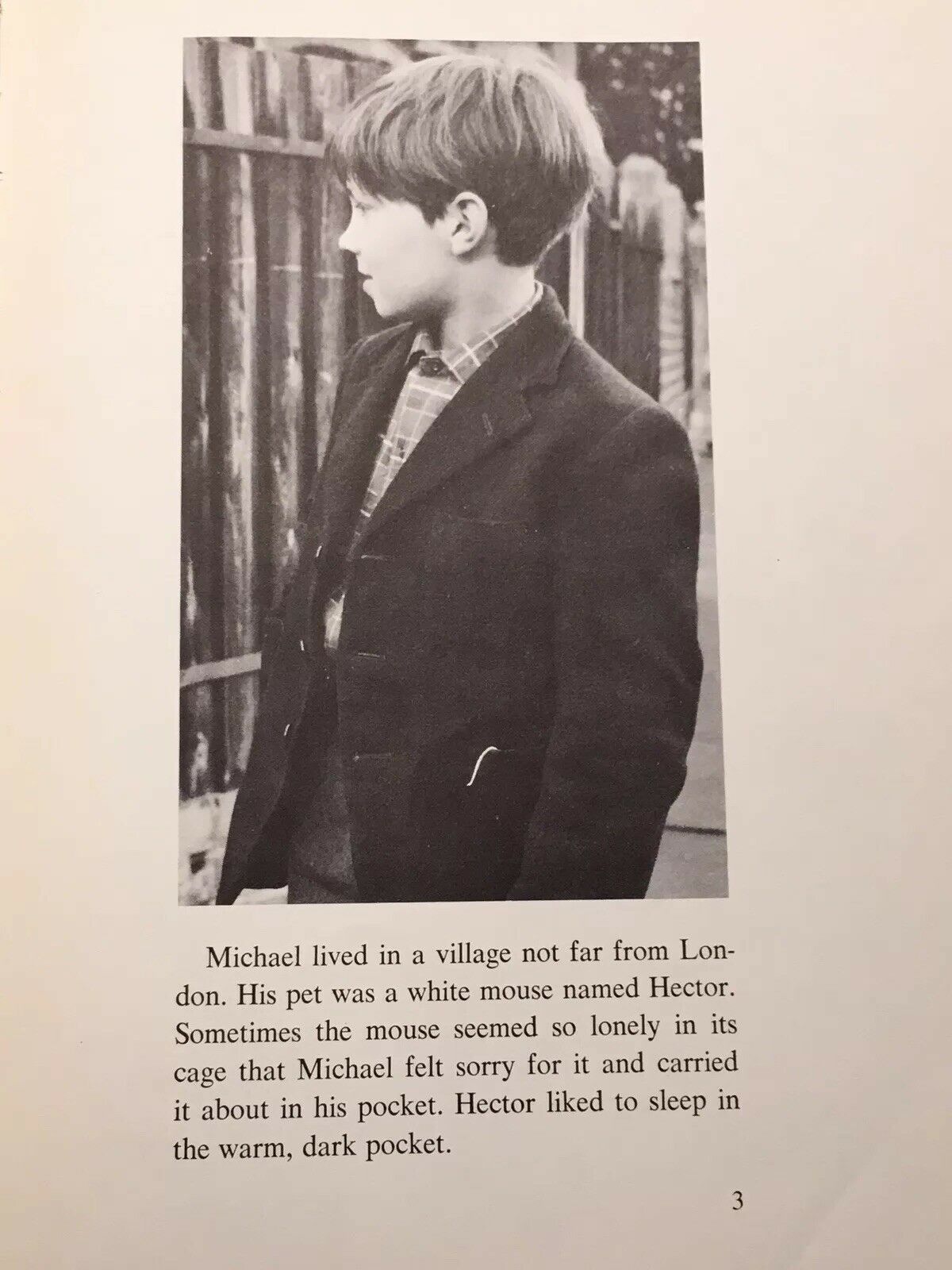
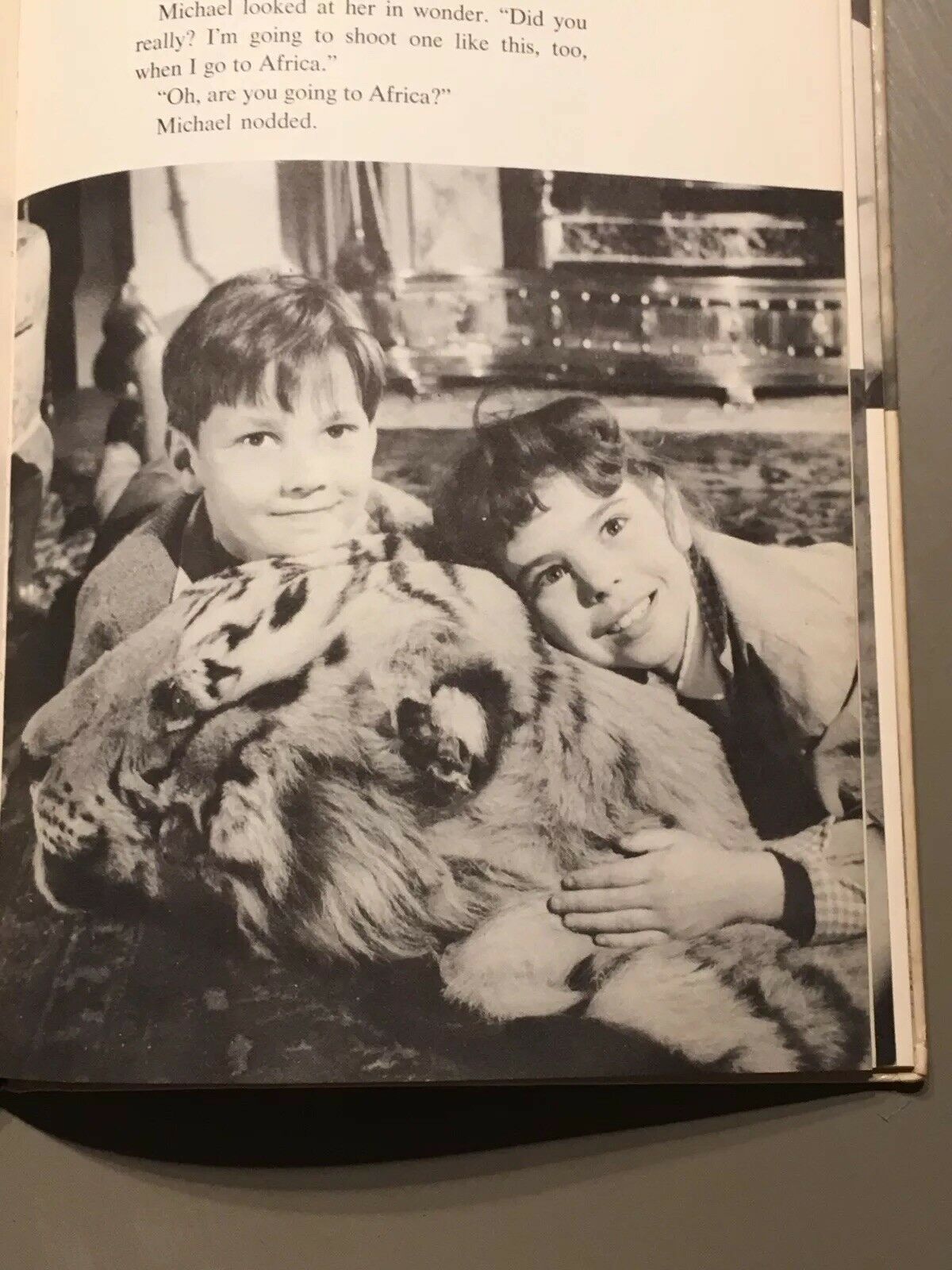
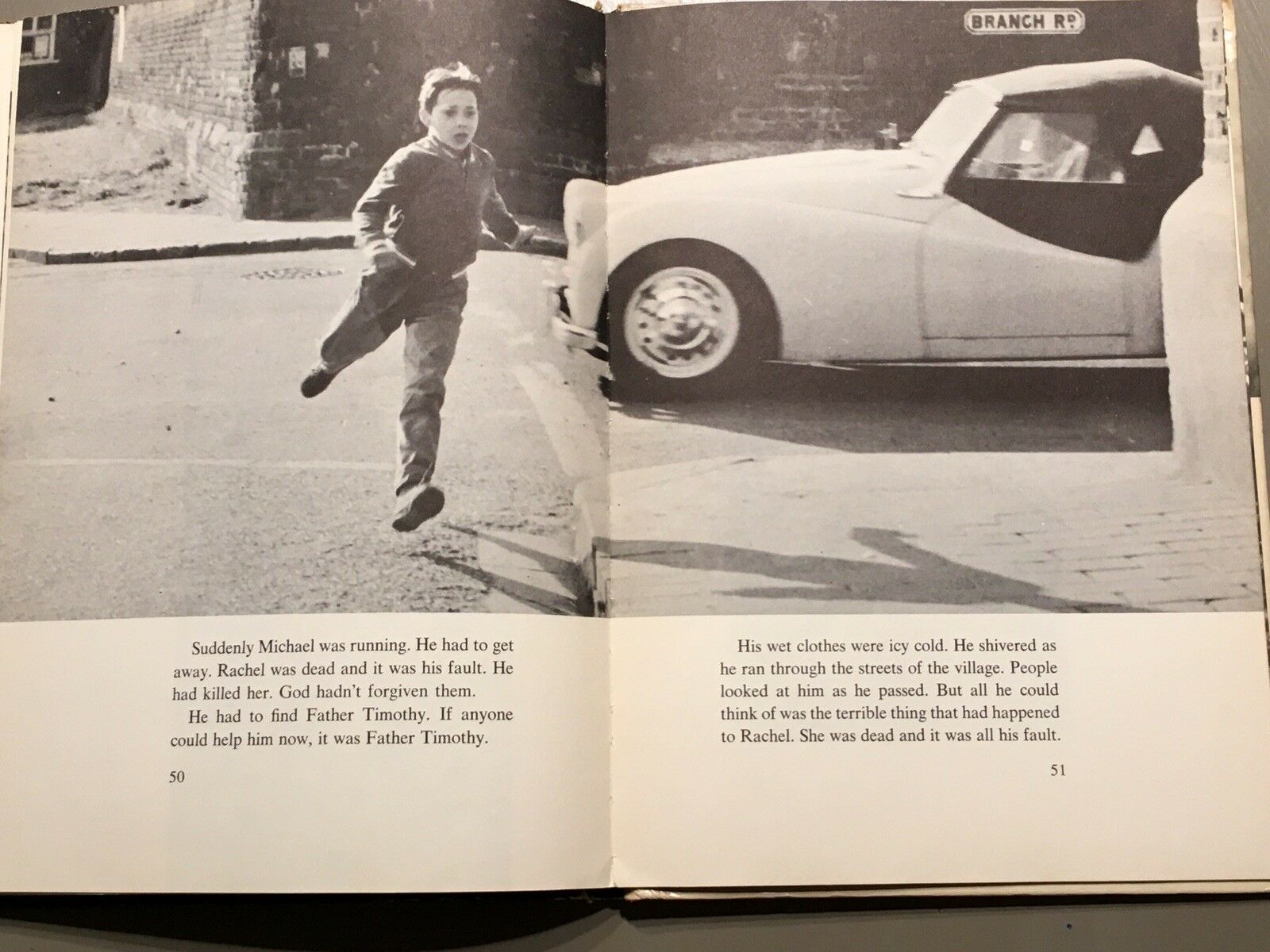
Unusually rare photo book BELOW  – Hand in Hand, from the award winning children’s  Film by Helen Winston, a screenplay by Diana Morgan, based on an adaptation by Leopold Atlas of a story by Sidney Harmon.

Hand In Hand 1961 4

Hand in Hand, from the award winning children’s  Film

Hand In Hand 1961 5

Hand in Hand, from the award winning children’s  Film

Hand In Hand 1961 6

Hand in Hand, from the award winning children’s  Film

Hand In Hand 1961 7

Hand in Hand, from the award winning children’s  Film

Hand In Hand 1961 8

Hand in Hand, from the award winning children’s  Film

Hand In Hand 1961 9

Hand in Hand, from the award winning children’s  Film

Hand In Hand 1961 10

Hand in Hand, from the award winning children’s  Film 

In a 1962 episode of The Saint entitled The Charitable Countess, made two years after Hand in Hand  Philip Needs and Loretta Parry are again teamed together, this time as Roman street urchins.

posted by Movieman in Uncategorized and have Comments (5)

Sherlock Holmes – an early TV Series


In the early Fifties, a US Company produced a series of the Sherlock Holmes stories with Ronald Howard as Holmes and Howard Marion Crawford as Watson.

LeStrade was played by Archie Duncan – we all remember him from his role as Red Gill in ‘The Story of Robin Hood and His merrie Men’ in 1952 for Walt Disney – and also his portrayal of Little John in the ITV ‘Adventure of Robin Hood’ Series with Richard Greene.
 

Sherlock Holmes BBC TV 1954


I can’t remember this Sherlock Holmes series at all – I would have been very young at the time – but normally I have a good recollection of programmes that were shown in those early years.  I have since read that this series was not shown in Britain – I can’t imagine why – although I have checked again and it seems this was not shown here which seems remarkable.

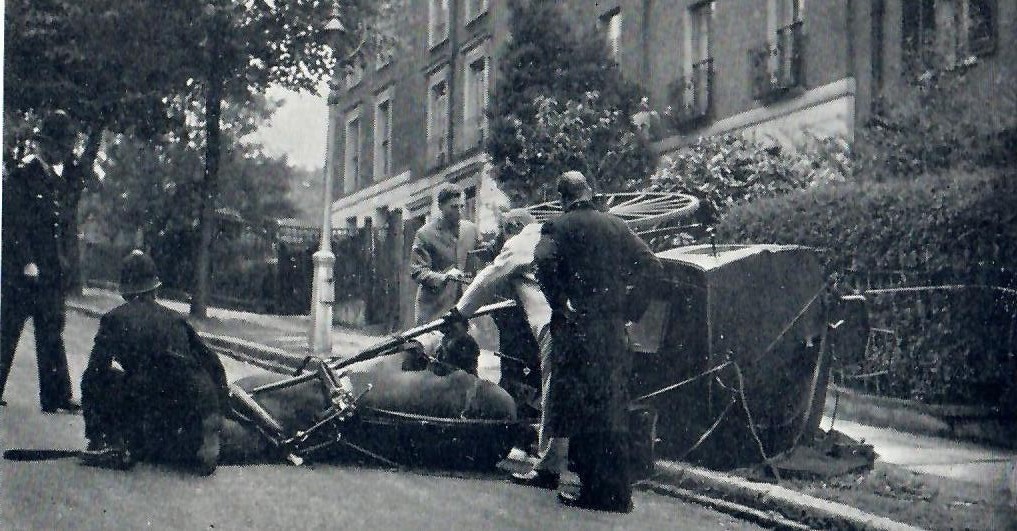
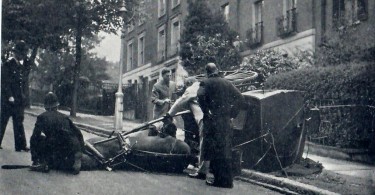
The ABOVE picture is a location scene being filmed in the Westminster area of London – what is described as a ‘quiet London by-way’. I cannot imagine any such quiet location in that area now – although maybe on a Sunday morning early on it would be OK.
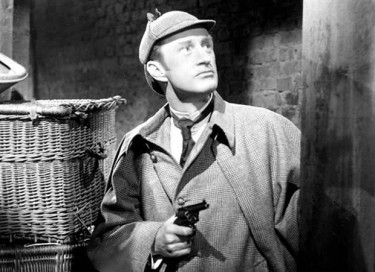
 

Ronald Howard as Sherlock Holmes


And BELOW a picture from the recent DVD release of this series
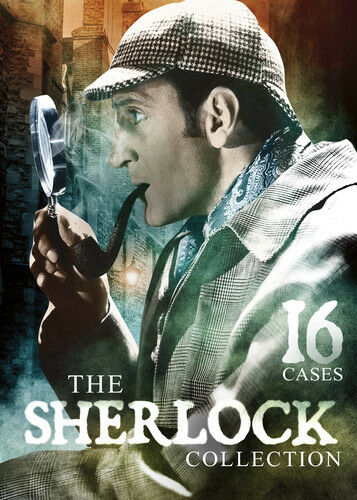
Ronald Howard as Sherlock Holmes 2

It looks from the picture ABOVE that Ronald Howard played Sherlock Holmes much as Basil Rathbone had done – set in the forties or a little earlier – I am assuming this from his costume and his revolver, although in an interview he claimed that not to be the case.

Sheldon Reynolds, an American producer, went to England looking for an actor to cast as Holmes in a new television series that he was producing.  Alan Wheatley had appeared in six televised plays ( televised live – as they were in those days) for the BBC in 1951.
Sherlock Holmes BBC TV 1954 4

He found Ronald Howard, son of the famous English actor Leslie Howard.

Ronald Howard sold his house and took his family to France in early 1954. The entire series was to be shot there to save on costs.   So here was an American producer, with a British Sherlock Holmes, shooting a television show in France.
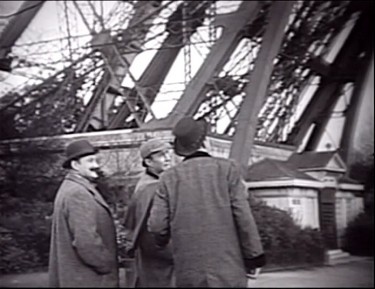
Sherlock Holmes BBC TV 1954 2

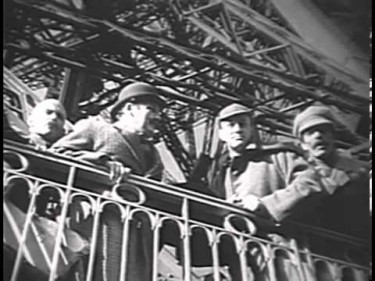
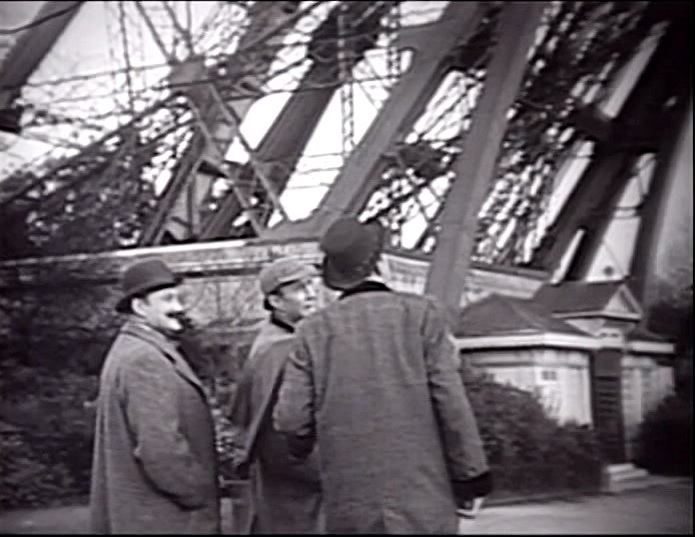
Under The Eiffel Tower ABOVE

Sherlock Holmes BBC TV 1954 3

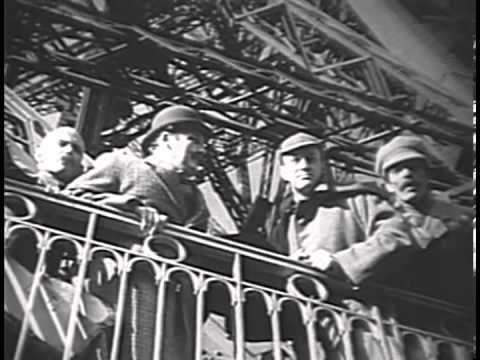
On  The Eiffel Tower ABOVE


Leslie Howard was 35 years old and could sometimes pass for about ten years younger. This was not the Basil Rathbone image that had dominated movie screens in the forties. Howard summed up his approach by saying “In my interpretation, Holmes is not an infallible, eagle-eyed, out-of-the-ordinary personality, but an exceptionally sincere young man trying to get ahead in his profession.”  Howard would play Holmes as an earnest, gifted young man with a sense of humor.

Howard Marion Crawford (referred to as H. Marion Crawford for the series, presumably to avoid confusion with Ronald Howard) was selected as Watson. Howard felt that Crawford was a good choice. .

John H. Watson was about 29 years old when he first met Holmes. Crawford was 40 when the series was filmed, but looked a bit younger. Reynolds and Crawford faced a dilemma in how Watson should be presented. After the twelve Rathbone films made for Universal, Nigel Bruce had played Watson as a buffoon. This was the image that it seemed everyone had of the good doctor. The problem was that Conan Doyle had painted a very different picture in the original stories.

Howard Marion Crawford would  play a solid Watson, not afraid to use physical means to help Holmes, such as in The Cunningham Heritage. On the other hand, he would sometimes be not much of an accomplice in crime solving, as in The Case of the Belligerent Ghost.

We were spoiled by the readily available performances – done much later –  by David Burke, and then Edward Hardwicke, in the Granada series when Jeremy Brett played Holmes.

Howard Marion Crawford, sadly,  died in 1969 from an overdose of sleeping pills.

Archie Duncan was cast as Inspector Lestrade.  Howver where Crawford did not portray the imbecile, Archie Duncan did. As far as thinking went, Lestrade was just about as useless as Dennis Hooey’s portrayal had been in most of the Basil Rathbone  films.

 Apparently – and incredibly – each episode was filmed in about four days which meant that  Leslie Howard  had to get up early in the morning to learn his lines for the day’s shoot.

One feature of note was the Baker Street lodgings, designed by the same man who did the Exhibition of 1951 in London. It is quite possibly the best on-screen re-creation of 221B Baker Street yet seen. From the jackknife in the mantle to “VR” in carved out by pistol shots from Holmes, it captured the feel of Conan Doyle’s descriptions.

Sheldon Reynolds, a canny producer, had considered that the pilot might not sell. So, he made sure that the next two episodes could fit together with the first. That would allow him to combine them into one film, which he could then distribute, but in fact the pilot did sell and NBC televised it in America starting on October 18, 1954.

There were thirty-nine episodes in all and some discussion of another season, but that did not happen. It seems possible that if there had been more strong scripts, or a few more official tales licensed from the Conan Doyle estate, more episodes would have followed.

However it turned out to be  a one-season series and Leslie Howard moved his family back to England – his portrayal of  the great detective came to an end.

It was very good while it lasted

These episodes are available on DVD and they have been re-mastered so should be in good order to watch. I think I will.
 

posted by Movieman in Uncategorized and have Comments (4)

The Studio Tank at Pinewood – and other model ships in films


Pinewood   Studios  are now – and have been for some time – one of the World’s leading Film production facilities. As we all know most of the Bond Films have been done here after those exotic location trips have been completed.


Pinewood

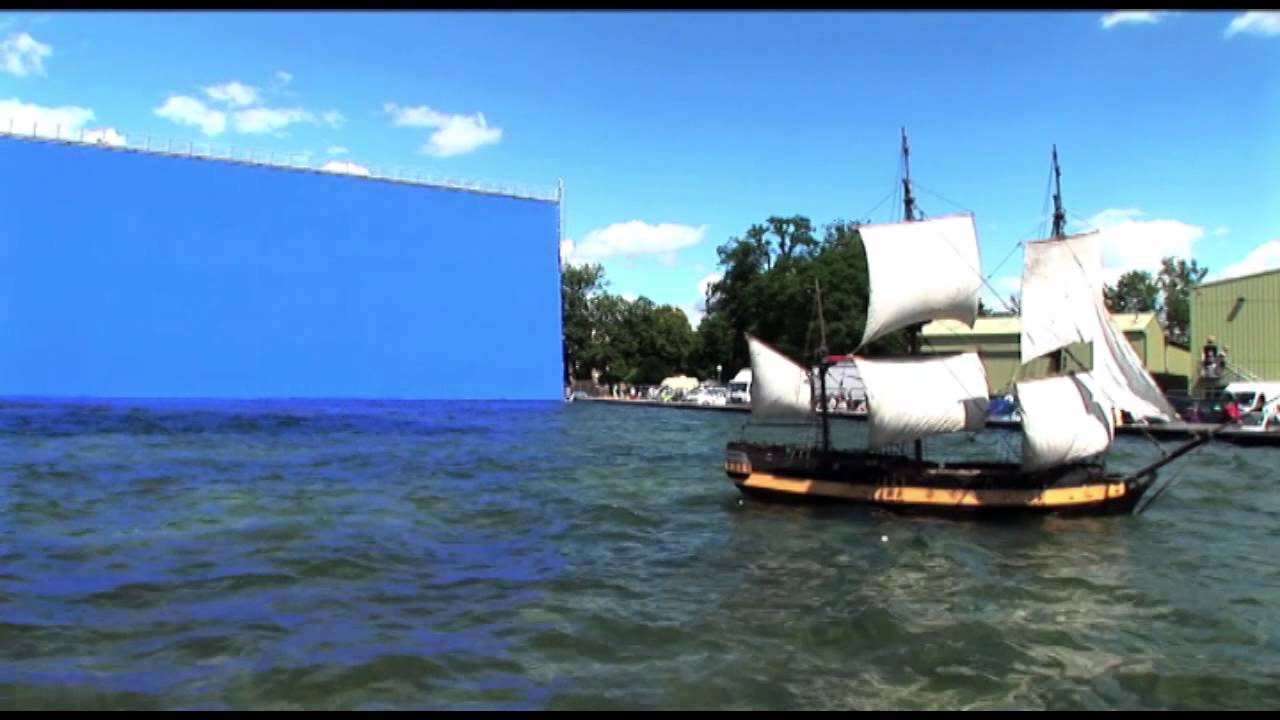
The large lake at Pinewood and behind it the big blue background to allow the Special Effects to be added later

Model Boat on filming location

ABOVE – Not sure where this is but another model shot being prepared

 Hornblower

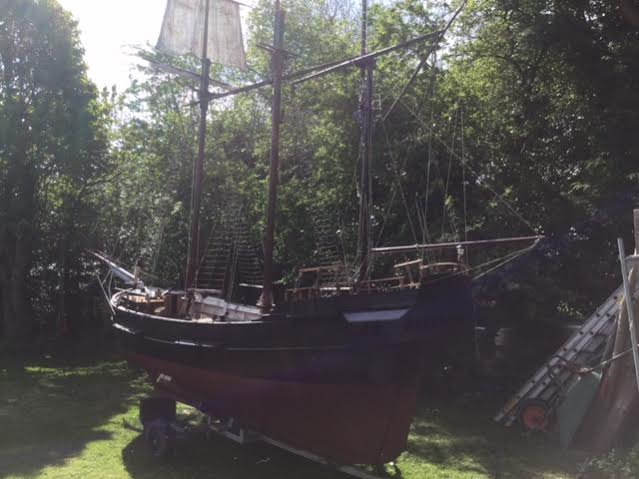
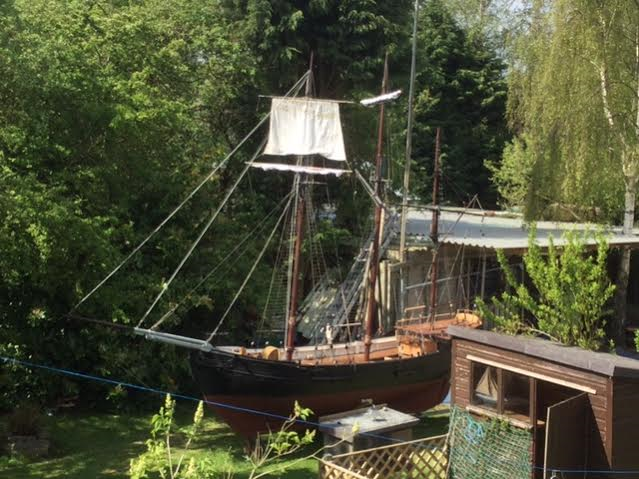
Above and Below – In a friends garden – he purchased this large model which had been used in the later ‘Hornblower’ TV Series – a lot of the model work filmed on the Black Sea.

Hornblower 2

BELOW – Giving a scale to this model, we see preparations being made for it to put to sea.


Hornblower 3

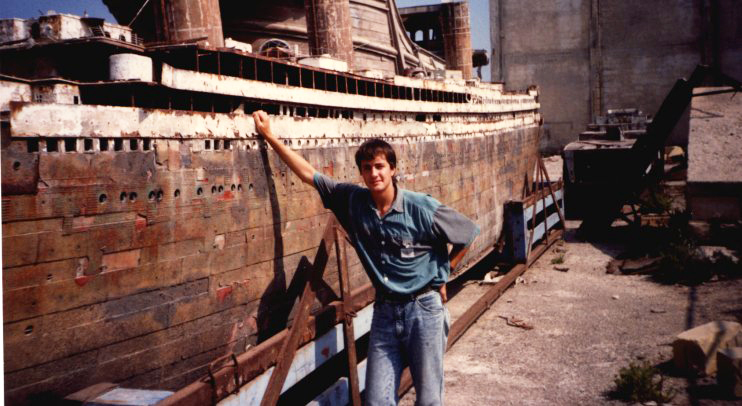
BELOW –  ‘Raise The Titanic’

Raise The Titanic

ABOVE – a large replica of the  Titanic used in the Film ‘Raise the Titanic’

Years late Sir Lew Grade who had financed this British Made Film

which was a financial flop commented that ‘t would have been cheaper to lower the Atlantic’


Raise The Titanic 2

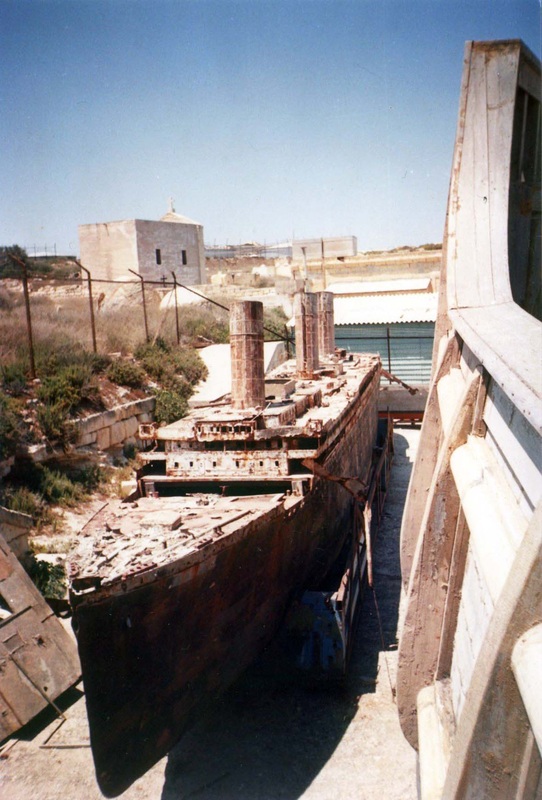
A 10-tonne 50 ft scale model was also built for the scene where the Titanic is raised to the surface. Costing $7 million, the model initially proved too large for any existing water tank.

This problem led to one of the world’s first horizon tanks being constructed at the Mediterranean Film Studios in Malta. I think I have read very recently that this Studio Horizon Tank Facility in Malta is up for sale


posted by Movieman in Uncategorized and have Comments (6)

The Wolfman 1941


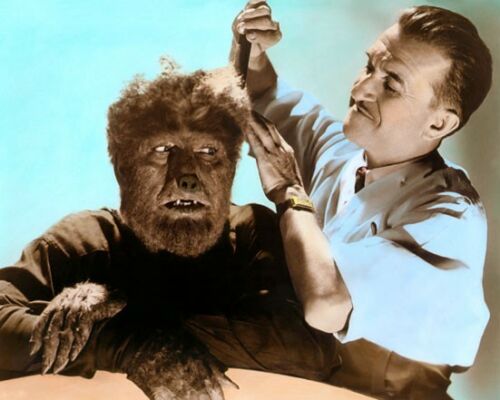
This is not a film of the Fifties era as we all know – but I was so taken with this colour still, I just had to include it.


LON CHANEY Jr and  JACK PIERCE preparing for filming a scene in  THE WOLF MAN 1941   The Wolfman


This is a Colour Photograph as we see Jack Pierce applying Lon Chaney’s make-up during filming


Lon Chaney Jr had lived under the shadow of his famous father, but in ‘The Wolf Man’ he helped create a horror icon that has lasted for over sixty years. He had already produced a wonderful performance  in ‘Of Mice And Men'(1939).


In ‘The Wolf Man’ he was again very good. Probably though it type cast him as horror film actor.


The film also had that great fim actor Claude Rains as Lon Chaney’s Father.


 ‘The Wolf Man’ is an undisputed horror classic, and just as entertaining and interesting as it ever was.


This film still – in Colour – makes me wish the whole film had been done in Colour – maybe it has been colorised I and not sure – it it has I will buy it

posted by Movieman in Uncategorized and have Comments (5)

The Blue Lagoon – 1949

I came across this picture – and have featured it before. At that time I wondered why all the camera operators and crew were dressed in suits and more formal clothing,  when they were basking in such hot Fijian sunshine – or so I thought.

It did seem an unusual dress code for Fiji.


However, I am now thinking that this scene was actually done in England because looking closely at the photograph I think it is possible to see buildinsg in the background – it was the scene where Donald Houston is attacked by an octopus and keeps coming up for air. Jean Simmons waited for him on the shore – the underwater shots would be studio work and such shots as this one would be cut in, but is does look as though this was done outside in England – I bet Jean felt cooler than she had done on location !!

The Blue Lagoon 1949


The Scene being filmed – In England I think

Jean Simmons

ABOVE – That same Scene

The Blue Lagoon 1949

ABOVE – The same scene but this time in the Studio at Pinewood – probably close to the filming tank for the Underwater sequences – Donald Houston looks as though he has just come out or is getting ready to go into the water. He does look quite dry but I suppose he could have dried off.

The Blue Lagoon 1949 2

The ABOVE Newspaper advertisement is interesting.

We often speculate what came out with what – and which films were coupled together on the same programme. Here for instance we see ‘Mars Attacks the World’ and ‘Rocket Ship’ then another ‘That Midnight Kiss’. Also ‘The Fighting Kentuckian’ and a Dean Martin and Jerry Lewis film.

This is of course, an American newspaper page so there would be different film programmes to the ones in England

posted by Movieman in Uncategorized and have Comments (4)

Joan Rice – by Someone who knew her well

Only a couple of days ago, I managed at last to have a chat on the phone with Angelo – who had been in a relationship with Joan Rice in the early seventies – and indeed who had been her partner, when together,  they set up the very successful ‘Joan Rice Bureau’ which dealt with the letting of property in and around their home in Maidenhead.

He told me that Joan was a very nice, kind and warm person who continued her acting career even then – quite a while after her film career had ended – and she used to go off on tour with a new play quite often and during those times Angelo arranged for staff to be brought in to run the business.

He also said that, for a time, Joan’s son came to live with them. By my calculations at that time he would have been  about 17 years old. Sadly he died before Joan did.

Joan Rice and Angelo in Scotland

Joan Rice and Angelo in Scotland 2

During that time, they holidayed together with friends above in Scotland – I have been able to let Angelo have the email hopefully to put him in contact with Alan who appears in the picture. These pictures and the email in fact came from my good friend Tony, who has his own Blog dedicated to Joan Rice – but the subject of which is the Walt Disney film ‘The Story of Robin Hood and His Merrie Men; from 1952 in which Joan starred and probably played her greatest and most famous role.

While with Joan, Angelo remembers she did make another film ‘The Horror of Frankenstein’ in 1970 – which would be made at Bray Studios for Hammer Films which was just down the road from where Joan lived.

Angelo kept in contact with Joan Rice, and when he eventually moved away to the South West, she would often come and visit him and his wife down there. They remained great friends.

He said that Joan also became good friends with Frances ‘Frankie’ Day a former cabaret star and actress who actually had had a spell on the panel of ‘Whats My Line’ in the early fifties. Frankie also lived in Maidenhead.

These are all lovely memories of Joan Rice from someone who knew her very well indeed. Angelo is a very pleasant man to talk with and I thank him very much for his conversation with me – and I hope to speak with him again.

Please visit Tony’s Blog   disneysrobin.blogspot.com    

 Just a reminder of the life story of Joan Rice


On January 1, 1997, Derby’s Joan Rice died.  Maybe not a name that is remembered except by Film Fans of the fifties era – and to us, she is very well known indeed – and very well liked.

Her natural, dark-haired beauty lent itself just as easily to exotic island beauties as it did to perfect English roses.

As well as being a talented actress, she had added a welcome note of glamour to her roles.


She was, born in Derby almost 67 years earlier, one of four daughters of Hilda and Harold Rice of 314 Abbey Street.

Dorothy Joan Rice was born at the City Hospital on February 3, 1930.


Her early life had been troubled. Her labourer father was imprisoned for child abuse and, subsequently, she spent eight years in a convent orphanage in Nottingham.

She took work as a lady’s maid and as a housemaid before leaving for a new life in London with just half-a-crown (12.5p) in her purse.

She took a job as a Lyon’s Corner House waitress, or “nippy” as they were popularly known, earning the princely sum of £3 per week.

In 1949 her pretty looks and natural poise helped her to win the “Miss Nippy” competition.

The prize was a week-long promotional tour to Torquay. But more importantly, it lead to an introduction to a theatrical agent who arranged for her a screen test.


From this came a contract with the Rank Corporation who sent the previously untrained actress to the Company of Youth, otherwise known as the “Rank Charm School”.

In reality it was a training institution for young film actors that occupied a disused church hall standing Highbury Studio.

There, youngsters were trained in all manner of useful skills, like voice production and fencing.


Other stars who trained there included Honor Blackman, Kay Kendall, Shirley Eaton, Joan Collins, Diana Dors, Christopher Lee, Donald Sinden, Patrick McGoohan and Dirk Bogarde.

It was with the last of these with whom she appeared in her first notable film role – the feature Blackmailed (1950).

Another role, in the Robertson Hare and Stanley Holloway film One Wild Oat (1951) soon followed.

Unfortunately, the Rank organisation never saw her potential as a lead actress and instead she was given numerous supporting roles.

Finally Walt Disney saw her star potential, in 1952, when he cast her in his live action film The Story of Robin Hood and His Merrie Men (1952).

 Joan Rice 2

Joan Rice 4

Joan played opposite Richard Todd and was declared “the new Jean Simmons”.

Joan Rice 3

ABOVE – I just love this picture of Richard Todd and Joan Rice in a scene from ‘ The Story of Robin Hood and His Merrie Men’ 1952 – Walt Disney.

What colour – Technicolor at its best – and wonderful studio woodland set at Denham Film Studios.

Sadly, lead roles in major films remained hard to come by but lead roles in ‘B’ movies like A Day to Remember (1953) with Stanley Holloway and Donald Sinden were plentiful, as were smaller roles in feature films like Curtain Up with Robert Morley, Margaret Rutherford and Kay Kendall.
In 1954, Rice appeared as Iris in Norman Wisdom’s film, One Good Turn, in which the residents and staff of an orphanage, including Thora Hird and Shirley Abicair, fight to save it from closure.

In His Majesty O’Keefe (1954) she played Dalabo, the Polynesian girl who marries Burt Lancaster’s daring and stranded sea captain.

However, changing fashions – in the minds of casting directors at least – and the arrival of the Hitchcockesque blonde, meant that she was unable to land many more lead roles.

Joan Rice


Above – Joan with Billie Whitelaw in Payroll

Cleo Thompson in the prison drama Women Without Men (1956), also known as Blonde Bait, and the part of a young ATS private in the wartime comedy Operation Bullshine, which starred Donald Sinden and Barbara Murray.

What would be her last film role for more than a decade came in 1960, in the crime drama, Payroll.

There were roles in television series like Zero One, The Pursuers, Ivanhoe (starring a young Roger Moore), and The New Adventures of Charlie Chan.
Eventually, Derby’s Joan Rice left the movie business and, after her ten-year marriage to David Green ended in divorce, she built a successful career in repertory theatre with a role, among many others, as Catherine in Arthur Miller’s A View From the Bridge, and John Mortimer’s Voyage Around My Father.

Joan Rice in Rebecca in Hanley

Here – ABOVE – she starred in a production of ‘Rebecca’ at Hanley, Stoke on Trent. Maybe my friend David who very often puts such interesting comments on here – and very welcome ones at that, saw this play – he lives in Stoke On Trent I know.

I would think that Joan would play the leading part very well in ‘Rebecca’.

In 1970, she did return to the big screen with a small role in The Horror of Frankenstein.

posted by Movieman in Uncategorized and have Comments (8)

Ten Little Indians 1965

Agatha Christie’s story was first adapted for the screen in 1945  with the title “And Then There Were None”. This  was shown on BBC2 at the Weekend which prompted me to write this article on the Blog.

I also saw a stage version a few years ago in 2008 with a cast that included veterans Gerald Harper and Peter Byrne.

And Then There Were None 2008 Stage Tour 2


Here is a revue of that Production :-

I grew up reading the books of Agatha Christie and I also enjoyed all the various film versions of her novels, including the star-studded epics such as “Death On The Nile” and “Murder On The Orient Express”.

One of the first films I watched based on a Christie novel was “Ten Little Indians”  The film version I remember the most was from 1945 and was also retitled “And Then There Were None”. I was delighted back in 2006 when Bill Kenwright launched The Agatha Christie Theatre Company. This venture aimed to mount a different production every year with a cast of familar faces. The first production was a lesser known play “The Hollow” and it starred one of my favourite femme fatales, Kate O’Mara, who I have seen many times over the years and will feature her in different productions in future posts. This production was for the 2008 season and I flew to Glasgow to catch this performance on Saturday 28th June 2008. This play was originally performed in 1943 at the St Jame’s Theatre in London’s West End. Of all the versions that were filmed and performed, this production is the original adaptation by Agatha Christie, as it retains the original bleak ending of the novel. The classic storyline concerns a group of seven travellers invited to a secluded house and are eventually killed off one by one!

Among the cast members in the production was Mark Wynter, who in the 60’s had been a pop star teen idol, with nine top twenty singles, hits including..”Venus In Blue Jean” and “Go Away Little Girl”, similar to Cliff Richard. My mum had been a fan of his and as I was born in the 60’s, she somehow got the inspiration to name me after Mr Wynter. He seemed amused and flattered when I told him this after the show! Mark after his pop career dried up, as where, turned to theatre and has appeared in many productions such as “Charlie Girl” with the legendary Cyd Charisse and Dora Bryan. He also appeared in the Tigon shocker “Haunted House Of Horror”. Mark has appeared in every Christie production since 2007.  Other stars in the production included Jennifer Wilson, who is remembered for her role in the long running 70’s series “The Brothers”. Gerald Harper is best known for the cult series “Adam Adamant” and “Hadleigh”, but his body of work has also included films such as “The Admirable Crichton”, “Tunes of Glory”, “The League Of Gentlemen” and “The Shoes Of The Fisherman”. I will be meeting Gerald next weekend in Birmingham, will find out if he has any more Christie in the works!. Denis Lill has appeared in many films including, “The Eagle Has Landed”, “Batman”, “Empire of the Sun” and “Evita”. On tv he has a regular role in the long running ITV series “The Royal” as well as classics such as “DR Who”, “Rock Follies” and “Lillie”.


And Then There Were None 2008 Stage Tour

Chloe Newsome – Pictured above on the Right of the Stage – was a regular “Coronation Street” star, playing Alec Gilroy’s granddaughter Vicky, while Alex Fearns played the nasty wife beater Trevor in “Eastenders”

Peter Byrne – PICTURED ABOVE –  is famous for appearances in “Dixon of Dock Green”, “Bread” and “Blake’s Seven” All in all a diverse cast and as usual from this company a quality production. The latest play to get the Touring company treatment is “Witness for the Prosecution” and hopefully I will catch this in the Autumn.


Now to the 1965 Film :-

Producer, Harry Towers apparently liked the story so much that he made two versions – One in 1965 and  the second ‘And then There Were None’ came almost a decade later in 1974.

This is the  third of many film and TV adaptations of the popular Agatha Christie novel – however this 1965 version moves the action from a remote island to an isolated ski resort and  rearranges the plot.
Ten Little Indians 1965
The basic storyline is much the same, when ten strangers, eight of them guests and two of them servants, are lured to a dinner party and then trapped there to be killed one at a time by an unseen killer who wishes to punish them for their  perceived crimes. The old nursery rhyme provides both the framing device, and, in the source material, the method of execution for each victim.
In this version, however, the revised murder scenes include a hapless servant (Marianne Hoppe) falling to her death from a booby-trapped ski lift. Ten Little Indians features a varied cast that ranges from Shirley Eaton and Daliah Lavi  to former teen pop  idol Fabian and former Wyatt Earp TV star Hugh O’Brian.
From the cast of  My Fair Lady co-stars Stanley Holloway and Wilfrid Hyde-White are in the film.
The film was the final one for  George Pollock as a Film Director , he had done  several adaptations of  Agatha Christie’s popular Miss Marple mysteries, starting with 1962’s Murder, She Said.
Christopher Lee makes an uncredited appearance as the recorded voice of absentee host/villain Mr. Owen.
Despite its mountain setting, filming was done  in Ireland.


posted by Movieman in Uncategorized and have Comments (3)