Huckleberry Finn 1960

Image result for huckleberry finn  1960 film

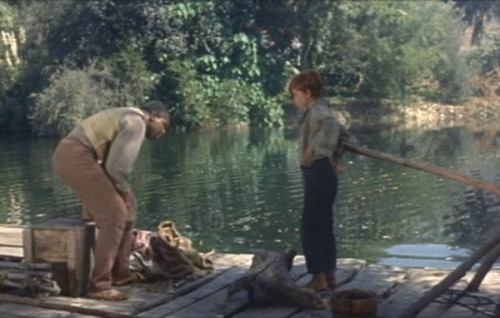
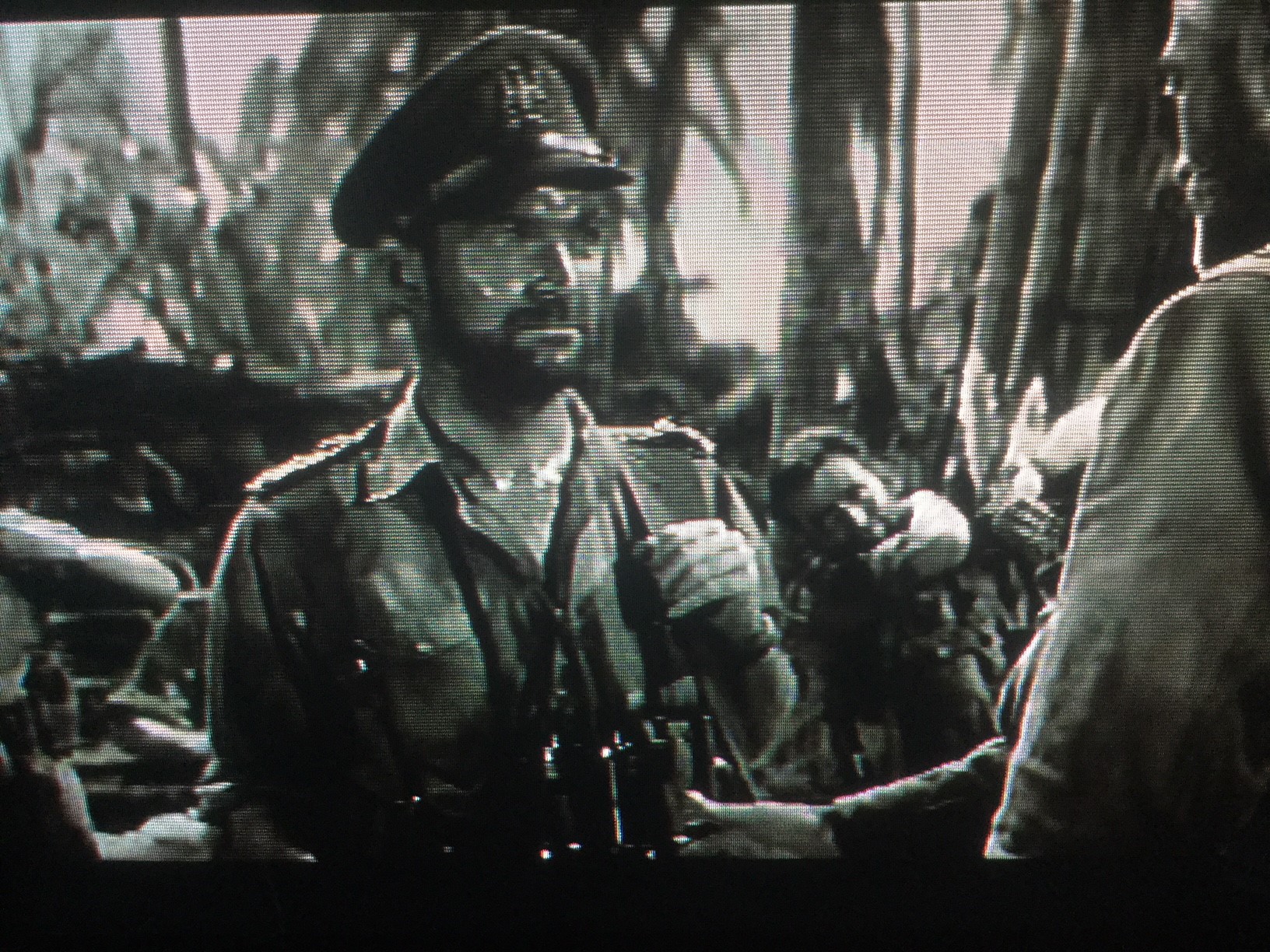
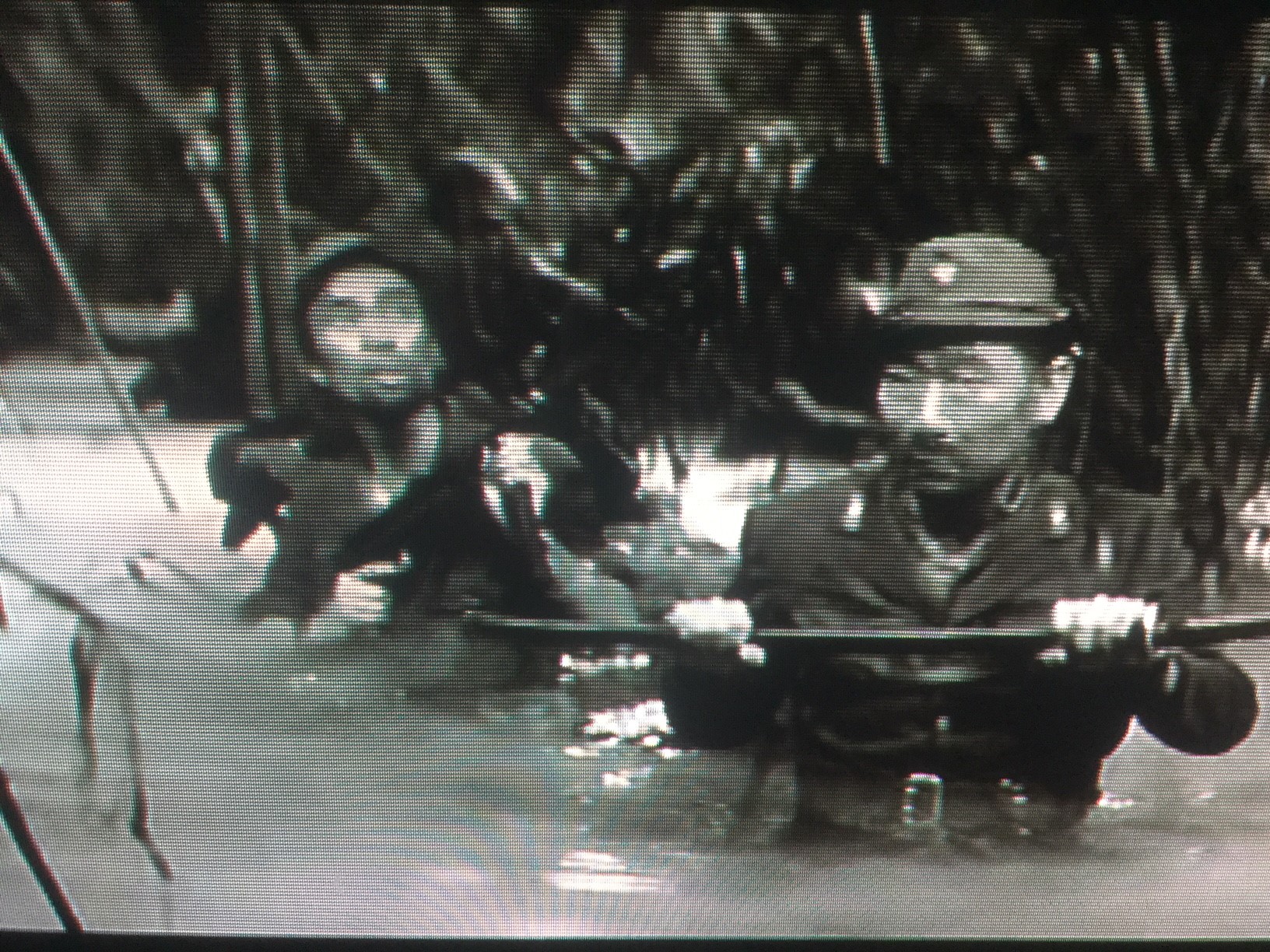
Purists of Mark Twain will find fault with this adaption of Huckleberry Finn, but I like it and I think it captures the charm of Mark Twain and perhaps the lessons he was trying to teach.

Huckleberry Finn 1960


Huckleberry Finn 1960 2

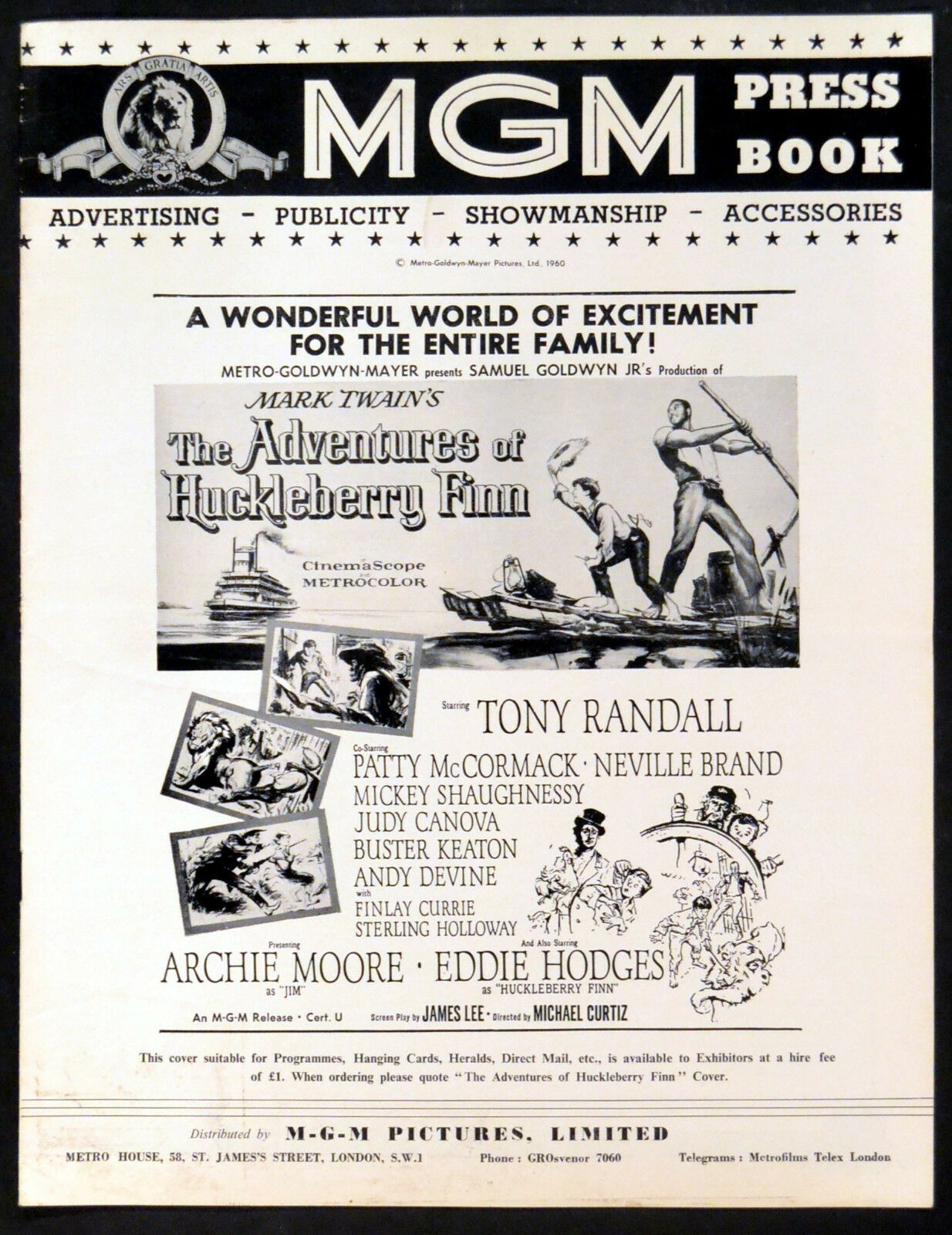
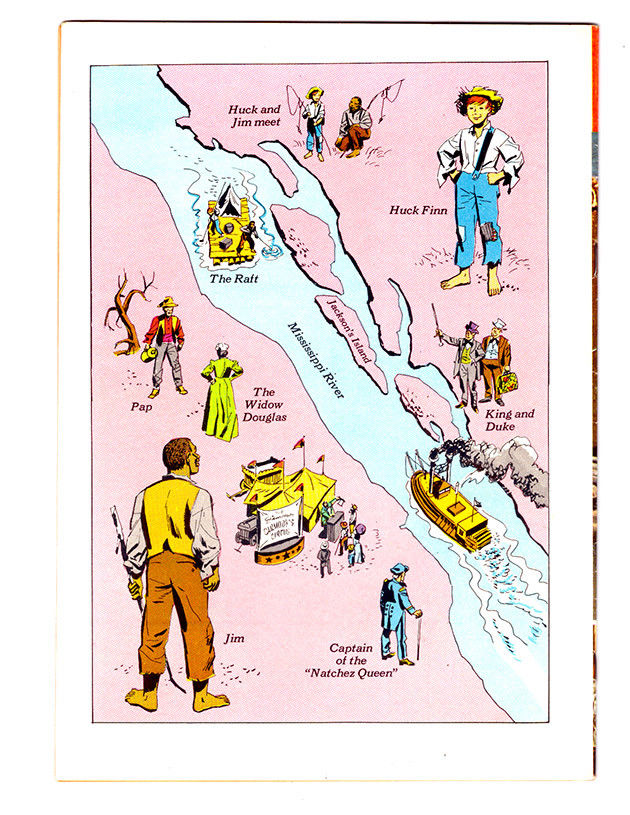
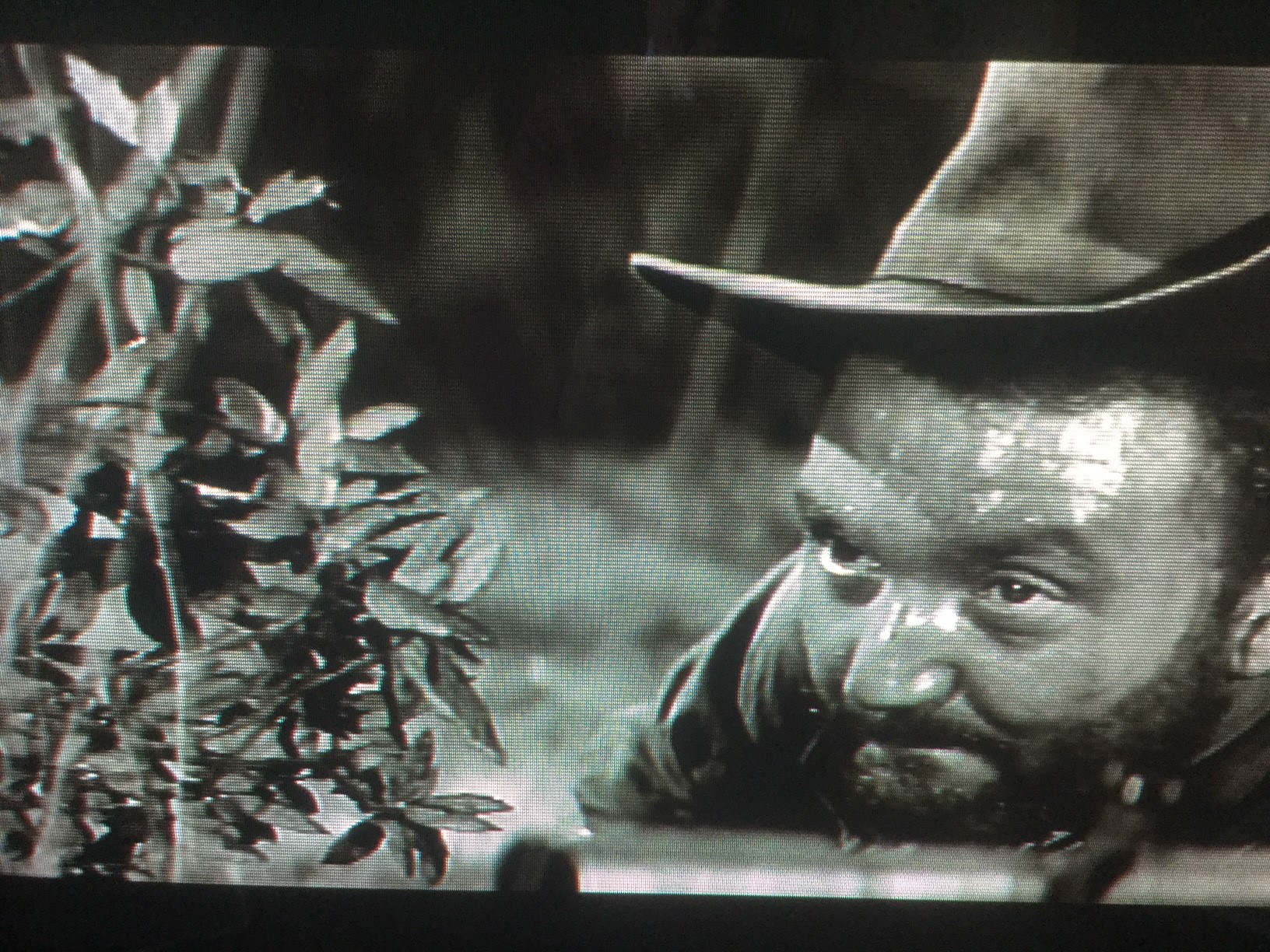
Because the two are on screen for nearly the whole time, the actors playing the  parts of Huck and Jim have to be good. Archie Moore who was the reigning Light Heavyweight Champion when this was made delivers a great performance as the runaway slave Jim as does Eddie Hodges as Huck. Probably the most riveting performance in this film is Neville Brand as Huck Finn’s Father.

He’s as bigoted and narrow-minded man. In fact MGM put together an excellent supporting cast –  Eddie Hodges and Archie Moore. Tony Randall and Mickey Shaughnessy as con men King and Duke are a joy to watch.

I had not realised until I saw the poster above the veteran actor Finlay Currie the Scottish born actor was in this one as were Buster Keaton and Andy Devine.

Huckleberry Finn 1960 4

Huckleberry Finn 1960 3


posted by Movieman in Uncategorized and have Comment (1)

Yesterday’s Enemy 1959

A British officer (Stanley Baker)  leading a patrol through the Burmese jungle during the Second World War uses brutal methods to gain vital intelligence from prisoners, to the outrage of a chaplain and war correspondent travelling with them. When the unit is captured by Japanese forces, he faces similar treatment at the hands of his captors.

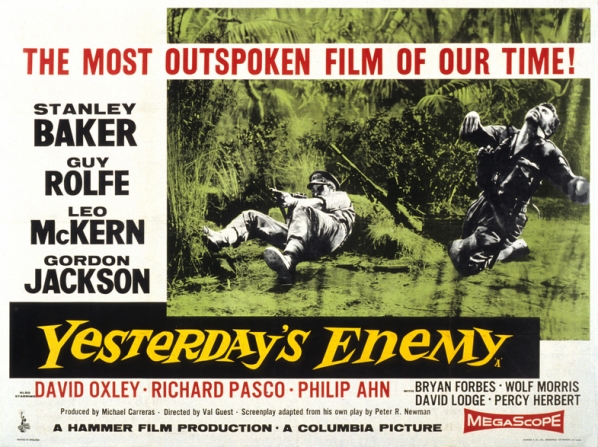
This film  was shown on Talking Pictures today – and I watched much of it.   Widescreen and thankfully it was shown in that format – which apparently was called  MegaScope and it was quite impressive.

It did strike me that in many ways this was similar to The Long and The Short and the Tall 1961 – just a couple of years later. Both featured similar studio bound jungles and action behind enemy lines at times. Yesterday’s Enemy was filmed at Bray Studios – and this one at Elstree.

Another film made well before this – and another studio bound jungle film was The Hasty Heart and that was very well received all over the World – whereas these two didn’t do that well. The Hasty Heart was made at Elstree

Yesterdays Enemy 1959 Poster

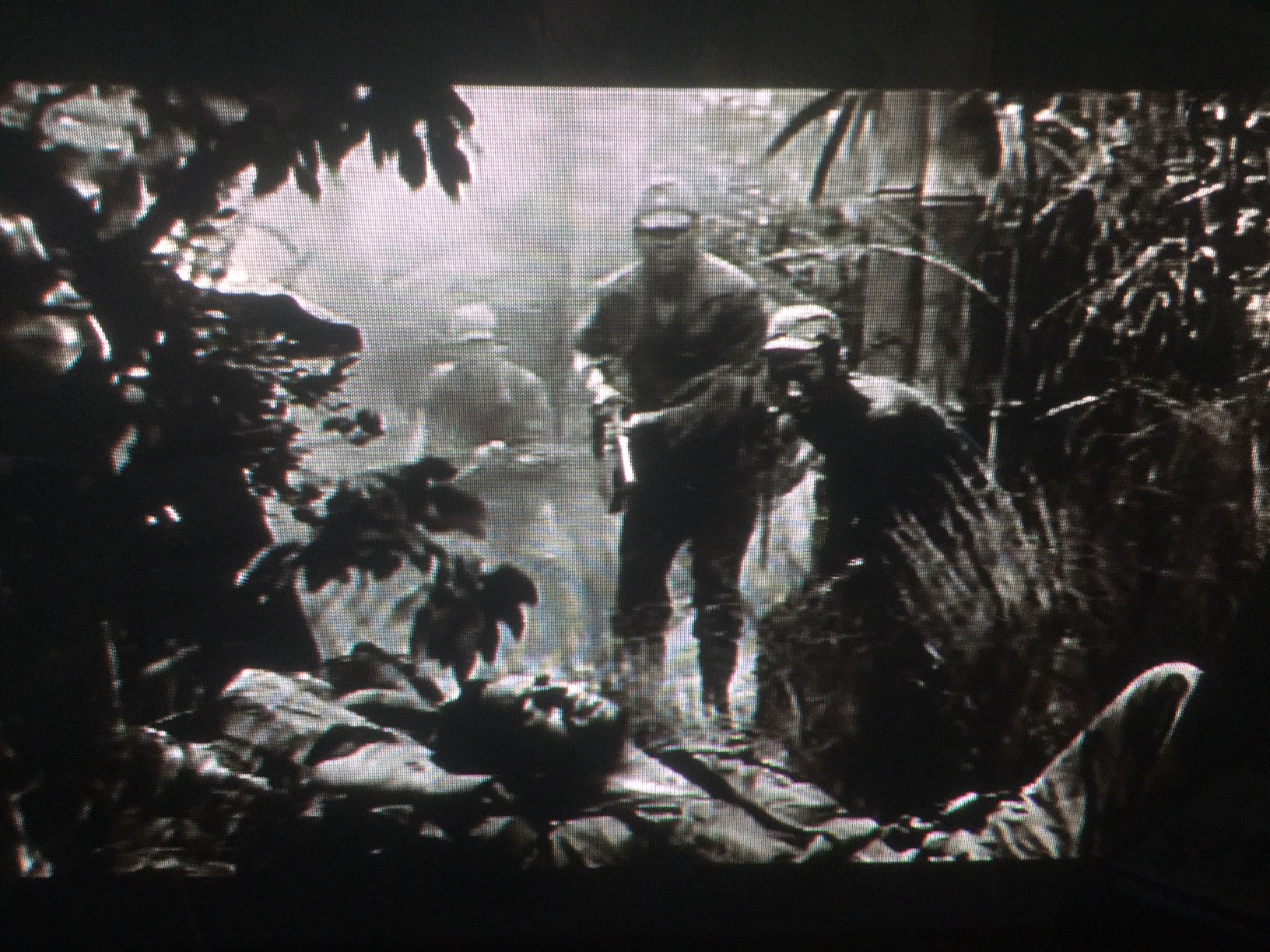
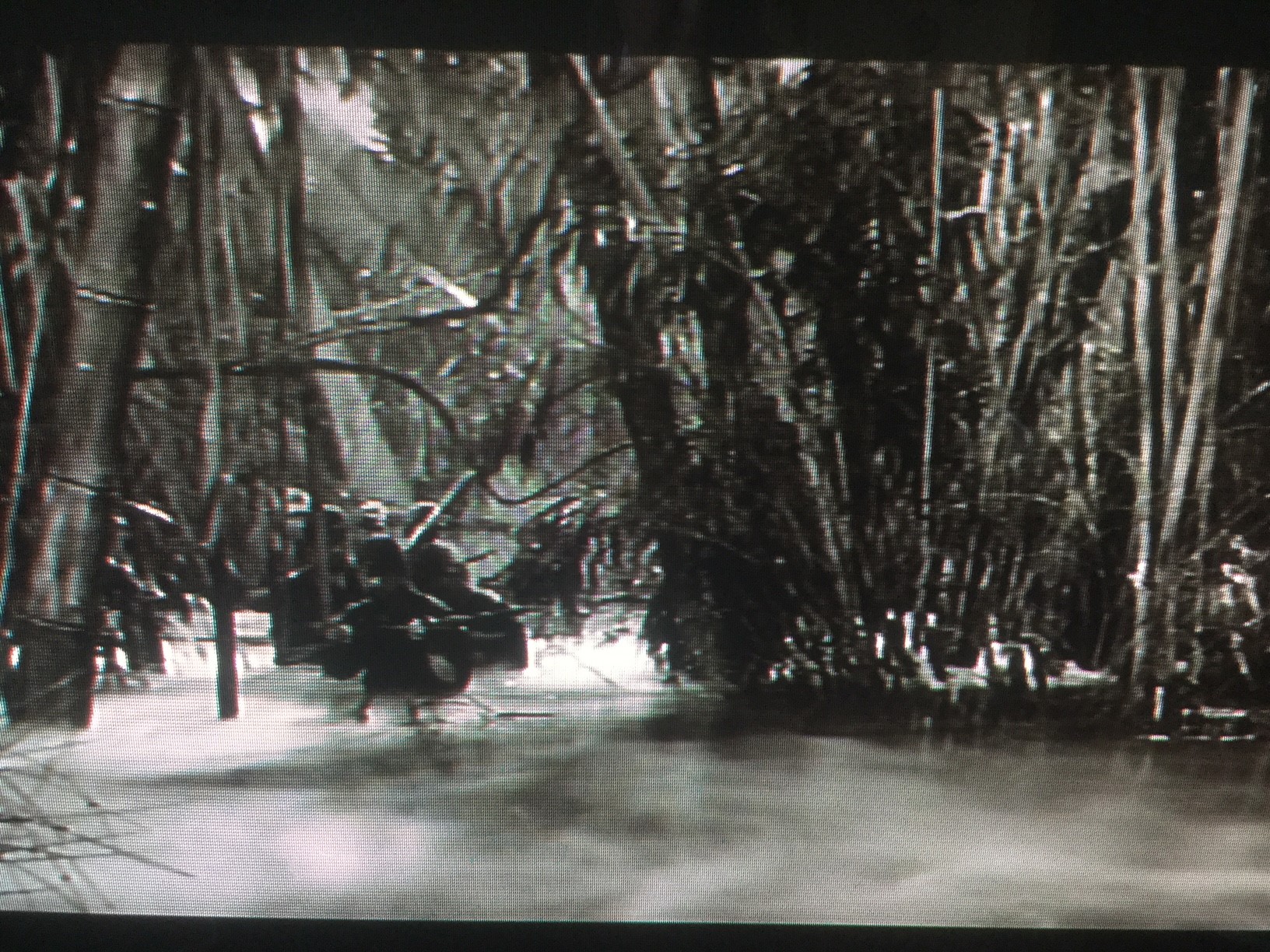
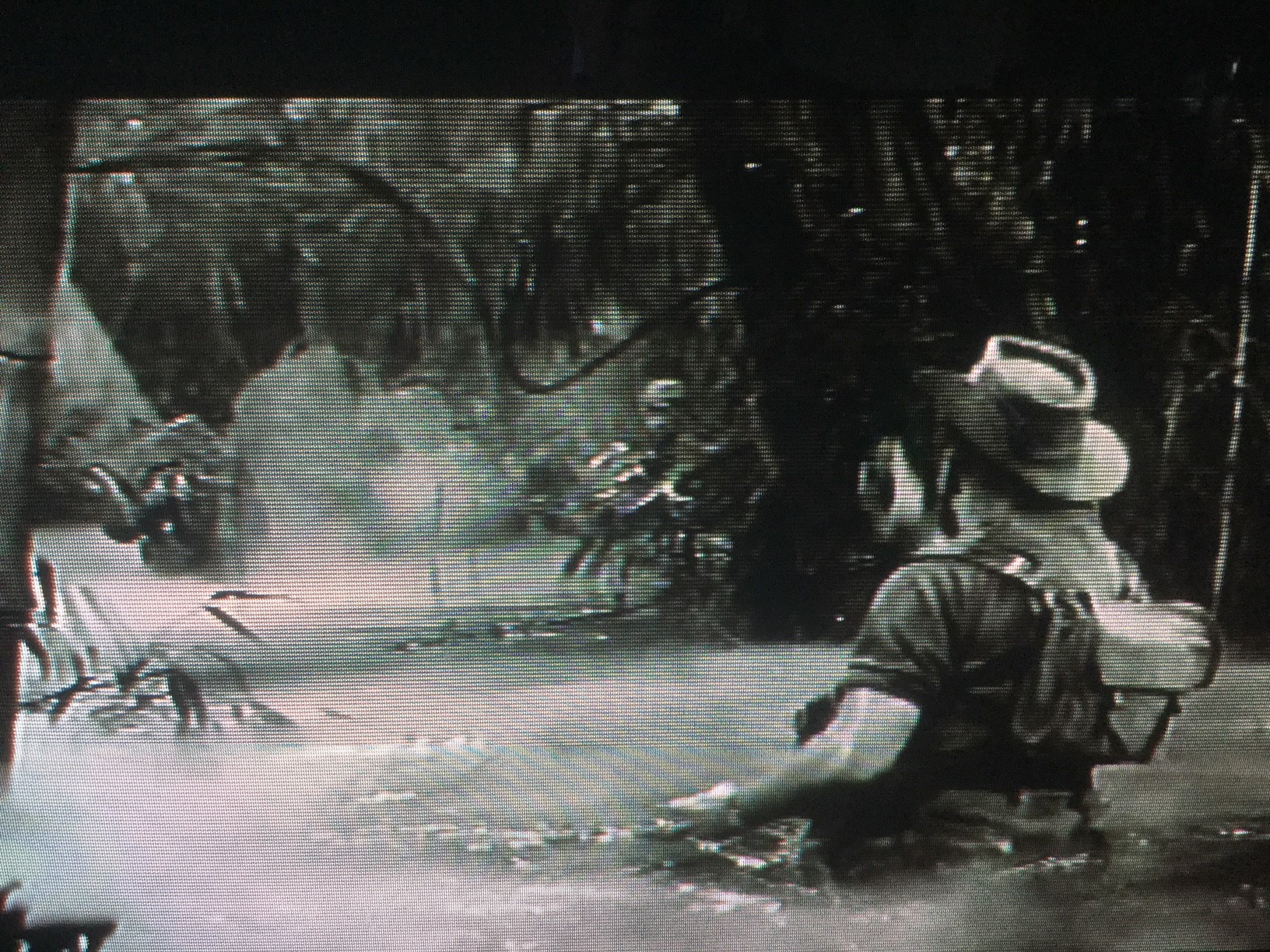
The Studio Jungle Sets I thought were excellent – and very realistic

Yesterdays Enemy 1959


Yesterdays Enemy 1959 2


Lost in the jungle, the film illustrates the quandary of the last remnants of a British brigade, who — without any method of communicating with headquarters — attempt to make their way to safety. Stanley Baker plays Captain Langford, who guides his men into a tiny Burmese village, only to find a small group of Japanese soldiers there, accompanying a very high-ranking officer. The enemy’s location is not a coincidence, either: the Japanese colonel happens to have in his possession a map that will either mean victory or defeat for the Allies.


Yesterdays Enemy 1959 3

Based on the 1958 BBC teleplay of the same name, the 1959 World War II drama Yesterday’s Enemy.

With Yesterday’s Enemy, however, we get to see something altogether different: the plight of a British regiment in the Burmese jungles fighting against the Japanese.

Yesterdays Enemy 1959 4

Filmed in MegaScope

Yesterdays Enemy 1959 5

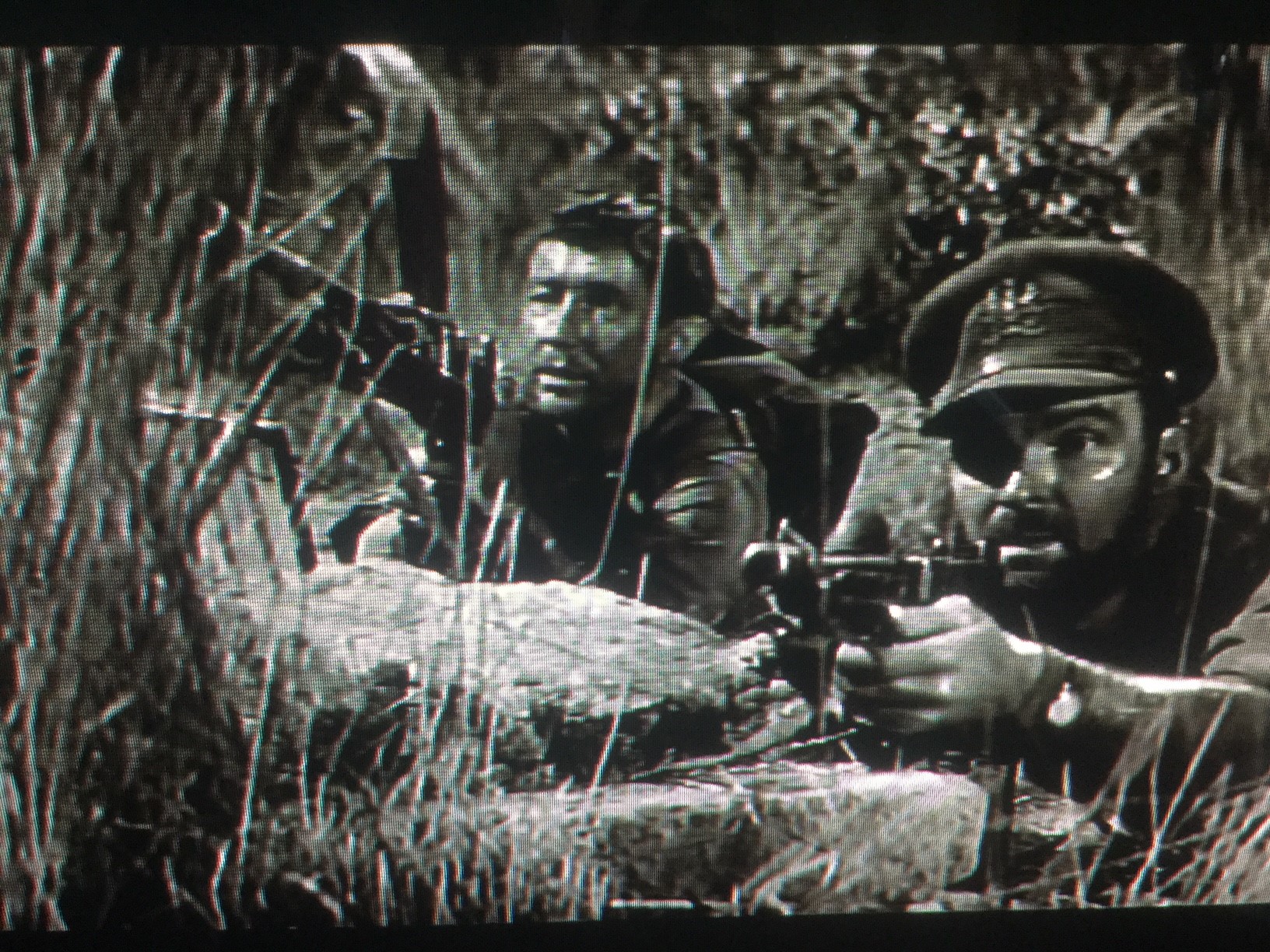
Val Guest directs this wartime drama which has  some very good  performances. Guy Rolfe is the British padre, Leo McKern – in an early role – is a journalist along for the bumpy ride, and Gordon Jackson, David Oxley, and Philip Ahne also star (the latter as a villain, of course).  Also I must mention Richard Pasco, who I remember, much later,  in Walt Disney’s excellent The Watcher In The Woods. He is very good in this one too.

Interestingly enough, the film contains no music score – unusual but in some ways adding to the drama.


Yesterdays Enemy 1959 6

Columbia Pictures co-funded the film alongside Hammer Films

Yesterdays Enemy 1959 7

Good Studio Sets of the Burmese Jungle

Yesterdays Enemy 1959 8

Realistic sets taking us into the Burmese Jungle.

Yesterdays Enemy 1959 9

I don’t know too much about MegaScope but it was a wide screen process that certainly looked good.

This 1959 black and white WWII film is, I would imagine,  one of the most realistic depictions of jungle warfare . Well  acted by all concerned


posted by Movieman in Uncategorized and have Comments (2)

Cyd Charisse

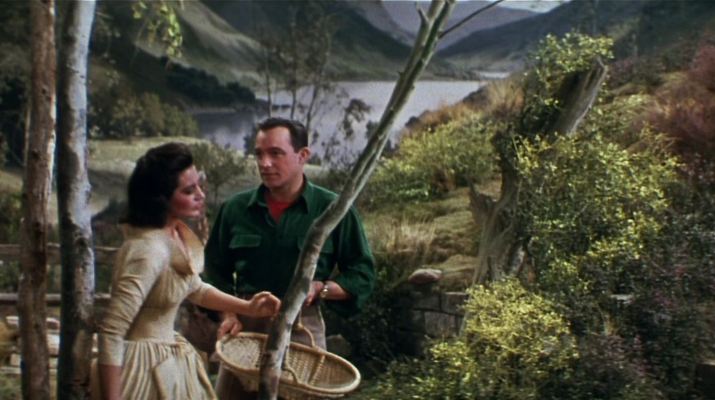
I remember Cyd Charisse from ‘Brigadoon’ set in  the Scottish Highlands – but actually filmed on the enormous studio sound stages of MGM Film Studios. Even though what we saw was a very large film set – it was beautifully done and on such a large scale that we were in the Scottish Highlands. Cyd Charisse

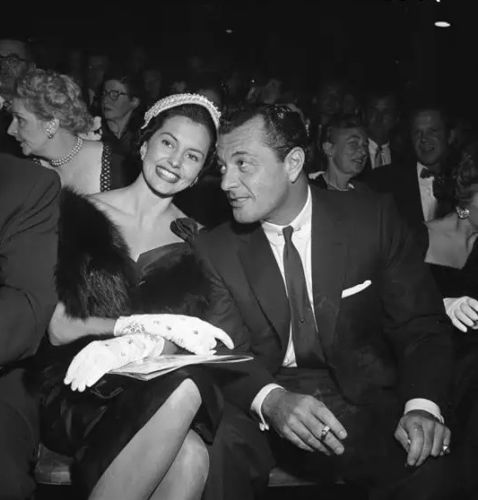
This picture was taken from the front cover of Illustrated magazine of 10 March 1951 – so quite a few years before Brigadoon Cyd Charisse, took up dancing to build up her strength after surviving polio as a child.    At age 6, the girl from Amarillo, Texas, found her calling.

Cyd Charisse didn’t stay in Amarillo for long and was soon studying ballet in California. She joined a professional company while still a teen and eventually married one of her instructors, Nico Charisse. He was 32, she still in her teens. The pair moved to Hollywood and taught together, but soon she was turning more toward films, appearing in several small films and eventually abandoning her dreams of being a touring ballerina with the birth of her son, Nicky, in 1942.

Fortunately, by 1946 she had signed a contract with MGM and began appearing in major films such as The Harvey Girls and Ziegfeld Follies. . Soon after that Cyd Charisse became a Hollywood star – she and her husband split (she kept his last name).

She was married to Tony Martina year later in 1948 and they remained together for more than 60 years. Her career stalled, unfortunately, because of a combination of injury, pregnancy and a poorly received film.

In 1952, her luck turned around when she won a role as Gene Kelly’s dance partner in the famous “Broadway Melody Ballet” from Singin’ in the Rain. Cyd Charisse

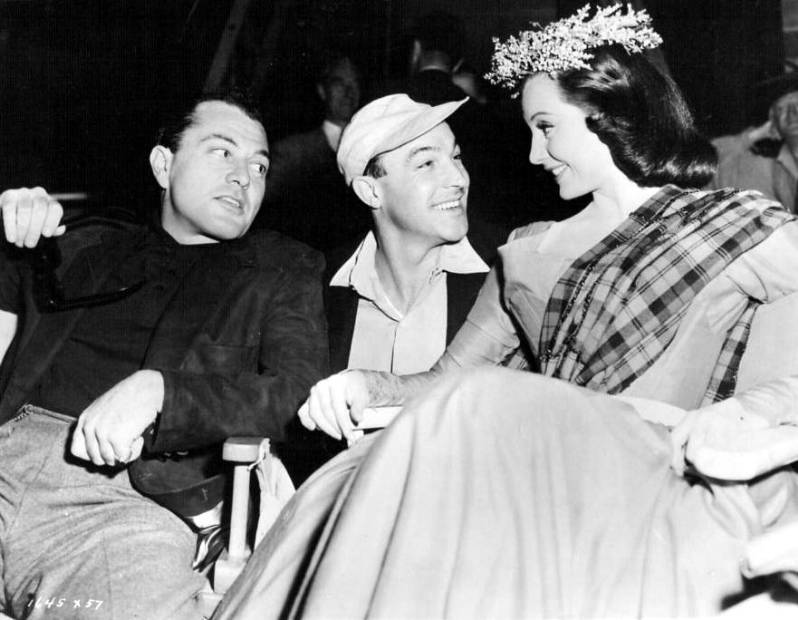
ABOVE:   Cyd Charisse with her Husband Tony Martin Left and Gene Kelly – centre – on set for Brigadoon.

Cyd Charisse and her husband Tony Martin   Cyd Charisse and her husband Tony Martin 2

ABOVE – Two Photographs of Cyd Charisse with her Husband Tony Martin In Brigadoon 1954 it sems that MGM’s musical producer, Arthur Freed, and Gene Kelly,  famously failed to find the Scottish location they wanted in the real Scotland. So they built their mysterious disappearing village and surrounding scenery in Culver City, Los Angeles.

Brigadoon 1954 There was enough heather, tartan and painted Cinemascope landscape to please most filmgoers though

posted by Movieman in Uncategorized and have No Comments

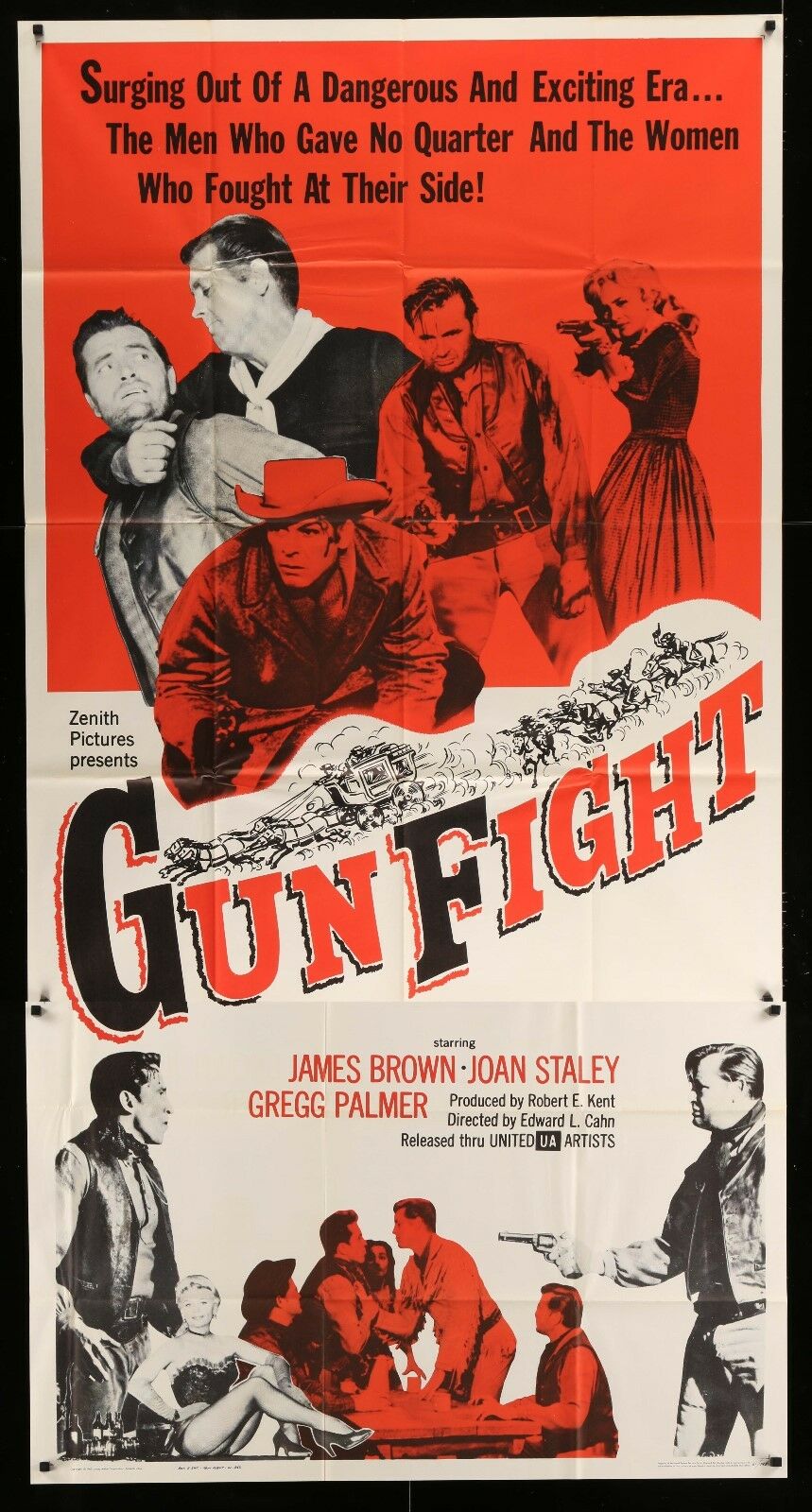
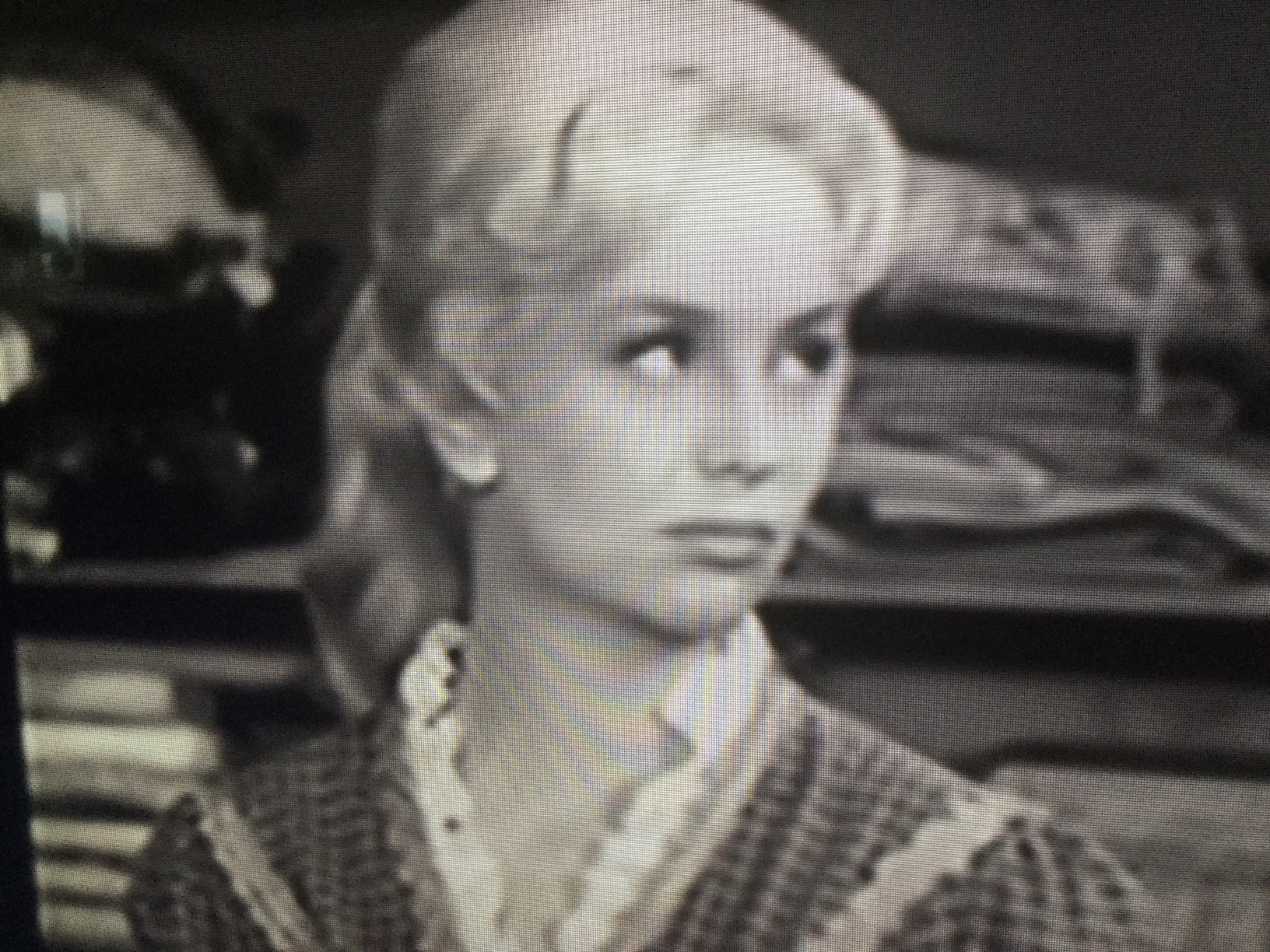
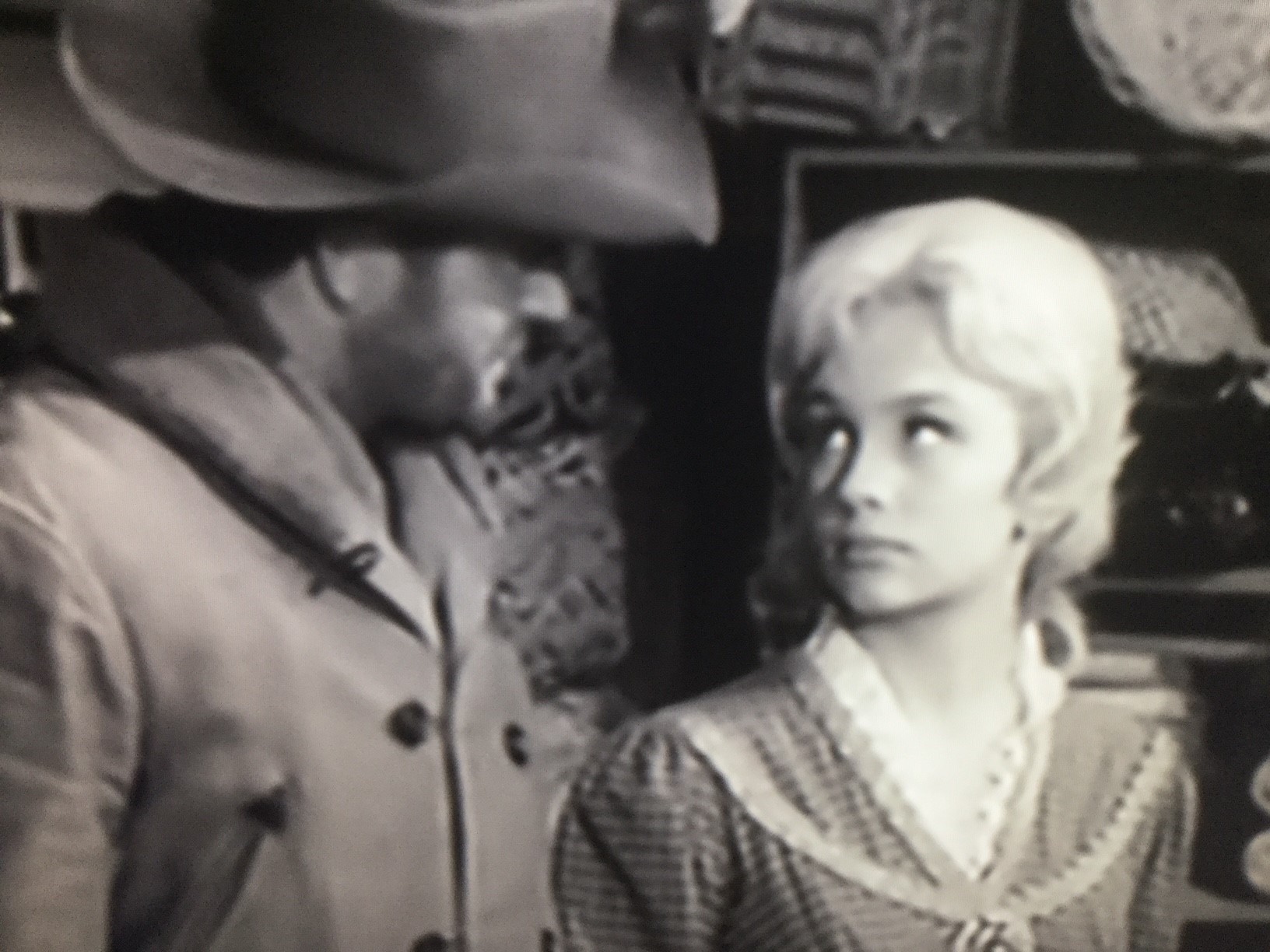
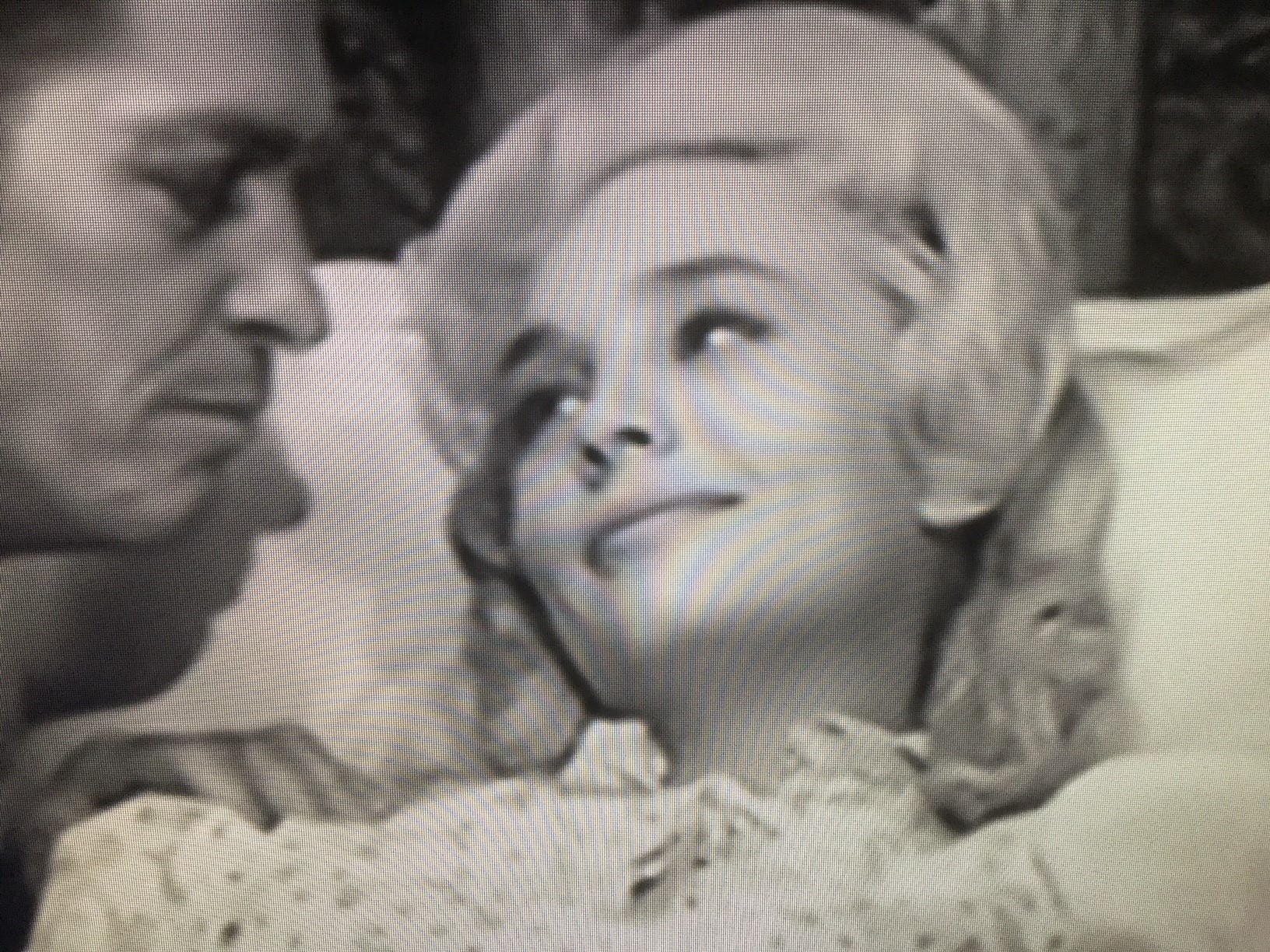
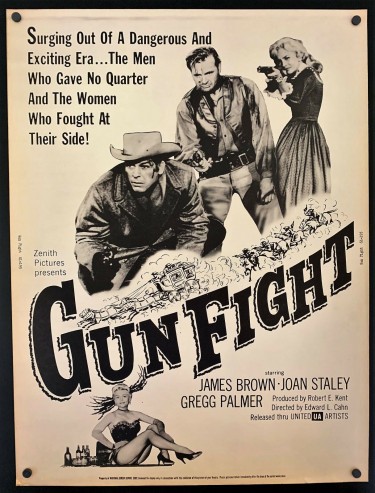
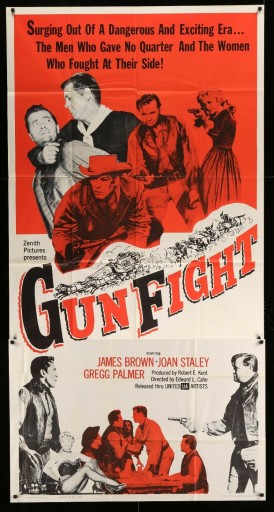
Gun Fight 1961 – with Joan Staley

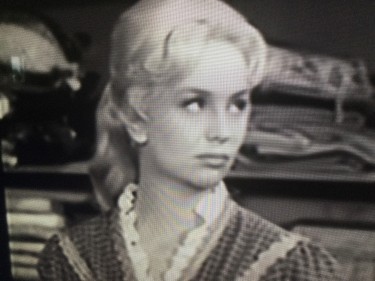
I did not know anything about this film when I started watching it on TCM at the Weekend – nor had I ever heard of Joan Staley.

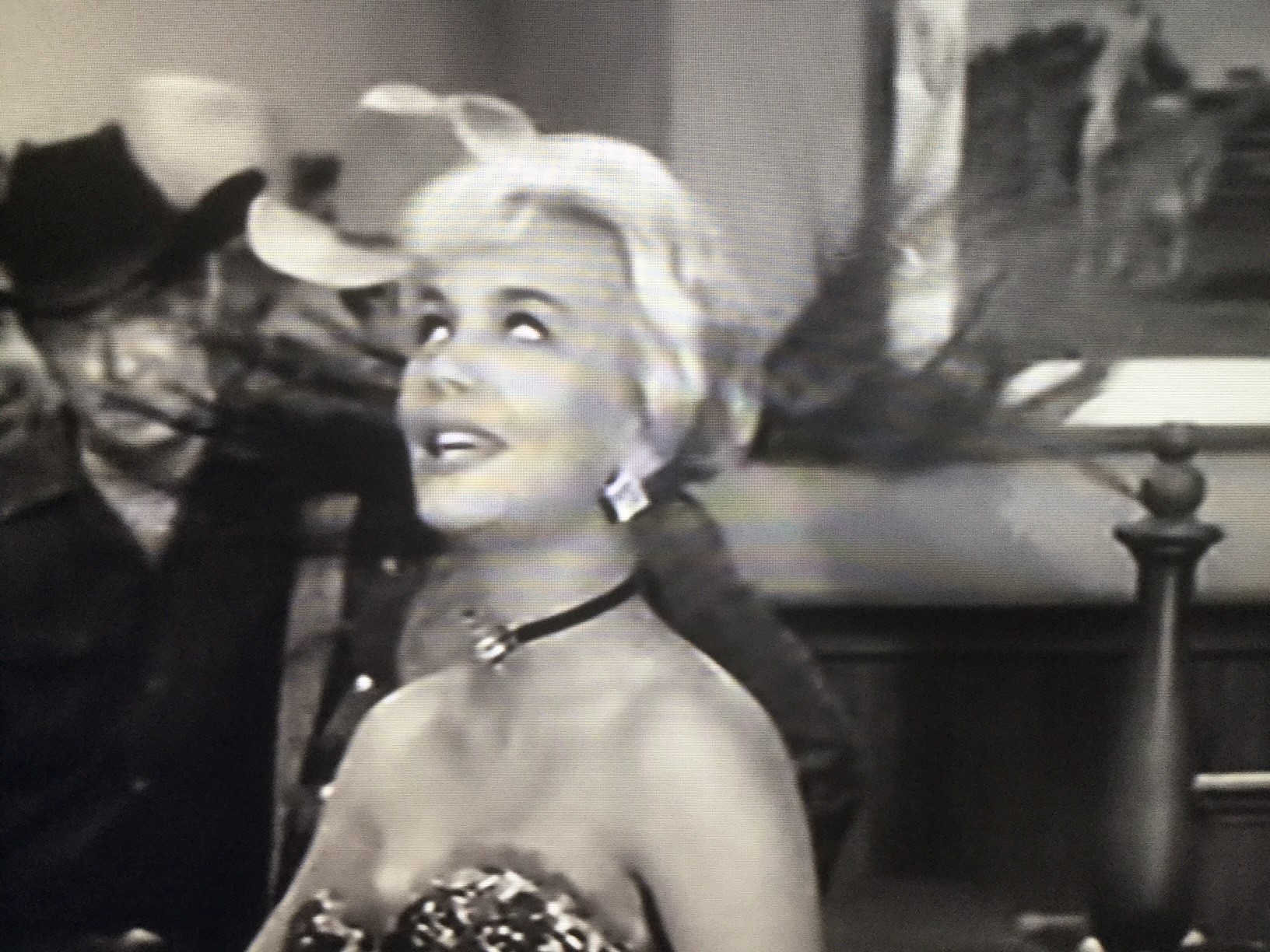
However when I got into watching it, she seemed like a very attractive girl and a pretty good actress at that
Gun Fight 5

Gun Fight 6

Gun Fight 1961

Gunfight 1961

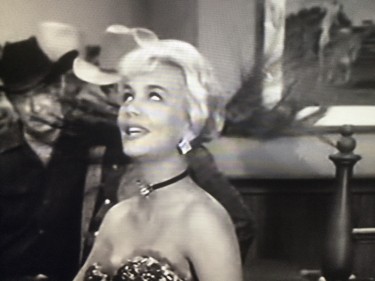
Joan Staley sings a song in the bar room scene
Gun Fight 2

Joan Staley

Gun Fight 3

Joan Staley

Gun Fight 4

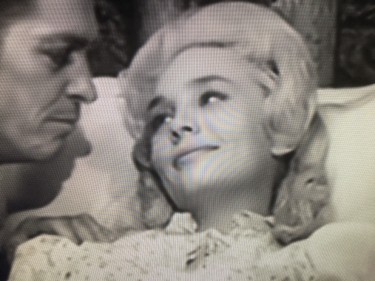
Joan Staley with James Brown  – A Happy Ending Above

Gun Fight 1961

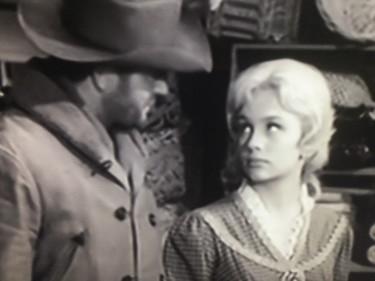
Gun Fight is  a low budget film but although it does not have a well known cast what is has got is a pretty good story and a cast that are giving it their best shot and that seems to show through in the film

Running time  just 69 minutes and I have to say that I found it enjoyable

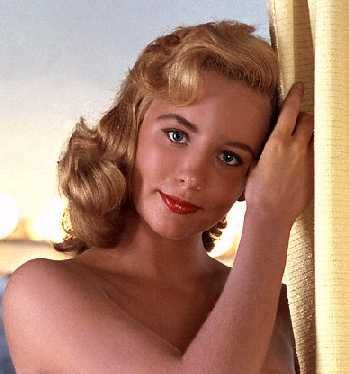
Snippets from Joan Staley’s career and life that I have come across. As I said I didn’t know her or anything about her but she seems a very interesting person.

Joan Staley was born in Minneapolis, Minnesota, to James Kenneth McConchie and his wife Jean Alexander McConchie, nee Fraser
Joan Staley

Joan Staley

In 1948 She made her film debut in The Emperor Waltz at age 8

She later married Chuck Staley and relocated with him to Memphis where she sang and did backing on some records for Sam Phillips and met Elvis.


Joan Staley confirmed this in an interview in which she said :-

When I was living in Memphis, there was a disc jockey by the name of Dewey Phillips and back then, he was the king of the South.  He was the king of Memphis.  And Sun Records, which is where Elvis got his start, was also in Memphis.  He would come in and plug his records and Dewey would play them.  And he would get interviews.  And one of those interviews overlapped on a meet-and-greet.  So me and my first husband, who was a cameraman for a local television station, got to meet Elvis.

That was in 1956 – so we became casual friends with Elvis.  We were invited to some of the celebrations at Sun Records.  He had a birthday once at Sam Phillips’ house and I was cutting his cake.  So, it was casual.   We were good acquaintances.  When he started making films and became this huge star and I had also made my way into Hollywood…Elvis had already made a couple of other pictures with co-stars named Joan.  Actresses with the first name, Joan.  And I saw him one time and said, ‘When’s my turn?  You’ve worked with every other Joan in town…when is my turn?’ (laughs

Shortly afterwards, I was cast in “Roustabout.”  He was a nice man.

When we were shooting “Roustabout.”  Elvis invited me back to his house with the guys and stuff.  And we had a chance to talk about Disneyland, this and that or whatever it would be, and I asked him, ‘What do you miss the most that your stardom has taken away from you?’  He gave me the strangest look.  And he said, ‘Wednesday nights.’

I said, ‘What do you mean, Wednesday nights?’  And he said, ‘Wednesday night church services.’  Those are the services where they just did prayer and singing.  No sermons.  They just had praise.  He said, ‘I miss the music.  And I miss the Wednesday night services.’  There is a poignancy in his gospel music that puts shivers on my spine.  He was a nice guy.  I’m so sorry that he died the way he did.  He lost his way.
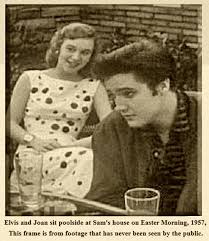
Joan Staley with Elvis

Joan Staley then returned to Los Angeles and worked as a secretary by day and did theatre work at night, performing at various venues

Her daughter Sherrye D. was born in Los Angeles

She divorced Chuck Staley in the early Sixties

Following her part in the Western Gunpoint (1966), starring Audie Murphy, and The Ghost and Mr. Chicken (1966), a Don Knotts comedy film, Joan’s career went downhill  after a horse-riding accident.

Her second husband is former Universal exec Dale Sheets. Twins were born to them, a boy and girl, on March 24, 1971. Since then, Joan has been content with family life and other outside pursuits.

Apparently her part in Breakfast at Tiffany’s ended mainly on the cutting room floor.

She has three children from her second husband. The Sheets family is a large one, with  Joan grandmother of ten and great-grandmother of twenty.

Joan Staley, who is soon to reach her eighties, is living a content and blissful life with her family in California.

BELOW is the FULL INTERVIEW with Joan Staley which I hope you find as interesting as I did.

As Interviewed by Casey Chambers

JOAN STALEY INTERVIEW  –  AUGUST 2016 


Casey Chambers:  The first movie I saw you in, and it’s still one of my all-time favorites, was “The Ghost And Mr. Chicken.” (1966)  I like everything about this movie.


Joan Staley:  I love that movie.  I saw it just the other night on television.  And it really holds up.  That was one of my last films. I had been doing a television series called, “Broadside” (1964-1965) which was a female counterpart to “McHales Navy.”  The pilot was done on the “McHale’s Navy” (set) and followed some of the same structure.  It ran for a year on ABC.  I played Roberta “Honey-Hips” Love, who was in the Navy as a WAVE and was an ex-stripper.  It was a total dumb blonde type character.

Anyway, Eddie Montagne, who was the producer of that television show said, ‘Joan,  I have something I want you to do.  It’s with Don Knotts.’  And I said, ‘Sold!’ (laughs)  It was wonderful when Eddie Montagne told me that my part in “The Ghost And Mr. Chicken” was going to be a straight role.  He gave me a brief thumbnail and I said, ‘Absolutely.’  So, that’s how it came about.


And I loved working with Don Knotts.  He was great!  He was a total perfectionist.  And he was incredibly prepared.  We shot the movie in 17 days.


Casey Chambers:  That sounds incredibly fast.


Joan Staley:  Yeah, it was.  We followed virtually television scheduling.  And “The Ghost And Mr. Chicken” outgrossed the Cary Grant movie released that same year.  So the studio was very happy.
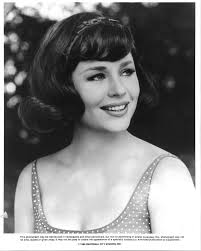
Joan Staley

Casey Chambers:  Eat my dust, Cary!


Joan Staley:  Absolutely.  And Dick Sargent was co-starring in it, too, and he and Don and I went on a tour.  We covered the South and the East for about two weeks, just hitting one city after another.  Sometimes two cities in one day.  And that was…exhausting! (laughs)  But the movie was opening in those cities and that’s what killed it.  And Don was such an incredible worker.  He was fighting a blood clot in his leg, which I didn’t know about at the time and should not have been on the road.  But it was taken care of.


Casey Chambers:  So, when you guys were touring, you would actually appear at different theaters where the movie was playing?


Joan Staley:  Right.  Most of them were theaters and some of them were just for the newspapers and press conferences, where lots of questions would be fired at us.  But usually, it was at the theatres.


Casey Chambers:  When did you finally get to watch “The Ghost…” for the first time?


Joan Staley:  While we were on our press tour, we never saw the whole thing.  It was always piecemeal. (laughs)  It wasn’t till we got back in L.A. that we watched it for the first time.  And I enjoyed it.  I thought…Wow!  This really clicks all the way through.  The character actors that they had, even in the minor roles, were stars.  Some of them had been stars in silent screen.  So they were all pros.  And it all was pretty much one take unless there was a malfunction of equipment.


Casey Chambers:  I recognized quite a few of them. And it was fun picking them out.  Real thespian veterans.  Was there a favorite scene or otherwise that you recall from the shoot?

Joan Staley:  Well, one scene…and it was not a favorite…but it was the picnic scene.  They used reflectors on an outside shot to catch the sun as well as the hot lights.  And their purpose was to reflect the sun back onto the actors.  They literally burned my eyes.  Or one eye.  They had to rush me to a doctor.   So, that was definitely not a favorite scene for me, (laughs)…but it was a memorable occurrence. I think my very favorite was the chicken soup scene when we’re inside the coffee shop.  Don was so wonderful to work with. C


Casey Chambers:  The “I’m having chicken noodle soup with Alma!” scene.  Where you’re already at the crowded diner, having to share a table with a customer finishing up his meal.

Joan Staley:  It was all I could do to keep from cracking up. (laughs)  Don cracked up first and then we were both snickering all the way through the scene.  The other actor trying to finish up his chicken noodle soup had to be so straight-faced.  It was just so funny.  That was a tough scene to shoot because there were three of us and each time a different one would start to crack up.  That was not a one take shot. (laughs)  And I also enjoyed the porch scene with Don.


Casey Chambers:  That was one of the sweeter moments from the film.


Joan Staley:  Yes, it was.  It was just Don and myself.  We worked very well together.  And it was such a joy, after all of the westerns, and the saloon girl characters, and the silly characters, to be able to simply play it straight.  It was such a joy.


Casey Chambers:  What was it like being a fixture on the studio lots back then?


Joan Staley:  Early on, I was under contract through MGM. And I spent a year there.  This was during the death throes of the contract player…as MGM always had contract players.  It was tutelage.  They had a drama coach.  Not so much for on set or on film, but just sequences.  Telling you where to place your hands.  Never to show the heel of your hand to the camera.  Maestro Cepparo was the vocal coach.  We’d follow into his studio on the MGM lot.  Followed Howard Keel for voice lessons and Vic Damone. I was an MGM Deb Star.  Every year, the wardrobe people would nominate one person from the studio for what would be considered future stardom.  It was like…society.  A coming out party.  And I was a Deb Star one year. (1962)  It was quite an interesting sequence of events.


Casey Chambers:  That’s good stuff. J


Joan Staley:  Yeah, it was.  And then my contract expired and I became freelance.  I then started at Warner Brothers, not under contract, but I started doing a lot of Warner Brothers shows.  And then I went under contract to Universal because they wanted the character of Roberta “Honey-Hips” Love for “Broadside.”  We had a contract with ABC for 36 episodes.   I also did a lot of other shows at Universal.  I did all their westerns.  “Wagon Train,” etc.


Casey Chambers:  What was the first TV show you got to dip your toe in?


Joan Staley:  “Perry Mason.”  I did several of them and my parts kept growing in content.  I don’t remember the succession of the roles, but I have done over 350 television shows and I have been involved in 30+ films. You made the rounds at the studios all the time.  The pictures.  And ya got to know the casting people for each show.  And you could actually go in and meet someone.  And, of course, I had an agent who would set up appointments for me.


Casey Chambers:   It sounds like a lot of running and dashing all over the place.


Joan Staley:  Yeah, you really were.  You carried your wardrobe in the car because you might have an appointment in the morning for one type of character and something else in the afternoon.


Casey Chambers:  A lot of chasing down jobs and rumors on the studio lot.


Joan Staley:  Yes, it was very busy.  And it could also be very disappointing because you’d make the rounds of the studios never knowing if you were going to be asked to read.  And it would be a cold read.  They would just open the script to a place and you’d read one sequence from a character and they would say, ‘Thank you very much.  We’ll let you know.’  And didn’t! (laughs)  But I was good at cold reading and at capturing the character. C


asey Chambers:  Cold is tough.


Joan Staley:  It is. It is tough.  And usually, the casting directors didn’t even give you a thumbnail.  You didn’t know if you were a good guy or a bad guy.  Sometimes they did.  And it was wonderful when they did. (laughs)  It made it a lot easier.  But there was a lot of discouragement.  You had to go into them happy and bubbly.


Casey Chambers:  Enthusiastic, sure.


Joan Staley:  Exactly…and you’d get knocked down and be left never knowing when you got a character.  They’d call you later.  After a day or so.  You were getting shot down a lot. You were either too tall, too short, too fat, too blonde, too dark.  Many of the casting directors would know what they were looking for.  Or know what the director was looking for.  But there were a lot of the casting directors who just didn’t. Casey Chambers:  Well, I’d like to switch gears and jump to another iconic film you made from the 60’s…“Roustabout.” (1964) Joan Staley:  With Elvis. “Roustabout” Trailer (1964)


Casey Chambers:  Yeah, I was hoping you might share a little story about working with “The King,” if you wouldn’t mind?


Joan Staley:  Sure!  When I was living in Memphis, there was a disc jockey by the name of Dewey Phillips.  And back then, he was the king of the South.  He was the king of Memphis.  And Sun Records, which is where Elvis got his start, was also in Memphis.  And he would come in and plug his records and Dewey would play them.  And he would get interviews.  And one of those interviews overlapped on a meet-and-greet.  So me and my first husband, who was a cameraman for a local television station, got to meet Elvis. Casey Chambers:  This would have been back in the ’50s, right? Joan Staley:  Oh yeah.  It was in 1956.  And we became casual friends with Elvis.  We were invited to some of the celebrations at Sun Records.  He had a birthday once at Sam Phillips’ house and I was cutting his cake.  So, it was casual.   We were good acquaintances.  When he started making movies and became this huge monster star and I had also made my way into Hollywood…Elvis had already made a couple of other pictures with co-stars named Joan.  Actresses with the first name, Joan.  And I saw him one time and said, ‘When’s my turn?  You’ve worked with every other Joan in town…when is my turn?’ (laughs)


Shortly thereafter, I was cast in “Roustabout.”  He was a nice man.   We were on set.  We had several sets in the film.  But there was a scene where he was going to take off and just leave me.  And I was supposed to slap him.  And I said, Elvis, do you really want me to slap you?’  And he said, ‘Yeah!  I do karate.’  I said, ‘Oh come on!  Karate is not slapping’ (laughs)  So when we came to that point in the scene, I hauled off and whacked him!


Casey Chambers:  For real?


Joan Staley:  For real.  I said, ‘Do you want me to pull it?  Do you want me to pull the slap?’  Because I was at a camera angle where I could have pulled the slap and not hit him.  But he said, ‘No! No, no, no!  I want you to slap me.’  I said, ‘Are you serious?’  And I could talk to him because I had known him in Memphis.  So I said, ‘Okay!’  And the slap that you hear in the film is the one that I delivered.  That was not dubbed in.


Casey Chambers:  I’ll never hear “Don’t Be Cruel” the same way again! (laughs)


Joan Staley:  Yeah, his head shook!  Anyway, a story that I have only told once before…and not in recent years…was when we were shooting “Roustabout.”  Elvis invited me back to his house with the guys and stuff.  And we had a chance to talk about Disneyland, this and that or whatever it would be, and I asked him, ‘What do you miss the most that your stardom has taken away from you?’  He gave me the strangest look.  And he said, ‘Wednesday nights.’ I said, ‘What do you mean, Wednesday nights?’  And he said, ‘Wednesday night church services.’  Those are the services where they just did prayer and singing.  No sermons.  They just had praise.  He said, ‘I miss the music.  And I miss the Wednesday night services.’  And I’ve never heard that in print.  And if you listen to his gospel music and you listen to his voice, there is a poignancy that isn’t there in the other songs.  He had fun with the other songs.  And he worked ’em well.  But there is a poignancy in his gospel music that puts shivers on my spine.  He was a nice guy.  I’m so sorry that he died the way he did.  He lost his way.


Casey Chambers:  It was sad.  I loved hearing that story.   Cherry-picking another one of your films, I’d like to ask you about your western adventure…“Gunpoint.” (1966)


Joan Staley:  Yes, that was my picture I did with Audie Murphy.  He was a nice man, too.  And you know the story of Audie Murphy, right? He was a medal of honor winner.  Cited for incredible bravery.  We were filming on location in Utah for that picture.  And that was a rough location.  We came into St. George, Utah which is a lovely city now, but back then it was mostly just motels and rest stops on the way to the capital city.  But it was beautiful scenery. Anyway, there was this one sequence…and before I go on, let me tell you that I have been in Paris.  That’s where I graduated from high school.  I have been to the top of the Eiffel Tower.  I mean, my senior year in high school, I was hanging, ya know, over the side of the Eiffel Tower.  And in those days, they didn’t have any protection like they do now.  So I didn’t think I had any problems with heights. But there was a sequence in this movie where we were going up the side of a cliff.  They had told us on the way up, we were using good horses.  And to hold onto the horse in front of you by the tail and hold on tightly to the reins on the horse behind you…’cause we were walking them.  We couldn’t ride them up.  And the horses were not at all thrilled with going up, I must tell you! (laughs)

But that’s the way we went up.  Then when they changed the camera shot, they wanted me to be standing on the side of this cliff.  After the shot, they said, ‘Okay, Joan.  C’mon.  Cut. We’re fine.’  I couldn’t move.  And I said, ‘Y-y-y-you want me to come down?’  And they said, ‘Unless you’re going to spend the night up there, yes.’  And I couldn’t. I was so embarrassed because they had to halfway shut down the production.  The camera guys were already carrying their reflectors and stuff down.  They were slipping and sliding, but they got down the side.  And I couldn’t move.  I was scared to death.  Here I was starring in this picture and I couldn’t move. (laughs)  Everybody in the crew was watching.  Everybody in the cast was watching.  And I’m the only one on the side of the cliff.  Finally, the director said, ‘Joan, just sit down and slide.’   And s-l-o-w-l-y, that’s what I did.  The whole way down.  They had a bit of a cheering section going on for me. And Audie was a practical joker.  There was this one time when the cast and crew were staying at a typical motel.  And the stuntmen would all congregate in one of the rooms before they decided to call it a night.  And Audie threw in a bag of snakes.  He just wanted to see what everybody would do.  And, of course, they scattered.  He was a kid at heart.


Casey Chambers:  Was it around this time that you decided to take a break from show business?


Joan Staley:  It was.  And I didn’t leave show business entirely.  I broke my back the last year of my contract with Universal.  My husband Dale (Sheets) and I were horseback riding and we had some of our kids with us.  And by the way, the name Staley was my married name from my first husband, Chuck Staley. Anyway, we were horseback riding around Griffith Park and the horse that I was on was a Stallion.  And something spooked him.  Or he just wanted me off, I’m not sure which.   Horses have a lead foot that they start out with.  And he started changing leads.  He started spinning.  And then he switched leads.  And he did this about four or five times.  I reset successfully each time.  And then on the last one, he changed leads and I went…‘I’m going off.’  All I could think of was I wanted to make sure the reins were tightly in my hands because he bucked.  He bucked me over his head and I wanted to hold onto the reins so that he wouldn’t step on me.  So I held the reins and I landed in some metal.  And I broke my back.


Casey Chambers:  Now that’s scary!


Joan Staley:  Yeah, it was.  I tried to get back on the horse, and couldn’t handle it…so I got off and walked him back.  We stopped by my mother-in-law’s house to drop off the kids and I laid down on the floor and could not get up.


Casey Chambers:  I dropped an ice tray on my foot once and I howled like a baby!  You’re amazing!


Joan Staley:  Well, I think I was in shock, honestly. (laughs)  My husband took me to the hospital.  They X-rayed me and said, ‘Joan, I’m sorry to tell you this, but you’ve broken your back.’  And I started to laugh.  Laughing was not the right thing to do because that made it hurt even more.  Anyway, I spent the next couple of months in a brace.  I could not get up out of bed.


Casey Chambers:  Good lord, you’re Wonder Woman.  I can see how that would slow down your film career.


Joan Staley:  It was all, “This can’t be true!’ (laughs)  I had met my husband, Dale, at Universal.  He was an executive and was gorgeous…and we started dating and consequently got married.  We’ve been married for 49 years.  We have 7 children.  And 7 grandchildren.  And 24 great-grandchildren. Casey Chambers:  That sounds like a nice legacy you’ve grown. Joan Staley:  It is.  When Dale left Universal, we started up a personal management company for artists, singers, and actors.  And our first client was Mel Torme.  A fabulous singer. “Autumn In New York Medley”  –  


Casey Chambers:  Oh yeah, Mel is huge.


Joan Staley:  Yeah.  We managed Mel his whole career.  In fact, we still manage his estate.


Casey Chambers:  Do you have a favourite song? J


Joan Staley:  Every piece of music that he did.  Mel was a master musician and he, too, was a total perfectionist.  One of my favorites was “Autumn In New York.”


Casey Chambers:  He was known as The Velvet Fog, right?


Joan Staley:  Yeah, and that was a name given to him that he hated.


Casey Chambers:  Why did he not like it?  It was a good thing.


Joan Staley:  It was a compliment, but he didn’t see it that way.  It was given to him by a disc jockey named Robin who had a show in New York called “Robin’s Nest” and Mel didn’t care for that.  But he did succumb.  The license plate on his Rolls-Royce said…El Fog. We managed Mel for 35 years and that led to many, many, many other artists.  Some of whom we still manage.  We are very excited about managing The Four Freshmen, who are in their 24th incarnation and still internationally touring.  Brian Wilson, whom we’ve met many times, has said that if it wasn’t for The Four Freshmen, the Beach Boys wouldn’t have had the sound that they did.


Casey Chambers:  It sounds like you guys are just as busy as ever. “Zaz Turned Blue”  –  Was (Not Was) feat. Mel Torme (1983)


Joan Staley:  Yeah, we are.  And Mel had a saying and it’s true…‘When you rest, you rust.’  And so many people will retire, they’ll play a little golf, and pretty soon, it’s…bye-bye!  And we’re not ready to go yet.


Casey Chambers:  Something to think about.  Well Joan, thank you so much for letting me cherry-pick a few of your many achievements.  I really appreciate it.


Joan Staley:  Casey, thank you very much.


(


posted by Movieman in Uncategorized and have Comment (1)

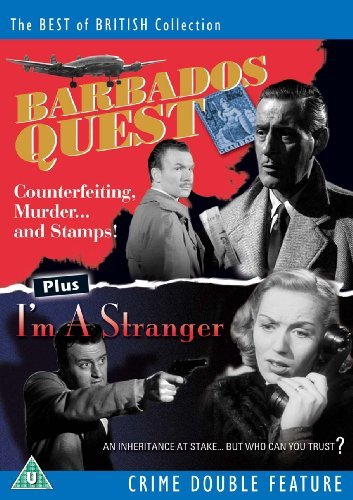
Viking Film Studios – I’m a Stranger 1952

I had never heard of these Film Studios, and it was only when I was l0oking at the films of James Hayter that I came across one called I’m a Stranger made in 1952 at the Viking Studios in London.

Double Bill

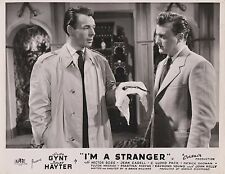
The Film I’m a Stranger 1952  gets off to a quirky start, with glamorous star Greta Gynt, playing herself, having engine trouble en route to meeting a Hollywood producer, accepting a lift from local window cleaner and amateur sleuth James Hayter, discovering an injured woman in the back of his van and even more improbably, hanging about to help him investigate.

There is a  rather clever twist ending though.   Jean Cadell has an unsympathetic part as usual, as a charmless nurse, Charles Lloyd Pack hams it up as a smug lawyer and there’s an early role for a young and barely recognisable Fulton MacKay as a doctor called Alastair Campbell. Another famous-name-to-be, this time behind the scenes as editor was future Carry On director Gerald Thomas.

I'm a Stranger 1952

This film can be recommended to fans of British 1950’s B films, especially for the enjoyable performances from Greta Gynt and James Hayter.

I'm a Stranger 1952 2

Viking Studios was located in St Mary Abbots Place, a quiet cul-de-sac off Kensington High Street in central London.

For filmmakers on low budgets these Studios proved a boon as it meant they could create the illusion of filming in different places without ever leaving the street because all the houses on the street  had been built in a different style.

So in “I’m a Stranger”, John Kelly walks past number 5, knocks on the door and enters number 3 (actually a door into the studio). Later, Greta Gynt tells James Hayter (who comes to her assistance) that her car has broken down. In reality, they’re across the road from the studio. When she and James Hayter drive off, they’re heading towards the end of the cul-de-sac. They stop upon discovering their stowaway and are, in fact, outside number 2 – which is where they started. Their stowaway asks to be taken to ‘Dr. Westcott, number one Oxley Street’. They oblige and arrive at 1 St Mary Abbots Place, just across the road and another door into the studio.

The Viking Studiowas also known as ‘St Mary Abbott’s Place Studios’.  It was sited, not surprisingly, in St Mary Abbott’s Place which is just off Kensington High Street – between Edwards Square and Warwick Gardens in Kensington.  A document dated 1953 states that there were two studios, 1: 40ft x 26ft and 2: 35ft x 26ft.  Looking at the plan below, it appears that these were knocked through to form one larger studio some time between then and 1955.  This probably happened when ITV became involved.


Viking Film Studios Site


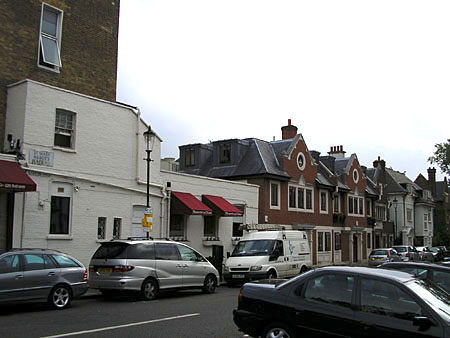
St Mary Abbott’s Place in 2006. The studios were on the site of the new red-brick building to the right of the white-walled restaurant.

Viking Film Studios Site 2

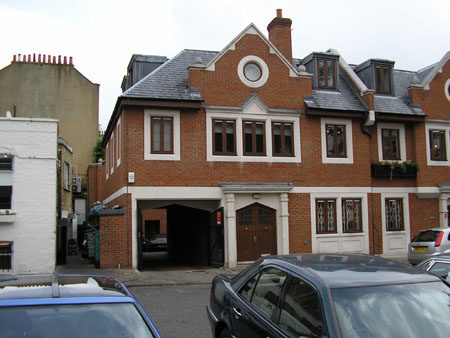
The frontage of the new building on the site of the Viking Studios. The passage on the left was the original access to the studio although at that time it was wide enough to reverse a scenery truck up it.


posted by Movieman in Uncategorized and have Comment (1)

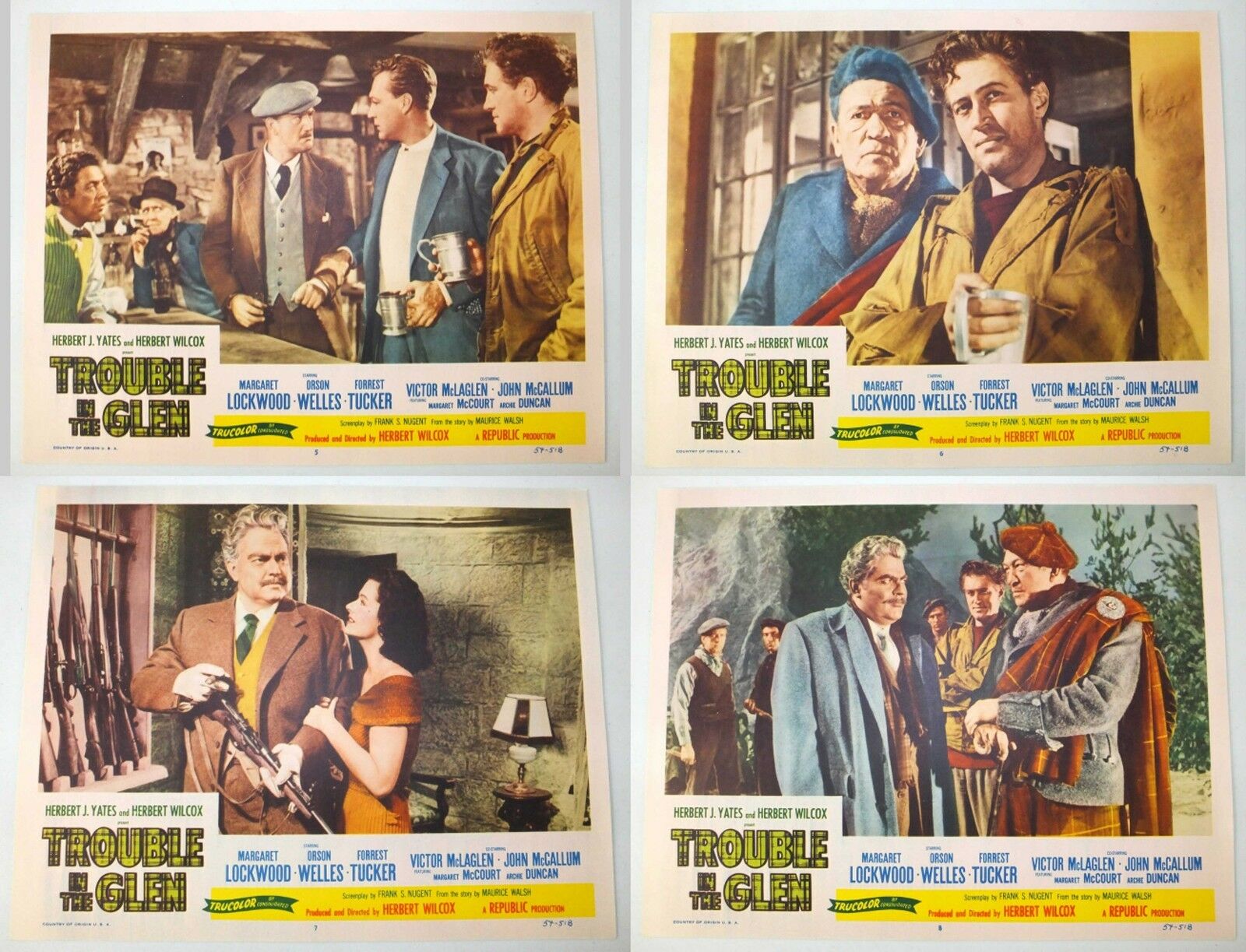
Trouble in the Glen 1954

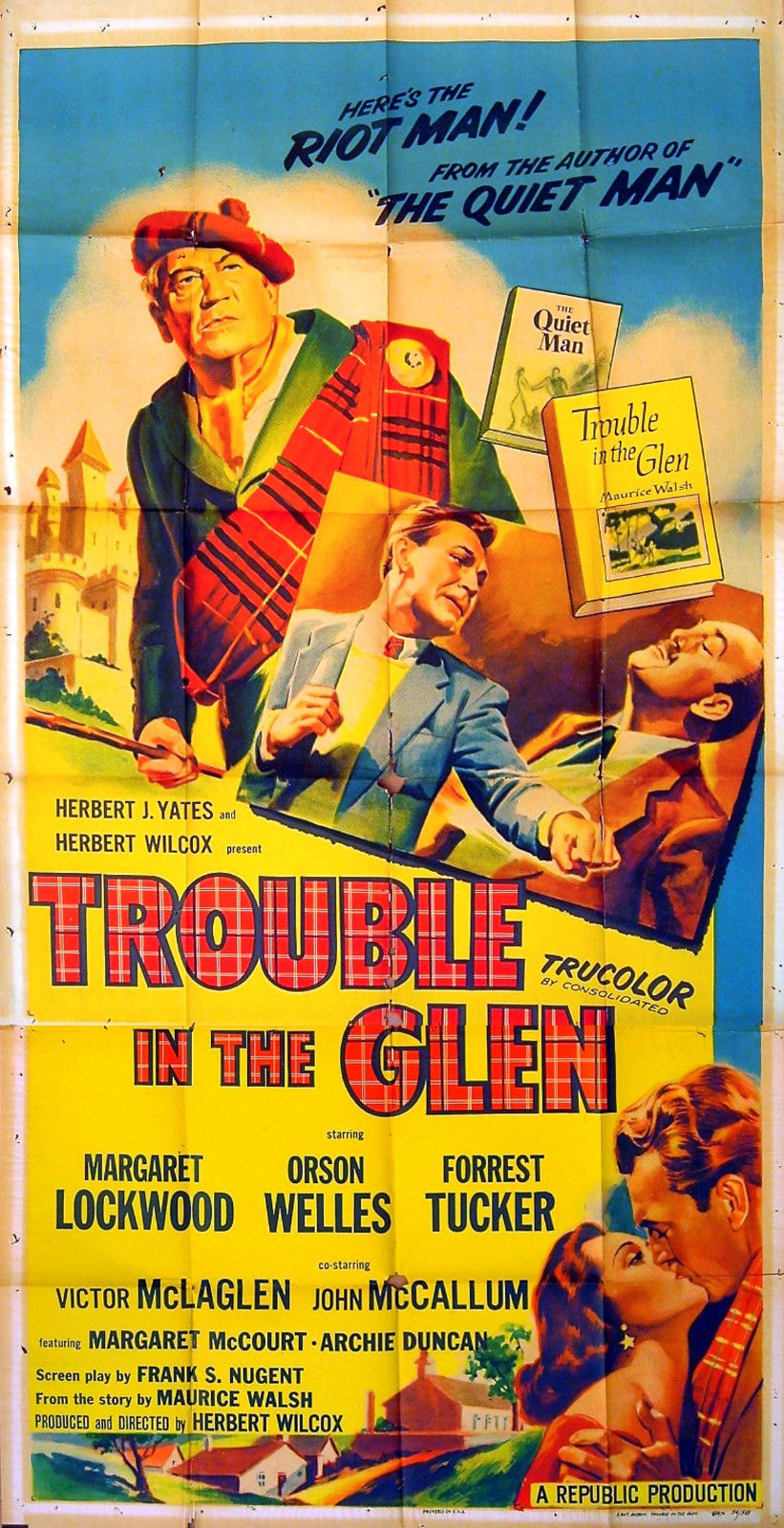
This one didn’t fare well at the Box Office even though it is awash with Film Stars of the time including none other than Orson Welles – plus Forrest Tucker, Margaret Lockwood, Victor McLaglen and John McCallum.

I remember seeing this film at The Gaumont Cinema in St.Albans when very young – and remember bits of it.

My Brother and I went with My Uncle and Aunt who lived in the City – as we had gone on holiday to their home at the time which  we often did in the Summertime.  I loved it there.

Trouble in the Glen

Trouble in the Glen is a comedy featuring Orson Wells (in a kilt) as the new laird who stirs up the locals. The film is a mix of studio and location filming with some scenes filmed in Perthshire


Trouble in the Glen 2

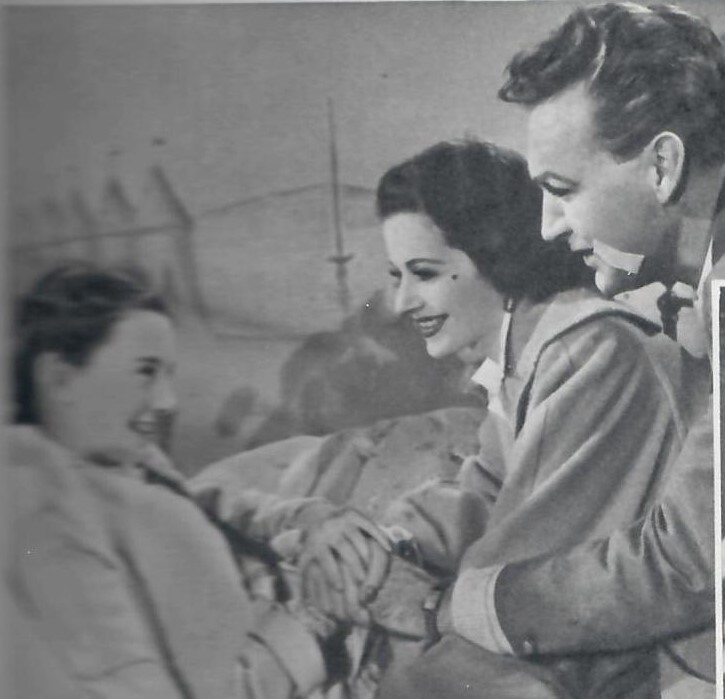
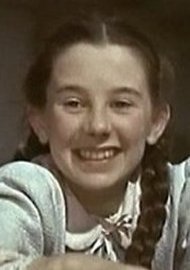
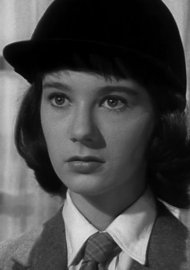
In the Film Forrest Tucker’s Daughter who was crippled following Polio, is played by Margaret McCourt who had quite a busy career through the Fifties as a child actress – She was in The Invisible Man

Margaret McCourt

ABOVE – Margaret McCourt in Trouble in the Glen

Margaret McCourt 2

ABOVE – Margaret McCourt in The Invisible Man


Trouble in the Glen 3

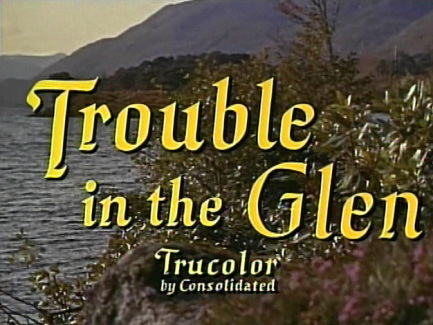
Filmed in TRUCOLOR – I hadn’t realised that until I saw this title. It looked good though.

Trouble in the Glen 4

Margaret McCourt, Margaret Lockwood and Forrest Tucker

Orson Welles

Orson Welles

Trouble in the Glen is a sort of sequel to Republic’s biggest hit “The Quiet Man” – same writer and same formula.

Orson Welles and Victor McLaglen are at their scene stealing best. Forrest Tucker and Margaret Lockwood are an attractive pair of romantic leads.

The film is reasonably fun mainly because of Orson Welles constantly hamming it up and just having fun. In fact, Orson Welles is so larger than life in his presence and portrayal that he pretty much blasts poor Forrest Tucker off the screen any time they are together. Victor McLaglen is quite good and well able to hold his own with Orson Welles – but they do work well together.

The Film was made at Elstree Film Studios for Republic Pictures  – with location filming in Perthshire.

Trouble in the Glen


Trouble in the Glen 2


A set of Stills from the film – I used to love these and gaze at them when passing the cinema on my way to School for whichever film was showing that week – sometimes two programmes per week though -in the town  I have seen better than these but nevertheless these are good examples of what we would see.


posted by Movieman in Uncategorized and have No Comments

The Pickwick Papers 1952

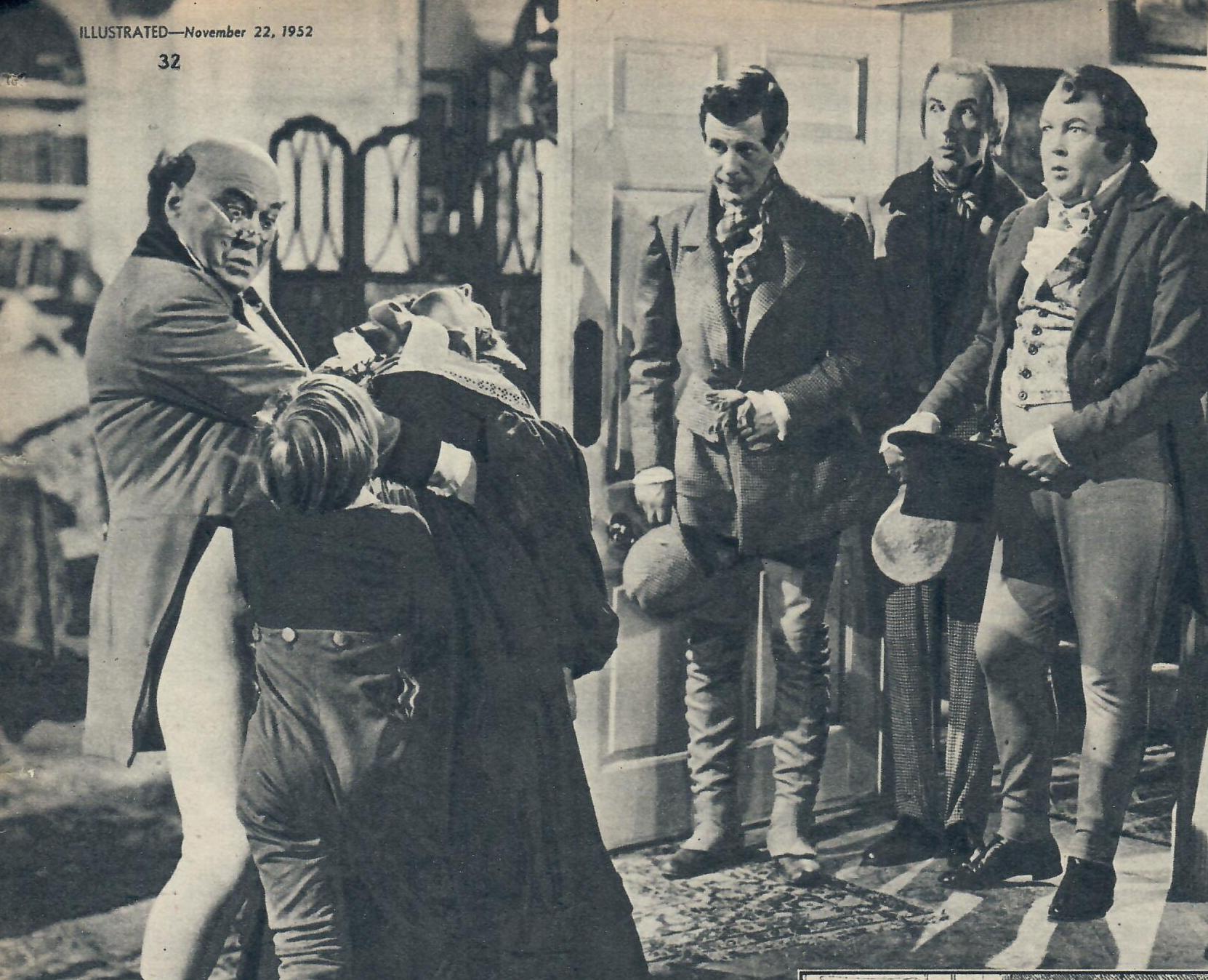
James Hayter played the title role and did it very well indeed – in that same year he was also Friar Tuck in The Story of Robin Hood and His Merrie Men  so his two most famous roles in a long career, came in the same year.

Coincidentally  Alexander Gauge – pictured below with James Hayter and James Donald, also played Friar Tuck in the Television series The Adventures of Robin Hood with Richard Greene

Pickwick Papers

Noel Langley with only his first film as a Director, did a great job in this 1952 film, and captured the essence of the novel. He also did much of the adapting and writing of the script.

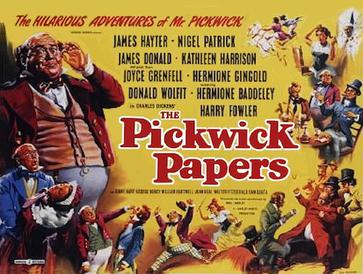
The Pickwick Papers 1952 Poster

James Hayter as Pickwick and Nigel Patrick as the charming swindler Mr Jingle head up a wonderful British cast.  Wilkie Cooper’s black-and-white cinematography, Frederick Pusey’s art direction and Beatrice Dawson’s Oscar-nominated costumes make a stunning combination. It was made at Nettlefold Studios in Walton-on-Thames, Surrey, and features some unmistakably English scenery.

Just about all the actors chosen for the roles seem perfect for their parts, from  Harry Fowler as Mr Pickwick’s  faithful manservant Sam Weller (several of his famous Wellerisms are included) to Joyce Grenfell in a brief cameo as awful poet Mrs Leo Hunter, Hermione Gingold as indignant headmistress Miss Tompkins, Kathleen Harrison as the flirtatious Rachel Wardle, and Gerald Campion, best known as Billy Bunter, as the Fat Boy, Joe, who doesn’t get much screen time but makes the most of it.

Other well-known British actors include  Hattie Jacques, music-hall veteran George Robey in a brief scene as Sam’s father Tony Weller,and the first Doctor Who, William Hartnell, in a brief role as an angry cab driver.

Mr Pickwick and his club members set off on their travels around England and land up in all kinds of comic trouble.  Understated performance from  James Donald as the terrified Mr Winkle. Who could forget  the scene where Mr. Pickwick ends up in a lady’s bedroom by mistake after getting lost in the corridors of the Great White Horse Hotel  in Ipswich.
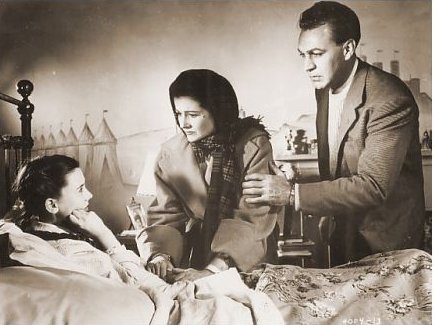
Pickwick Papers 2


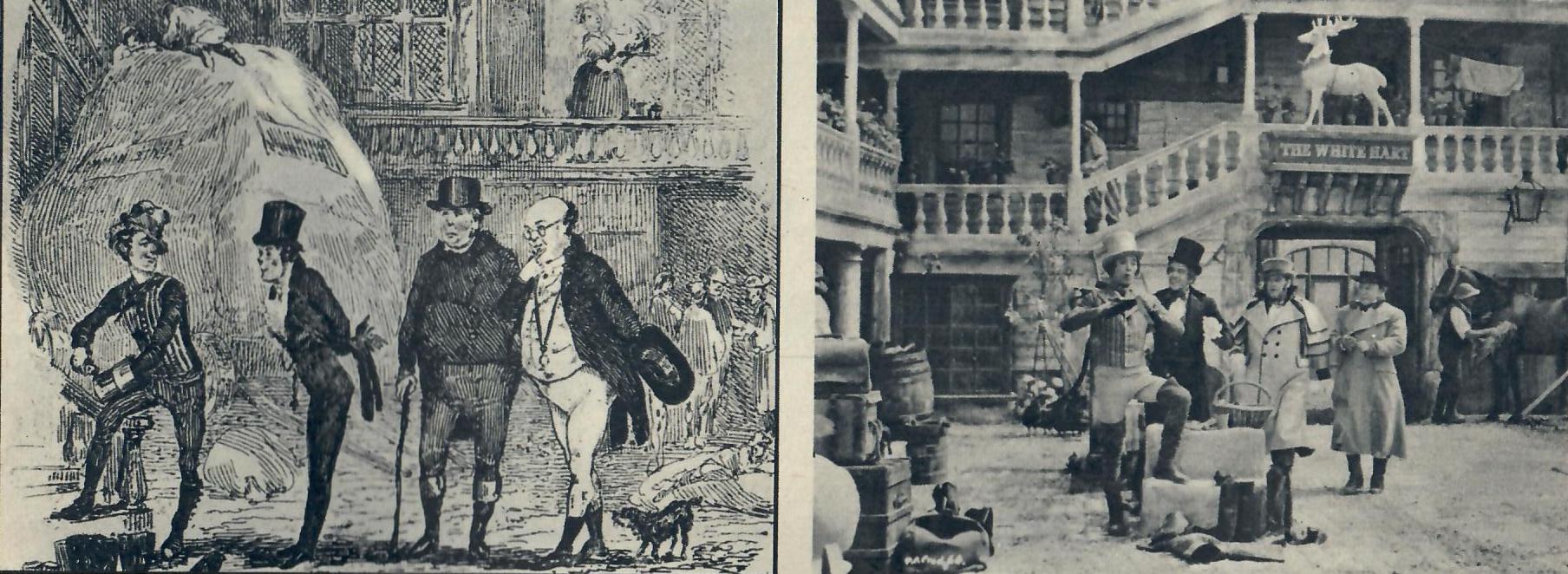
Above: Mr. Pickwick, Mr. Wardle and Mr Perker, the Lawyer, arrive at the White Hart Southwark. They are in pursuit of the eloping Rachael. It is here that Mr. Pickwick takes Sam ( Harry Fowler) into his service.

The breach of promise trial, Bardell against Pickwick, with Donald Wolfit  who gives  a storming performance as the lawyer Sergeant Buzfuz, and  Hermione Baddeley also excellent as the bewildered landlady Mrs Bardell.

Another scene has Mr. Pickwick  in the Fleet debtors’ prison.  Nigel Patrick in particular shows his versatility as an actor in this section, as Mr Jingle turns up again, ragged, ill and starving but still with his famous clipped way of speech.  It is the culmination of Pickwick’s journey of discovery through England.
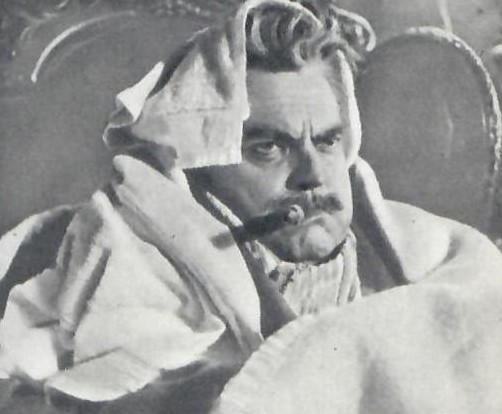
Of course, the sunshine breaks through again and there is a happy ending.

Pickwick Papers 3


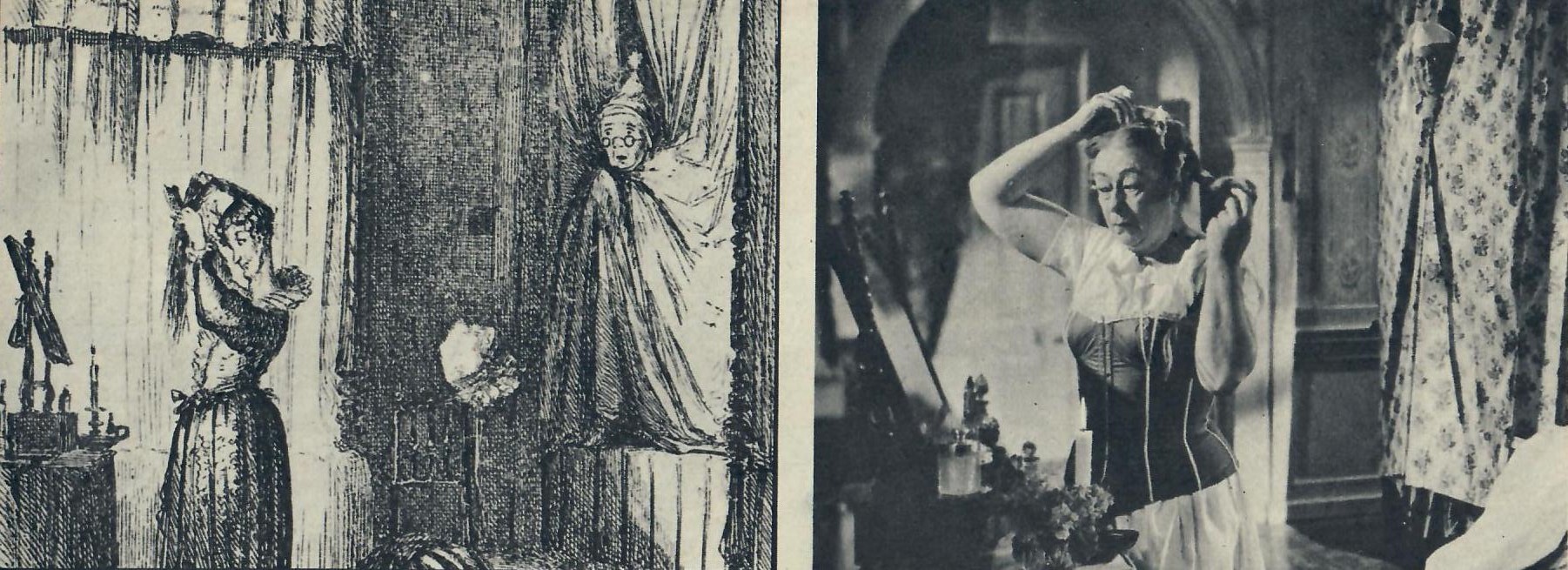
Above: At the Bull Inn, Rochester, Mr. Pickwick mistakes his bedroom and finds himself sharjng it with a middle-aged lady played by Athene Seyler. Very accurate depiction even down to the candle.

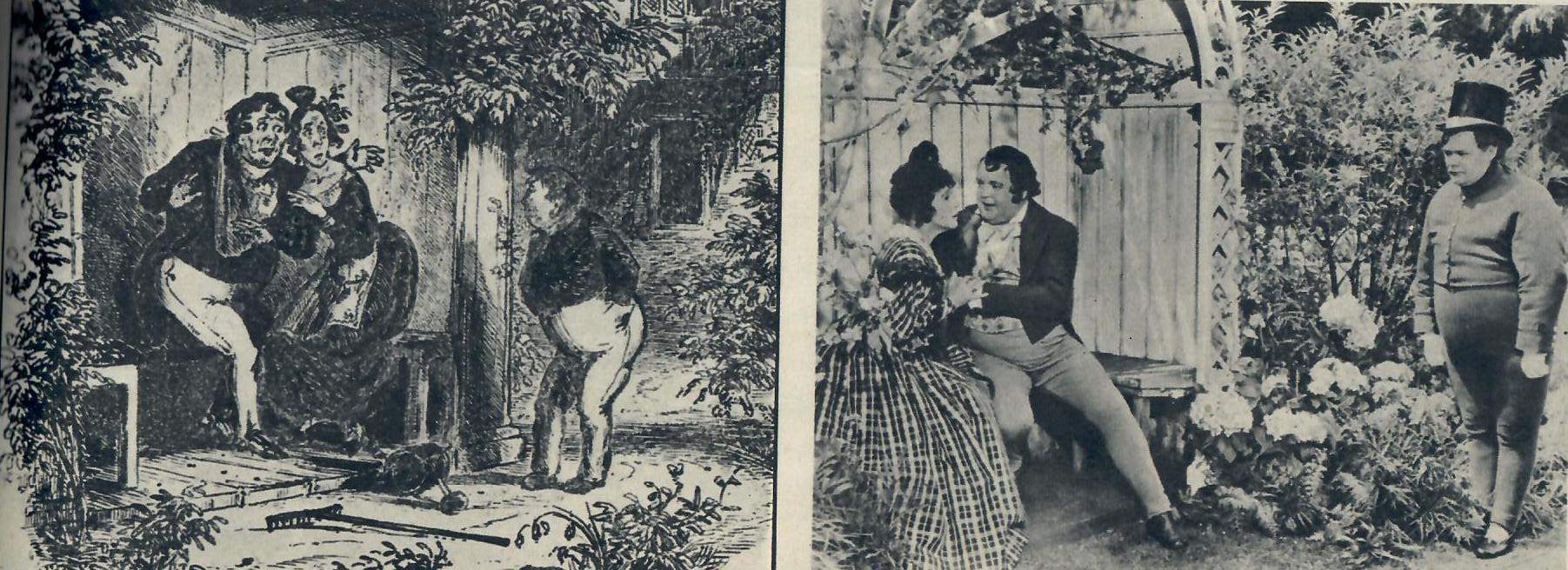
In the Pictures above and below we see how the film makers tried hard to be as faithful as possible to the original drawings by Seymour – which according to what I have read were done before the book was written – so it seems The Pickwick Papers was written from what appeared in the pictures rather than the other way round.

Pickwick Papers 4

Above: The scene is the arbour at Dingley Dell where Mr Tupman is courting Rachael watched by ‘the fat boy’.

On the right Alexander Gauge in romantic pose with Kathleen Harrison – and Gerald Campion – famous as BBC TVs Billy Bunter standing assessing the situation. To the LEFT – again the original sketch from the novel – very accurate.

Pickwick Papers - James Hayter and Harry Fowler


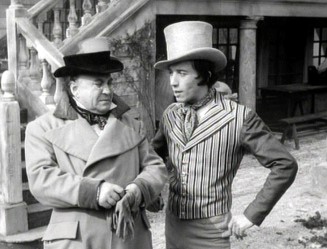
Pickwick Papers 1952 – Mr Pickwick ( James Hayter)  in conversation with Harry Fowler

JAMES HAYTER
His longest-running stage role (8 times a week, 2,415 appearances in total) was Alfred Doolittle in My Fair Lady, taking over from Stanley Holloway in the original Drury Lane  production of 1959 and playing for 5 years in the West End and on tour.

The London News Chronicle wrote: “Hayter is a chubbier, kindlier old rascal of a dustman, with a lovely bronchial wheeze and a tragic look of glassy misery when in the thralls of middle-class morality”.

James Hayter appeared in over 100 films, among his more notable being Big Fella with Paul Robeson and Elisabeth Welch, The Crimson Pirate with Burt Lancaster, Land of the Pharaohs with Jack Hawkins and James Robertson Justice, Nicholas Nickleby  in which he played both Cheeryble twins, The Verger – one of Somerset Maugham’s Trio, Pickwick Papers (leading a marvellous cast including Nigel Patrick, James Donald, Kathleen Harrison, Joyce Grenfell, Athene Seyler and Donald Wolfit), Walt Disney’s The Story of Robin Hood and his Merrie Men with Richard Todd, The Blue Lagoon with Donald Houston and Jean Simmons, and Morning Departure with John Mills and Richard Attenborough.

Dilys Powell wrote of The Verger: “James Hayter … does not rank in public estimation as a star.  But Mr Hayter is much more than a star: he is an actor.  And in The Verger he seems not to act, but to be the decent, circumscribed little man who so enjoyably turns the tables on his pompous vicar…”

His extensive television work over the decades included the lead in Pinwright’s Progress, British television’s first authentic half-hour situation comedy series; a mad train conductor hell-bent on the assassination of the Prime Minister in an episode of The Avengers (Diana Rigg vintage); and James Onedin’s doughty father-in-law in The Onedin Line.

He was delighted to be brought in for the sixth series of BBC Television’s Are You Being Served? as the cantankerous Mr Tebbs, but J Walter Thompson were soon in touch with his agent to communicate that their Kipling Cakes account was less thrilled with the shadow it might cast on the avuncular and long-established image of Mr Kipling, and he was consequently bought out of the programme for an agreed sum.

Having worked long and hard at his profession, James Hayter  was well pleased to be paid for not working! He was sustained in his later years by voice-over work.

Readers will recall his  most famous line from a TV advertisement, “Mr Kipling does make exceedingly good cakes!“.

James Hayter retired to Spain in the early 1970s, and flew back to the UK when work beckoned, but died in his sleep in 1983 at Villajoyosa at the age of 76.  With eight children to support, life had not been without anxiety, but he had enjoyed his last years in the sun.

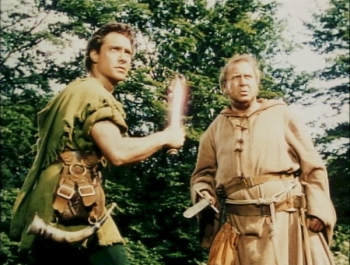
James Hayter as Friar Tuck with Richard Todd

To me he will always stand out as Friar Tuck in  Walt Disney’s The Story of Robin Hood and his Merrie Men 1952 with Richard Todd and Joan Rice

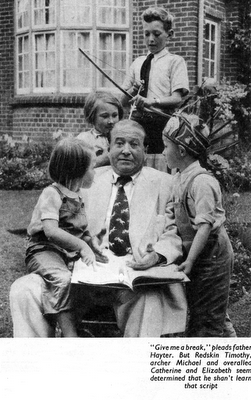
Jmaes Hayter at Home with his Children

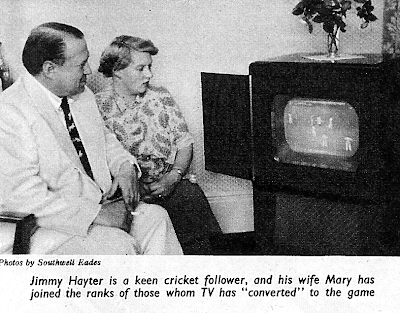
James Hayter at Home


James Hayter at his Home with his family in Hemel Hempstead around 1953 – With Is Children in the Garden – and Watching the Cricket on Television with his wife Mary. ABOVE

posted by Movieman in Uncategorized and have Comments (2)

Yvonne Mitchell – Theatre and Film

BRITISH ACTRESS YVONNE MITCHELL  was first and foremost a stage actress who began her career quite early as a teenager. By the time of her death in 1979 , she had performed in the theatre for over four decades. Her work in films and TV was much less, but what she did do was unusually of high quality.

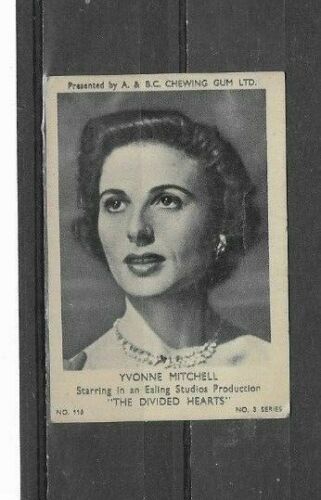
This dark-haired actress made her film debut in a key role in The Queen of Spades (1949) and proceeded to become a moving, thoughtful, often anguished presence throughout the 1950s, winning the British Film Award for her touching  performance as the biological mother of a foster child in The Divided Heart (1954).

A year before that, she appeared with PETER CUSHING in the BBC production of ‘1984’ as Julia. The broadcast gained much publicity for both her and Peter Cushing,  in it’s two live performances and this was after she had played Cathy in a live Television version of Wuthering Heights with Richard Todd as Heathcliffe – a play I remember seeing as a child and very good it was. It was performed twice live during one week on the BBC

YVONNE MITCHELL, changed her name legally in 1946 from Yvonne Frances Joseph to Yvonne Mitchell (Mitchell was her mother’s maiden name). She also deducted a decade from her age, which is why many sources have listed 1925 as her birth year.

She married author and critic Derek Monsey in 1952.  They had a daughter Cordelia born in 1956.  The couple would later divorce, only to be reconciled.

In the mid to late fifties they lived in their Mayfair maisonette with their daughter and bulldog Burbage. They later lived in a village in the South of France.

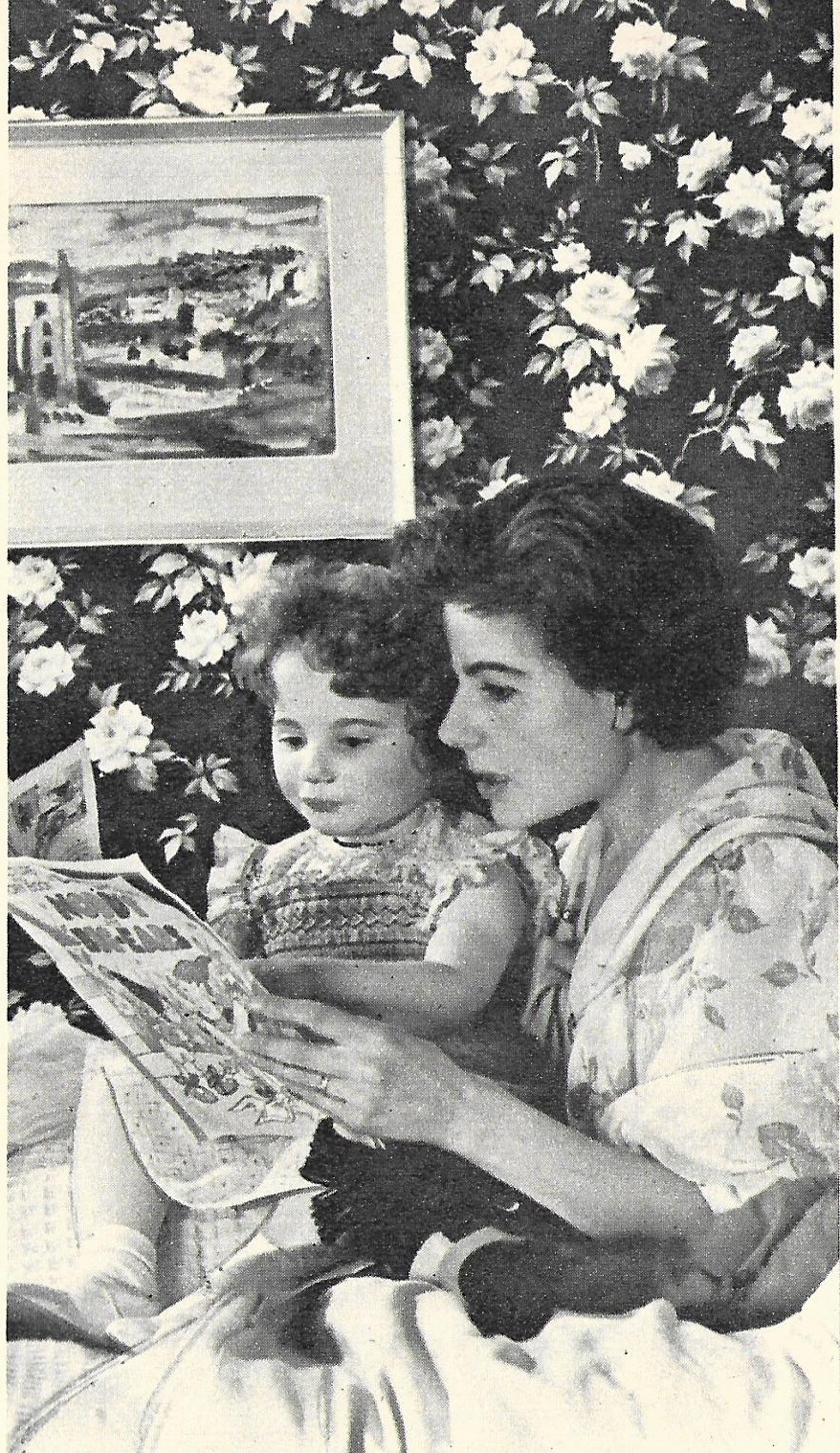
Yvonne Mitchell at Home

Yvonne Mitchell at Home 2

Here she is ABOVE – Reading to her Daughter Cordelia and looking at her Art Collection

Their daughter  Cordelia Monsey is a theatre director and a long-term associate of both Sir Peter Hall and Sir Trevor Nunn.

Derek Monsey and Yvonne Mitchell had parted but re-married  in late 1978, just months before Derek Monsey died of a heart attack on 13 February 1979.  Yvonne Mitchell died of cancer just over a month later. That would have been a cruel blow for their Daughter who at that time would only be 22 years old – with her parents dying within a few short weeks of each other.


Derek Monsey – BELOW

Derek Monsey


Yvonne Mitchell 2

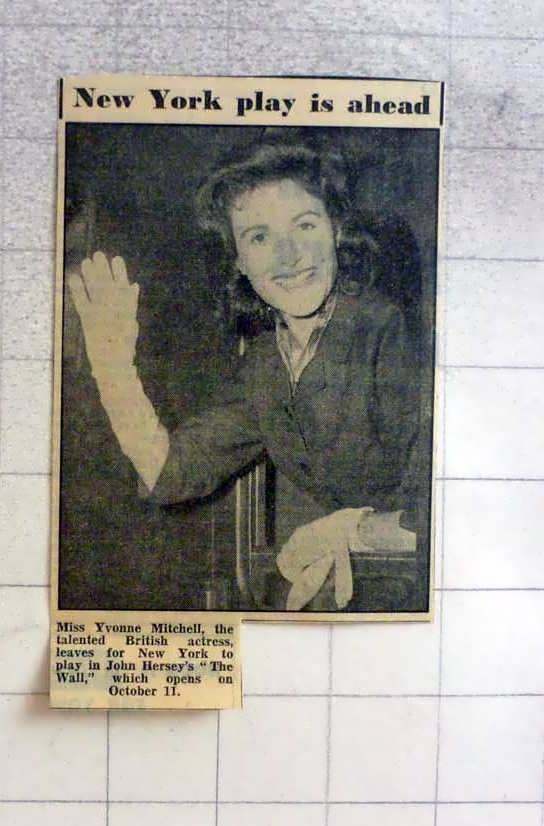
Yvonne Mitchell ABOVE – Leaves for the USA to appeared in the Broadway Play ‘The Wall’ which opened on 11 October 1960 and ran through until 4 March of 1961

Yvonne Mitchell 3

Above: YVONNE MITCHELL with Painter PIETRO ANNIGONI – the Italian portrait and fresco painter, best known for his portrait of Queen Elizabeth II

Yvonne Mitchell 4

Yvonne Mitchell

Yvonne Mitchell with Bernie Winters

Yvonne Mitchell ABOVE with Bernie Winters doing a Television play.


posted by Movieman in Uncategorized and have Comments (3)

Pets with their owners – Film Stars Pets

I am sure that many of us have a pet – and what a joy it is.  Many of the Stars of this era, and any other come to that, owned pets – some more extreme than others as you will see below

Johnny Sheffield and his dog Kurt

Johnny Sheffield with his dog Kurt who went to the Studios with  him when he as making the Bomba Film ‘Lord of the Jungle’

Jeanne Crain with her dogs 2

Jeanne Crain had quite a large family – and two dogs too it seems

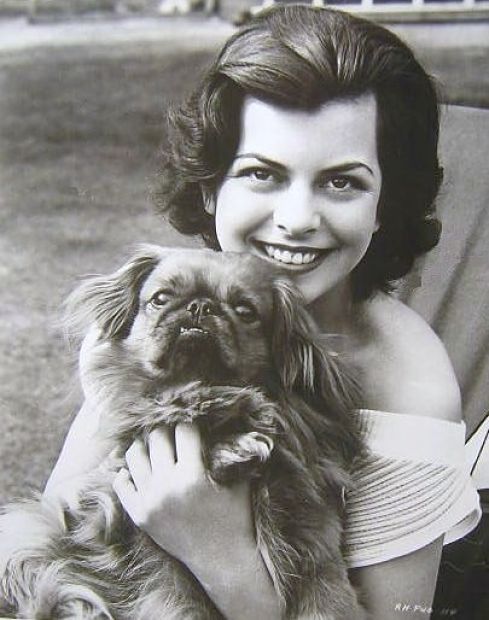
Joan Rice and her dog

Joan Rice with a little Peke – not sure that this was her dog – I do know though that later in life when she had left films and had an Estate Agency in Maidenhead that she owned – and loved – her Labrador Sheba.

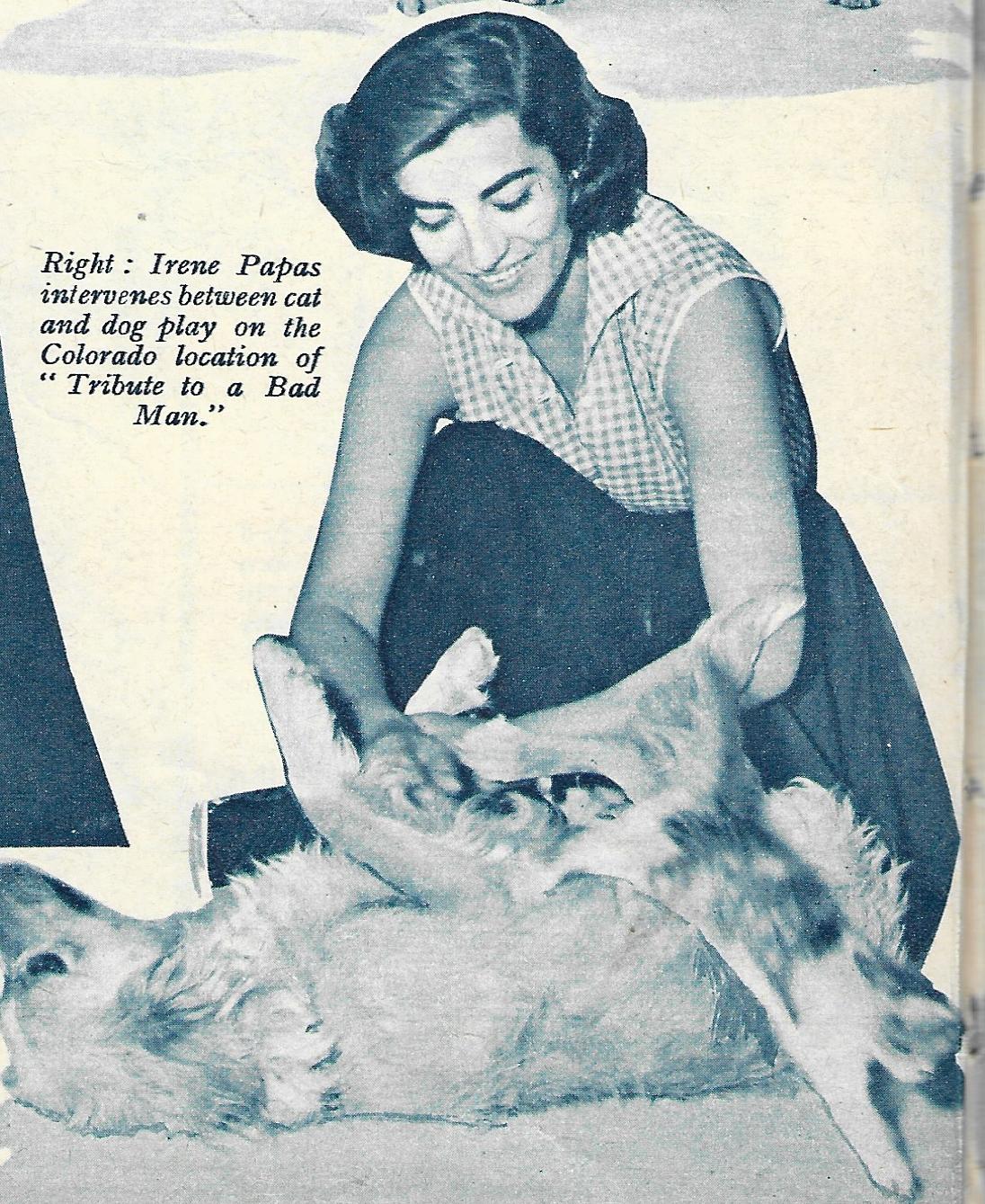
Irene Papas

Irene Papas ABOVE – intervenes between cat and dog as they play together.

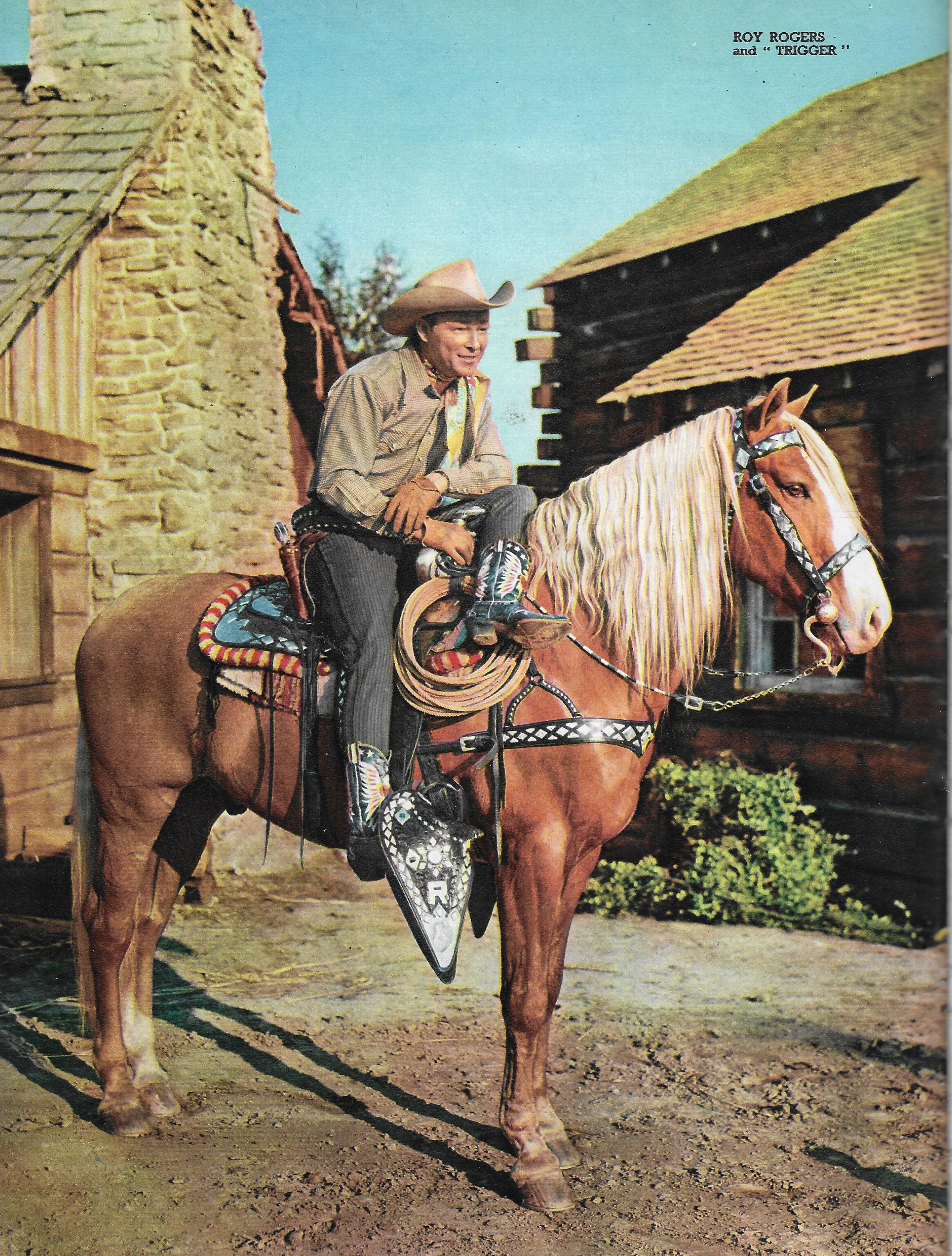
Roy Rogers with Trigger

Roy Rogers and Trigger – Trigger even went to work with Roy Rogers – and usually enjoyed star billing in his films – and travelled abroad  on promotional trips.

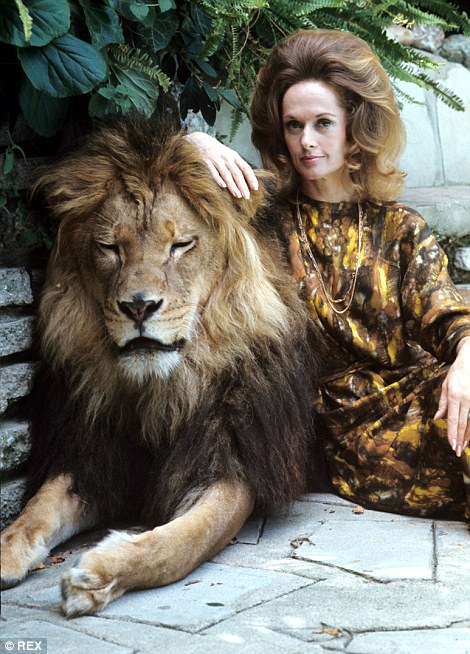
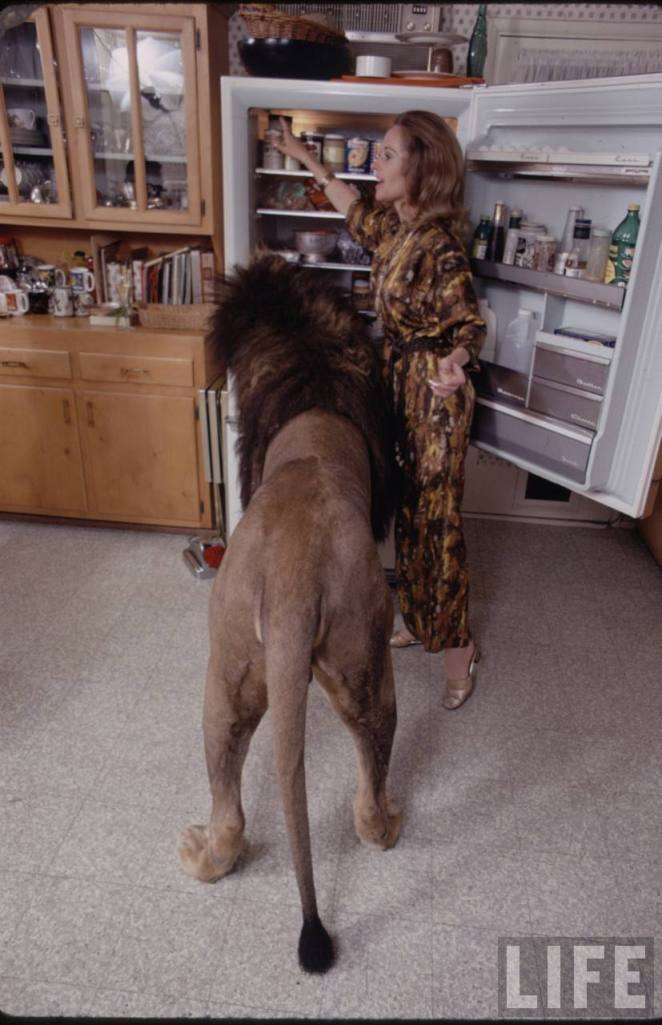
Now we go to the extreme as a pet owner – Tippi Hedren had a full grown male lion called Neil share her home.

Tippi Hedren with her Pet Neil The Lion

Looking back she recalls this as an incredibly foolish thing to do

Tippi Hedren with her Pet Neil The Lion 2


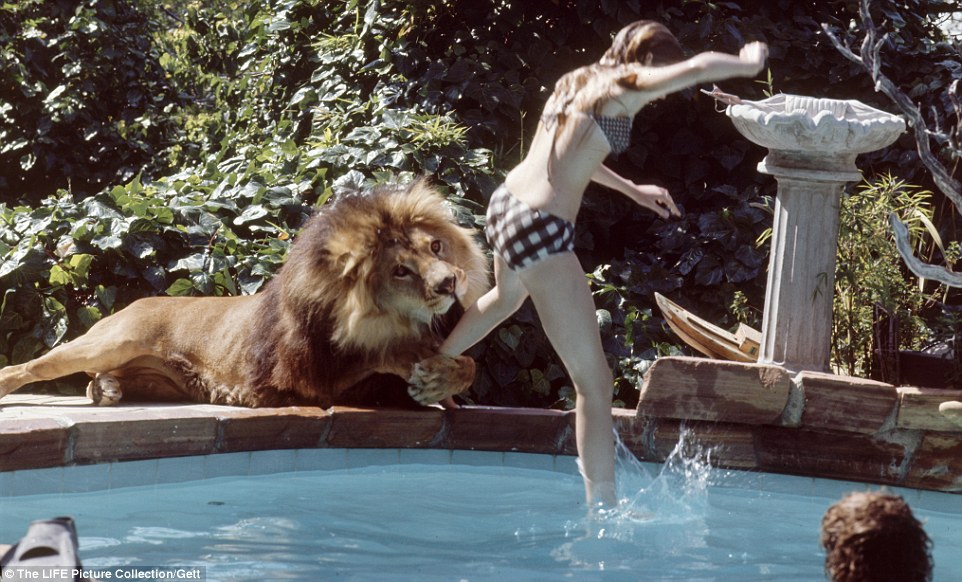
Such a large animal is capable of doing untold damage if things ever got out of hand

Melanie Griffith with Neil

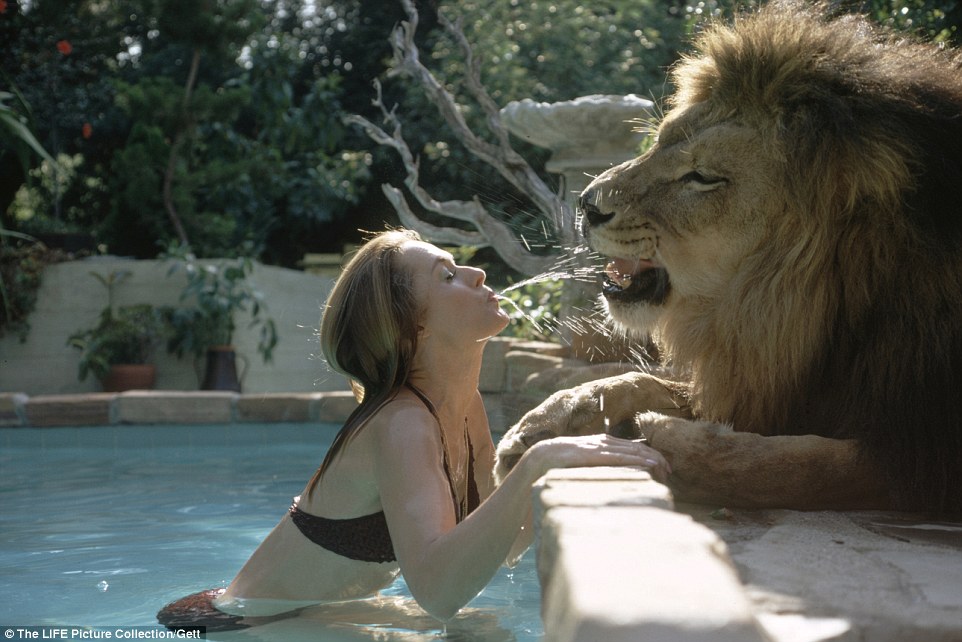
Melanie Griffith her Daughter swimming with the Lion

Melanie Griffith with Neil 2

Melanie Griffith having fun

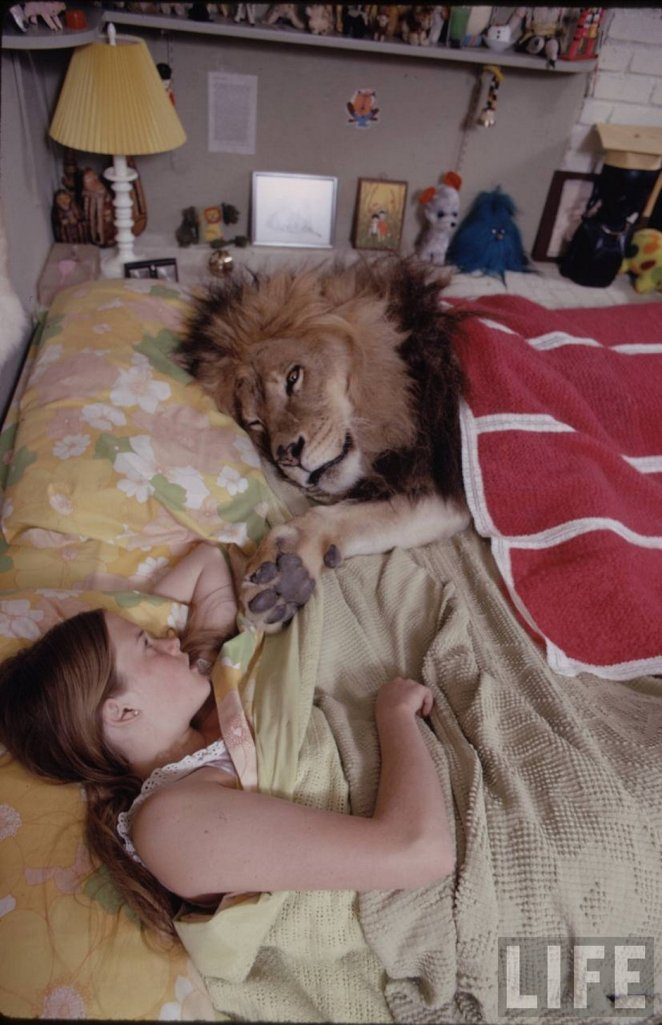
Melanie Griffith with Neil 3


Her Daughter Melanie Griffiths had a very close relationship with Neil the Lion – it even shared her bed on occasions

posted by Movieman in Uncategorized and have Comments (2)

Roger Livesey Stage and Film Actor – and his wife Ursula Jeans

What a good actor he was – and such a distinctive voice too.

Roger Livesey was apparently such a nice man who was liked by just about everyone and was very happily married to Ursula Jeans for 36 years (until her death)  – They had no children. There was no scandal in his life, so no publisher has been interested in a biography about him.


Roger Livesey

Another well know role was as Torquil in  I Know where I’m Going

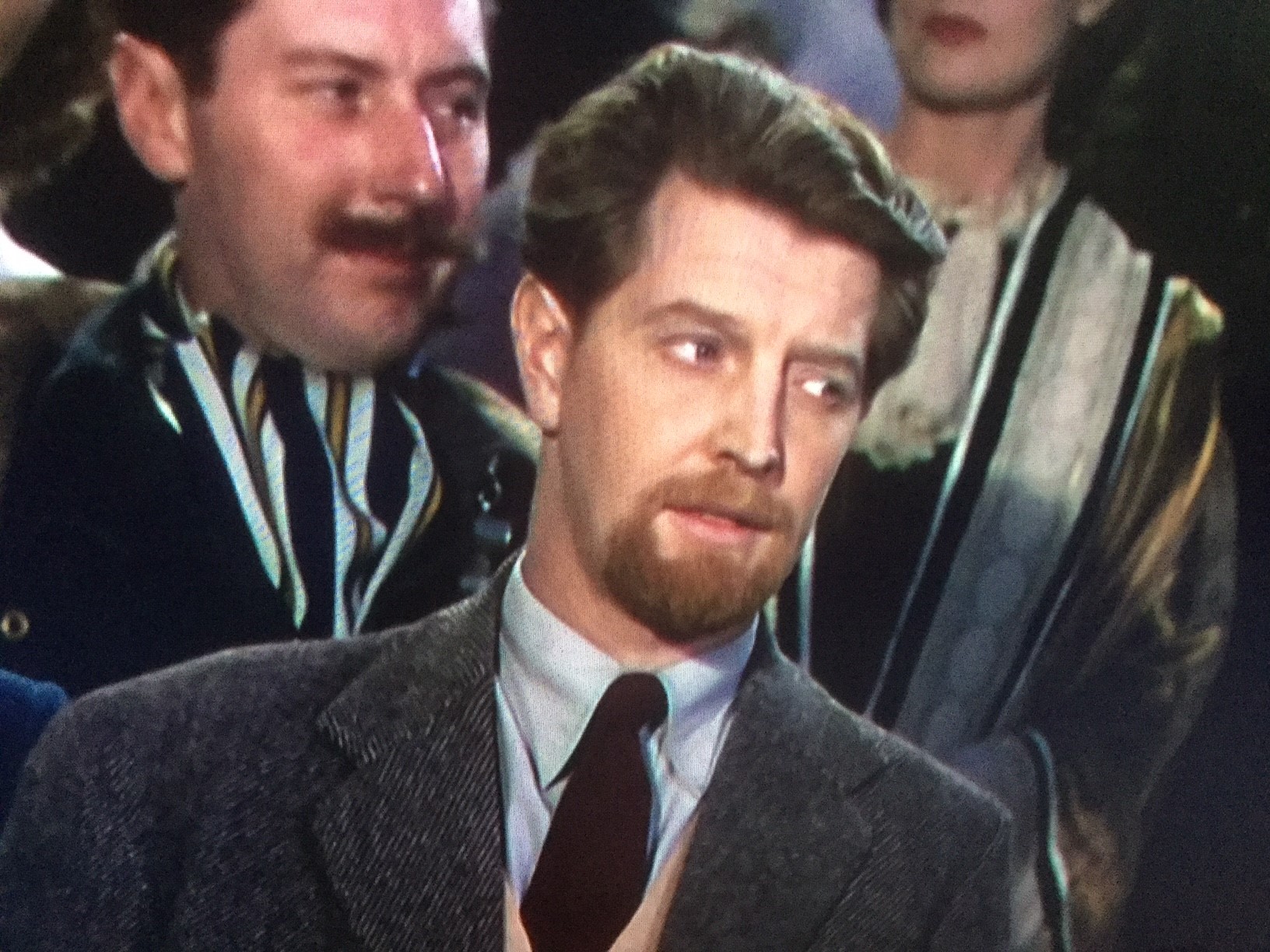
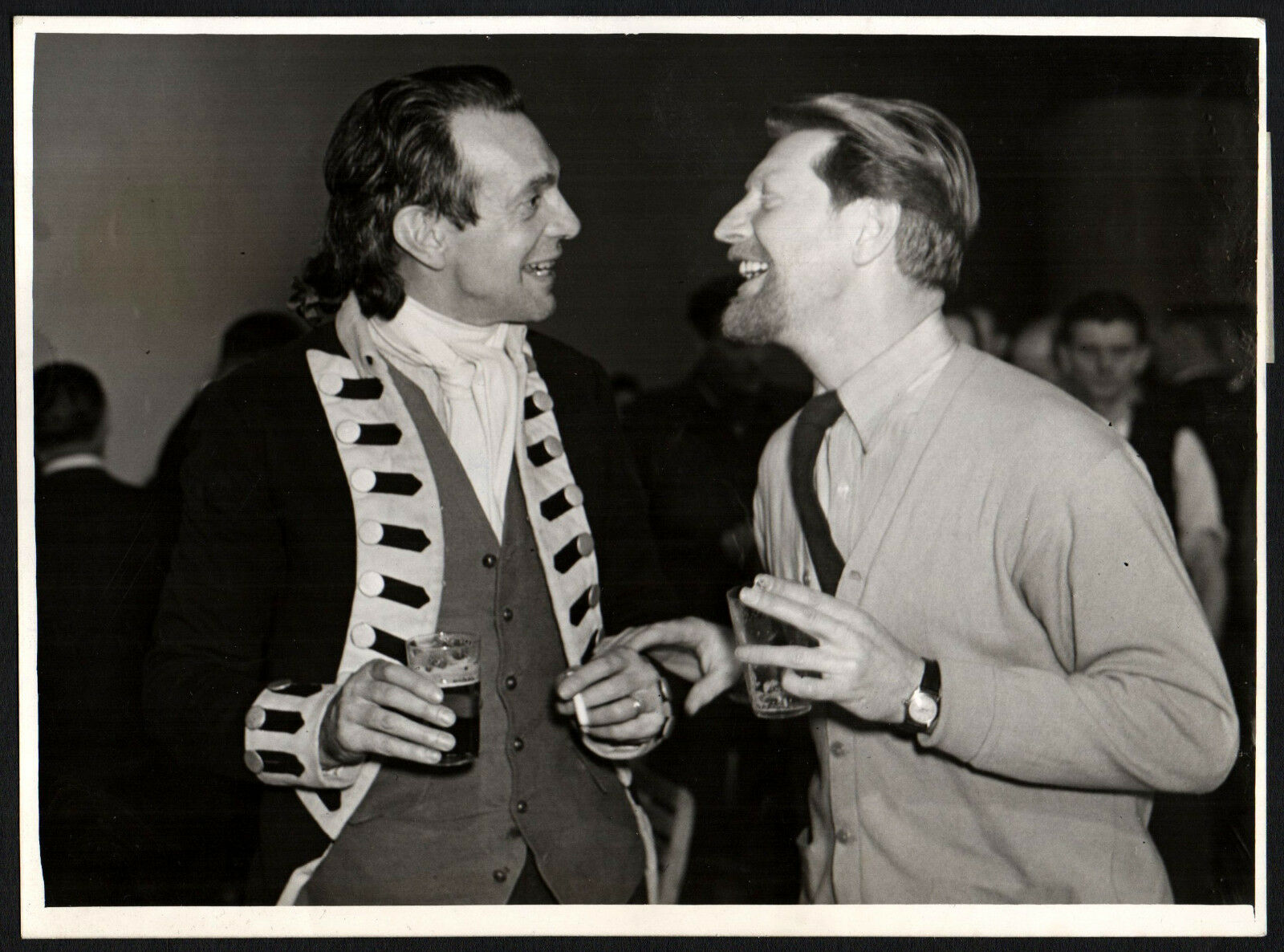
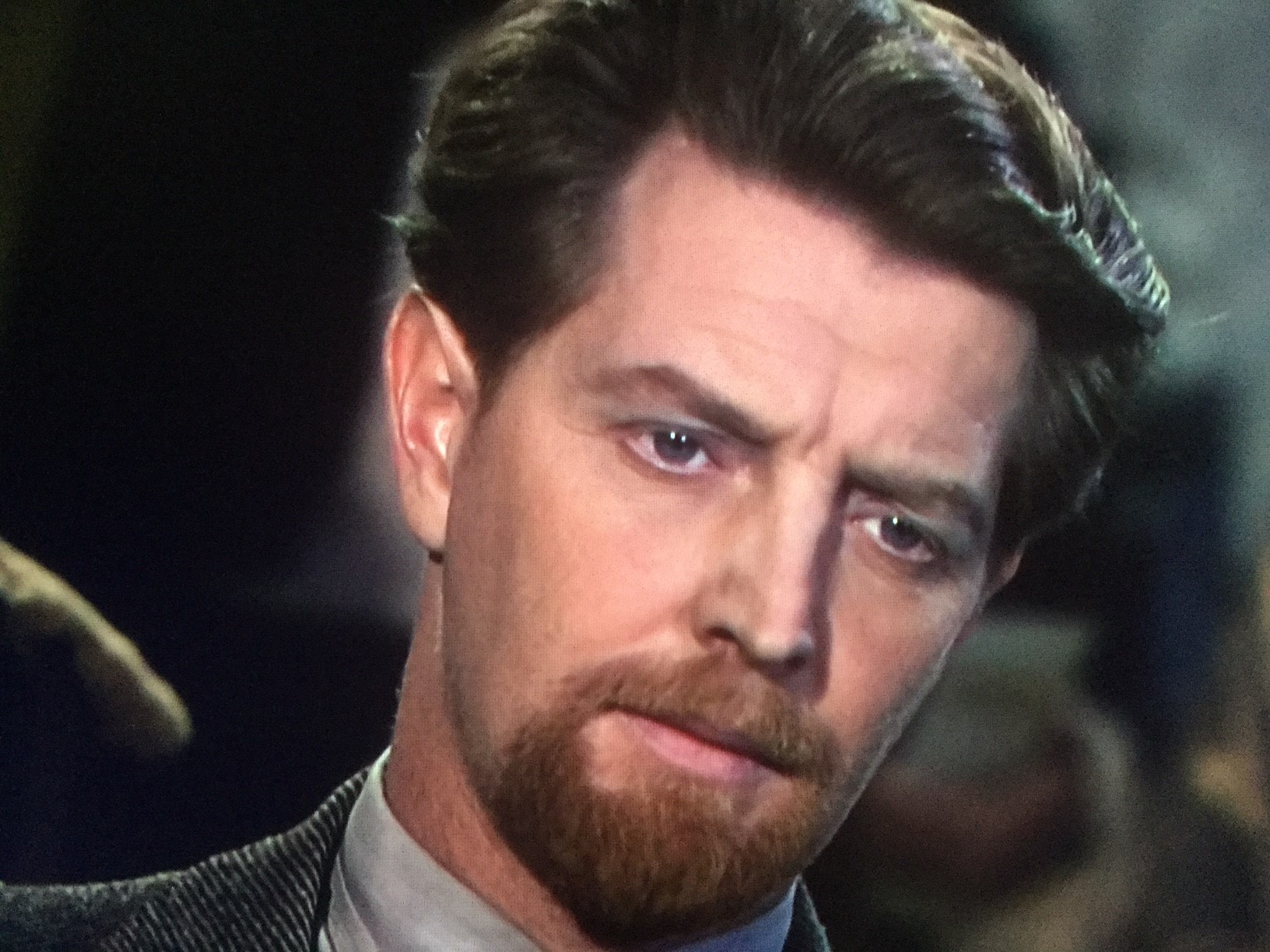
Roger Livesey and Raymond Massie

Raymond Massey and Roger Livesey share a laugh at the Party given by Michael Powell and Emeric Pressburger at Denham Film Studios to mark the start of filming on    A Matter of Life and Death

Michael Powell and Emeric Pressburger

Above: Michael Powell and Emeric Pressburger

Roger Livesey 2

This is from A Matter of Life and Death

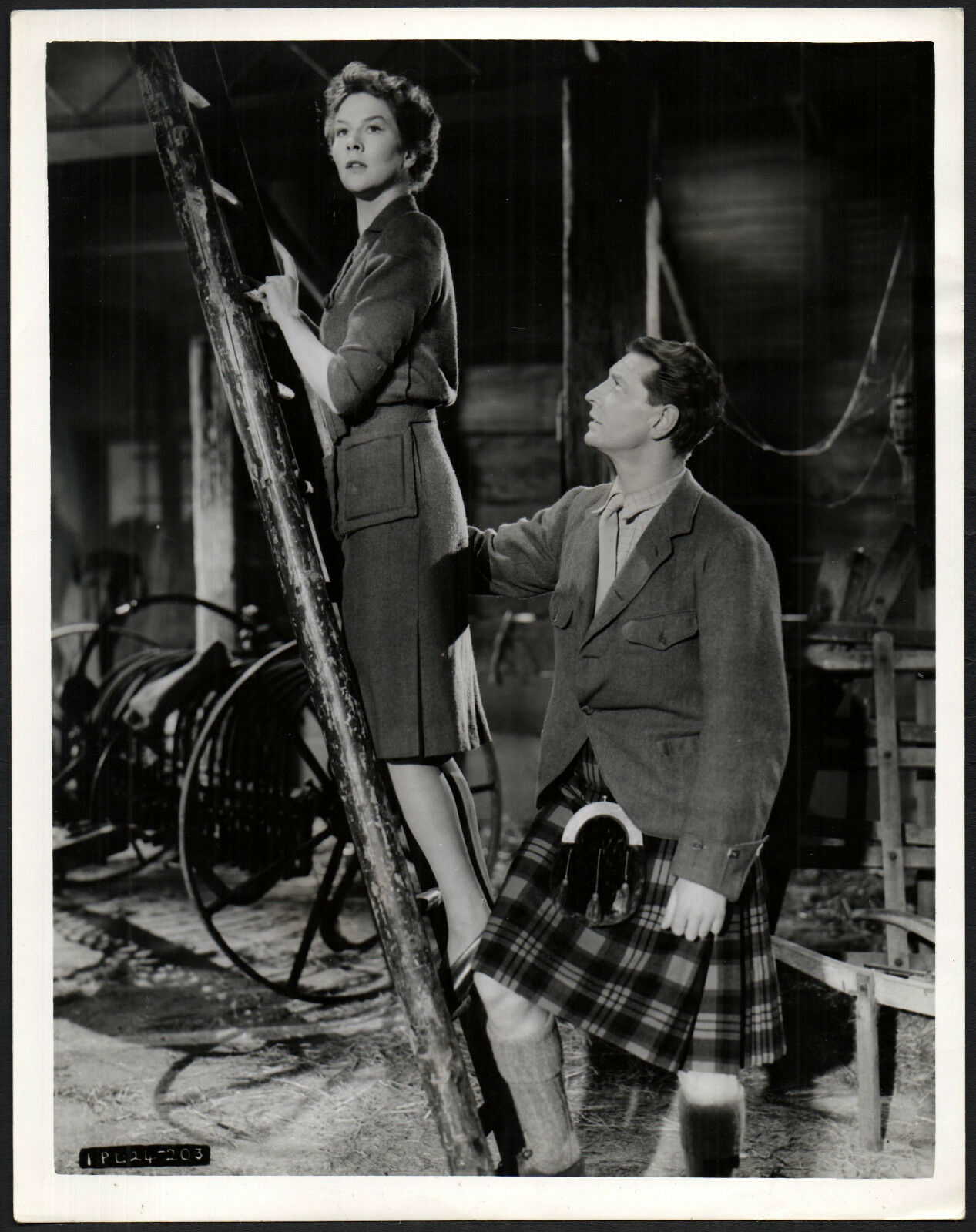
Roger Livesey and Wendy Hiller

ABOVE – With Wendy Hiller – I Know Where I’m Going

Roger Livesey 3

Probably some of his best film work was with Michael Powell and Emeric Pressburger’s Films

Roger Livesey  died 4 February 1976  after a 50‐year stage, film and television career. He was 69 years old.

Desert Island Discs Roger Livesey


Above: Roger Livesey on Desert Island Discs in 1952 – he chose the usual Eight Records – mainly classical – and his luxury to take to the Island was Golf Clubs.

His last major appearance was as the Duke of St. Bungay in the BBC television serial “The Pallisers.”

Friends said he never fully recovered from the loss three years previously of his wife, Ursula Jeans, with whom he formed an internationally known husband‐and‐wife acting team in the 1940’s and 50’s.

Roger Livesey had made many appearances on the Broadway stage. One of the most notable was in the Wycherly Restoration classic, “The Country Wife,” in 1937, in which he appeared with Ruth Gordon.

He was also in “The Entertainer,” based on the John Osborne play, in support of Laurence Olivier in the same year.

He was born in Barry, South Wales, on June 25, 1906, and was educated at the Westminster City School.

His first appearance on the stage was at the St. James’s Theatre on  Nov. 21, 1917, when he was 11. The role was that of the Office Boy in “Loyalty.”

One play followed another in the West End for almost 10 years, and then he toured the West Indies and South Africa for several years.

His roles included Dr. Stockman in “An Enemy of the people,” Petruchio in “Taming of the Shrew,” Kurt Müller in “Watch on the Rhine,” in which he toured for two years during World War II, and Sir Toby Belch in “Twelfth Night.”

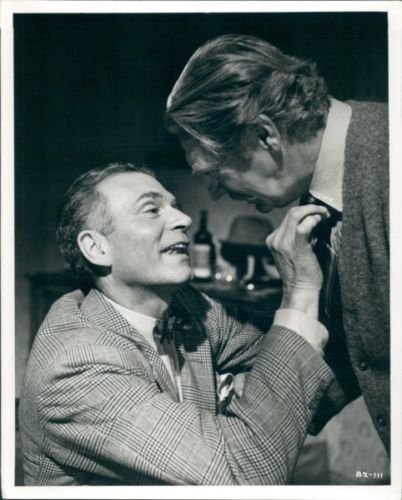
Roger Livesey and Laurence Olivier


On another occasion he enjoys a chat with Sir Laurence Olivier ABOVE – who seems to be adjusting Roger Livesey’s tie.

Roger Livesey’s wife was the Actress Ursula Jeans – she was born in India to British parents. She was a stage actress from her mid-teens.

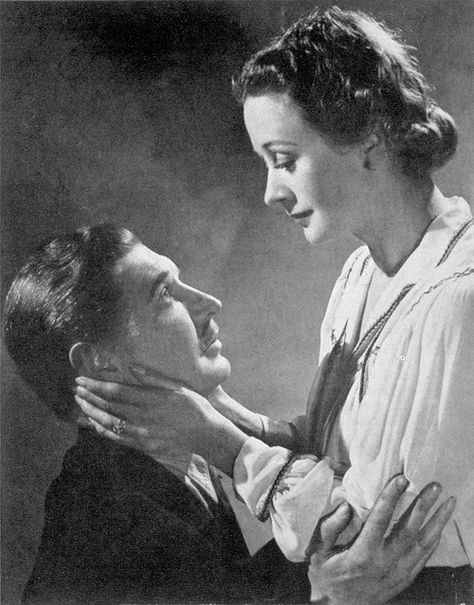
Roger Livesey and Ursula Jeans

Above: Roger Livesey and Ursula Jeans in the play “Watch on the Rhine,”

One of her later film appearances was as   in The Dam Busters (1955) playing Barnes Wallis wife and just before this was in The Night My Number Came Up – and straight after came North West Frontier.  She was frequently on television in Dr Finlays Casebook and Dixon of Dock Green and in such American productions as the 1963 video staging of Hedda Gabler with Ingrid Bergman in the title role.  She had been previously married to actor Robert Irvine

posted by Movieman in Uncategorized and have Comments (7)