In 1935 Alexander Korda, a Hungarian film impresario of international stature who had rejuvenated England’s film industry with his productions of The Private Life of Henry VIII (1933) and The Scarlet Pimpernel (1935) capitalised on his box-office success by securing finance from the Prudential Assurance Company to help him build own studio – Denham. A studio to rival Hollywood that would make big World targeted films at least the equal to anything from the US
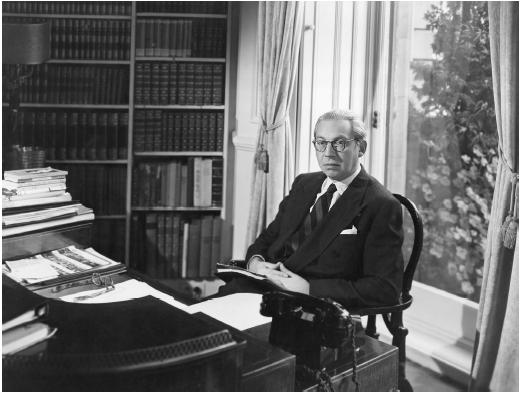
ABOVE – Alexander Korda sitting in his office at the old house overlooking the lake at Denham.
It was here that he sat alongside Producers, Directors and writers as he planned his next production
It was here in this very office that Michael Powell was called along with others to discuss the making of a major Korda Film ‘The Spy in Black’ 1937′. As they talked Korda interrupted and said that he would like to introduce someone who had written the screenplay for the film – and then introduced Emric Pressburger who quietly went through hat he had written – Michael Powell sat transfixed – he did not know this man but thought what he had written was brilliant and vowed that he just had to work with him again which we all know he did for many years
So it was in this office in the old house at Denham, that Michael Powell first met Emric Pressburger thus beginning their unique collaboration which resulted in some of the finest British films ever made
Korda felt that the only way to bring the English film industry to prominence would be by concentrating on quality films. Alexander Korda organised London Film Productions, and risked everything on a deceptively-lavish movie The Private Life of Henry VIII (1933) starring Charles Laughton and Elsa Lanchester. The film became a worldwide blockbuster.
Following the success of this film, Korda was hailed as the saviour of the British film industry. On the strength of this film, he was also able to land an American distribution deal with United Artists.
Korda constructed the stately Denham Film Studios on a 165-acre estate outside London. He also established his own stable of contract actors – and very impressive they were – including Leslie Howard, Merle Oberon (who became the second Mrs. Korda in 1939), Wendy Barrie, Robert Donat, Maurice Evans, and Vivien Leigh.
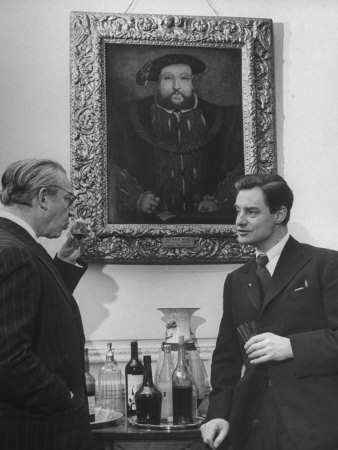
Some of his more ambitious films included Rembrandt (1936), which he also directed; Things to Come (1936) a $1.5 million adaptation of the H. G. Welles book; and The Thief of Bagdad (1940).
While Britain was war-torn in the early 1940s, Korda took up an extended residence in the United States.
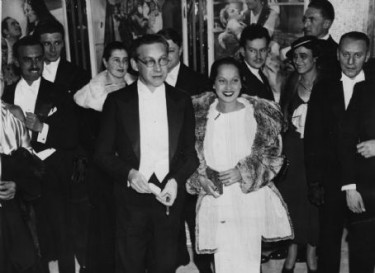
In March 1943, Korda entered into a merger between his independent company London Film Productions and MGM-British. Korda would become the new executive producer of the English division of Metro-Goldwyn-Mayer.He returned to England. However, his dissatisfaction with the deal brought about his resignation in 1946.
Korda then with his London Films, bought a controlling interest in British Lion Films which was involved in such productions as The Third Man (1949).
In 1948 he received an advance payment of £375,000, the largest single payment received by a British film company, for three movies, An Ideal Husband (1947), Anna Karenina (1948) and Mine Own Executioner (1948). He released three other films, Bonnie Prince Charlie (1948), The Winslow Boy (1948) and The Fallen Idol (1948).Some of these films did well but others were expensive failures, and Korda was badly hurt by the trade war between the British and American film industries in the late 1940s. In 1948 Korda signed a co-production deal with David O. Selznick.
Korda did recover in part due to a ₤3 million loan British Lion received from the National Film Finance Corporation. In 1954 he received ₤5 million from the City Investing Corporation of New York, enabling him to keep producing movies until his death. The last film with Korda’s involvement was Laurence Olivier’s adaptation of Richard III (1955).
A draft screenplay of what became The Red Shoes was written by Emeric Pressburger in the 1930s for Korda and intended as a vehicle for his future wife Merle Oberon. The screenplay was bought by Michael Powell and Pressburger who made it for J. Arthur Rank. During the 1950s, Korda reportedly expressed interest in producing a James Bond film based upon Ian Fleming’s novel Live and Let Die but no agreement was ever reached.
He died at the age of 62 in London of a heart attack and was cremated. His ashes are at Golders Green Crematorium in London.
There are not many so called ‘giants’ in any industry but that work could sum up Aleaxander Korda – The Man who built Denham Film Studios and very nearly pulled it off and put British film studios on a par with Hollywood.
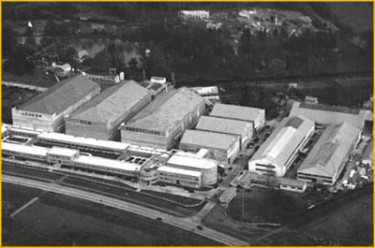
Sadly Denham with its sheer size was forced to close in 1952 and now it is not easy to know where it was. I am pleased to say that I know where it is !!! – and as a film lover it is a place that is very special to me. I do drive past and look when I am down that way.
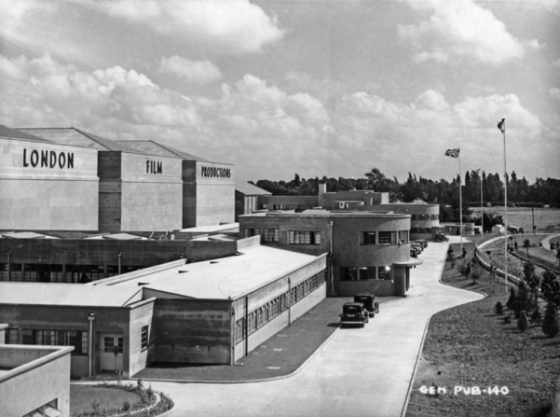
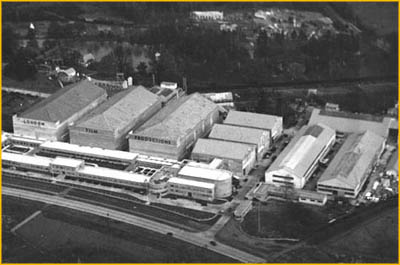
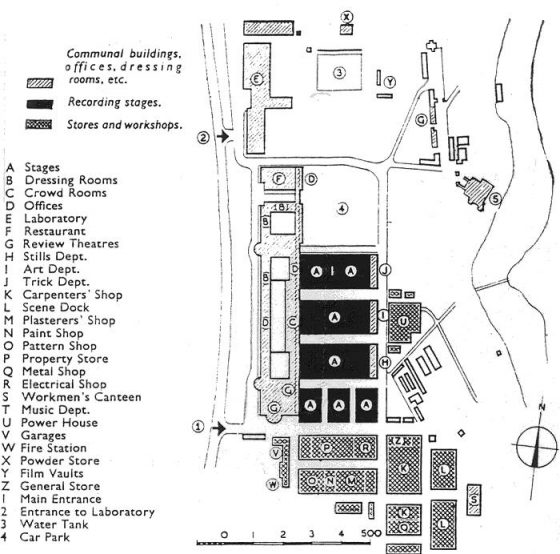
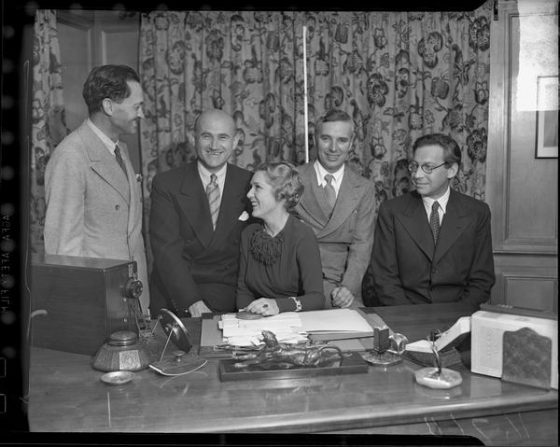
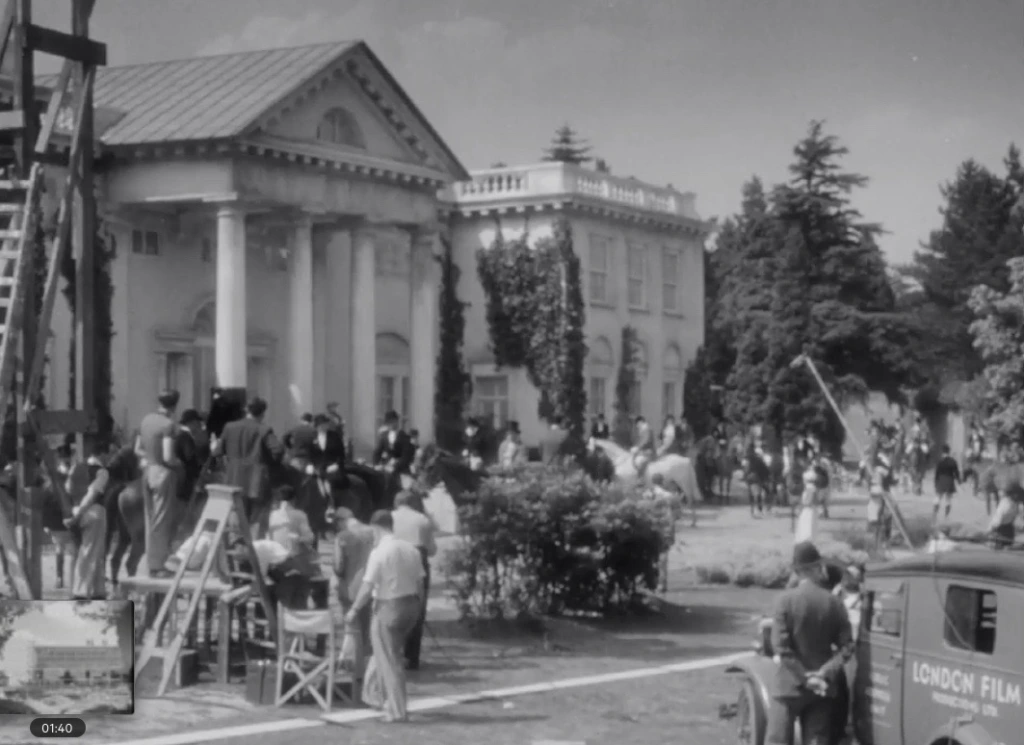
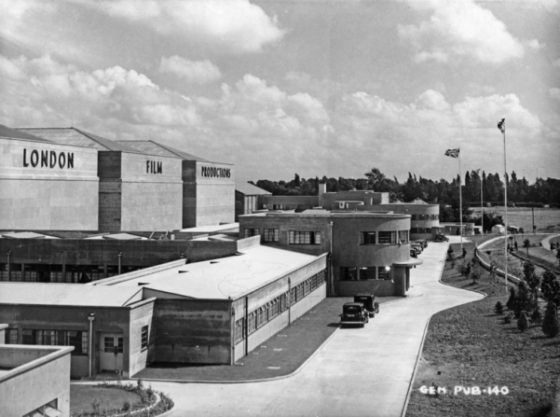
What might have been the saviour for Denham came when Walt Disney decided to make Live Action films as opposed to Cartoon feature and he chose Denham as the Studio making ‘Treasure Island’ there in 1949 and then ‘The Story of Robin Hood and His Merrie Men’ in 1951 released in 1952.
These were bold Technicolor Productions with plenty of money lavished on them – and it shows. !!
However they maybe came a little too late to save this wonderful Studio.
I wish that it was still there !!
… [Trackback]
[…] Info to that Topic: filmsofthefifties.com/denham/ […]
Heard good things about Dua66. Time to check it out and see for myself. Let the games begin!. Check it out dua66.
phtaya1 https://www.phtaya1.org
tongits go https://www.yatongits-go.net
… [Trackback]
[…] Read More on that Topic: filmsofthefifties.com/denham/ […]
Scratch cards always felt like a little burst of optimism, didn’t they? It’s cool to see that classic fun evolving online – platforms like jljl7799 link are making it super accessible, especially with those convenient payment options they mention! A little digital luck is always welcome. ✨
Korda’s vision for Denham mirrors the bold ambition seen in today’s digital entertainment platforms. Just as he risked everything to create world-class cinema, modern venues like jl69 online casino push boundaries to deliver premium experiences. That Powell-Pressburger meeting changed film history forever.