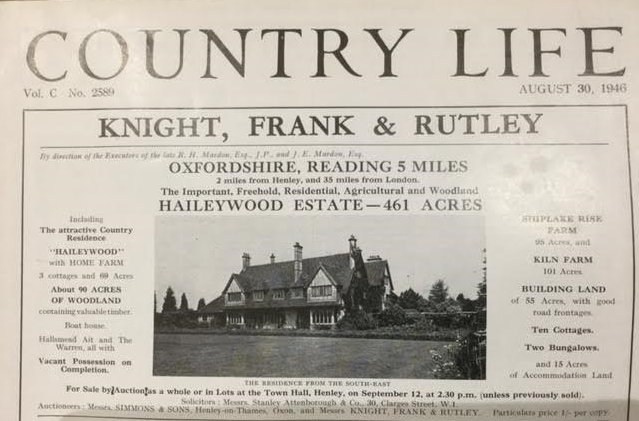
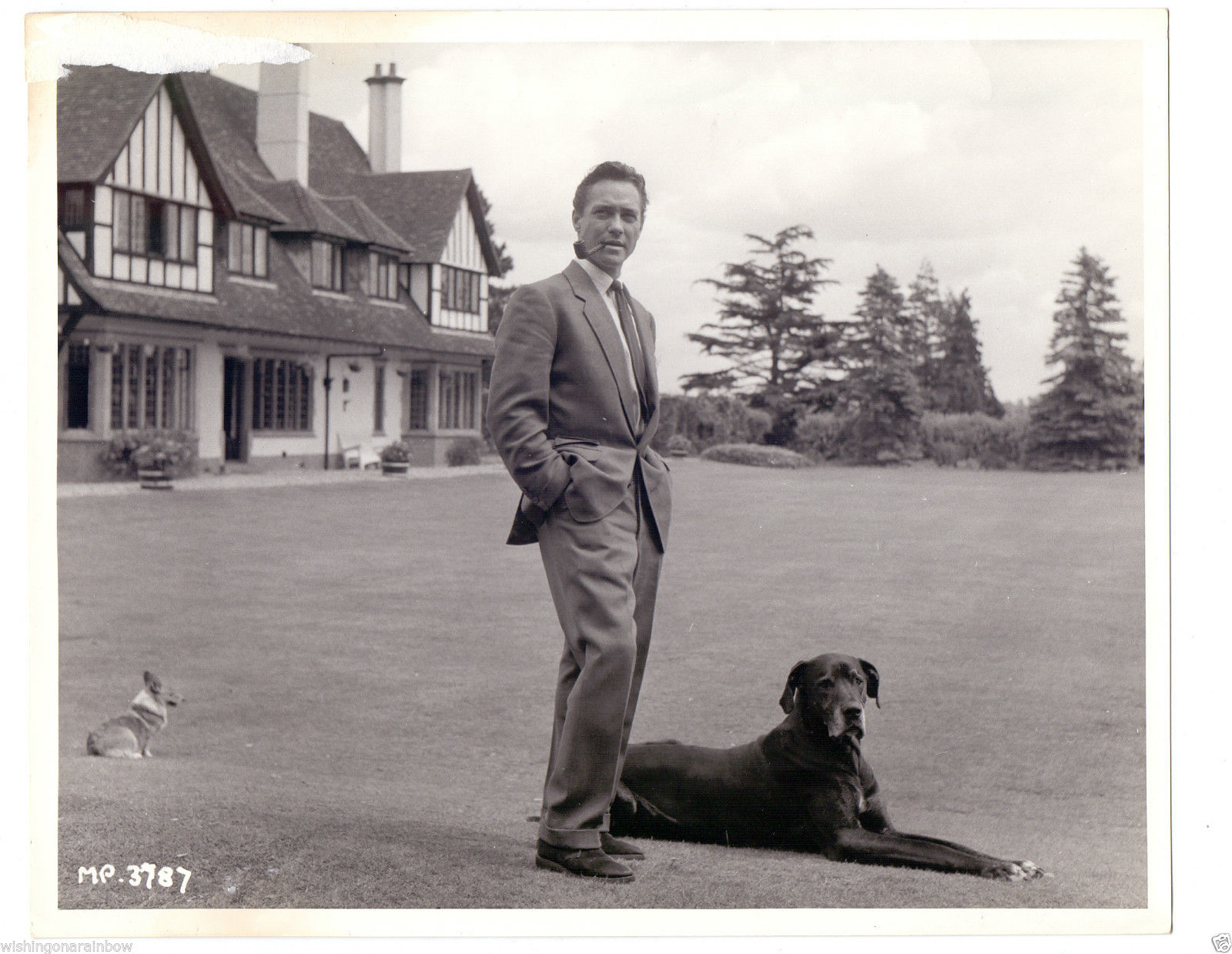
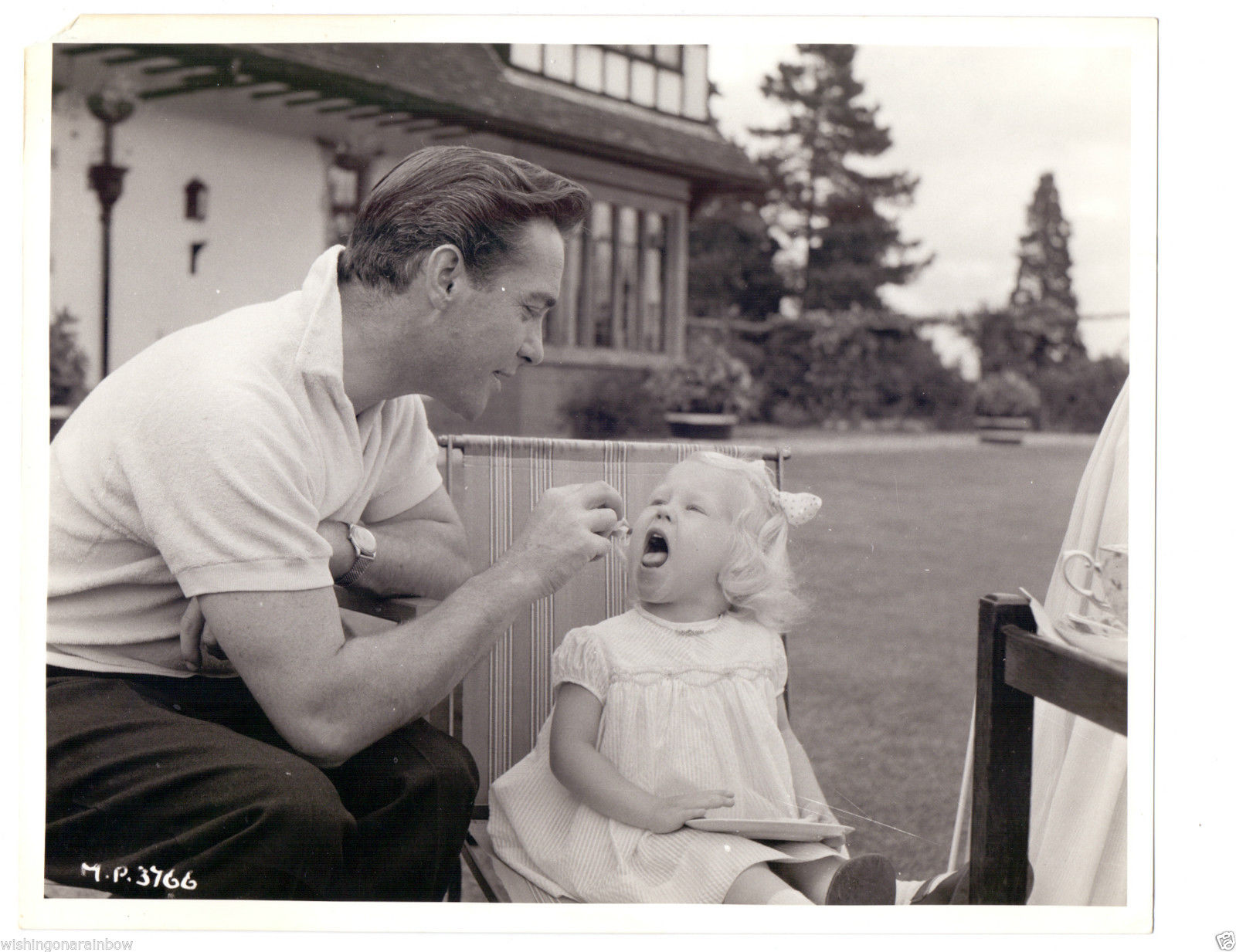
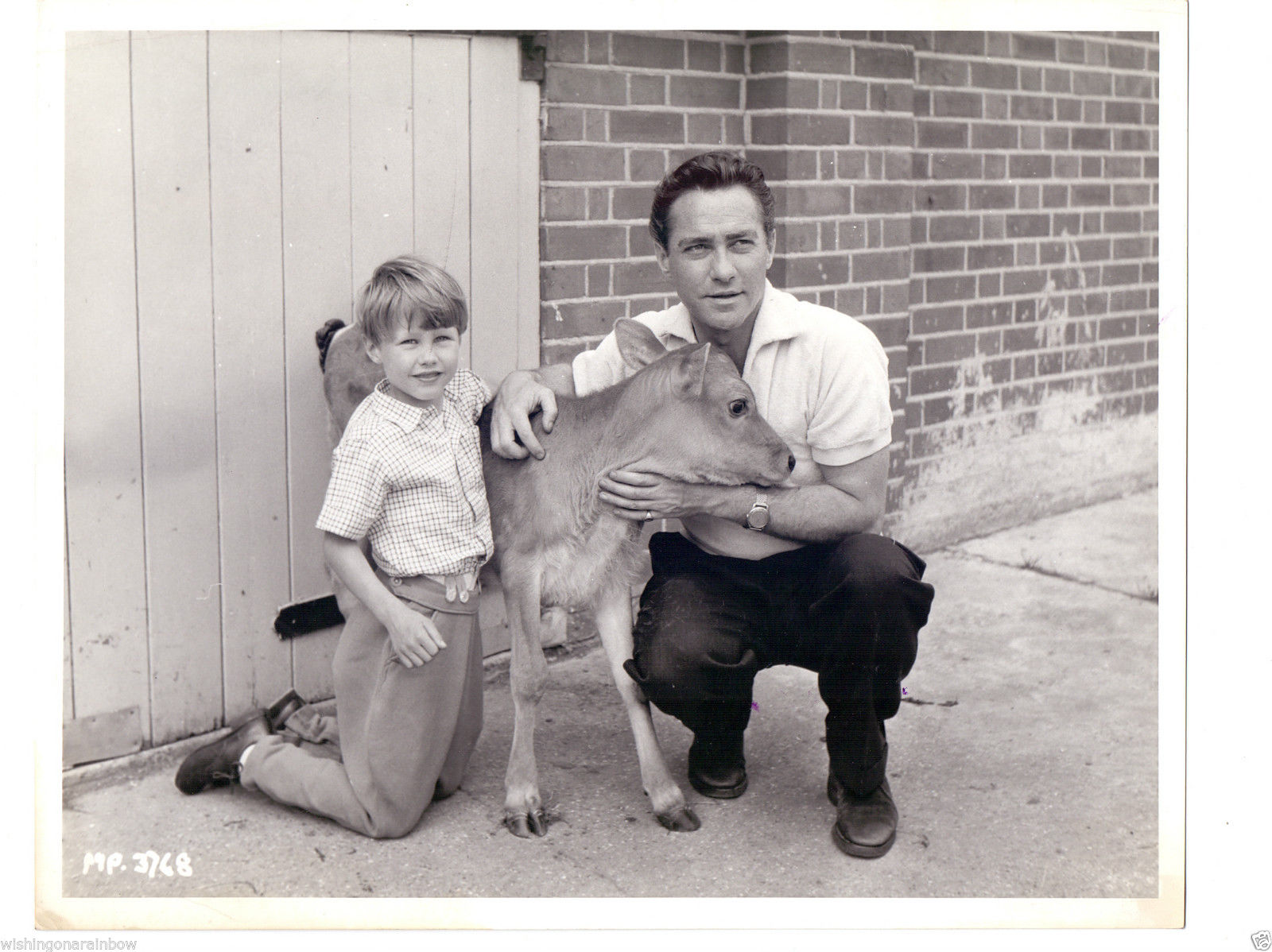
In the late 1950s Richard Todd and his wife purchased Haileywood House and Farm – which he turned into a dairy farm with some success to be fair. However this property was on the market and presumably sold in 1946 – it was advertised in Country Life on 30 August 1946 just after the war and I have to say it looked very good even then – so had suffered no damage.
Richard Todd who a decade later purchased the above property.
Former Shiplake farmer Richard Todd – above at Haileywood House.
Richard Todd lived at Haileywood from 1955 to 1967 and was president of the Henley and District Agricultural Association in 1963.
A renowned celebrity in the area, Todd was also active on the local theatrical scene. He was founding president of the Henley Midnight Matinee and president of the Kenton Theatre Group.
Former Henley mayor Tony Lane, who served alongside Todd on the Midnight Matinee committee, said: “He was instrumental in getting the fund-raising matinees off the ground and securing the Royal Command films.
The above pictures were all taken at Haileywood House and Farm – in the mid 1950s.
Mr Lane went on to say “He used to throw his all into these projects and was a most pleasant and charming man. Although he was a star of the stage, screen and television, he was also a local farmer.
In his autobiography Richard Todd admits that he made a hasty decision to sell the farm in 1964 due to a dip in his acting career. Had he kept his nerve all would have worked out but he says that in any case, he should have kept the farm and sold off the house and moved into one of the other properties which was part of the farm. Had he kept this property and farm, it would have been worth mega money in todays market – particularly in that area of the country.
Marni Nixon did the singing for, from left, Deborah Kerr in “The King and I,” Natalie Wood in “West Side Story” and Audrey Hepburn in “My Fair Lady.”Credit From left: 20th Century Fox; United Artists; Warner Bros.
Marni Nixon, the American cinema’s most unsung singer, died on Sunday in Manhattan. She was 86
She was a classically trained singer and throughout the 1950s and ’60s she was the unseen — and usually uncredited — singing voice of the stars in a spate of celebrated Hollywood films. She dubbed Deborah Kerr in “The King and I,” Natalie Wood in “West Side Story” and Audrey Hepburn in “My Fair Lady,” among many others.
Her other covert outings included singing for Jeanne Crain in “Cheaper by the Dozen,” Janet Leigh in “Pepe” and Ida Lupino in “Jennifer.” “The ghostess with the mostest,” the newspapers called her, a description that eventually began to rankle.
Before her Hollywood days and long afterward, Ms. Nixon was an acclaimed concert singer, a specialist in contemporary music who appeared as a soloist with the New York Philharmonic; a recitalist at Carnegie, Alice Tully and Town Halls in New York; and a featured singer on one of Leonard Bernstein’s televised young people’s concerts.
Her concerts and her many recordings — including works by Schoenberg, Stravinsky, Webern, Ives, Copland, Gershwin and Kern — drew wide critical praise. Yet as late as 1990, decades after Ms. Nixon had made good on her vow to perform only as herself, she remained, in the words of The Los Angeles Times “the best known of the ghost singers.”
At midcentury, Hollywood was more inclined to cast bankable stars than trained singers in films that called for singing. As a result, generations of Americans have grown accustomed to Ms. Nixon’s voice, if not her face, in standards like “Getting to Know You” from “The King and I”; “I Feel Pretty” from “West Side Story”; and “I Could Have Danced All Night” from “My Fair Lady.”
Ms. Kerr was nominated for an Academy Award in 1956 for her role as Anna in “The King and I” the film’s soundtrack album sold hundreds of thousands of copies. For singing Anna’s part on that album, Ms. Nixon recalled, she received a total of $420.
“You always had to sign a contract that nothing would be revealed,” Ms. Nixon told the ABC News program “Nightline” in 2007. “Twentieth Century Fox, when I did ‘The King and I,’ threatened me.” She continued, “They said, if anybody ever knows that you did any part of the dubbing for Deborah Kerr, we’ll see to it that you don’t work in town again.”
Marni Nixon as Eliza Doolittle in “My Fair Lady” onstage in 1964.Credit Alix Jeffry
Her increasing renown helped bring her spectral trade into the light and encouraged her to push for official recognition. “The anonymity didn’t bother me until I sang Natalie Wood’s songs in ‘West Side Story,’ ” Ms. Nixon told The Times in 1967. “Then I saw how important my singing was to the picture. I was giving my talent, and somebody else was taking the credit.”
Although the studios seldom accorded Ms. Nixon the screen credit and royalties that she began to demand, both became customary for ghost singers.
Starting as a teenager in the late 1940s and continuing for the next two decades, Ms. Nixon lent her crystalline soprano to some 50 films, sometimes contributing just a line or two of song — sometimes just a single, seamless note — that the actress could not manage on her own.
The voice of an angel heard by Ingrid Bergman in “Joan of Arc”? It was Ms. Nixon’s.
The second line of the couplet “But square-cut or pear-shape/These rocks don’t lose their shape,” with its pinpoint high note on “their,” from “Gentlemen Prefer Blondes”? That was Ms. Nixon too. (The film’s star Marilyn Monroe sang most of the rest of the number, “Diamonds Are a Girl’s Best Friend.”)
“It’s fascinating, getting inside the actresses you’re singing for,” she told The New York Journal-American in 1964. “It’s like cutting off the top of their heads and seeing what’s underneath. You have to know how they feel, as well as how they talk, in order to sing as they would sing — if they could sing.”
Marni Nixon and Dick Latessa in the Encores! production of the musical “Music in the Air” at City Center in 2009.Credit Sara Krulwich/The New York Times
A petite, fine-boned woman who resembled Julie Andrews, Ms. Nixon was born Margaret Nixon McEathron on Feb. 22, 1930, in Altadena, Calif., near Los Angeles.
She began studying the violin at 4 and throughout her childhood played bit parts — “the freckle-faced brat,” she called her typical role — in a string of Hollywood movies. At 11, already possessed of a fine singing voice, she won a vocal competition at the Los Angeles County Fair and found her true calling. She became a private pupil of Vera Schwarz, a distinguished Austrian soprano who had settled in the United States.
At 17, Ms. Nixon appeared as a vocal soloist with the Los Angeles Philharmonic under Leopold Stokowski, singing in Orff’s “Carmina Burana.” She later studied opera at Tanglewood with Sarah Caldwell and Boris Goldovsky.
During her teenage years, Ms. Nixon worked as a messenger at Metro-Goldwyn-Mayer. Knowing of her musical ability — she had perfect pitch and was an impeccable sight reader — the studio began recruiting her to furnish the singing voices of young actresses. The work helped pay for Ms. Nixon’s voice lessons.
Her first significant dubbing job was singing a Hindu lullaby for Margaret O’Brien in “The Secret Garden,” released in 1949.
Ms. Nixon did occasionally take centre stage, as when she played Eliza Doolittle in a 1964 revival of “My Fair Lady” at City Center in New York. (Ms. Andrews had played the part in the original Broadway production, which opened in 1956.) In 1965, Ms. Nixon was seen on camera in a small role as a singing nun in “The Sound of Music,” starring Ms. Andrews.
Liberace and Ms. Nixon on “The Hollywood Palace” in 1966.Credit ABC Photo Archives, via Getty Images
On Broadway, Ms. Nixon appeared in the Sigmund Romberg musical “The Girl in Pink Tights” in 1954 and, more recently, in the musical drama “James Joyce’s ‘The Dead’ ” (2000), the 2001 revival of Stephen Sondheim’s “Follies” and the 2003 revival of “Nine.”
.
Survivors include her daughters from her first marriage, Martha Carr and Melani Gold Friedman; her sisters Donyl Mern Aleman, Adair McEathron Jenkins and Ariel Lea Witbeck; six grandchildren; and three great-grandchildren. A son from her first marriage, Andrew Gold, a popular songwriter whose hit “Thank You for Being a Friend” became the theme of the NBC sitcom “The Golden Girls,” died in 2011 at 59.
Ms. Nixon’s other onscreen credits include “Law & Order: Special Victims Unit.” In the 1970s and ’80s, she was the host of “Boomerang,” a popular children’s television show in Seattle, where she had made her home for some years before moving to Manhattan.
She also supplied the singing voice of Grandmother Fa in Disney’s animated film “Mulan,” released in 1998. (The character’s spoken dialogue was voiced by the actress June Foray.) She taught for many years at the California Institute of the Arts in Valencia, where she was the founding director of the vocal department.
But it was her work as a ghost that is enshrined forever in the cinematic canon: “West Side Story” won the Oscar for best picture of 1961; “My Fair Lady” won for 1964. Both films remain perennials on television.
Ms. Nixon, who continued singing until she was in her 80s, eventually came to regard her heard-but-not-seen life with affection. She paid it homage in a one-woman show, “Marni Nixon: The Voice of Hollywood,” with which she toured the country for years.
Also in her memoir, “I Could Have Sung All Night,” published in 2006. (The memoir was written with a ghost, Stephen Cole, whom Ms. Nixon credited prominently on the cover and the title page.)
In the few movie musicals made today, directors tend to cast actors who are trained singers (like Meryl Streep in “Into the Woods”) or those whose star power mitigates the fact that they are not (like Helena Bonham Carter in “Sweeney Todd: The Demon Barber of Fleet Street”).
What this means is that the ghost singers who were once a Hollywood mainstay have now, for the most part, become ghosts themselves.
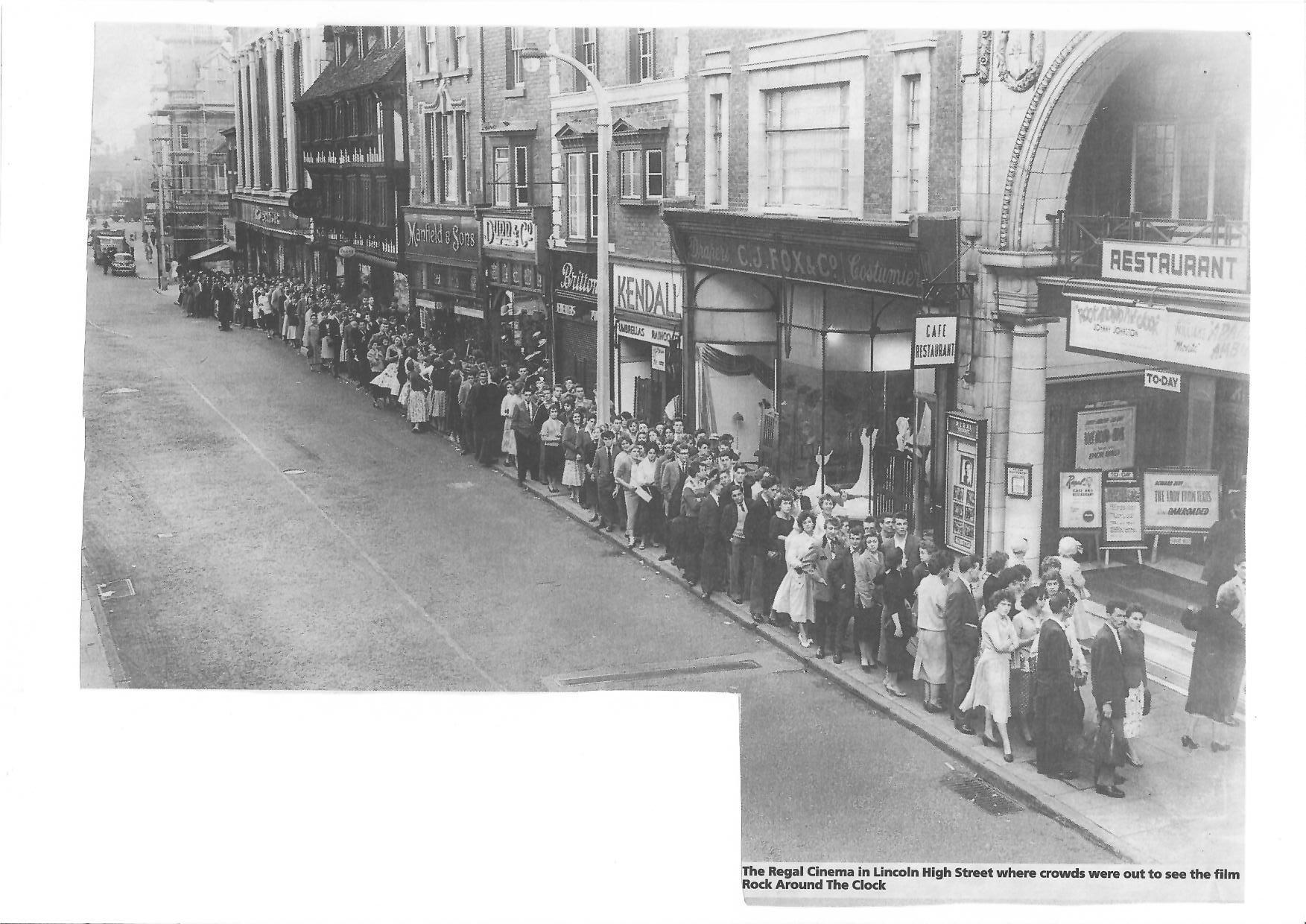
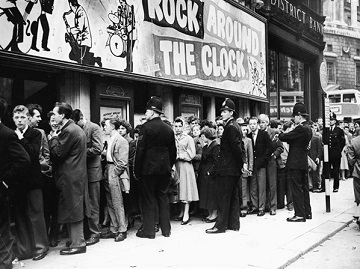
Well, the great Rock n’ Roll revolution in music kicked off in the late 1950 s and in England this film heralded the new dawn as we teenagers saw it.
Crowds gather in the centre of the city and queue round the corner to see the film showing at The Regal Cinema, LINCOLN.
THE REGAL CINEMA LINCOLN – BELOW
Regal Cinema
216-219 High Street,
Lincoln, LN2 1AB
The Picture House was opened on 18th January 1915 with “The Fighting Strain of Old England”. The cinema was constructed on the site of a former high-class grocery store, and the original facade was retained. The auditorium had a barrel-shaped ceiling. Seating was provided in stalls and circle levels, and there were side boxes along the walls at circle level. The proscenium was 31 feet wide. There was a cafe located on the ground floor, where patrons could eat and drink, while watching the film programme.
It was taken over by the Associated British Cinemas(ABC) chain in 1930, and after a refurbishment, re-opened as the Regal Super Cinema on 12th January 1931 with Conrad Nagel in “A Lady Surrenders”. The re-opening ceremony was attended by film star Dodo Watts. The cafe was moved upstairs, and it had an open balcony overlooking the High Street.
ABC closed the Regal Cinema on 26th February 1966 with Julie Andrews in “Mary Poppins”. It was demolished in April 1969, and a Littlewoods store was built on the site. Today, it operates as a Primark store.
Coming back to Rock around the Clock –
This is known as the “first real rock film” which is basically a vehicle for Bill Haley and his band, The Comets. In the story, two square music managers realise that their old type of traditional dance music is dying out in favour of the latest “rock ‘n’ roll” fad.
Above – more fans – the time in London
When they see Bill Haley and the Comets perform their classic “See You Later Alligator” at a small town dance and witness all the kids dancing, they decide to try and get this group to play full-time and make it big. The film’s not very interesting when it veers away from the music, but along the way we get several more Bill Haley songs (the famous title hit itself, plus “Razzle Dazzle,” “Rock Rock Rock” and others). However the main attraction is easily The Platters, who expertly perform two of their biggest hits – “Only You” and “The Great Pretender”. Wonderful.
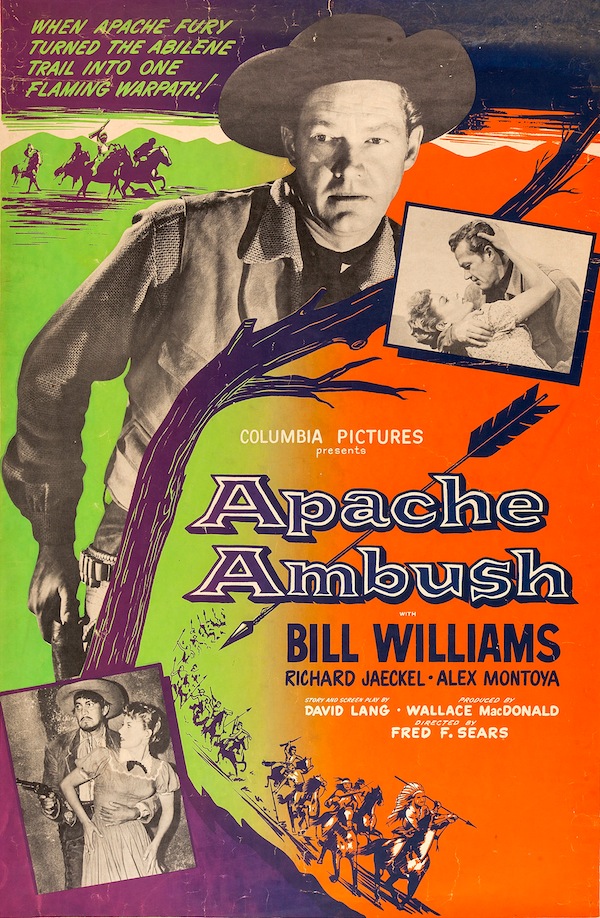
Moving back to the LINCOLN Regal Cinema image – it seems that Apache Ambush with Bill Williams – which I have mentioned on this Blog before – is the supporting film. It was probably a better film than Rock around the Clock but it is obvious what the young public wanted at that time.
Directed by Fred F. Sears
Cast: Bill Williams (James Kingston), Richard Jaeckel (Lee Parker), Alex Montoya (Joaquin Jironza), Movita (Rosita), Adelle August (Ann Parker), Tex Ritter (Traeger), Ray ‘Crash’ Corrigan (Hank Calvin), and Clayton Moore./
Just look at this cast list – not just the star but Movita who had been in Mutiny on The Bounty and ‘Crash Corrigan’ – famous stunt man and ranch owner where many films were shot, on of course Clayton Moore – who in a year or so from this one would gain fame as The Lone Ranger.
It opens in Washington, D.C., in April 1865, as Bill Williams, Ray Teal and Don G. Harvey meet with President Lincoln (James Griffith). There are cattle in Texas and hungry people in Kansas, and the president asks the men to drive the cattle north.
To this basic cattle drive plot, Lang’s script adds a wagon train, Mexican bandits, the Apaches of the title, a stampede, a bitter Confederate veteran and a shipment of repeating rifles (and let’s not forget Lincoln’s assassination). All of that in less than 70 minutes.
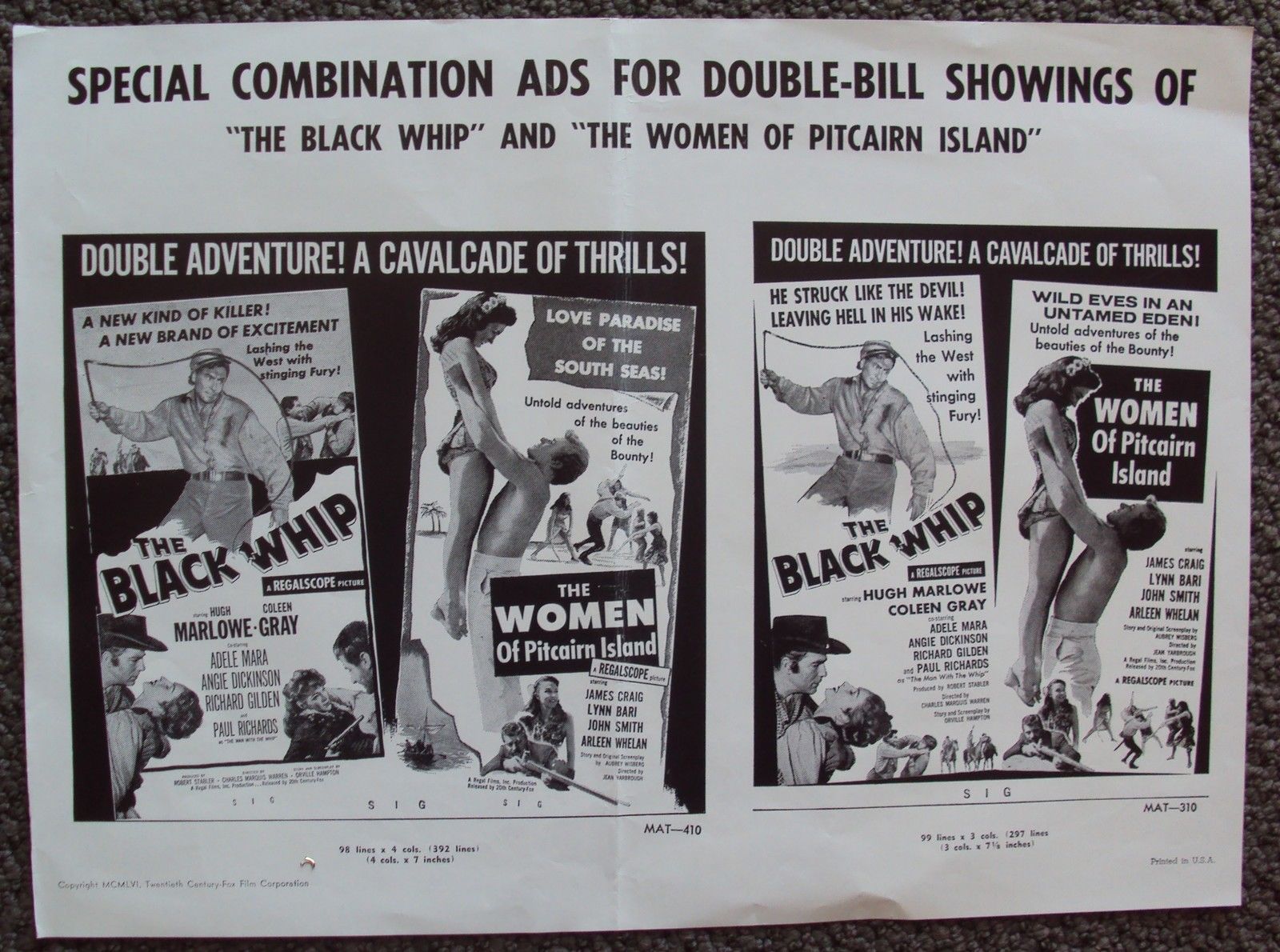
This film stars – Hugh Marlowe, Coleen Gray, Adele Mara, Angie Dickinson, Sheb Wooley, Strother Martin
Below on the Double Bill advertisement :
The Black Whip (1956)— a Regalscope picture from Charles Marquis Warren, photographed by Joseph Biroc — listed among DVD upcoming releases.
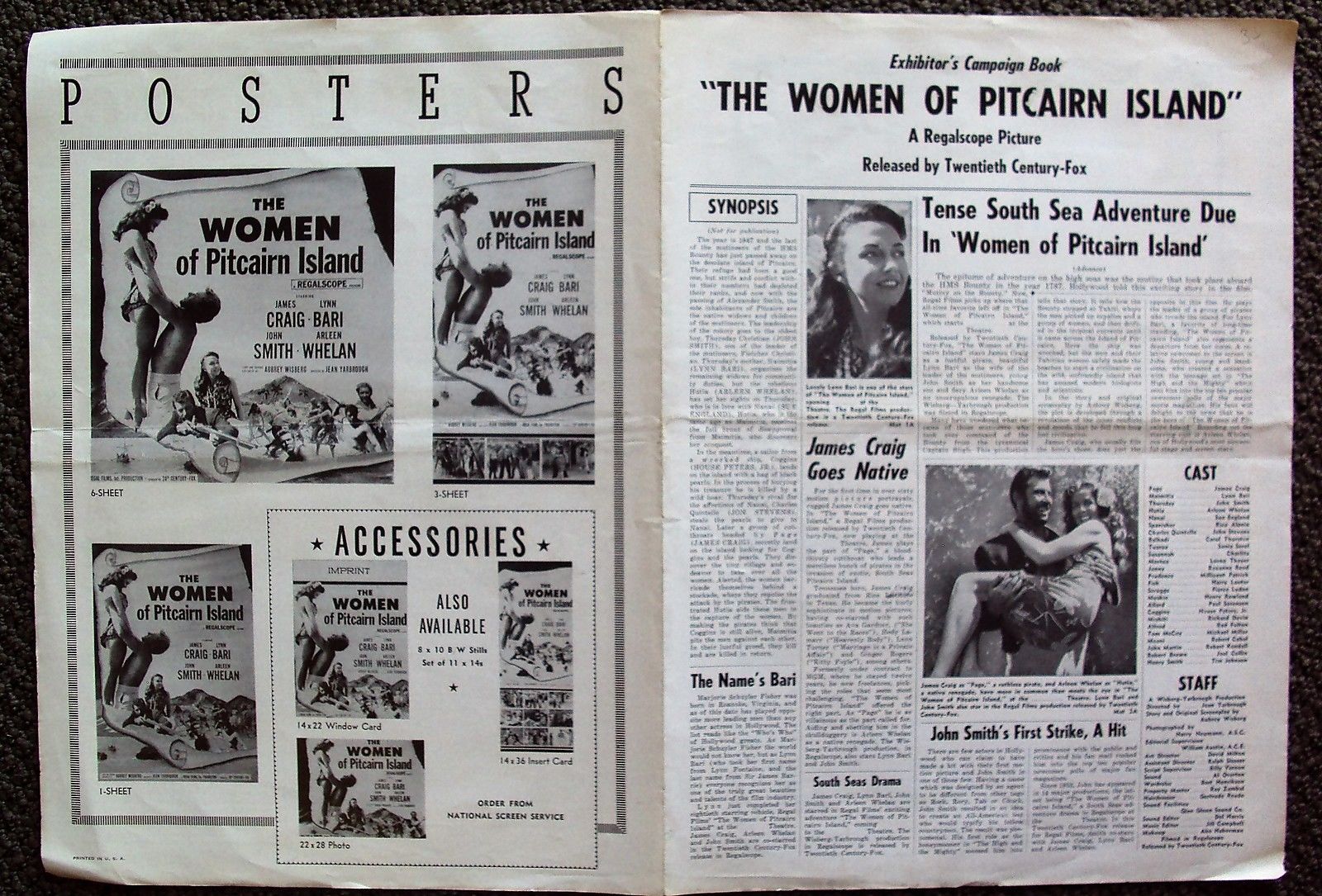
“Women of Pitcairn Island,” is photographed in Regalscope.
Veteran performers Lynn Bari and James Craig add a touch of professionalism to the proceedings but the star of the film is John Smith who plays Fletcher Christian’s 17-year-old son.
Smith played second-lead to Jeff Richards two years later in “Island of Lost Women.” Once again he’s on a tropical island with beautiful women.
Regalscope.
By the mid-50s, CinemaScope had become THE cinema screen to watch and helped pull in the crowds who had turned to Television – 20th Century-Fox then decided that all their CinemaScope pictures would be made in colour and stereo.
B producer Robert Lippert approached Fox with the idea of having his Regal Films, Inc. produce a series of second features for the studio — two black and white CinemaScope pictures a month. For such productions a name change was agreed as RegalScope.
RegalScope is black and white CinemaScope. Lippert made around 50 RegalScope features between 1956 and 1959 — all of them cheap, most of them Westerns. These Westerns star folks like John Agar, Jim Davis, Beverly Garland and Forrest Tucker. One, Ambush At Cimarron Pass (1958) had Clint Eastwood in an early role.
This is a Cinema Programme from back in 1952 – from which we are able to see the variation of films on offer at that time. One of the films showing was another Gregory Peck one – Only the Valiant. Only the Valiant is very well shot, and the black and white cinematography looks good. I am not a huge Gregory Peck fan(I sometimes find him dull) but he does a good job as the ruthless officer, and Barbara Payton is pretty in the role of Cathy. Ward Bond, Gig Young and Jeff Corey are much more impressive though.
Above – a scene from Only the Valiant
Also on the bill another Gregory Peck film Captain Horatio Hornblower. This film has a great storyline (C.S.Forrester wrote the script from his novel) with good acting from Gregory Peck and Virginia Mayo, and a top rate supporting cast, plus that beautiful ’50s Technicolor and you can’t get much better than that.
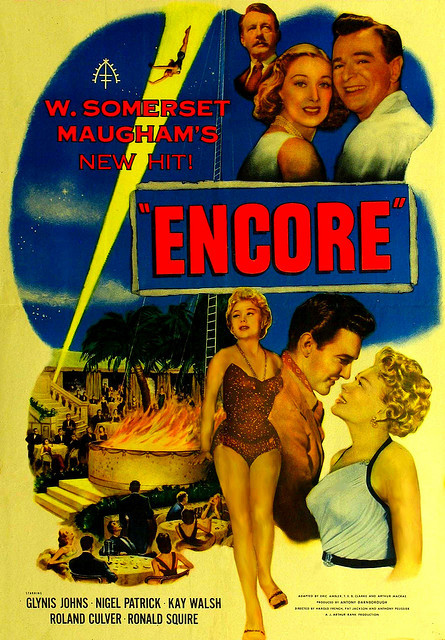
Then we have a British made film – Encore( above) this follows “Quartet” and “Trio,” the first two collections of Somerset Maugham stories. This one has three stories. The first story, “The Ant and the Grasshopper,” has Nigel Patrick as a ne’er-do-well who mooches off his responsible brother. The second, “Winter Cruise,” is the amusing tale of a few men caught on a long cruise with a Chatty Kathy (Kay Walsh) who drives them crazy with her non-stop yapping. The final episode, “Gigolo and Gigolette,” stars Glynis Johns as a performer whose act consists of jumping 80 feet into a pool of burning water, but she starts to lose her nerves; it is the longest of the three with a compelling ending.
I have just acquired a very interesting item from the early 1950s. It is a Programme for a FESTIVAL OF BRITAIN event in Maidenhead on 17 June 1951
It is signed on the rear by Richard Todd the film actor – and his wife Catherine Todd – or Kitty as he called her.
The date of 17 June 1951 coincided with the time that Richard Todd was filming The Story of Robin Hood and His Merrie Men at Denham Film Studios for Walt Disney – and even more specific it was at the time when the filming of the famous quarter staff fight on the bridge between Robin Hood and Little John was being done on that wonderful studio set designed by Carmen Dillon. The reason I know this is that in Ricard Todd’s Autobiography ‘Caught in the Act’ he says that on his Birthday which was 11 June, this scene was being filmed and it would have gone on for some days I expect.
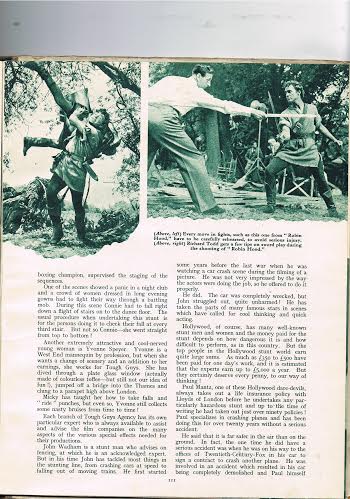
This is a behind-the scenes picture of that very scene, with Richard Todd (Robin Hood) and James Robertson Justice (Little John) with film director Ken Annakin.
This magazine picture was taken at one of the massive sets at Denham Studios, during the filming of Walt Disney’s Story of Robin Hood (1952). We see them examining Richard Todd’s leather jerkin after the dramatic quarter-staff fight over the wooden bridge.
This actor had a very distinguished war record followed by a pretty good career in films which was cut short by his sudden death at a very young age. In fact his film career had started well before the War but from 1941 he did not make any more until hostilities had ended and he was back in business.
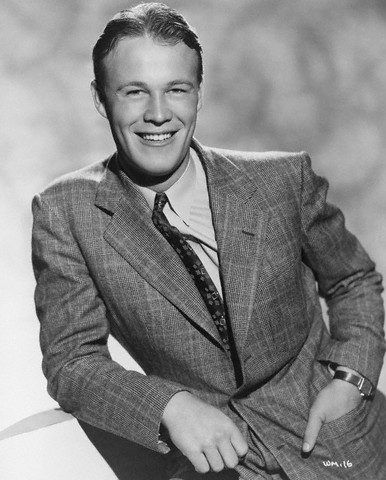
Wayne Morris
(February 17, 1914 – September 14, 1959)
Warner Archive have released on DVD quite a few Wayne Morris films. He gave tremendous service to his country during World War II — seven Japanese planes shot down, five ships sunk.
Above in The Marksman (1953), one of the Westerns Morris made for Allied Artists, which is part of Warner Archive’s Wayne Morris double feature.
One of his later appearances was in the TV Series Bat Masterson starring Gene Barry.
He can be seen playing alongside Bette Davis as a boxer in “Kid Galahad” (1937) or a cadet running amok at the Virginia Military Institute in “Brother Rat.”
Wayne Morris may not be a name you’re familiar with but you have most likely seen the husky, affable blond in Warner Brothers 1930s and 1940s films.
But you may not be familiar with Morris’ war time record.
We frequently hear about Hollywood actors such as James Stewart, Clark Gable and Mickey Rooney who enlisted and were decorated for their bravery during World War II.
However, Wayne Morris is rarely recognised for his service and was one of World War II’s first flying aces.
His interest in flying started in Hollywood.
While filming “Flying Angles” (1940) with Jane Wyman and Dennis Morgan, Morris learned how to fly a plane.
Once World War II began, Morris joined the Naval Reserve and became a Naval flier in 1942 on the U.S.S. Essex. He put his career on hold to fight. The same year he was married to Olympic swimmer Patricia O’Rourke.
“Every time they showed a picture aboard the Essex, I was scared to death it would be one of mine,” Morris said. “That’s something I could never have lived down.”
Morris flew 57 missions-while some actors only flew 20 or less- and made seven kills, which qualified him as an ace. He also helped sink five enemy ships.
He originally was told he was too big to fly fighter planes until he went to his uncle-in-law, Cdr. David McCampbell who wrote him a letter, allowing him to fly the VF-15, according to “McCampbell’s Heroes: the Story of the U.S. Navy’s Most Celebrated Carrier Fighter of the Pacific”, Edwin P. Hoyt.
Three of his planes were so badly damaged by enemy fire that they were deemed unfit to fly and were dumped in the ocean, according to IMDB.
“As to what a fellow thinks when he’s scared, I guess it’s the same with anyone. You get fleeting glimpses in your mind of your home, your wife, the baby you want to see,” Morris said. “You see so clearly all the mistakes you made. You want another chance to correct those mistakes. You wonder how you could have attached so much importance to ridiculous, meaningless things in your life. But before you get to thinking too much, you’re off into action and everything else is forgotten.”
For his duty, Morris was honoured with four Distinguished Flying Crosses and two Air Medals.
When he returned to Hollywood after four year at war, his once promising career floundered and Warner Brothers did not allow him to act for a year.
Lewis Gilbert’s version of The Admirable Crichton is a handsome adaptation of one of J.M Barrie’s most popular plays which, although often referred to as a “satire”, was more than likely Barrie’s way of disguising his gentle assault on the British class system. It’s also a rather unabashed look at the utter helplessness the uppercrust have when they are thrust in a commonplace situation, or in this case, an un-commonplace situation.
Lord Loam ( Cecil Parker ) is the father of three young women, each about to be betrothed. Loam is a just man – one of those easily swayed lords of the English realm. He fancies that he desires equality as much as the average working class gent…and he does, to a point. In fact, it is his embarrassing “servant’s tea party” that leads him to embark on a yachting voyage to the South Seas, along with his daughters, their suitors and the ship’s staff. When a spot of inclement weather frightens the crew into bailing, the passengers are left floating in a lifeboat in the mid-Pacific to fend for themselves. Thankfully, their unflappable manservant Crichton ( Kenneth More ) and a servant girl ( Diane Cilento ) are dunked overboard with them….and it is Crichton who turns out to be their savior with his resourcefulness when they are marooned on a deserted island. As the toffs accustom themselves to island life they find a new social order emerging. The tables are reversed as Crichton becomes the lord of the land and they the servants; but when a passing ship comes to their rescue, Crichton must decide if they are to remain islanders or each return to their previous status.
The Admirable Crichton, released as Paradise Lagoon stateside, was the first color adaptation of Barrie’s beloved 1902 play, but not the first filming. There was G.B Samuelson’s 1918 silent version, Cecil B.DeMille’s lengthy 1919 retelling ( Male and Female starring Gloria Swanson ) and Paramount’s Yankeefied take on the story, We’re Not Dressing, released in 1934 and starring Bing Crosby and Miriam Hopkins. Lewis Gilbert displays a masterful hand at putting the shipwreck satire to film and Wilkie Cooper obviously delighted in photographing the island paradise, which the play could only suggest. His sumptuous Technicolor photography gave reason enough for Brits to leave their flats to see the film. The rich blue waters of Bermuda subbed for the unnamed South Seas island and a couple of well-placed artificial palms added to its appeal. The island sets are quite clever and were a precursor to the familiar bamboo sets of Gilligan’s Island during the 1960s.
It is really Britain’s everyman, Kenneth More, however, who steals the show and makes this his own film. More isn’t ones ideal image of a heartthrob that three gals would be pining over, but on a deserted island he takes on the appeal of a hero and his good points do indeed shine through.
The always lovely Sally Ann Howes portrays the beautiful Mary, eldest daughter of the Loams, who finds she has lost her heart to her butler. Sally Ann Howes always seems to be running along a beach, but this time, alas, she is not singing “Truly Scrumptious”. Cecil Parker is marvelous as Lord Loam; Diane Cilento ( Mrs. Sean Connery at the time ) plays the cockney Eliza, not unlike Eliza Dolittle; and Martita Hunt, Jack Watling, Peter Graves, Gerald Harper, Mercy Haystead and Miranda Connell round out the cast. The Admirable Crichton is a very entertaining and underrated little gem that has been cast adrift by the critics. It is hard to imagine watching this story unfold within the confines of a stage. It certainly was a tale meant to be filmed in Technicolor.
Although Barrie attempted to write a comical study of the folly of civilization’s class system, he left The Admirable Crichton without a moral. What comes through in this film however, is that the poor class have as much, if not more snobbery, than the rich. It is Mary who desires to remain on the island married to Crichton and living the blissful life of a pair of castaways but Crichton is stubbornly proud of his “position” and fails to conceive how the daughter of his employer can love him for himself when the setting is changed. In short, he behaves like an utter ass.
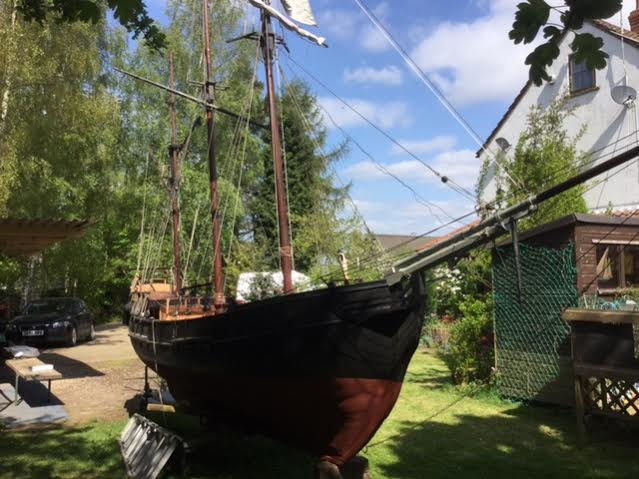
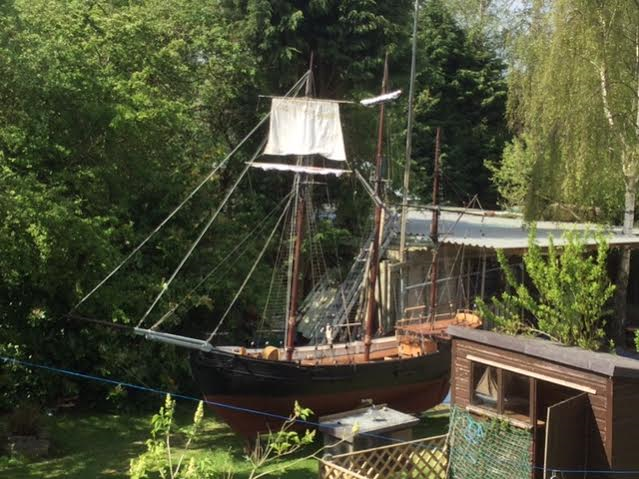
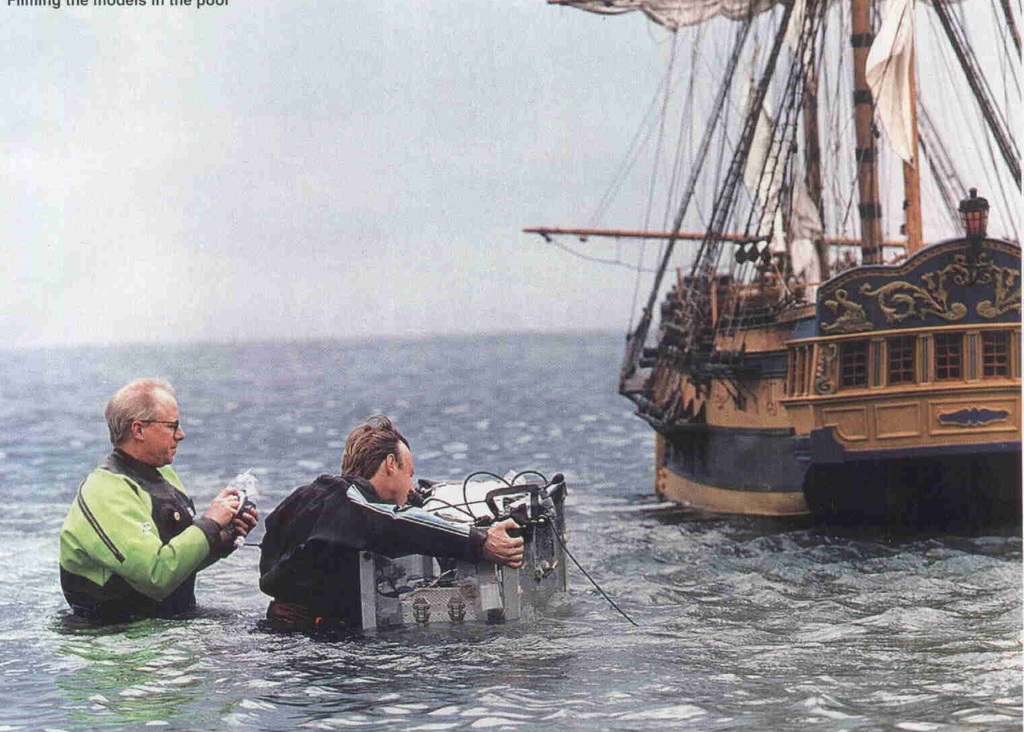
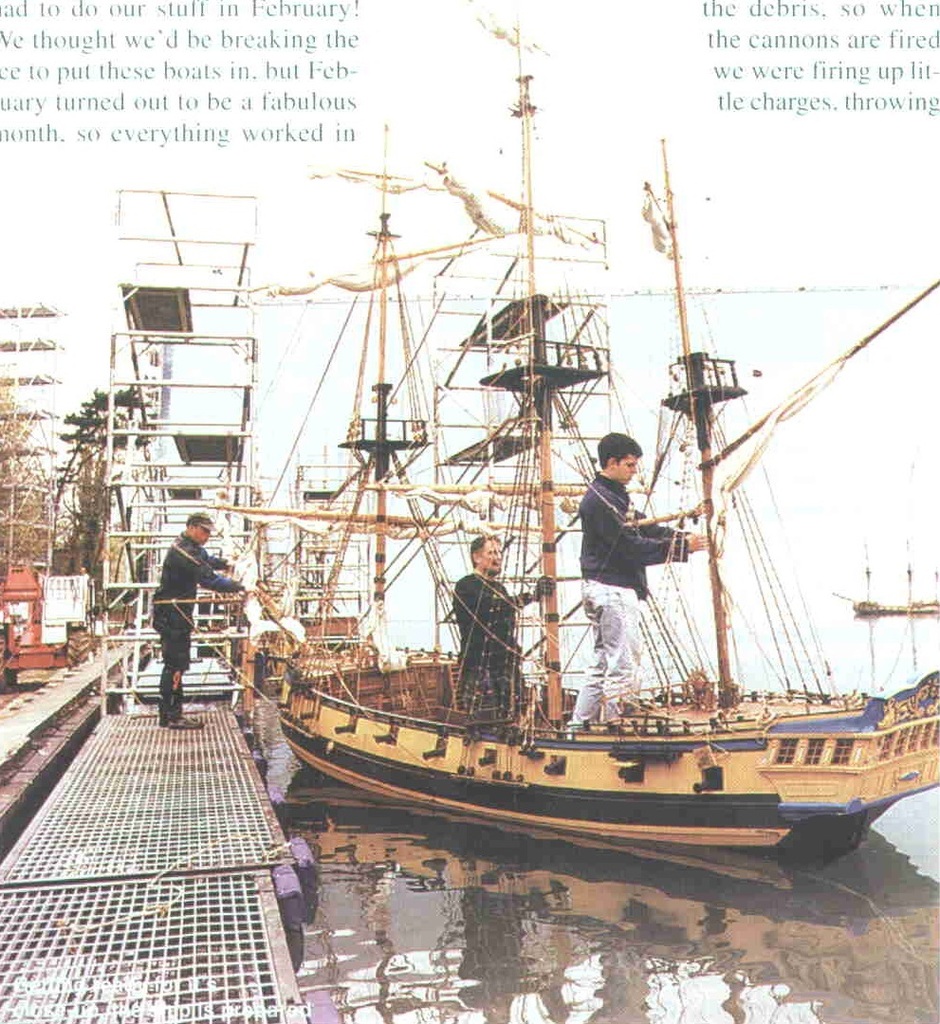
Well I would like to say that these pictures of the large model boat we have here are from the 1951 film Captain Horatio Hornblower with Gregory Peck. However this is not really true. This model was used during filming of the Television series Hornblower made much later.
Much of the filming for this series was done out on the Black Sea.
A good friend of mine Mr Martin Lambert has recently purchased this and is busy putting the finishing touches before it goes on display. He is an expert on anything maritime and so this is just perfect for him – and for me it is a link to the Film World.
Above – In Martin’s garden on a lovely day in May in England.
Up close in the water with the film camera.
Above -These pictures were taken during the filming of the series
65 years ago today that would be 30th April 1951, Richard Todd, famous film actor, opened his curtains that morning to prepare for the first day of filming on Walt Disney’s superb film ‘The Story of Robin Hood and His Merrie men at Denham Film Studios just a short distance form his home in Pinckneys Green, close to Maidenhead.
As with all of Walt Disney’s films much preparation work had been gone into to ensure a minimum of delay in filming BUT on this day of all days, the weather caught them out. Richard peered out of the window to see a covering of quite deep snow.
Above – Richard Todd as Robin Hood on the set at Denham
He went down to Denham Film Studios where they were intending shooting outdoor scenes out at Burnham Beeches but this had to be abandoned.From that moment on, the Disney organisation made sure that whatever happened, they would have other scenes ready to do if such an eventuality occurred again.