![]() |
| Glynis Johns as Miranda |
![]() |
| Glynis Johns as Miranda |
Jay Silverheels was a full-blooded Mohawk Indian, born Harold J.Smith on the Six Nations Indian Reservation, Ontario, Canada in 1918. He got the name Silverheels from a tribal elder.
He began his acting career as an extra in 1937 and appeared in quite a few films including The Yellow Sky, Walk The Proud Land and Broken Arrow, also doing supporting roles to Gene Autry and Audie Murphy, but he is best know for playing Tonto in all but four of the 221 episodes of The Lone Ranger.
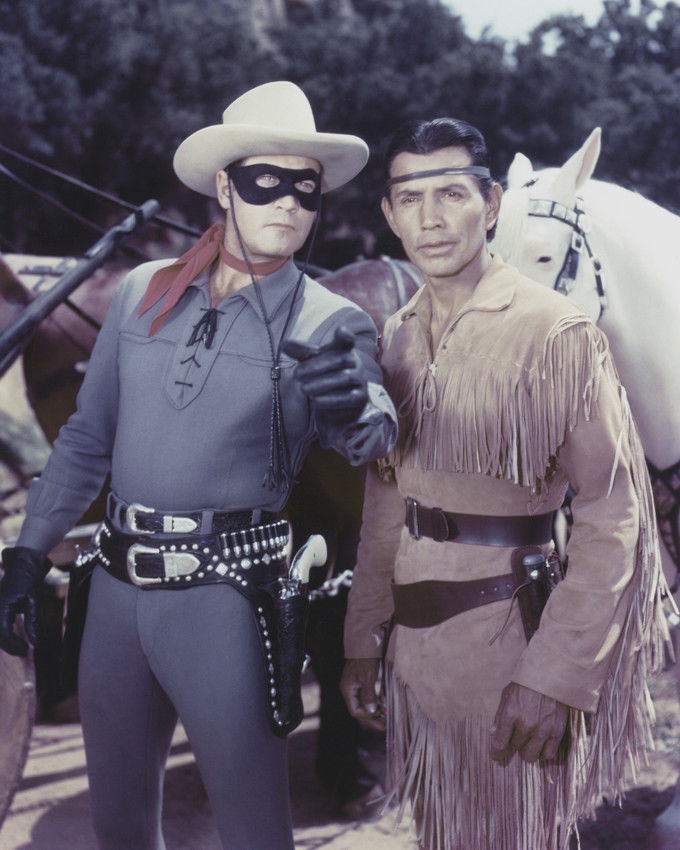
Aboye: As Tonto in the Lone Ranger alongside Clayton Moore – this was the part that he will always be remembered for.
After The Lone Ranger programme finished in 1956, he had part in films that included Indian Paint 1965, The Sphynx 1970, and True Grit in 1978 and founded the Indian Actors Workshop in Hollywood.
He had a stroke in 1973 which curtailed his activities but in 1979 he became the first native American to be awarded a star on the Hollywood Walk of Fame.
He died on 5th March 1980 with his Italian-born wife Mari at his side. Lone Ranger Clayton Moore wept at the funeral saying ‘He was my kemo sabe ( faithful friend.
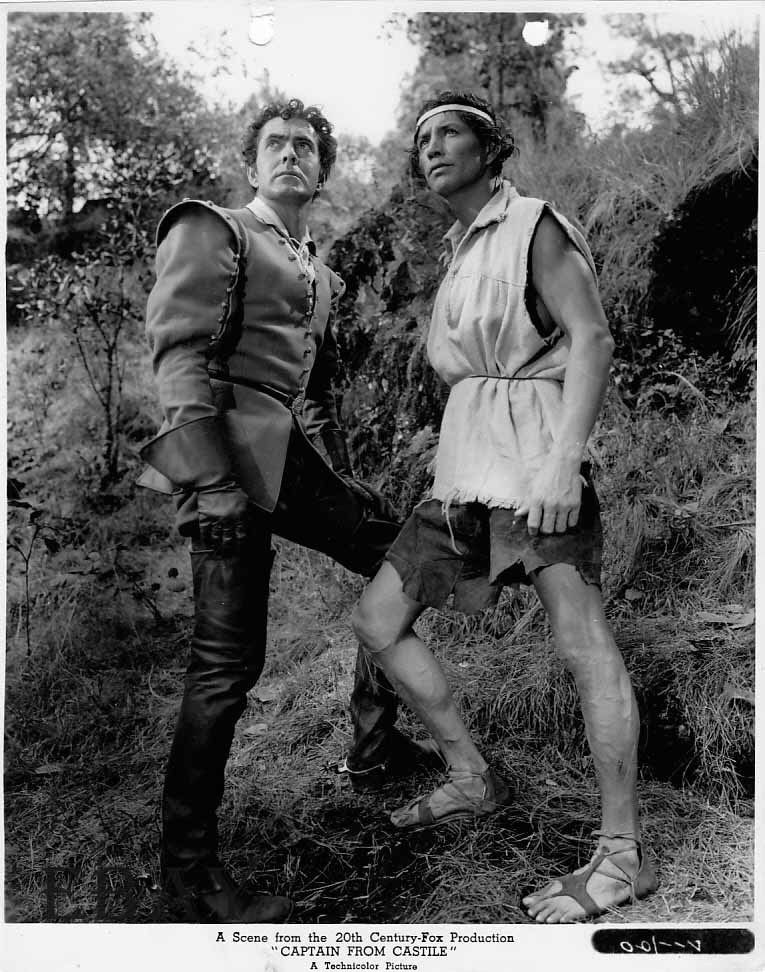
I hadn’t realised that among the films he did before The Lone Ranger TV Series was this quite big film alongside Tyrone Power no less.
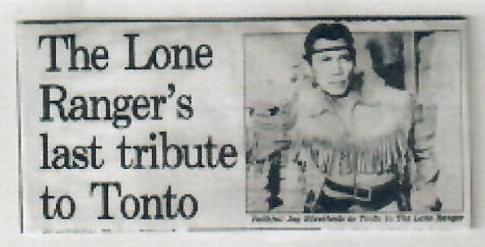
His is a name that is well remembered in England though – from the early days of Television – hence this article some months ago in the daily Mail – Above.
He holds a unique place in early Television History. The Lone Ranger Series ran from 1949 to 1957
I know this cinema very well – or at least did do when it was the Odeon and went there many times in the mid to late 1950s when we saw such films as His Majesty O Keefe, Trapeze and Gunfight at The OK Corral – all good films by any standards.
In my own mind I have His Majesty O Keefe was the best of the lot because it gave us a look at the South Sea Islands – and my goodness it did look good. So did Joan Rice who starred in the film.
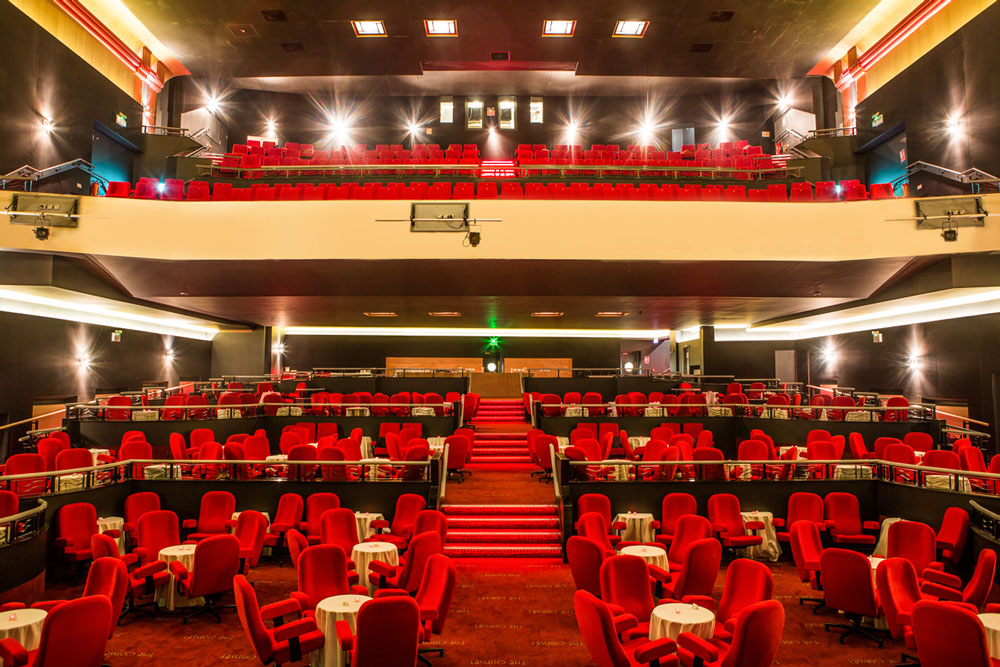
On a very recent visit to St.Albans, I was shown round the new cinema and chatted to some of the young people who worked there. It is now a first class venue – about as sumptuos as you could ever get.
Also the choice of films interested me – of course there were all the new releases but also an old film was shown each month and when I was there it was to be The Third Man ( which one of the young girls had never heard of ) and this month Jaws is showing.
His Majesty O’Keefe (1953) – Starring Burt Lancaster Some scenes were shot in the country’s capital – Suva.

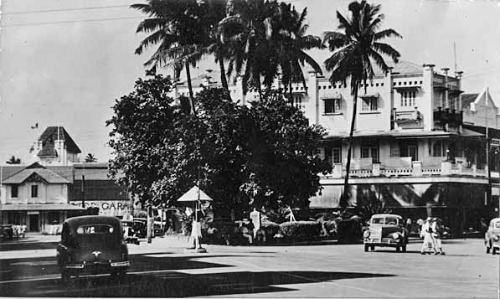
A picture from around the 1940’s and 50’s in Suva, Fiji. Around the time His Majesty O’Keefe would have been filmed.
Filmed in Fiji in the South Seas.
The Odyssey Cinema was originally built in 1931 during the golden age of Cinema. It was one of three Cinemas in St Albans and is the last one that survives. This building was originally called the Capitol and then from 1945 The Odeon. It was converted to 3 then 4 Screens and closed very unjustly in 1995 and laid empty.
James Hannaway of The Rex Cinema in Berkhampsted was offered the building in 2010 by the property developers that wanted to demolish it. With the help of local donations and fund raising Mr Hannaway purchased the building then spent several years raising funds to restore the building. The building reopened as a restored single screen cinema on 29th November 2014 and fully to the public on 13th December 2014.
The Cinema is breathtaking the original Art Deco features that remained have been incorporated into the new scheme and the end result is an auditorium which is beautiful and a true picture palace which harks back to a bygone age . Unlike the multiplex’s The Odyssey has Screen Curtains and all the sense of occasion and grandure that a visit to the cinema used to have. In the Stalls area tables with swivel seats offer a different experience as you can sit at a table with a drink and then turn towards the screen as the film starts. In the balcony the rows of seats have massive amounts of leg room and the seats themselves are all armchair type offering the height of comfort.
The Odyssey technically is brilliant it has a massive Screen with the very latest digital projection technology, the sound system is the very latest reactive sound system and has the surround speakers hidden in the walls, the Odyssey offers sound and vision better than West End Cinemas in Leicester Square. The Cinema in summary is a beautifully restored Art Deco masterpiece
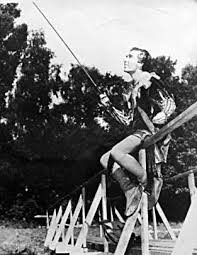
The Heading just shows what a versatile man Elton Hays was.
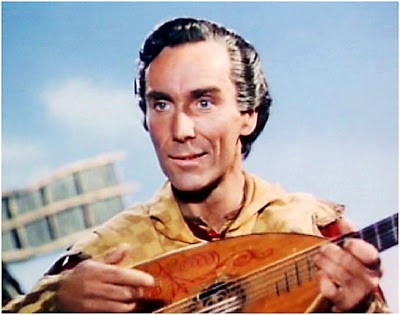
The success of the Walt Disney ‘Robin Hood’ film – in which Elton had one of the leading roles as Alan A Dale – led to a nineteen-city tour of the USA and Canada, making 113 radio and TV appearances in 8 hectic weeks in 1952
He bought a 47-acre farm at Hartest, near Bury St. Edmunds, Suffolk and soon built up a prestigious herd of pedigree pigs. He now found time to return to his youthful hobby of horses.
Sadly a severe stroke in 1995 put an end to these activities and Elton had to give up his farm and move to live with friends at nearby Cockfield. With characteristic courage and determination he overcame many of the difficulties associated with the stroke but lost the brave battle he had with his final illness in 2001.
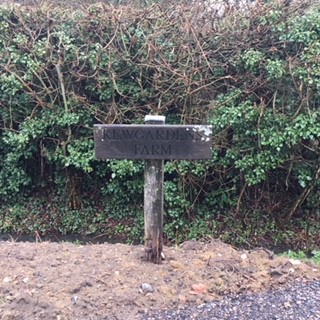
A friend and colleague lives close to the Farm that Elton Hayes owned in Suffolk – this was the farm he had there
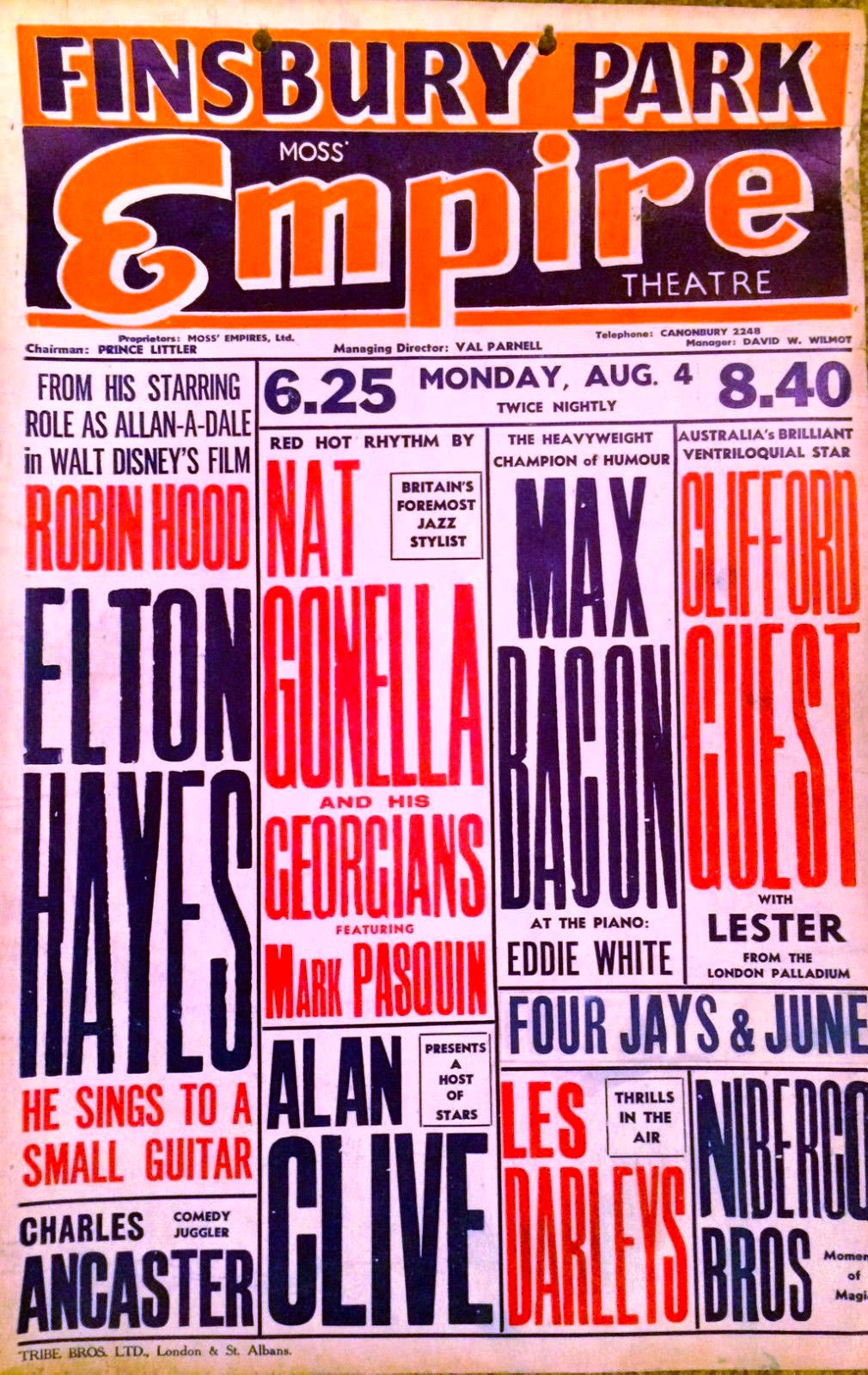
Elton Hayes became a star after The Story of Robin Hood and appeared on Television and Radio – and on stage – see above Theatre Bill. He seemed to be top billed at the Finsbury Park Empire – so that must have been around 1952 after he scored his big film success.
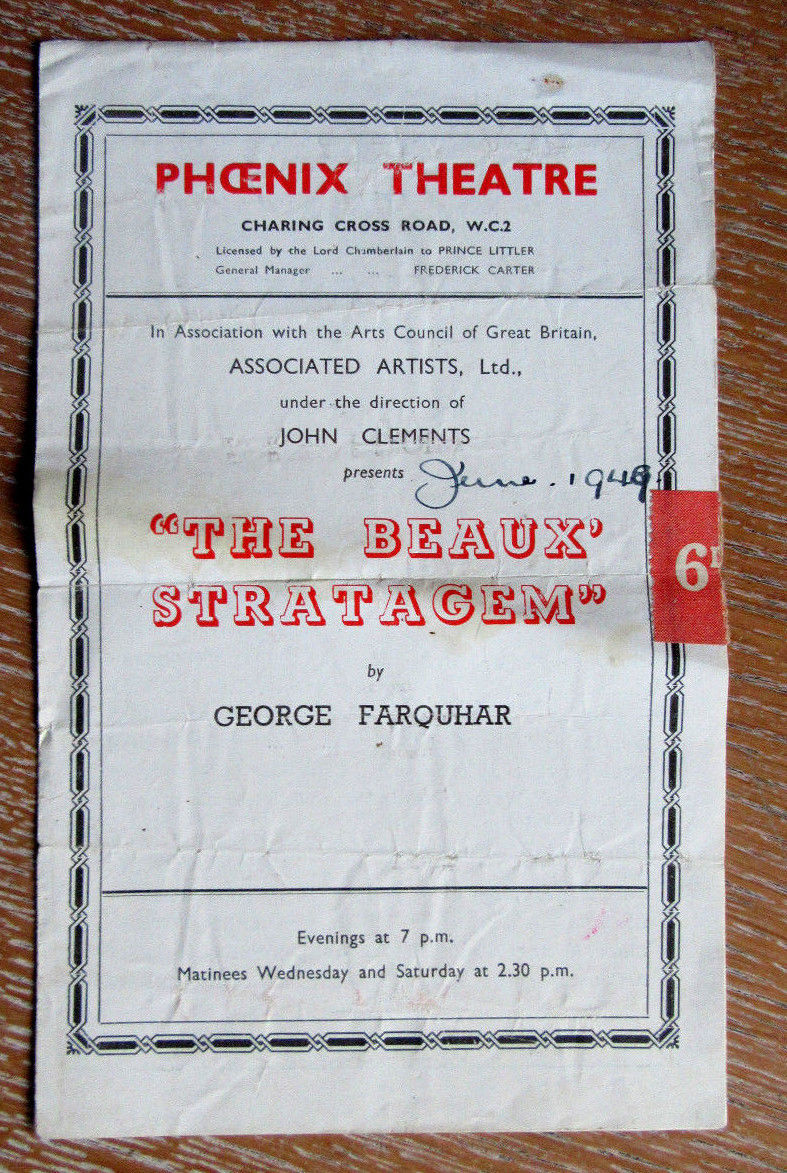
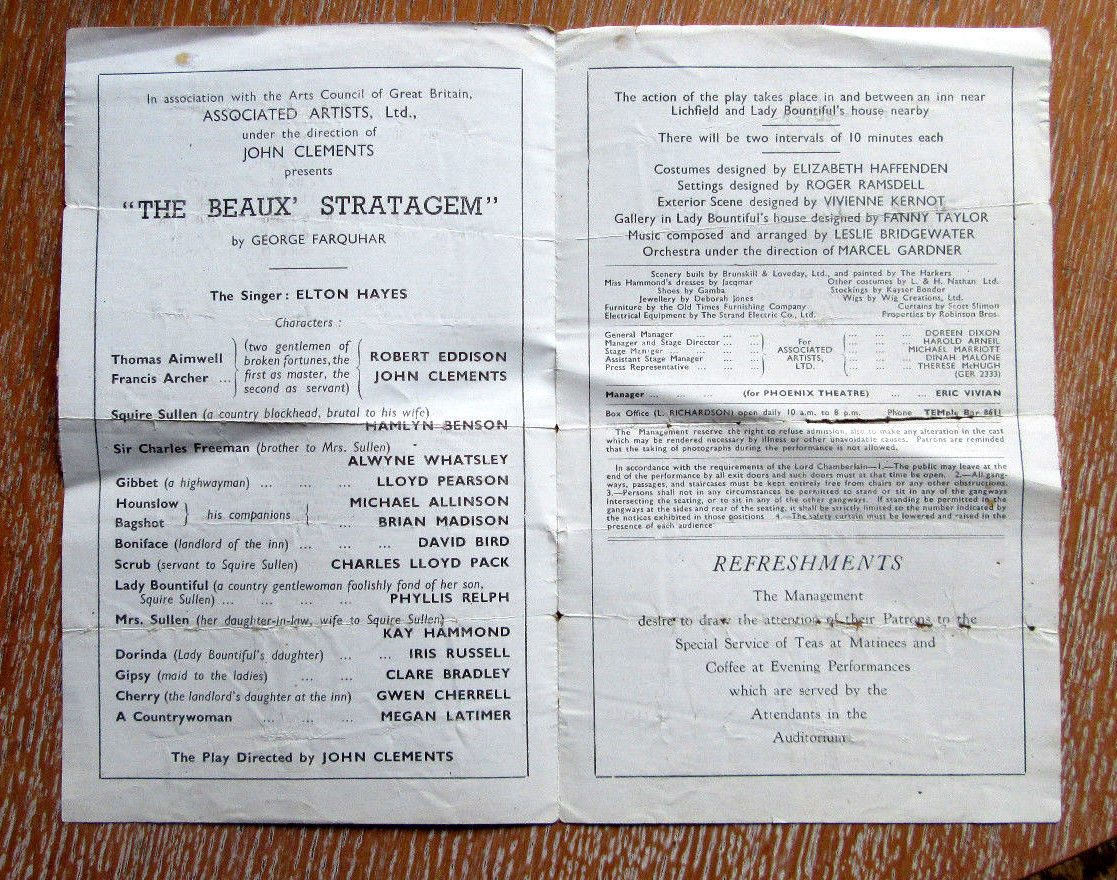
Before this in 1949 he had minor stage parts – and is billed here as The Singer – but that would seem to be a key part in this stage play – which I have to say I am not familiar with – However he is at that time appearing in the West End so he must have been well known in the Theatre before his film work began.
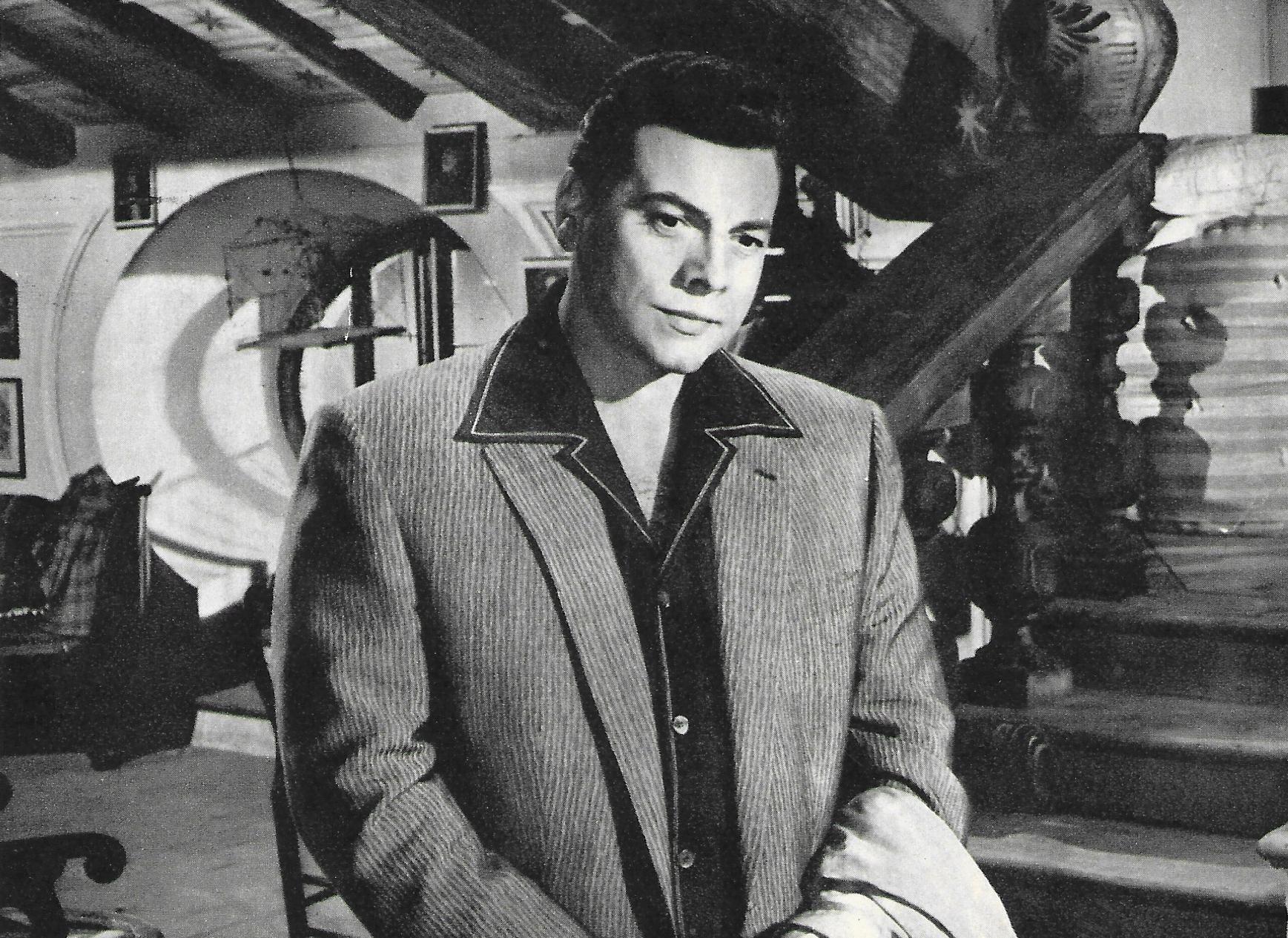
After a three year absence Mario Lanza is back with the film Seven Hills of Rome – much to his liking is this one. He did not care for Because Your Mine or Serenade which he described as having a ‘gloomy guy’ full of sadness and he felt that the fans wanted much more light heartedness and fun – and this what we got with Seven Hills Of Rome.
His recordings sold in astonishing amounts – probably still do – and I have to admit that if you listen to them it is a wonderful experience.
Described in the Picturegoer Film Annual as a ‘svelte like thirteen stones – as opposed to the ‘over twenty stones’ he had weighed in at some time in the last few years, he had seemed to settle down and following a sell-out tour of Britain he had intended to make Europe his base.
Sadly that was not to be. He suffered a heart attack and died in October 1959 at the young age of 38.
He was very much a family man.
This article cannot do justice to this phenomenal singer and film star – it is only looking at this one film and includes pictures above – taken from The Picturegoer Film Annual.
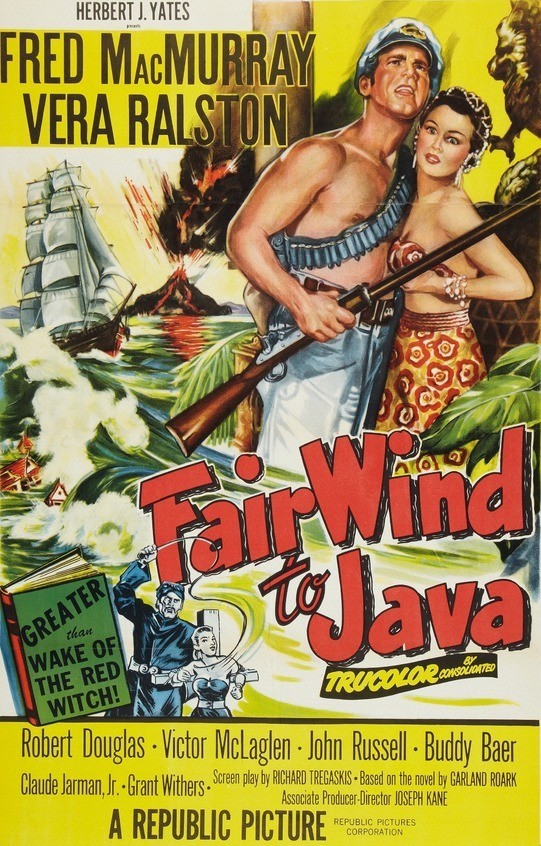
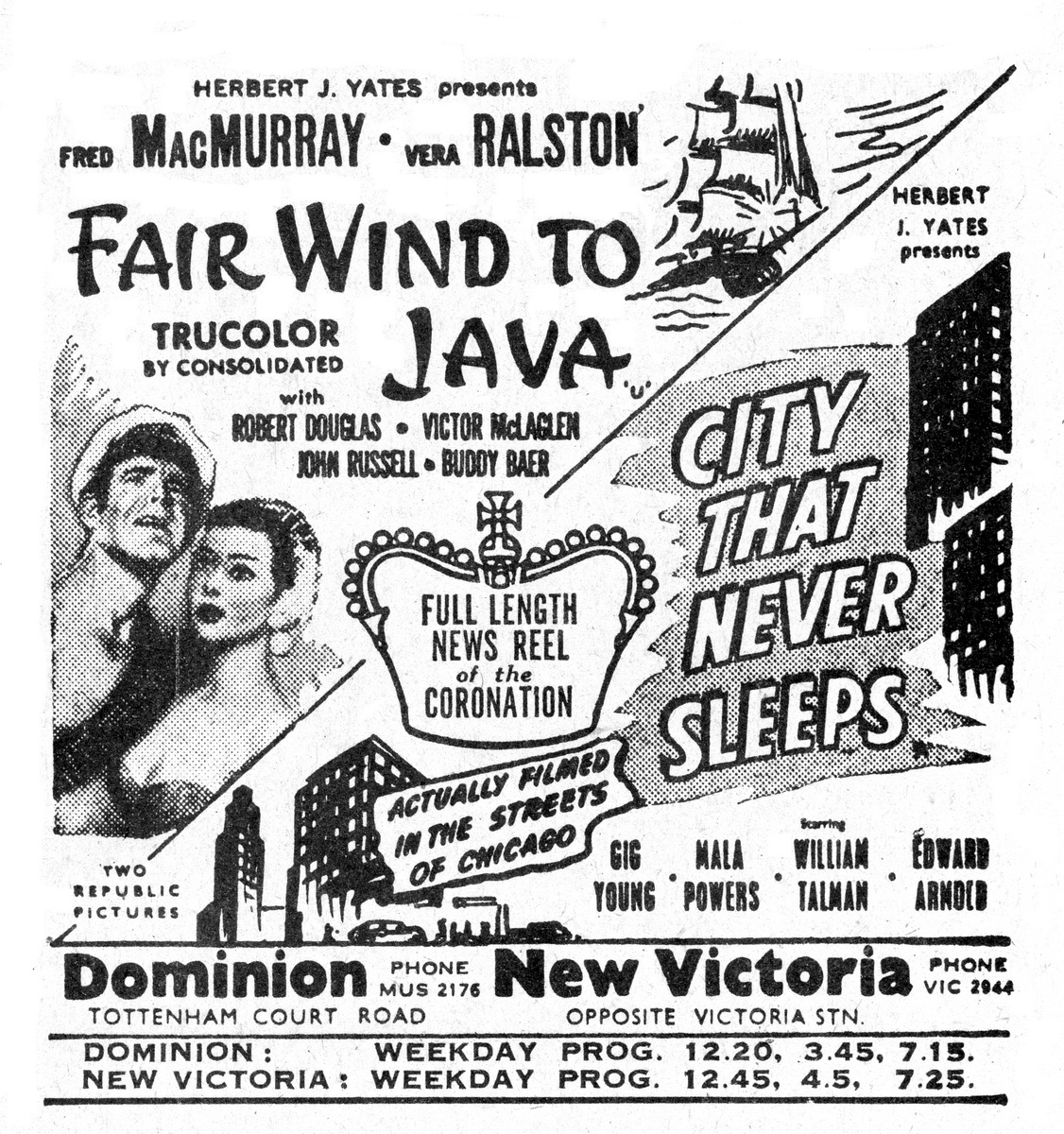
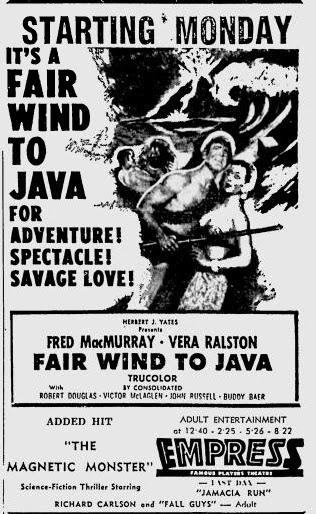
An epic from Republic Pictures. An adventurous captain of an American merchant vessel – played by Fred MacMurray – is looking for a sunken Dutch vessel that contains 10,000 diamonds. However, he is not the only one searching for this treasure. The island where the diamonds are supposed to be has an active volcano on it.
It was based on the 1948 novel of the same name by Garland Roark. His first novel Wake of the Red Witch, published 1946, was a Literary Guild selection and adapted later by Republic Pictures company starring John Wayne and Gail Russell.
Fair Wind to Java was filmed inMalibu, California, and on the Republic Pictures backlot.
Vera Ralston said that shots of Java inserted in the film were made by John Ford, but there are other angles on this story – so not quite sure. Either way there was a lot of model work cleverly cut into the film.
In glorious trucolour! Another Republic storybook masterpiece from the last 5 years of the studio -this is an Indiana Jones pirate/volcano movie before anyone had done it.
I wonder if Steven Spielberg saw this as a youngster and took inspiration from it.
FAIR WIND TO JAVA stayed in cinema circulation even after 1960 and was often seen in cinema screens at Kids matinees with other Republic films.
The 1969 Cinerama sized KRAKATOA EAST OF JAVA might have attempted a bigger screen and scope, but this 1953 version with Fred and the pirates – and genuinely beautiful art direction and great modelwork, is a lot better.
I do remember seeing Krakatoa Esat of Java at the cinema – it had a big build-up – and was a must see film at the time. I enjoyed it though.
A Republic Picture – filmed in Trucolor
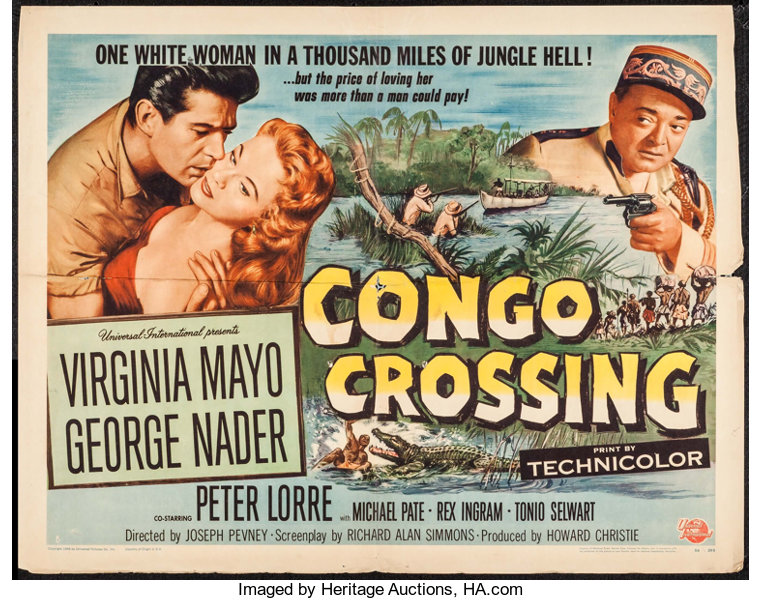
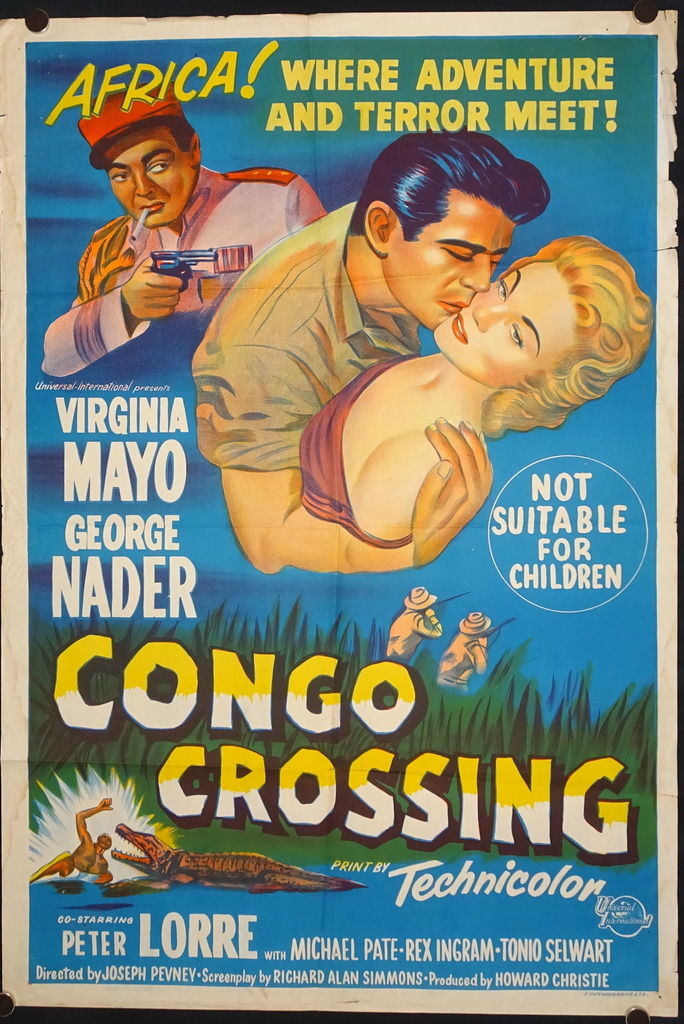
This was an old fashioned jungle melodrama set in the Congo and released by Universal in Technicolor.
Although filmed mainly in Hollywood and not on location the way this is done is first class as we can almost feel the heat and humidity of the jungle
ABOVE: Virginia Mayo takes the film’s main role with George Nader – a handsome leading actor who does a good job in this one.
They’re both in a real sleazy town in the French Congo where Peter Lorre runs a rather loose enforcement policy. There’s also Michael Pate who seems to have been sent to track down Virginia Mayo.
Rex Ingram plays a black doctor running a hospital.
Among the supporting Cast of Congo Crossing as already mentioned is Peter Lorre – in a scene above – as a cynical Police Inspector and Rex Ingram as a dedicated doctor.
Peter Lorre appears unwashed and quite shabby, hanging about in his dirty uniform, covered by medals in the style of a South-American dictator. Needless to say his time on screen is a joy to watch
I have read that Universal got Virginia Mayo’s services for Congo Crossing in exchange for Rock Hudson going to Warner Brothers.
Shot in the Botanical Gardens of Los Angeles ABOVE – where some of the Bomba films were also shot – this good action adventure film has Virginia Mayo as a socialite on the run and George Nader an engineer on a surveying mission.
Steamy Jungles where people are eaten by flies – in this case Virginia Mayo on the boat fending off those creatures ABOVE.
Action and colour in the Jungle as their boat is attacked ABOVE
More action Scenes from Congo Crossing 1956
This is a much better film than you might imagine – very colourful and is able to put over a film that you would think had been filmed in Africa – as the Producer, Director and Set Designers seem to have got the style and mood very accurately – and we think we are there.
Peter Lorre ABOVE.
Action Scenes ABOVE
This is a picture of William Simons posed for when he was out in Africa filming ‘West Of Zanzibar’ with Anthony Steel in 1953 – Filming actually started in January of 1953 – the film being released in 1954.
William had spent quite a long time over there – again with Anthony Steel – when making ‘Where No Vultures Fly’ – so in those couple of years he had lived on the African Continent for months.
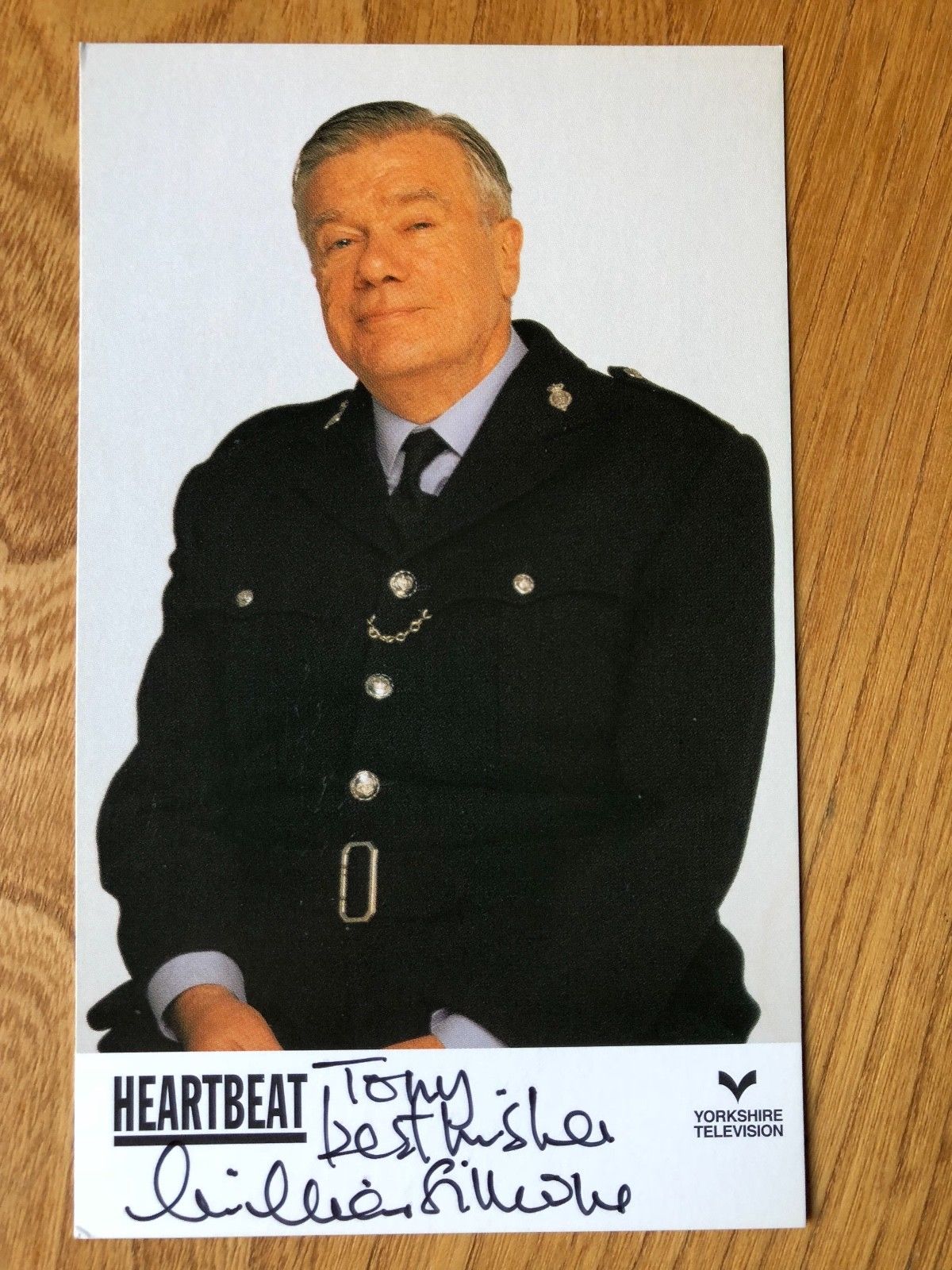
However this would seem only a short time span when years later he was cast as Alf Ventress in the long running TV series Heartbeat – and that meant he virtually lived in North Yorkshire for 18 years. I do think that he was in every episode – but I am wrong here. There were 372 episodes made and William was in 355 of them. Wonderful achievement.
A child actor from the age of eight, William has starred in many popular TV dramas in a career spanning more than 60 years.
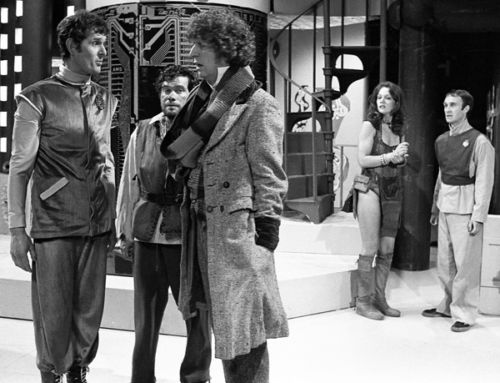
Above: William Simons with Tom Baker in Dr.Who
He had this to say during a 2013 newspaper interview :-
“I grew up in south Wales because my father was stationed there during the war and then we moved to north London.
“As a boy, I showed an aptitude for acting, singing and dancing, so my mother was asked if I’d like to star in family drama No Place For Jennifer (1950) with child actress Jannete Scott. ” I spent 15 months in the Kenyan bush playing Anthony Steel and Dinah Sheridan’s son, Tim, in Where No Vultures Fly (1951) and the follow-up West Of Zanzibar (1954)
“Aged 15, I developed acne so bad, I just wanted to run away and hide. Rather than go to university later on, I became a stage manager.
After four years, it felt like too much hard work and I decided to try my luck as an adult actor.
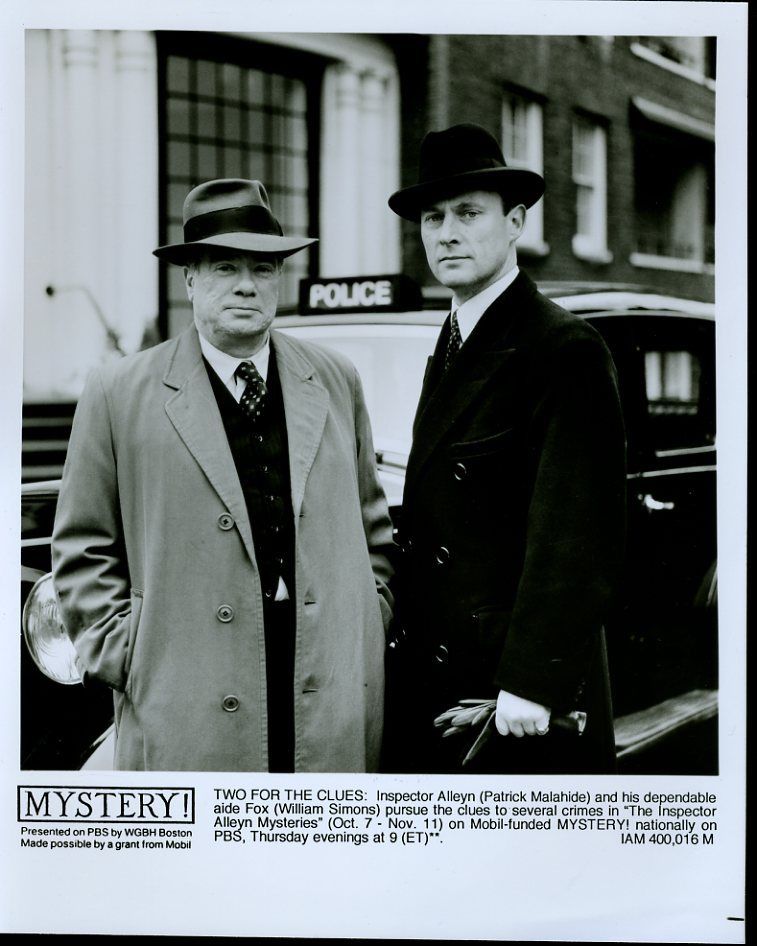
“Funnily enough, I was also playing another policeman called Inspector Fox in the BBC’s Inspector Alleyn Mysteries, while making the first two series of Heartbeat. “Alf Ventress had no particular ambition in life.
He spent his time behind the desk; he was a heavy smoker – unlike me. I don’t smoke, so we used herbal cigaaretes.
“Heartbeat gave me enormous pleasure because everyone got along so well.
Above: In his most famous – and longest running – Role as Alf Ventress in Heartbeat
People still stop me to say how much they love watching the repeats.
“In 1994, my late wife, Janie [who died in 2002] and I bought our little cottage near the Heartbeat location. I sold it 14 years later because it was impossible to step outside without being recognised as visitor numbers escalated with Heartbeat’s popularity.
“The cast have all kept in touch and I always look forward to our reunions.
“I’ve been a patron of the Changing Faces charity for 11 years. They do brilliant work in helping people and their families who have suffered terrible disfigurements. My acne is relatively minor, but I’ve seen how people have managed to take control of their lives thanks to Changing Faces.
“Although I am available for work, I’m enjoying the easier pace of life. But if the phone rings and it’s something I’d like to do then I’m happy.”
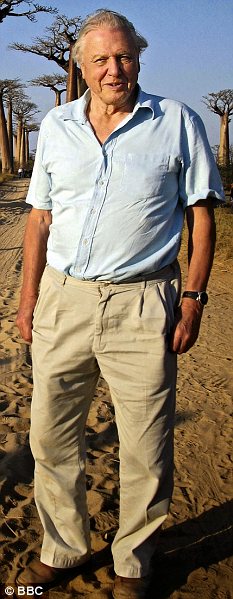
This man is certainly ‘flavour of the month’ at the moment with his very popular BBC TV series – However he has been very popular for a good many years on British Television
Some of these pictures date from 1961.
In an article he wrote for one of the Film Annuals in 1961 – one of the first things he states is “I will not be a ‘personality’ – and all that lark!”
Well – maybe he is very much a personality and celebrity now.
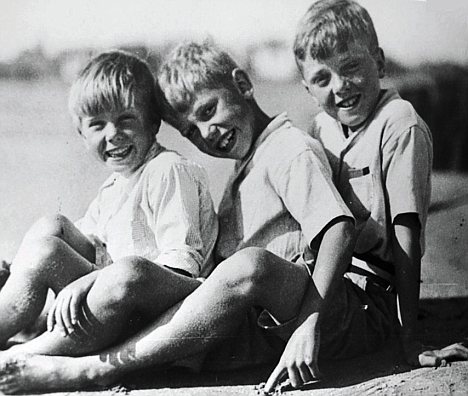
Above with his TWO Brothers – two of which we know well
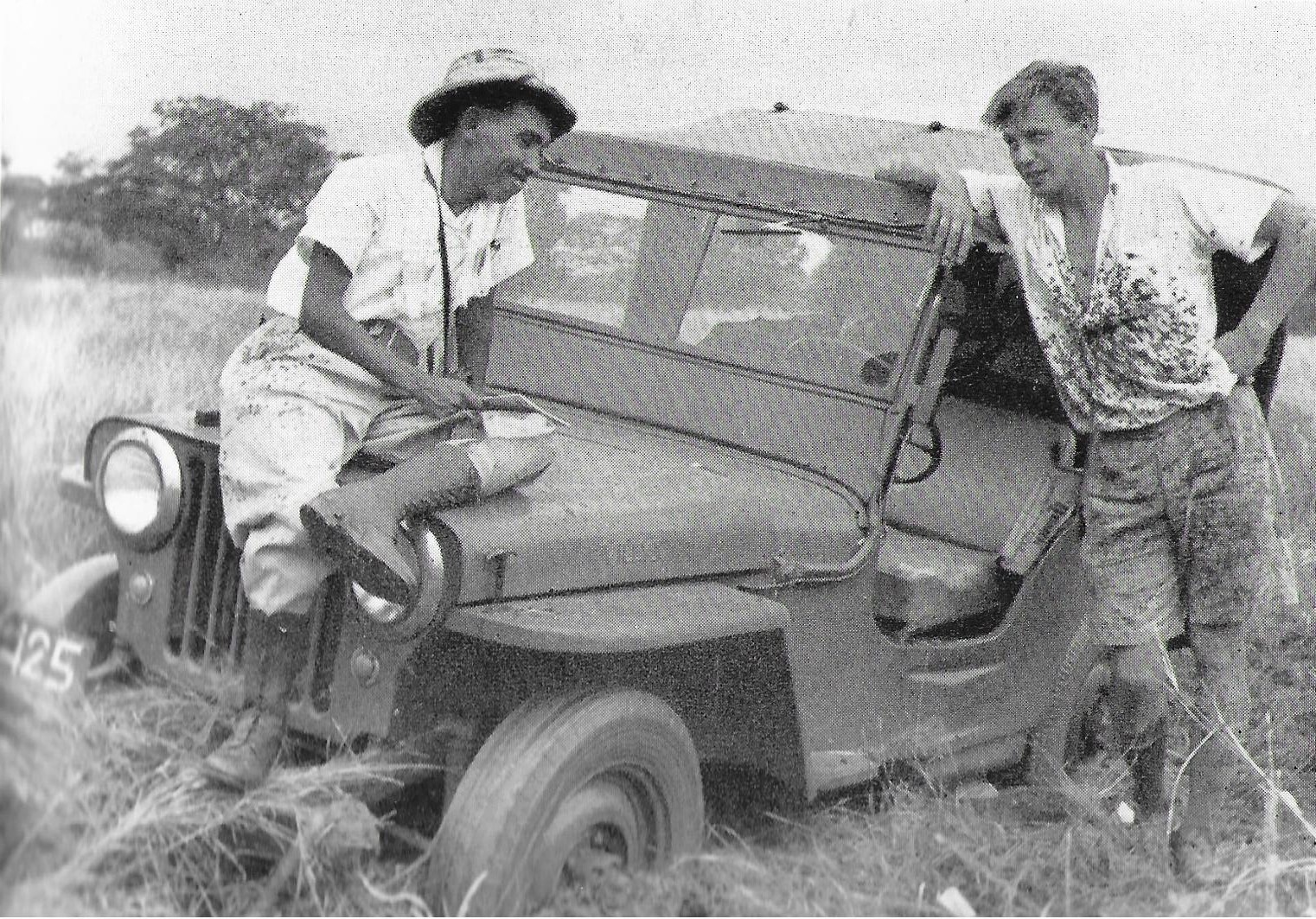
At this time he is doing ‘Zoo Quest’ on BBC Television
Above – With Guide in Africa in the very early sixties.
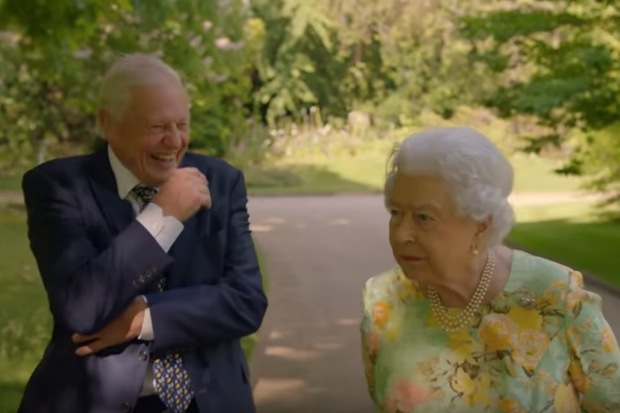
Above – we now jump forward a few years to 2018 and see the Queen walking round her Buckingham Palace Garden with David Attenborough – and it seem making him laugh with a remark she has made.
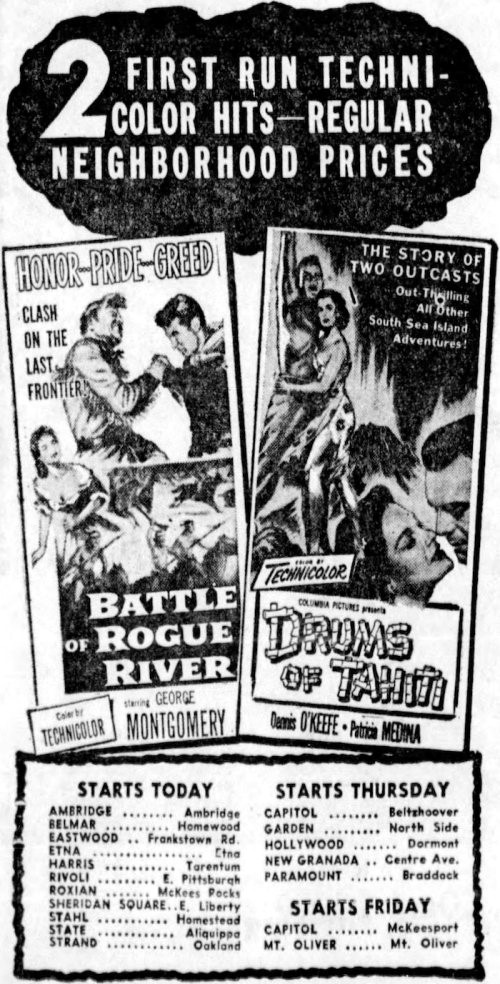
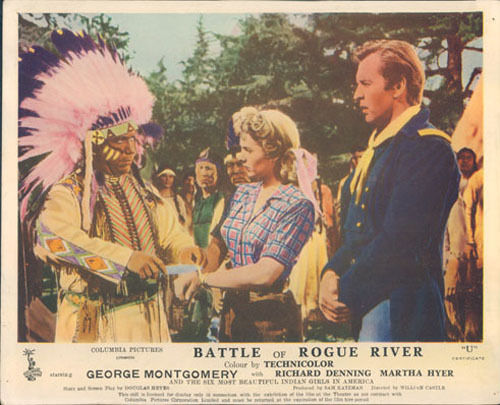
Now what could be better than this – a visit to the cinema in 1954 to see TWO Technicolor Productions – On an action packed Western and then an adventure on the South Sea Islands.
At the time it would be every young lad’s dream to see this programme I reckon.
Below: Richard Denning
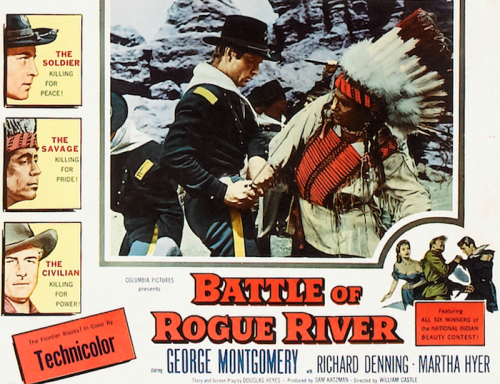
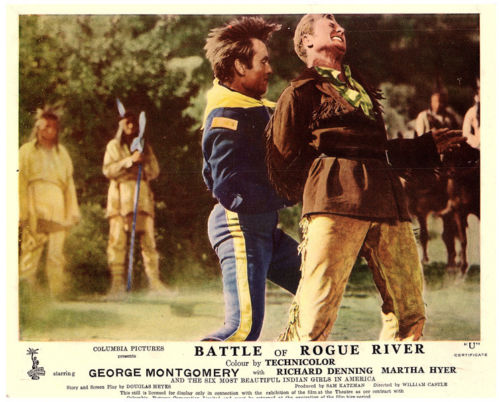
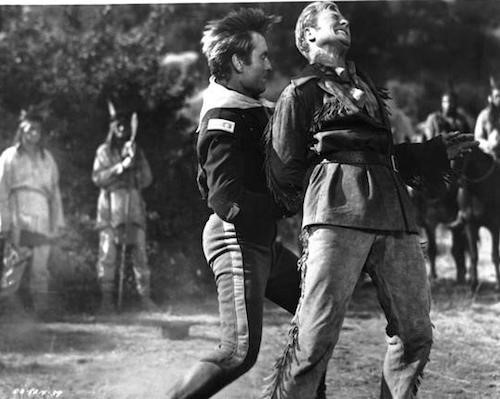
George Montgomery seemed here, to be at the height of his success, making one good Western after another, often with William Castle as Director.
Martha Hyer’s career was also taking off at this time, and she’d be nominated for an Oscar for Some Came Running (1958).
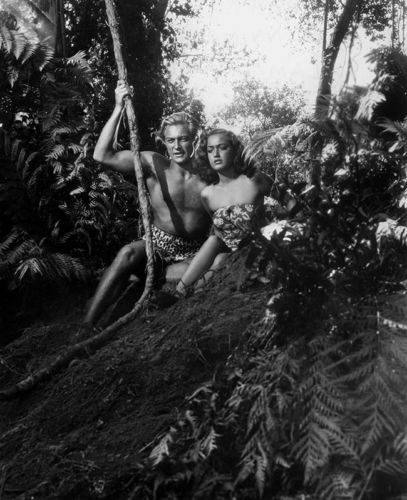
Richard Denning was in the excellent Hangman’s Knot (1952 ) – but I mainly remember him myself for a favourite of our family – ‘Beyond The Blue Horizon’. Come to think of it – this would fit a Boyhood dream of being on a tropical desert Island as much as ANY film would – this one fits the part perfectly.
A scene below with Richard Denning and Dorothy Lamour from the film we love – Beyond The Blue Horizon
Above: ‘Beyond The Blue Horizon’. Richard Denning and Dorothy Lamour – This film was in Technicolor
Richard Denning was in Creature From The Black Lagoon (1954)
Richard Denning was married to the beautiful Universal horror star Evelyn Ankers. She also appeared opposite Lex Barker as Tarzan in Tarzan’s Hidden Jungle.