Archive for 2019

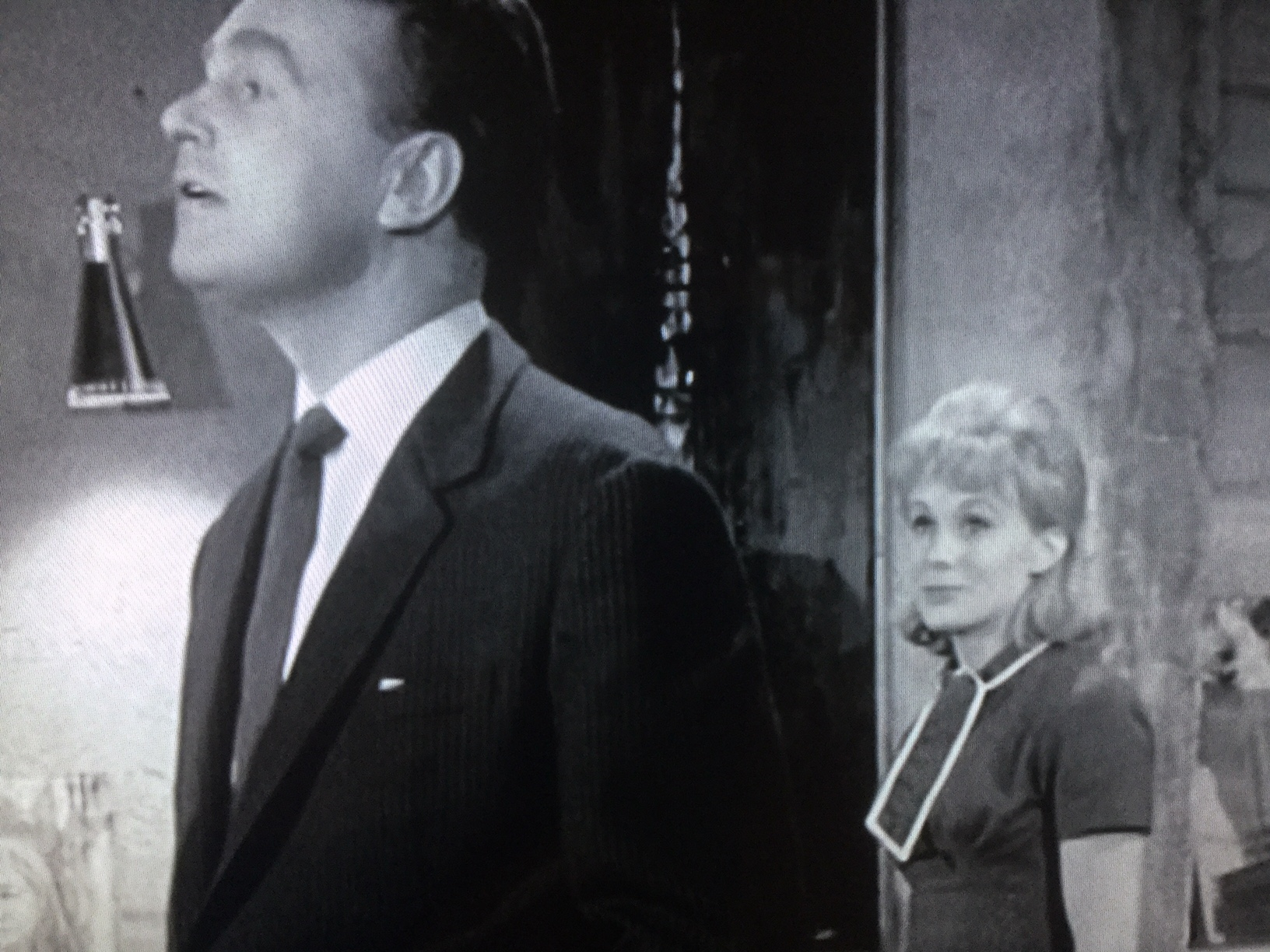
Don Taylor and Hazel Court

Don Taylor was a film actor who had or developed an interest in Film Direction – and so became a quite successful Film Director.   His second wife was the English ‘Hammer Films’ actress Hazel Court.

They had both appeared in Hammer Film Productions in England in the 50 s but actually met whilst filming a TV episode of an Alfred Hitchcock Presents series – an episode called ‘The Crocodile Case’ in 1958

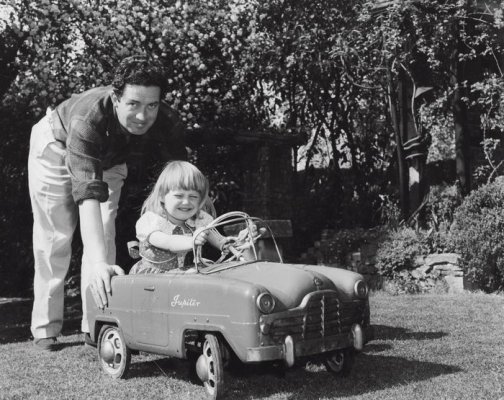
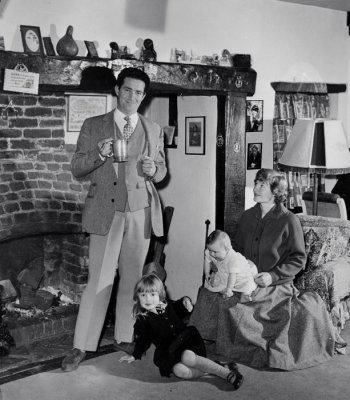
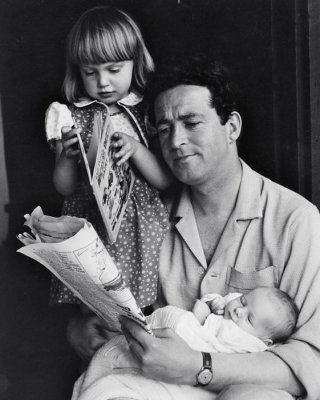
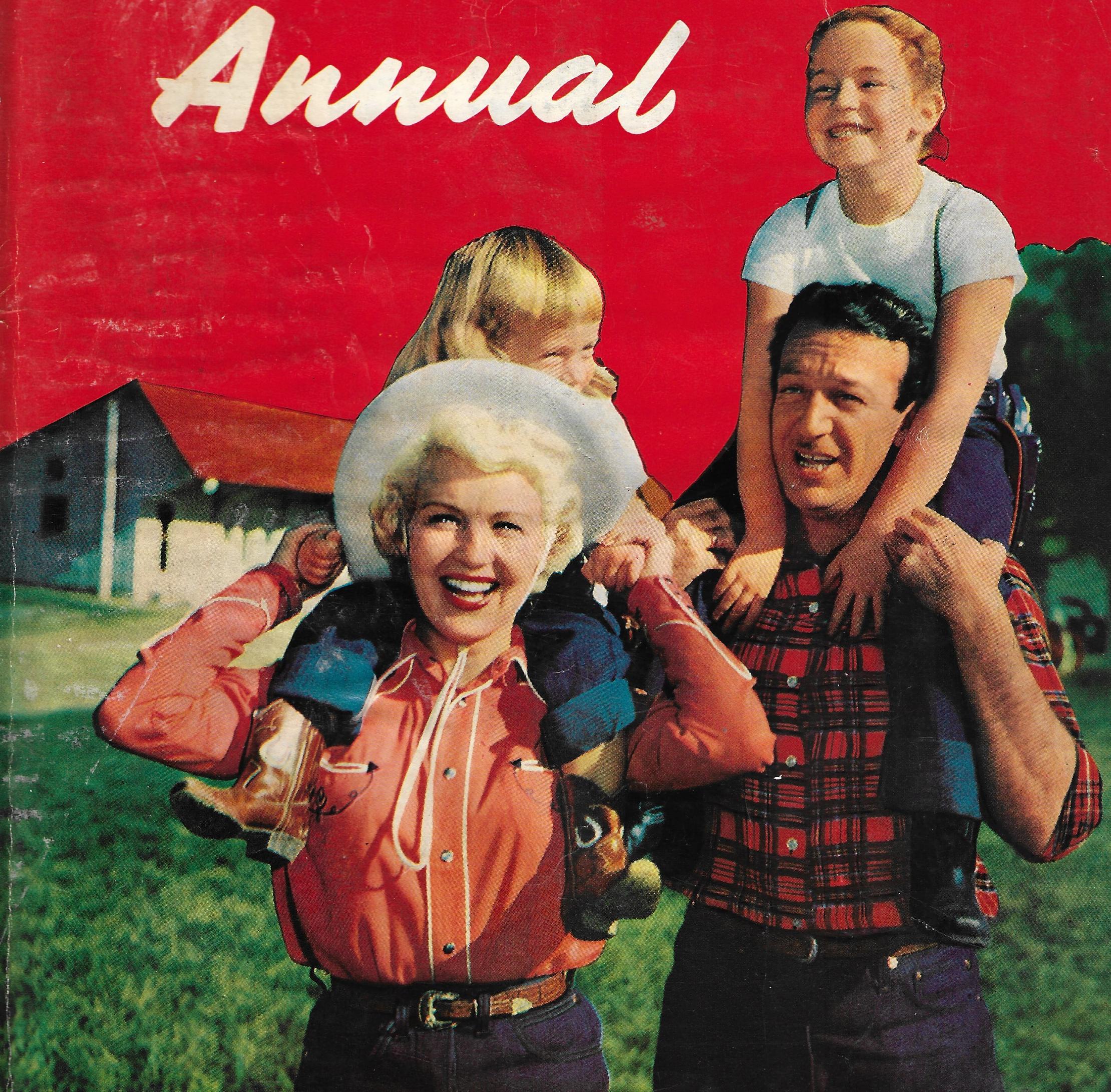
When this picture below was taken Don Taylor was married to his first wife Phyllis Avery  and is with his  two daughters Avery and Ann. He had just finished with Men of Sherwood Forest which was released in November 1954. Filmed in England.
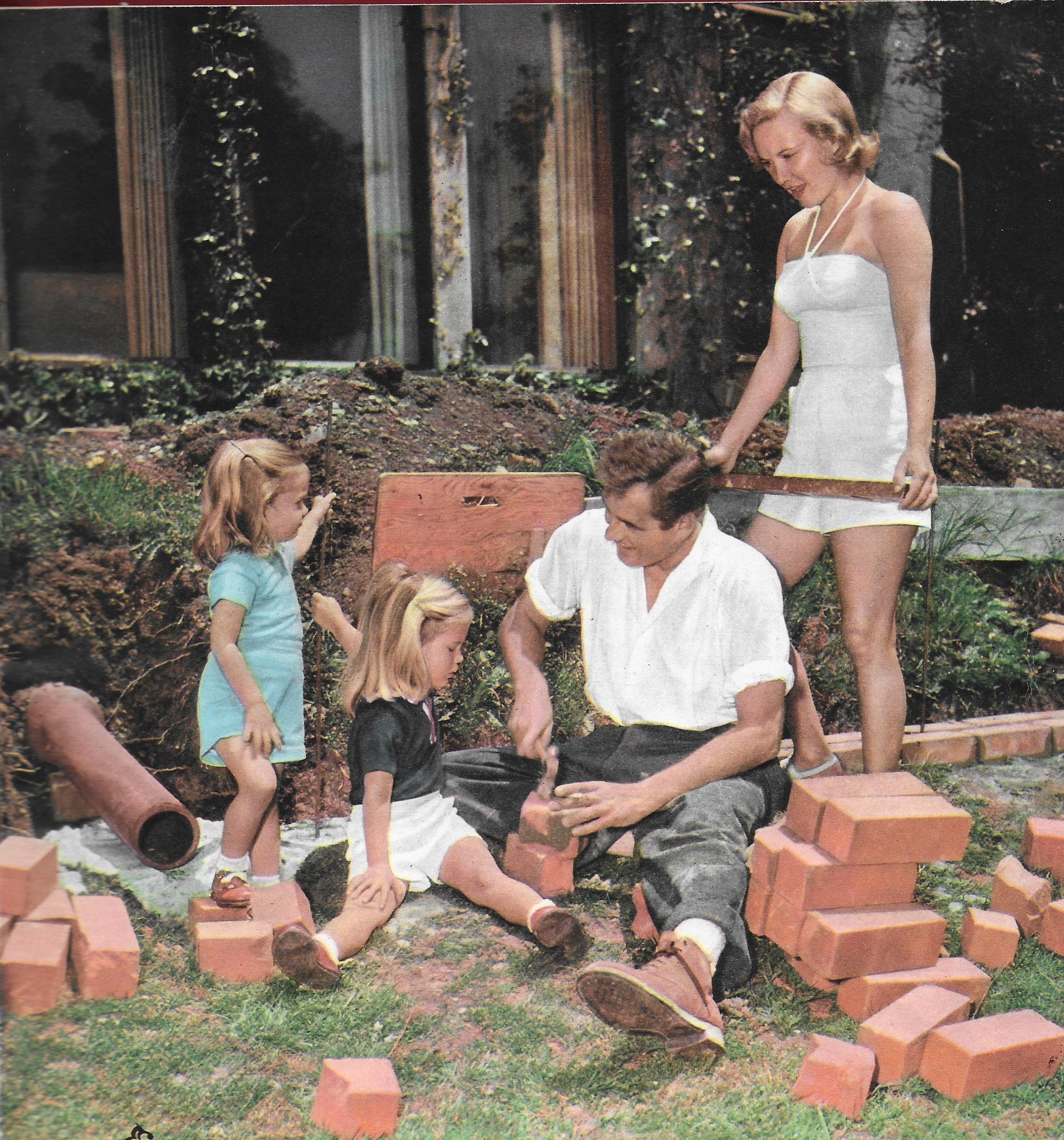
Don Taylor and His Family at Home

They were divorced in 1955 – not long after this family picture appeared in the Film Show Annual
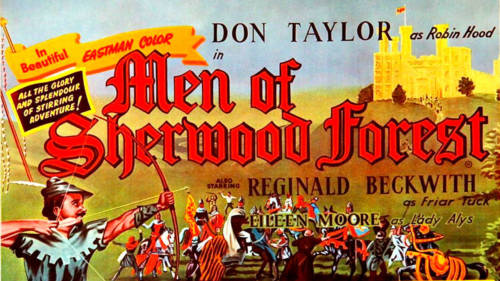
Men of Sherwood Forest 1954

Above: Men of Sherwood Forest 1954 – The first Hammer Film to be made in Colour

Hazel Court had been married to Dermot Walsh the Actor by whom she had a daughter but they were divorced in 1963.

She had a long career with Hammer Films and it seems she was their biggest female star.

Hazel Court


Hazel Court 2

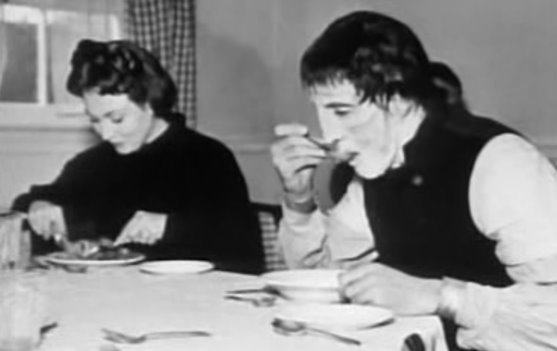
Above – Enjoying a Canteen Lunch with Christopher Lee while filming The Curse of Frankenstein 1957

Before this though she had been in films such as Holiday Camp – a film I really like – and in this scene she is pulling away from Dennis Price – and a good thing she did because, if you know the film, he is not someone that it is healthy to be around.
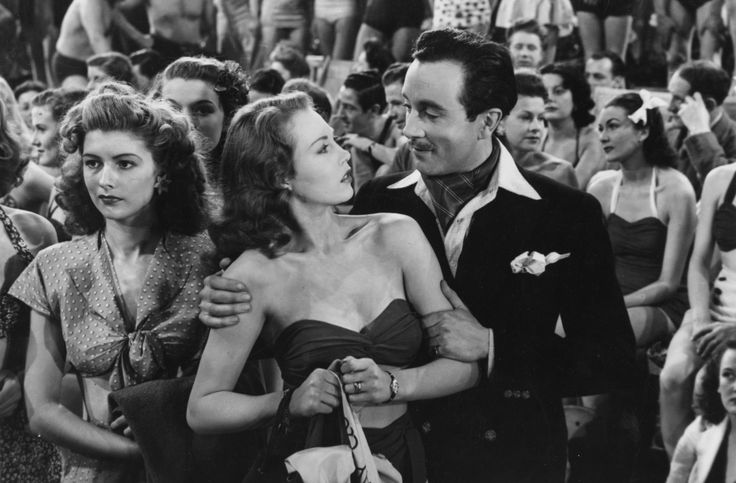
Holiday Camp

Hazel Court and Dennis Price in Holiday Camp – above

She was born in Sutton Coldfield in Birmingham.  She studied acting at the London Academy of Dramatic Art, which led to a contract, aged 18, with the Rank Organisation. In her first film, Champagne Charlie (1944), an affectionate homage to the Victorian music hall, she had one line: “I never drank champagne before.”

Hazel Court took leading roles in her next two films: Dreaming (1945), opposite Flanagan and Allen, and Gaiety George (1946), another period musical.

Holiday Camp (1948) was  the film that brought the Huggett family to the screen, and she  played the  daughter of Jack Warner who finds romance in Whitby with Jimmy Hanley.

The following year, she married the Irish actor Dermot Walsh, and co-starred with him in three  second features.

After The Curse of Frankenstein, Court’s second role for Hammer was The Man Who Could Cheat Death (1959), also directed by Fisher. Anton Diffring played a sculptor who had found a way of stopping the ageing process so that he was around 70 years older than he looked.

From the late 1950s, Hazel Court was a frequent guest star on American television series including Dr Kildare, The Dick Powell Show and Alfred Hitchcock Presents, in one episode of which her disgruntled husband (Laurence Harvey) grinds her up for chicken feed.

She married  actor-director Don Taylor in 1964 (the year after her divorce from Dermot Walsh), and  settled in California permanently.

After  Don Taylor’s death in 1998, Hazel Court devoted most of her time to charitable activities, her hobbies of painting and sculpture and to her three children (two from her second marriage), who survive her.

Hazel Court did write her autobiography, Hazel Court – Horror Queen  published by Tomahawk Press.
posted by Movieman in Uncategorized and have Comments (2)

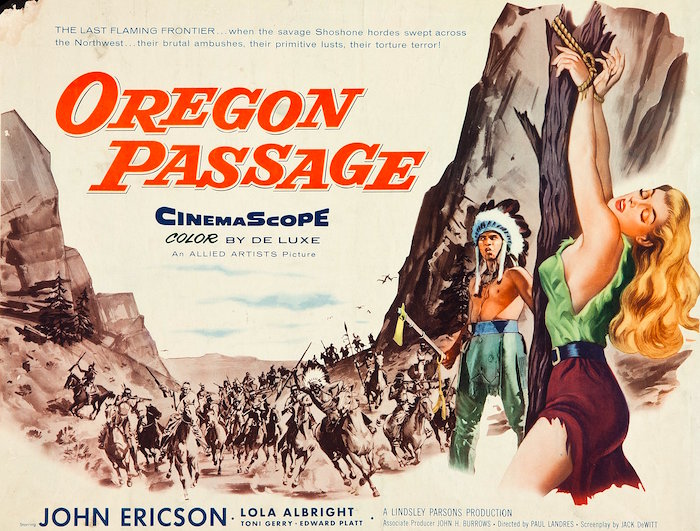
Oregon Passage 1957

This is referred to quite a bit, as a B Western – but the locations used and the action sequences would suggest a bigger budget film. I would think that the leading actors would be seen as, not exactly  from the front rank of stars at that time – although they proved adequate in this DeLuxe Color action packed Western – and In Cinemascope.

There were some very good Westerns made around this time – I think of The Searchers and The Last Wagon made the year before – as was The Secret of Treasure Mountain which although not really in the same league as the first two mentioned – nevertheless to me, it was a memorable and enjoyable film.

Oregon Passage 6

John Ericson and Lola Albright headed the cast list in this film.

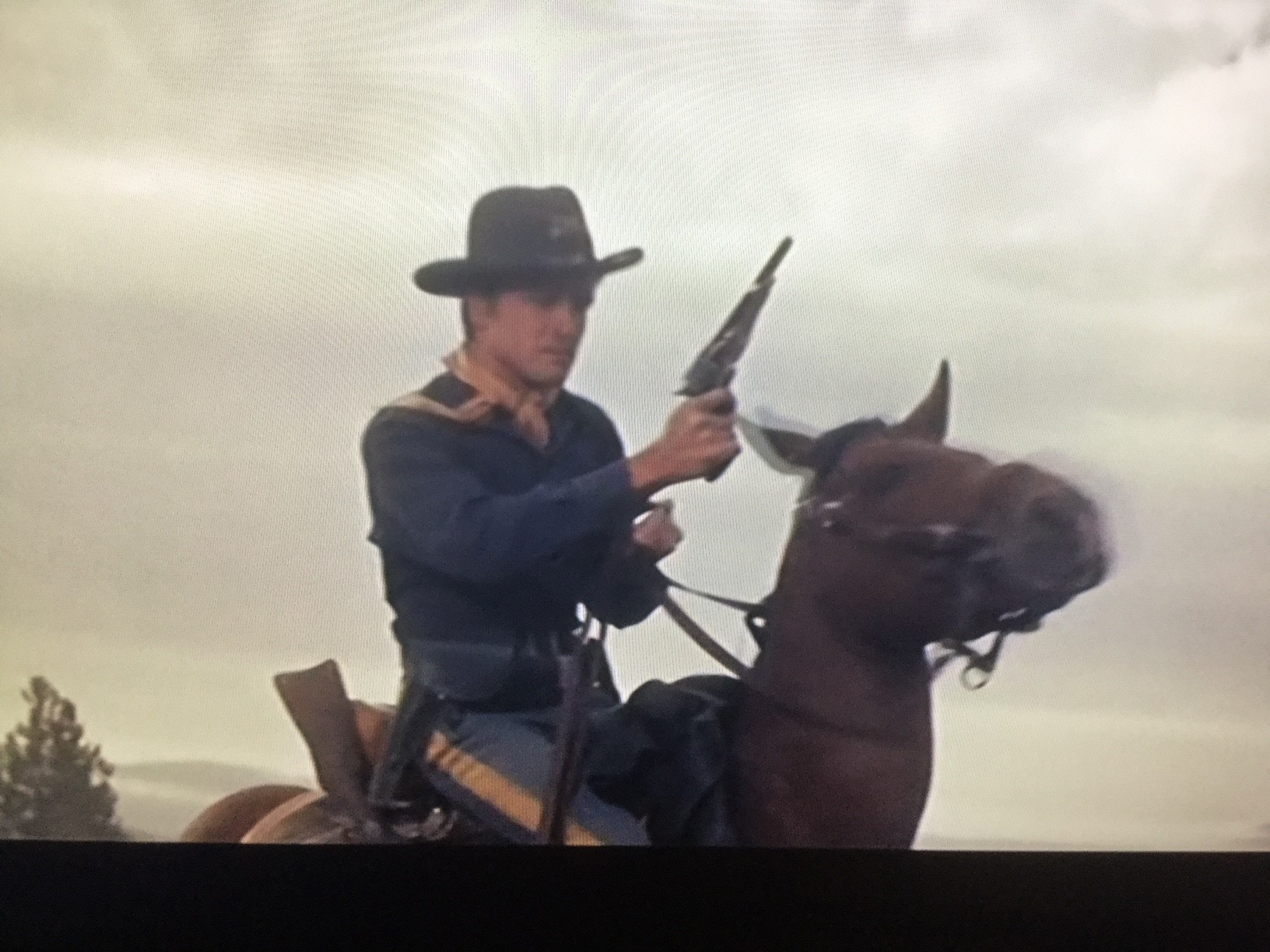
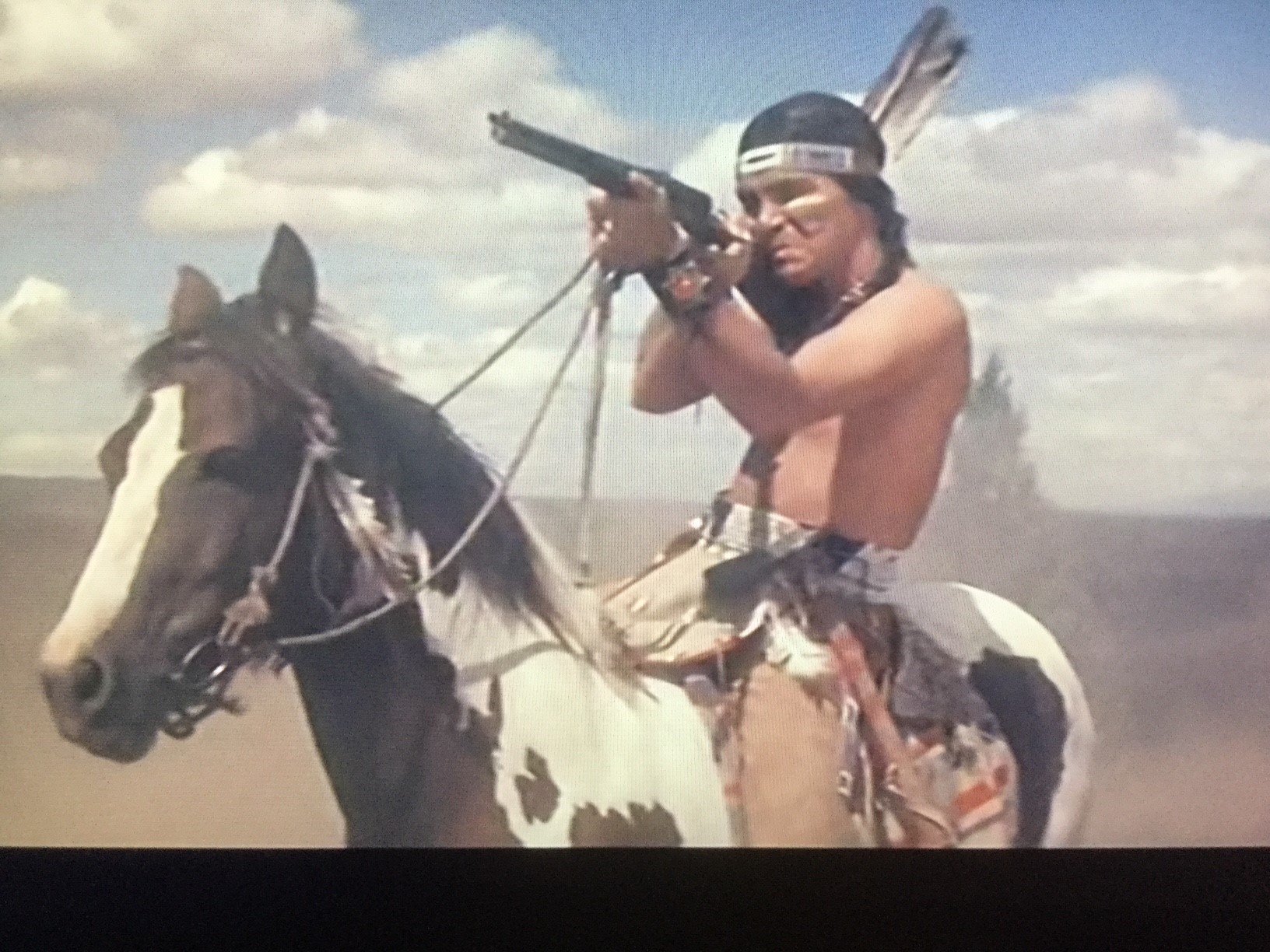
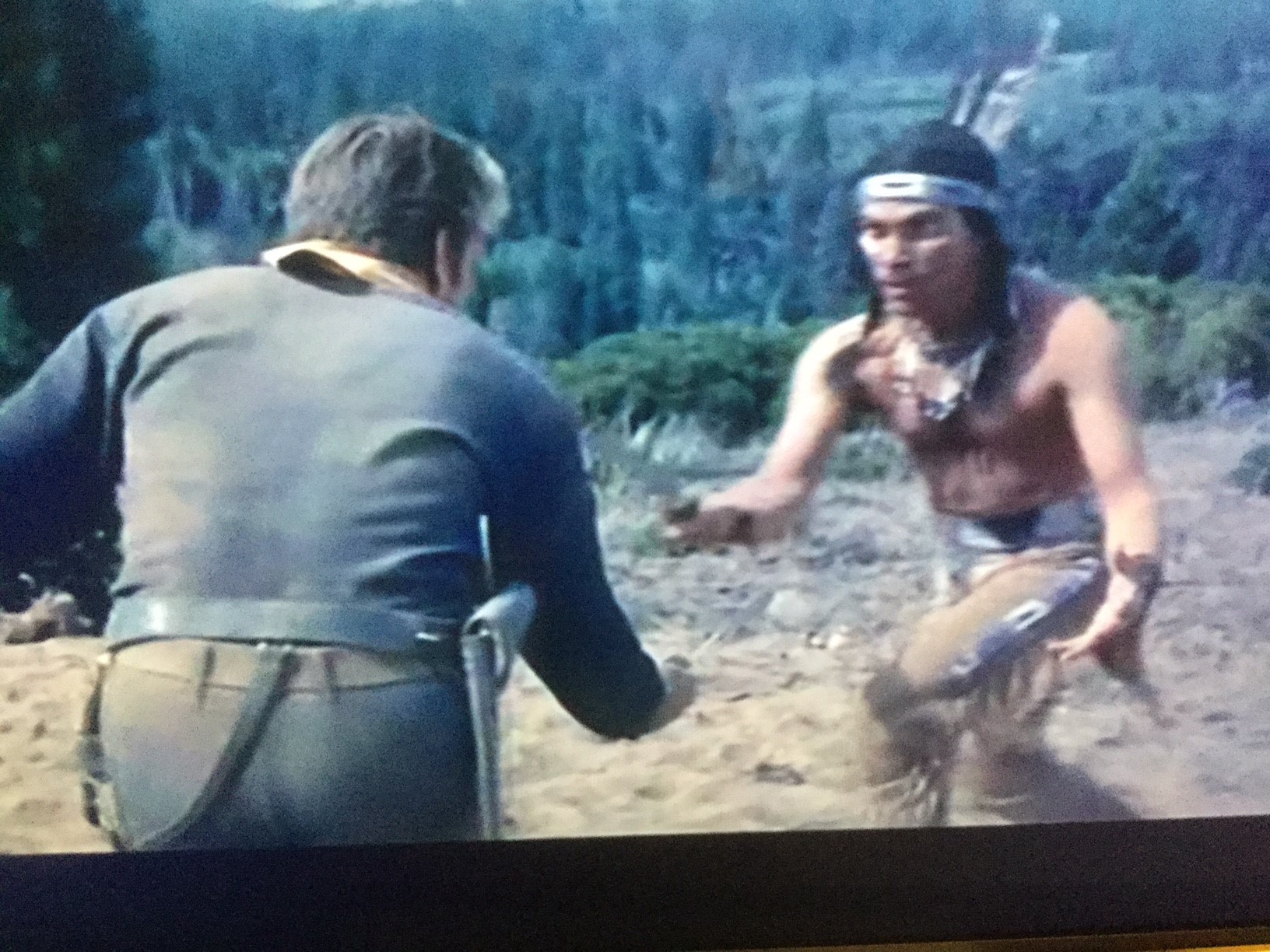
Oregon Passage is  directed by Paul Landres and starring John Ericson, Lola Albright, Edward Platt, and Rachel Ames. Its plot follows a clash between an army lieutenant and Shoshoni Indians in the Cascade Mountains region of Oregon in 1871, where it was filmed.

With bigger Stars,  I am of the opinion that this one could have done very well indeed.    It is well made, and beautifully photographed.   The story also, is good – and we have plenty of action.

Oregon Passage is a tough and action packed picture. The action scenes, particularly the final raid on the fort, are well staged.

John Ericson is good as the dedicated young officer — he’d already been in Bad Day At Black Rock (1955) and Forty Guns (1957). Edward Platt is easy to hate as the  Major- and Lola Albright and Toni Gerry manage well in the roles of the cavalry wife and Indian squaw, respectively.

It was based on a novel by Gordon D. Shirreffs.


Oregon Passage

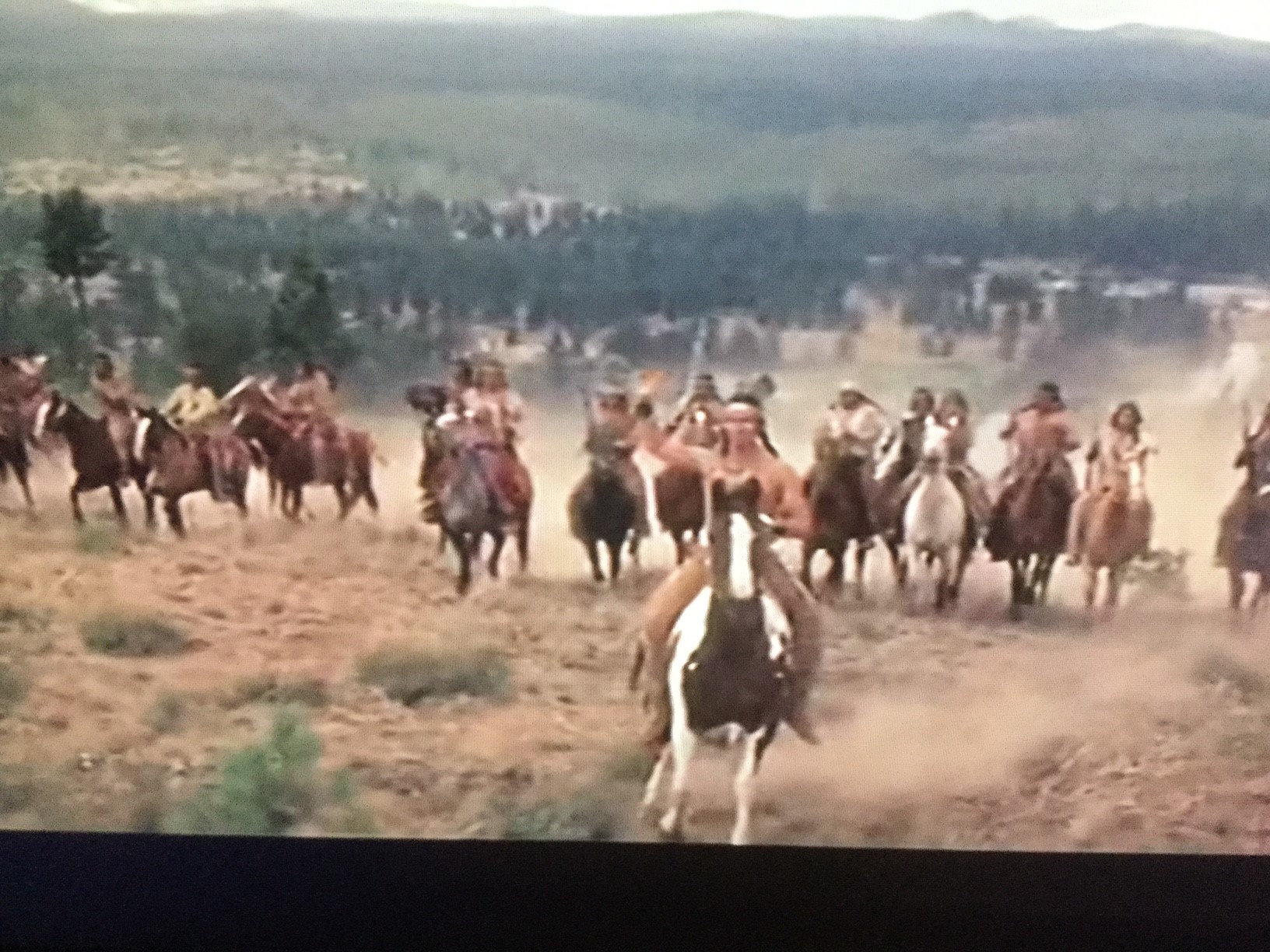
Above – The Indians prepare to attack.

Cinematographer Ellis Carter was a real craftsman, often working at Universal-International. He shot some of the best of the studio’s late-50s. films.

Ellis Carter’s outdoor work on Oregon Passage is often beautiful. He and his crew certainly made the most of their two weeks on location.

Oregon Passage 2

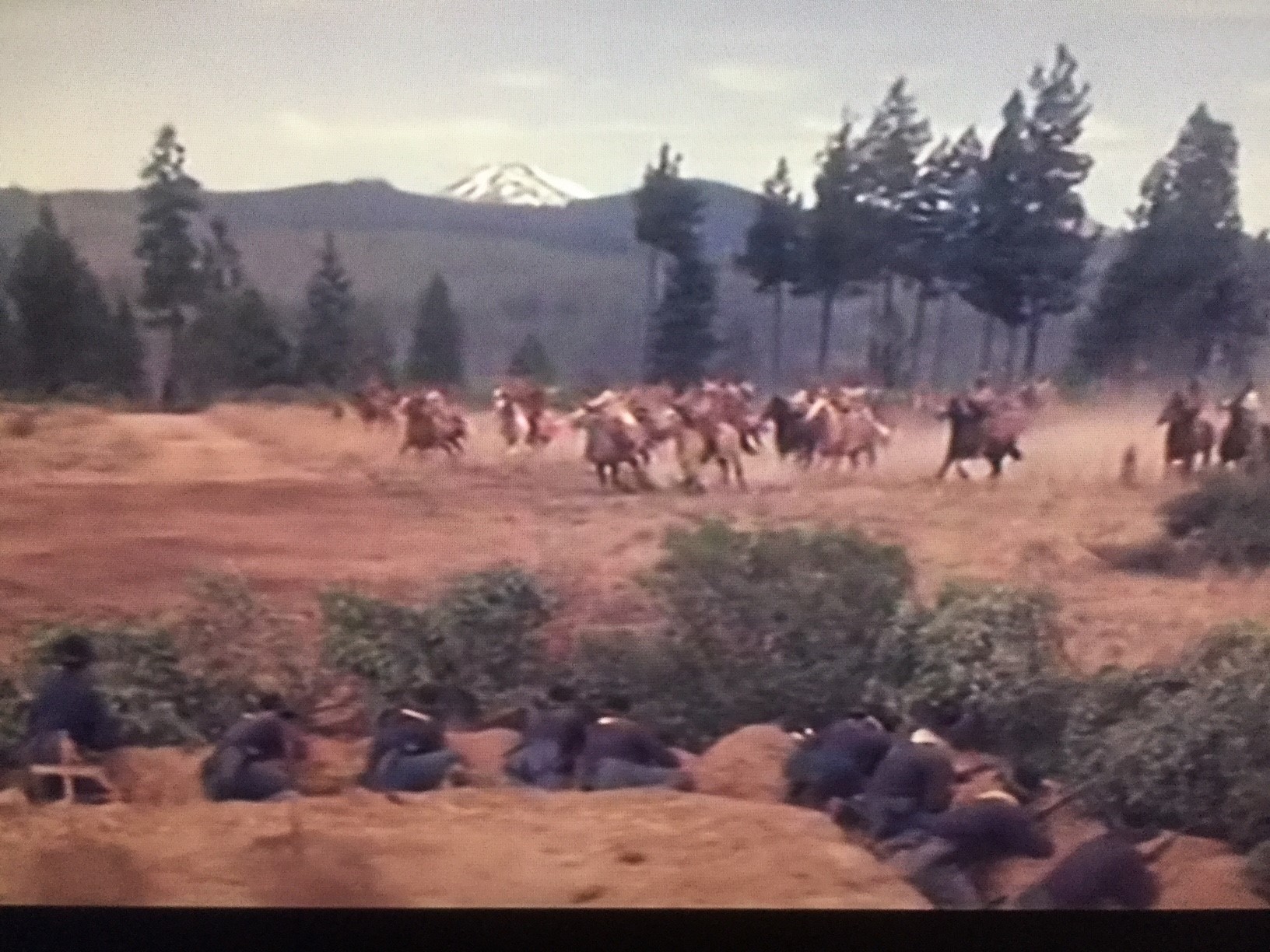
Above – The Soldiers dig in to fight back as the Indians attack

Oregon Passage 3

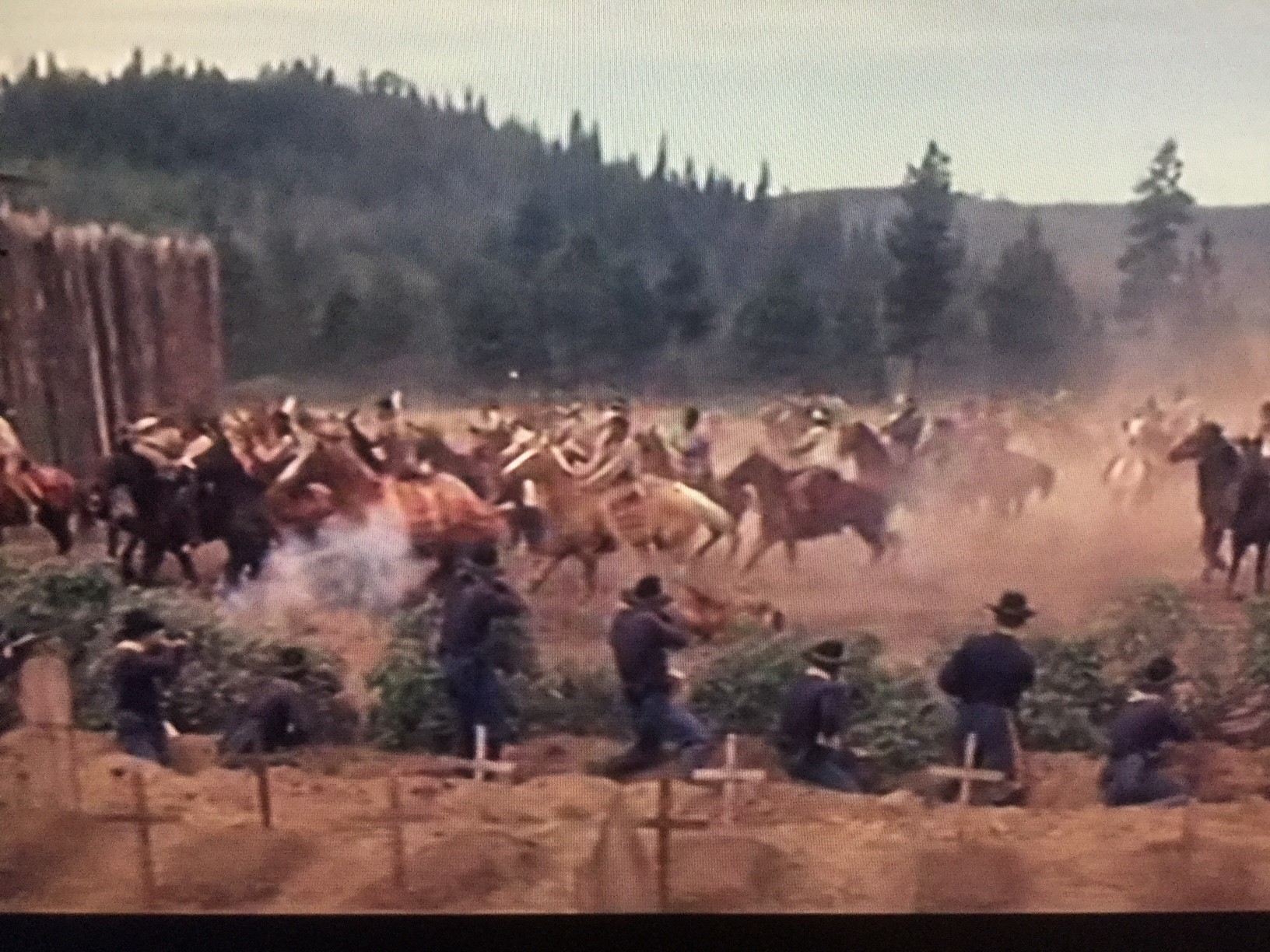
Above – All Out Fighting

Oregon Passage 4

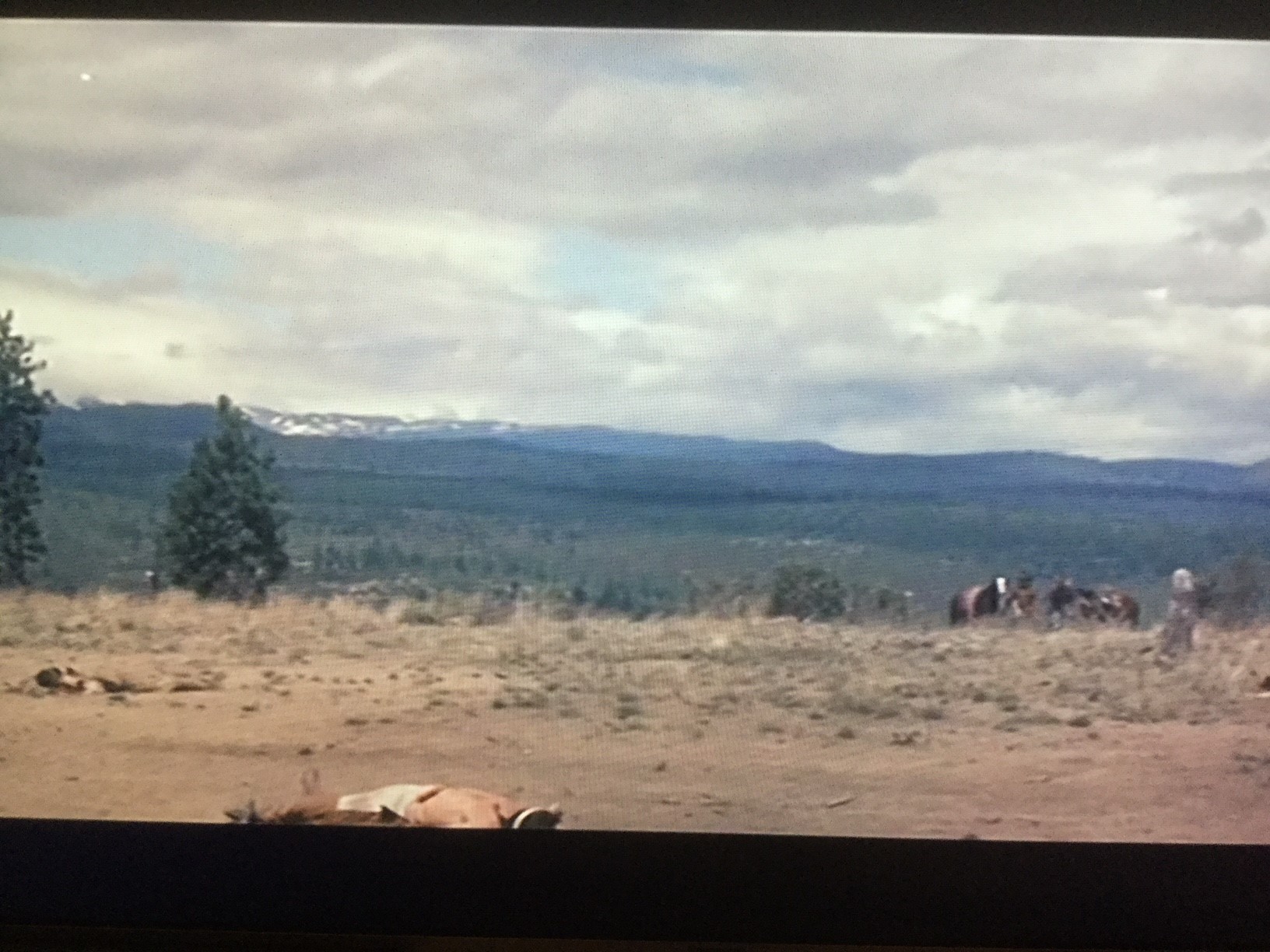
Above – Casualties

Oregon Passage 5

Above – A lone Indian

Oregon Passage 6

Above – Forward the Soldiers

Orgeon Passage


Oregon Passage 2

Above – John Ericson  targets the Chief

Oregon Passage 3


Oregon Passage 4

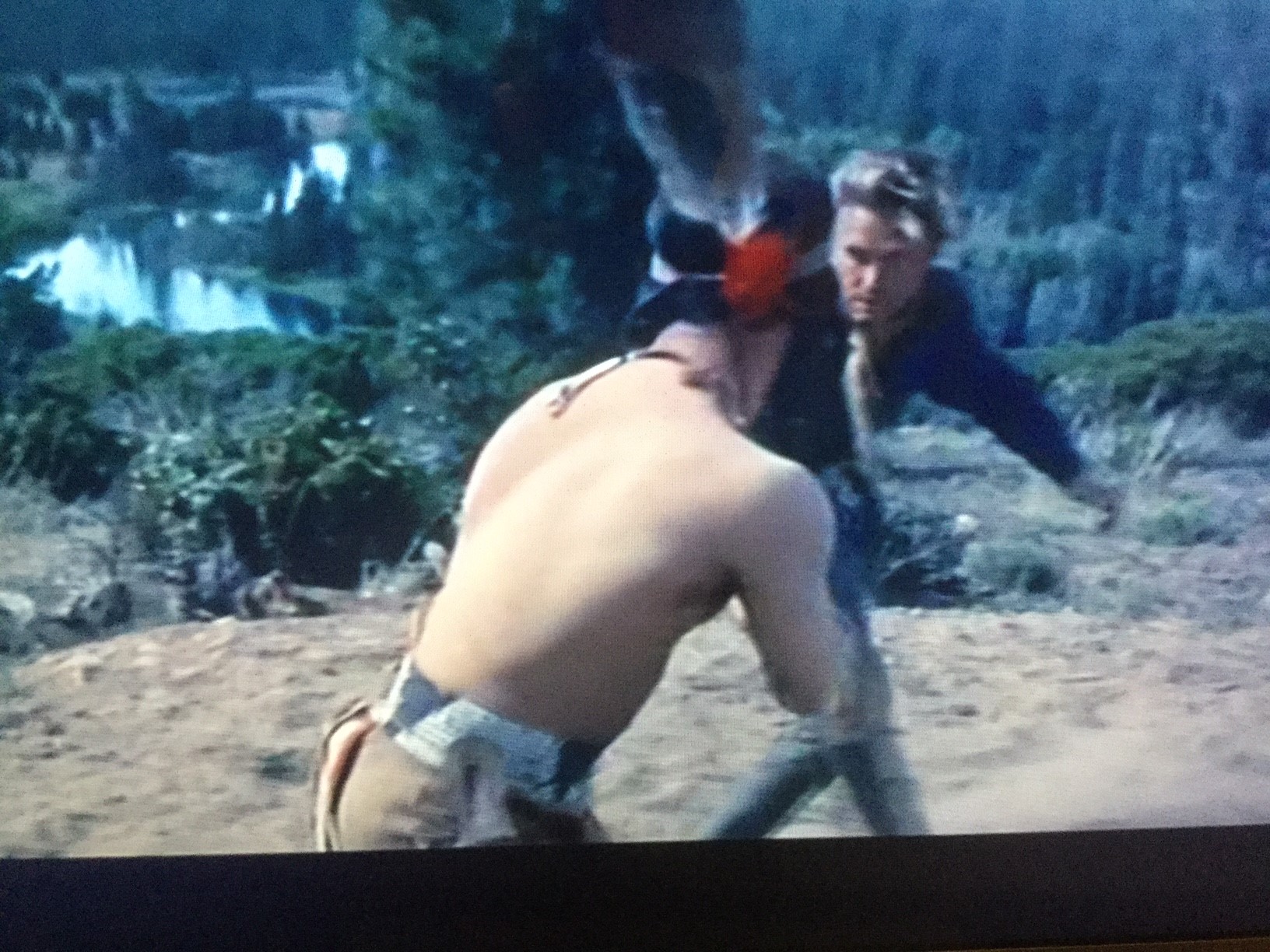
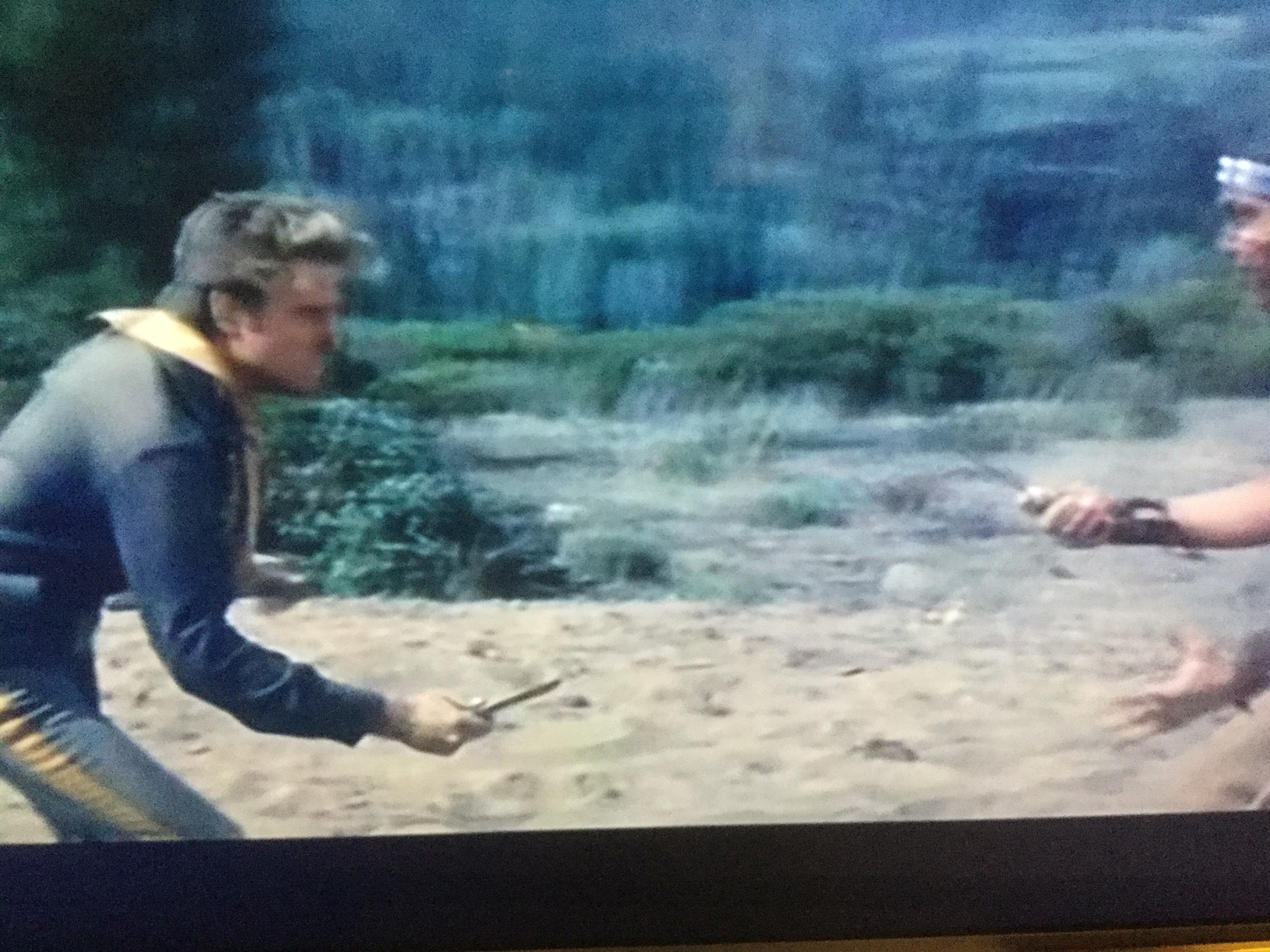
Above: The final showdown

Oregon Passage 5

Above: The final showdown

Oregon Passage 6


Oregon Passage 7

Above – A Fight to the finish

Oregon Passage


Oregon Passage 5


Oregon Passage 2

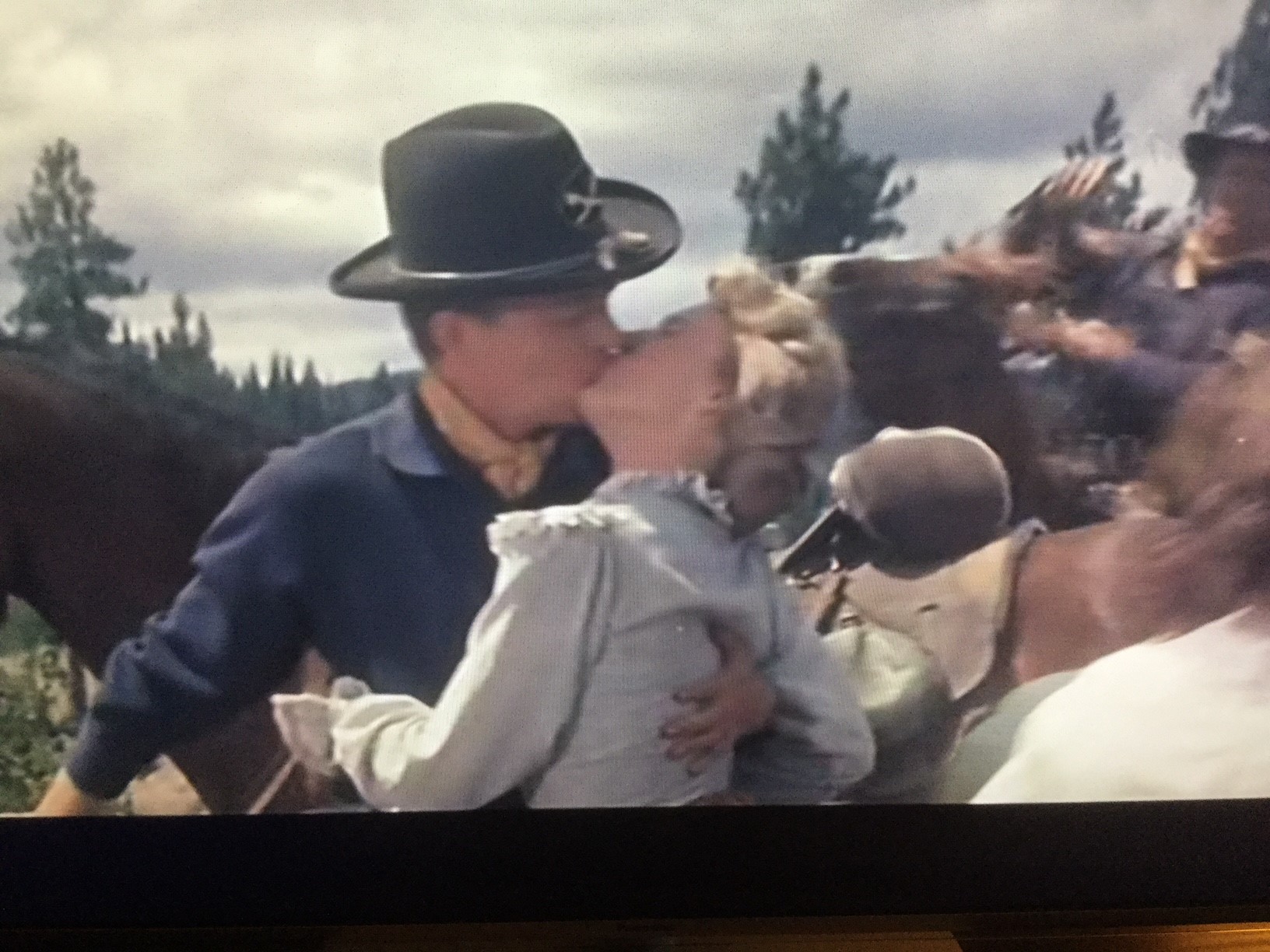
Above – A Romantic Ending

Oregon Passage 3

Oregon Passage 4

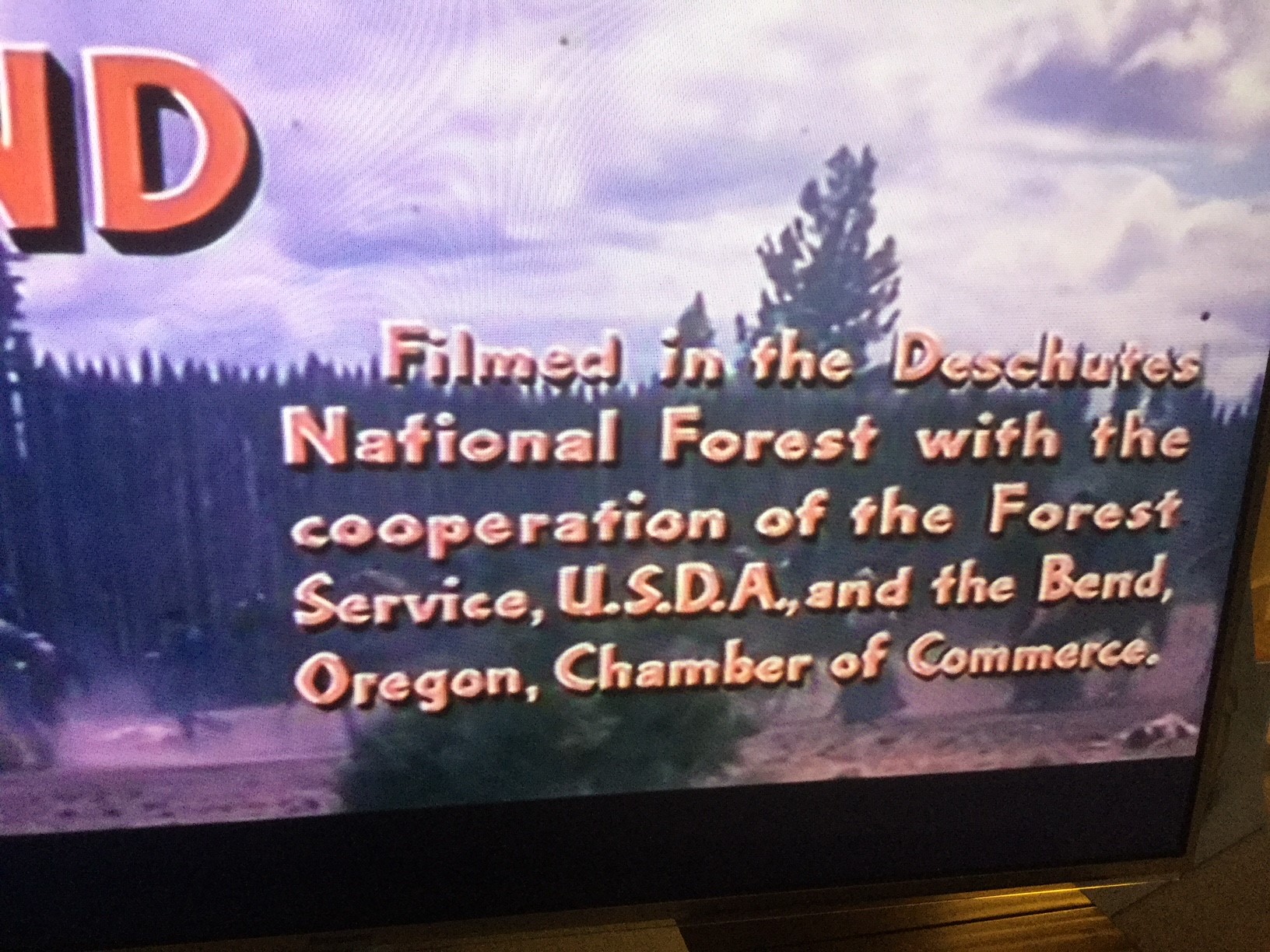
Above – the filming was actually done in Oregon


posted by Movieman in Uncategorized and have Comments (5)

Humphrey Lestocq and Mr Turnip on Whirligig

The early days of television and on alternate Saturday evenings between 5 pm and 6 pm, we had Whirligig – then on the other Saturday was ‘Saturday Special’ which featured Peter Butterworth with the puppet Porterhouse or Porty as we knew him – the Parrot.

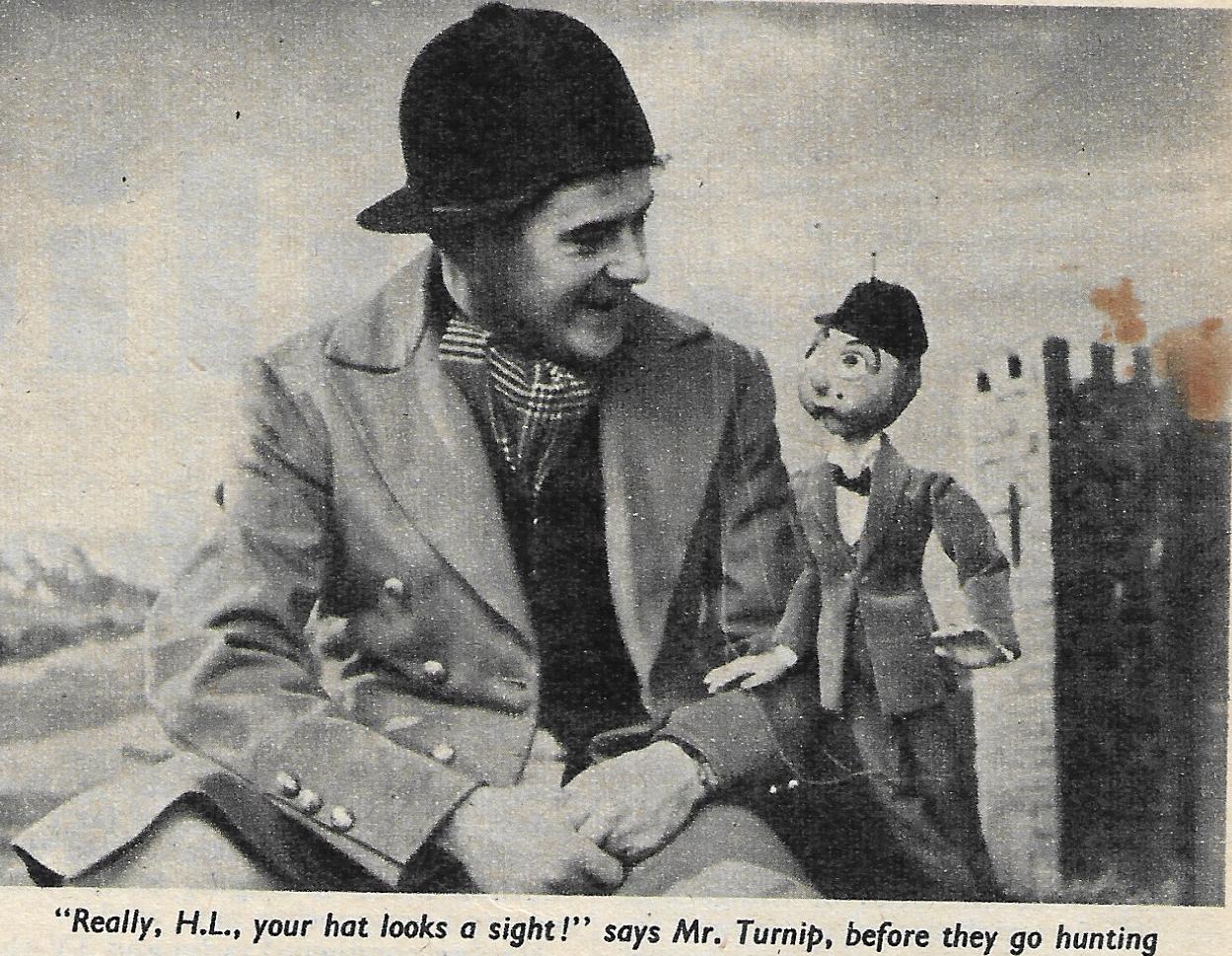
On Whirligig we had the Actor Humphrey Lestocq – referred to as H.L. – and Mr. Turnip – pictured here BELOW :-

H.L. and Mr Turnip

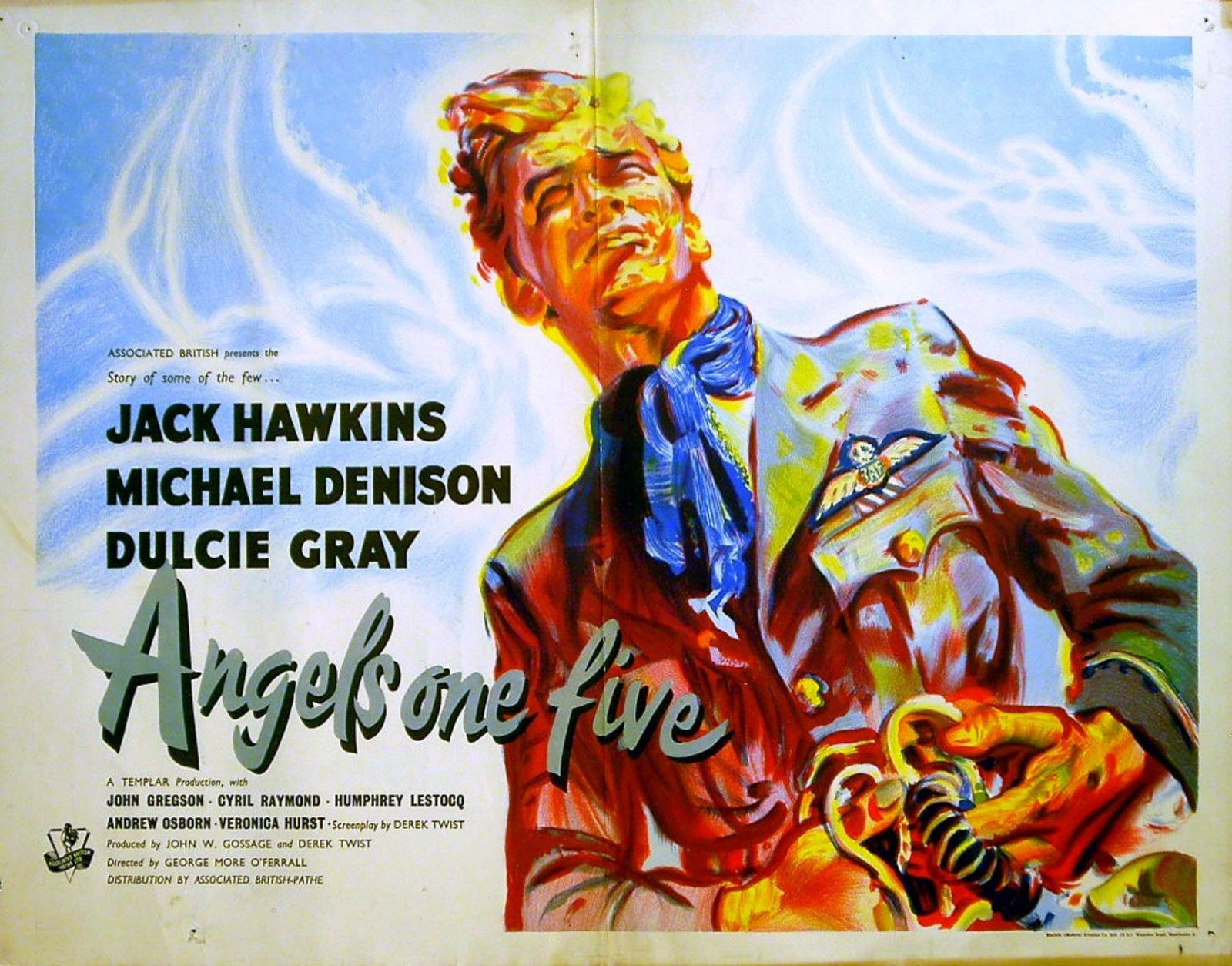
Humphrey Lestocq, I remember as an actor had played in Angels One Five 1952 an RAF wartime film – and a very good one at that. He did’t have a leading role but he appeared well up the cast list and gave a credit worthy performance.

Angels One Five 1952

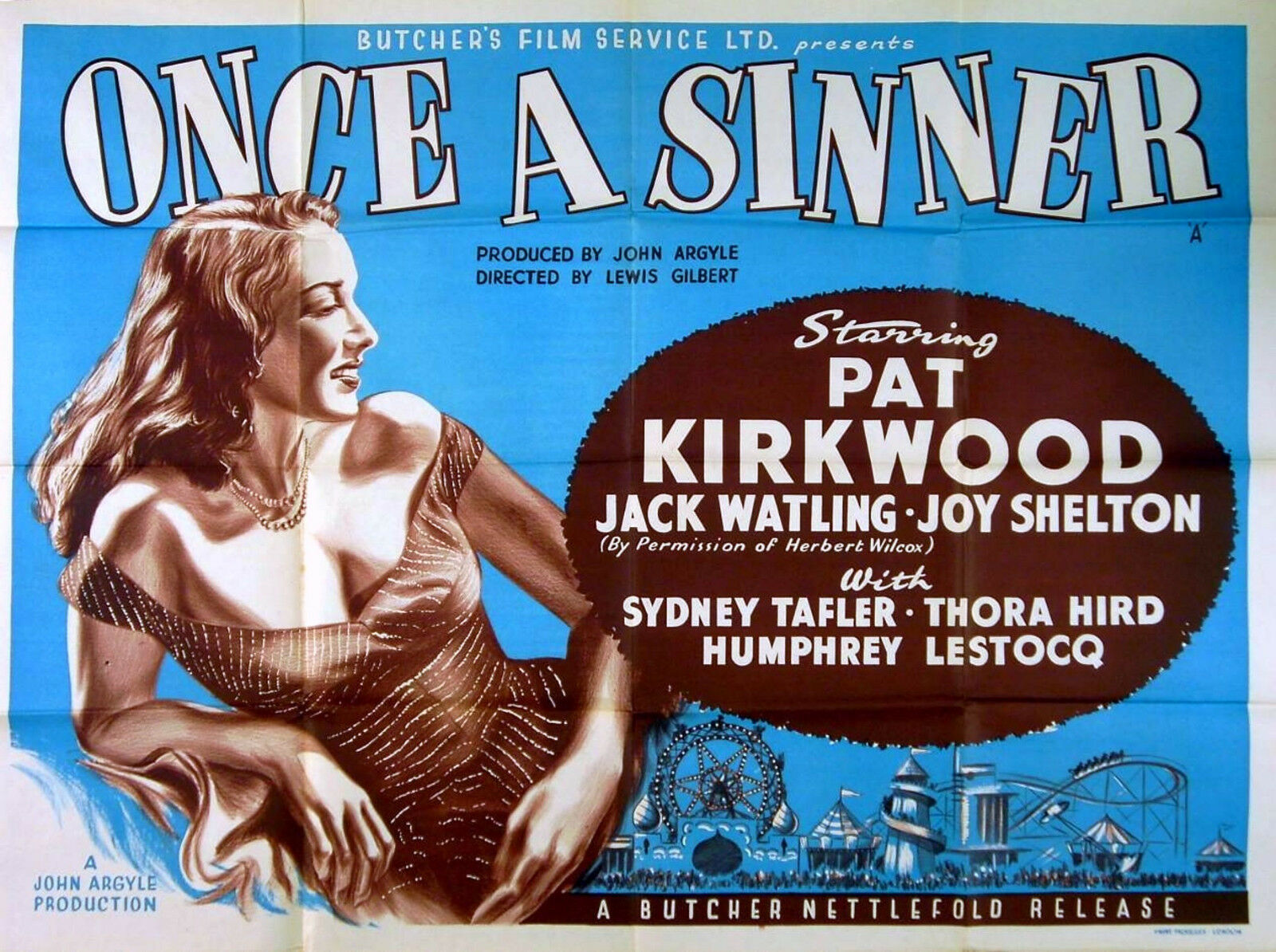
Once a Sinner 1950

Above: Angels One Five – which I know well and Once a Sinner – which I don’t know at all

He had been, in fact, a Fighter Pilot during  the War

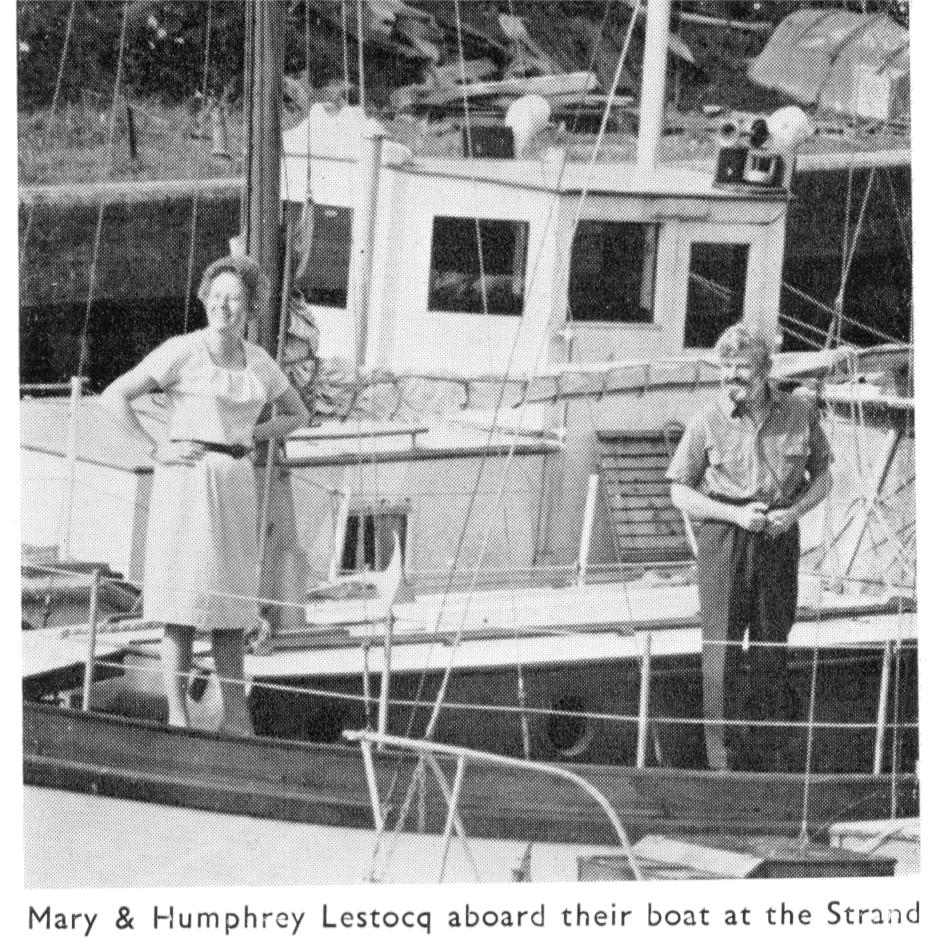
For many years, Humphrey and his wife Mary, and family lived at Rye Harbour in Sussex

Humphrey and Mary Lestocq

Mary and Humphrey Lestocq

When Mary died, she left in her will a donation to the RNLI in memory of her late husband, Humphrey Lestocq.

He was an actor in the early days of television and was one of the presenters of the TV series Whirligig, the first children’s programme to be broadcast live from the BBC’s Lime Grove Studios. Mary was a stage manager for many shows in London, including ‘Look Back in Anger’ but during the Actors’ strike in 1963 she became so disenchanted with her trade that she decided to take an entirely new career path.

The couple moved to Rye and set up a business called ‘Mary and I’ and later Mary set up a photographic business which flourished, as she was very talented. Sheila Caister, who was Mary’s photographic assistant, recalls: ’ Mary was lovely to work for and had a sharp wit which often had us both in stitches. Her work was innovative. She photographed many local people and one of the funniest was when Spike Milligan asked me to hold a gun to his head. She was so much fun to work with and is sorely missed.’

They had a house built in the Harbour and during the time that they lived there they made many friends. Mary and ‘Humph’, as he was known to his friends, made frequent trips to the ‘Conk’, the local hostelry the real name of which is William the Conqueror, which was conveniently right next door. This is where the friendly couple got to know the crew-members of the Rye Harbour RNLI and a bond was forged. Humph became Hon. Secretary for many years.

When Mary was a youngster she spent many holidays in the East Neuk of Fife. With its many attractions and coastal harbours it is easy to see what drew her back so many times as an adult. It became her favourite part of Scotland: indeed, Humph’s and Mary’s boat, which they moored in Rye Harbour, was built at the shipyard of St. Monan’s.

It was no surprise that Mary’s ashes were cast on the sea in her favourite part of the world. Michael Gilbert, Mary’s step-son, presented the donation cheque to Ansthruther Coxswain Michael Bruce and Treasurer David Thomson who accepted it on behalf of the RNLI.

posted by Movieman in Uncategorized and have Comments (6)

John Gregson – His Family Home at Creek House, Shepperton

Last evening I watched an episode of Gideons Way on Talking Pictures – with John Gregson as Inspector Gideon – and it got me to looking more into John Gregson and his life. Sadly that life was cut short when he suffered a fatal heart attack while on holiday with his family at Porlock in North Somerset , England.

Just over a year ago – in an episode of Eggheads on TV – one of the challenging team was the son of John Gregson and he was asked briefly about his father and his father’s film career, so maybe this was just another reminder for me.

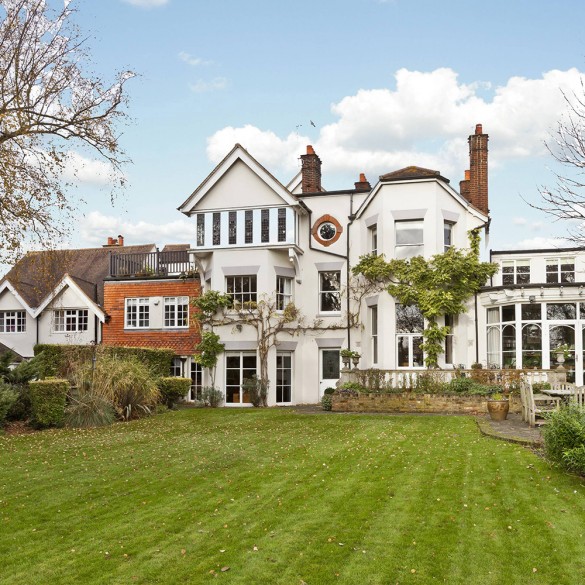
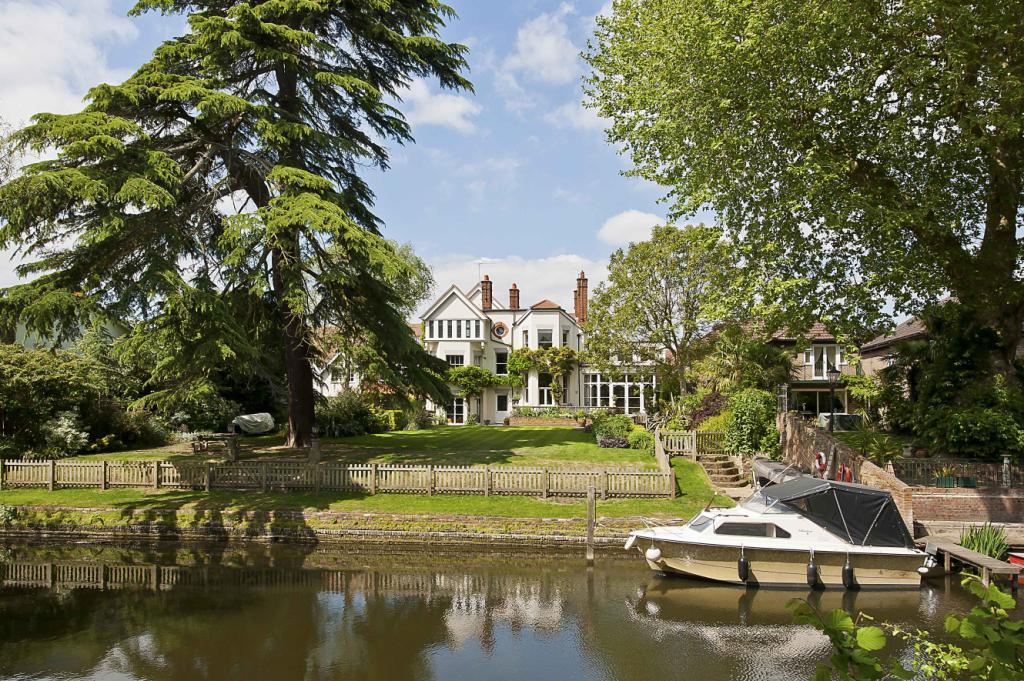
Creek House Shepperton

Film Actor John Gregson lived at Creek House, from 1958 until his premature death, aged 55, in 1975.

John Gregson had  become involved in amateur theatrical productions as a young man, before serving in the Royal Navy during World War Two. After the conflict he made acting his profession. He married the actress Thea Gregory in 1947, and moved to the London area, eventually having a family of three sons and three daughters.

John Gregson with his Daughter - at Home

John Gregson at Home


John Gregson with his Son


John Gregson 1956-cath-and-baby-johnny

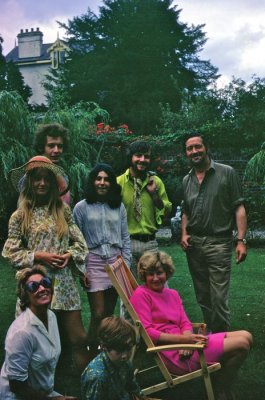
Creek House 1969-jo cath-nick-anna-trev-jim-mum-and-dad
John Gregson appeared in 40 films between 1948 and 1971, including ‘Angels One Five’ (1952)’, ‘Above us the Waves’ (1955) and ‘The Battle of the River Plate’ (1956), as well as the Ealing Comedies ‘Whisky Galore!’ (1949), ‘The Lavender Hill Mob’ (1951)’, and ‘The Titfield Thunderbolt’ (1953).

Perhaps his best known performance was in ‘Genevieve’, which was selected for the Royal Film Performance in 1953 and won a BAFTA award for best film. Despite being based around the London-Brighton veteran car run, parts of the film were actually shot in Spelthorne, along Stanwell Moor Road and at Stanwell Mill in Horton Road!

I personally remember him more for being in The Titfield Thunderbolt a year or two after Genevieve

John Gregson also appeared in several TV programmes, notably as Inspector Gideon in the 1960s series ‘Gideon’s Way’.

In 1959  John Gregson and his wife Thea puercahed Creek House from Bernard Braden and Barbara Kelly and lived there with their six children.

The pub just down the road from Creek House had been the focus of Hollywood gossip, as it was where trysts between Richard Burton and Elizabeth Taylor were conducted while Taylor was still married to Eddie Fisher.

The Gregsons held parties at Creek House  where they played host to stars such as Peter O’Toole, Peter Ustinov and Vivien Leigh.

Thea Gregson stayed on in the house for several years after John’s death.

Creek House :

Creek House

Creek House 2

Creek House 3


Thea Gregson  is still alive and living in the South Cotswolds at Wotton Under Edge,  and until recently made twice-yearly pilgrimages to Creek House. A devout Roman Catholic as was her husband –  she built a small – and unconsecrated – chapel  in the grounds which still stands today on the acre of land across the creek.

John Gregson attended the Roman Catholic church of St. John Fisher in Wood Road, Shepperton Green.

He was buried at Sunbury Cemetery.

posted by Movieman in Uncategorized and have Comments (10)

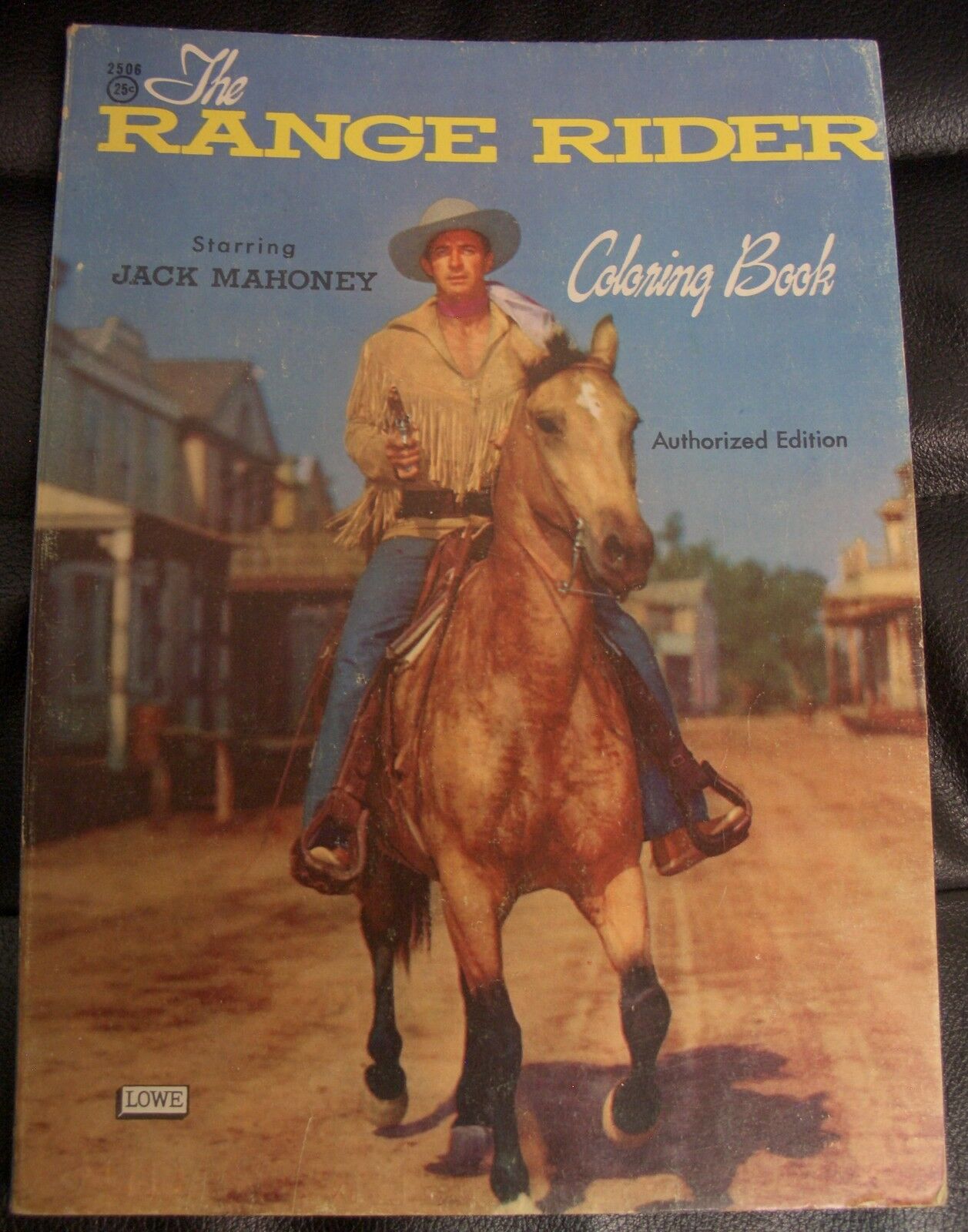
Jack Mahoney

To many of us we remember the opening commentary over the film title and credits of  the Range Rider series on Television back in the 1950s – ‘with Jack Mahoney as The Range Rider’

I can nearly hear these words again as I think back.   This was one of the best series to appear on British Television at the time and we always looked forward to it with it’s thrilling opening sequence.

Jack Mahoney as The Range Rider

Anyway, I recently purchased an autobiography on Sally Field the actress who I hadn’t realised was Jack Mahoney’s Step Daughter.  Early in 1952 her Mother had married Jacques O’Mahoney  – his real name – although Sally would always refer to him as ‘Jocko’.

She described him as a cross between Errol Flynn and Randolph Scott – two of the actors he had doubled for in his career as a stuntman following his leaving the US Marines where he had flown aircraft from carriers and later became an instructor.

He was an expert with horses and many times in his stuntman years, would leap on a moving horse or fall off it or whatever was necessary – without the safety equipment available today.

Sally’s Mother had met him on the set of The Range Rider which co-starred Dick Jones. Jocko and Dick had toured with a stunt show  where it is said that Jocko had broken every bone  in is body at least once.  Jocko was a stuntman turned actor who Sally Field describes as only an average actor but a great stuntman.

She goes on to speak quite highly of Jack Mahoney in the early years but not so much as she grew older.  All in all though, I think she conveys his great work ethic and his ability to do his job – and to grasp opportunities when they came along in his career.

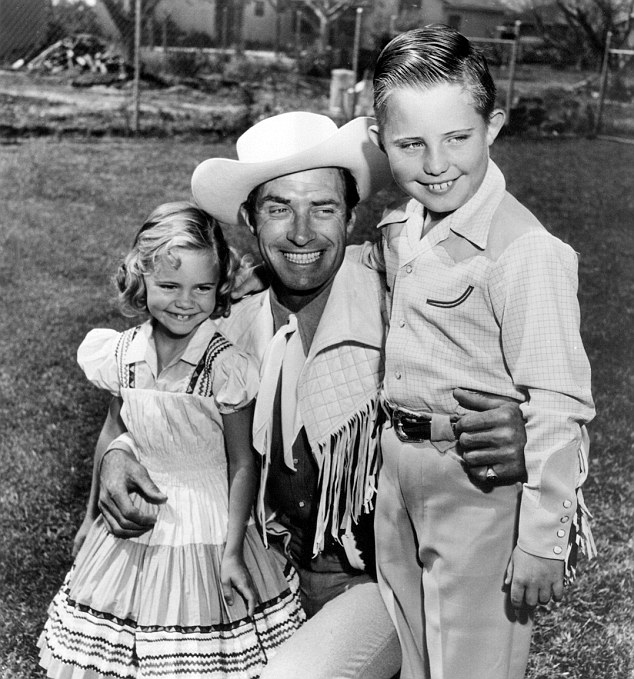
Shown from left: Sally Field, Jock Mahoney (stepfather), Rick Field (ca. 1952)

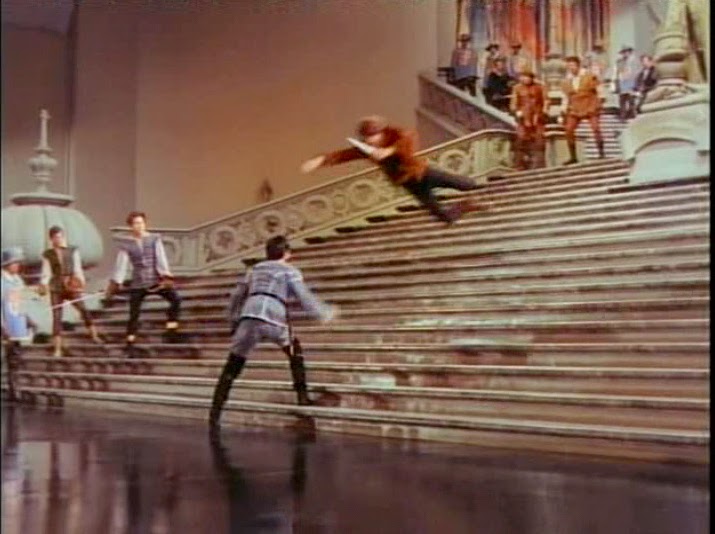
In the 1948 film   Adventures of Don Juan Director Vincent Sherman recalled staging the climactic fight scene which involved a leap from a high balcony  and could find only one stuntman – Jack Mahoney – who was willing to leap from a high staircase in the scene.

Jock Mahony was the go- to- fall guy for any leap of faith. He made a name for himself within the stunt community and a top 1000 $ by jumping down a staircase from a standing position in “The Adventures of Don Juan”.


Jack Mahoney  demanded and was paid  $1,000 to do this dangerous stunt.

So Errol Flynn’s daring leap from a descending stair case was actually  in reality Jocko.

Stunt Man

Born in Chicago of 1919 Jacques O’Mahoney excelled at swimming, basketball, and football at the University of Iowa. During World War II he was a Marine flight instructor. After the war, he moved to Los Angeles and worked as a horse breeder. He soon was doubling Charles Starrett in the Durango Kid westerns. Jock also doubled Gregory Peck, Randolph Scott and Rod Cameron. One of a few incedibly talented stuntmen he later became a TV star alongside Gene Autry

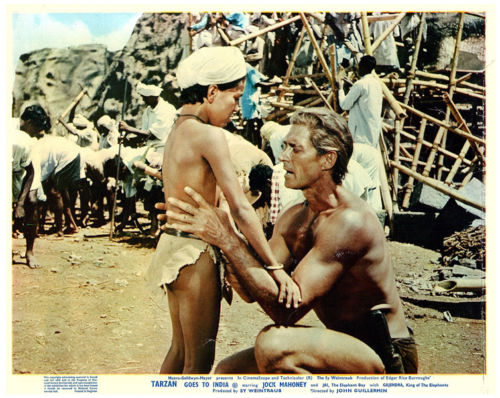
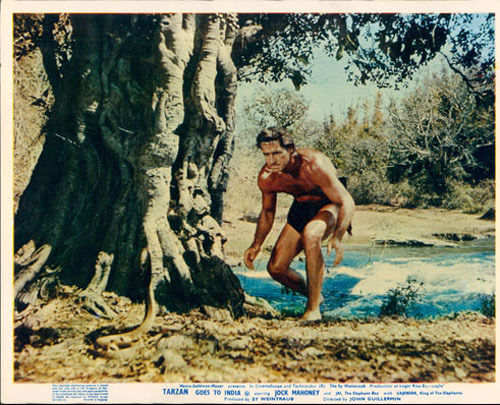
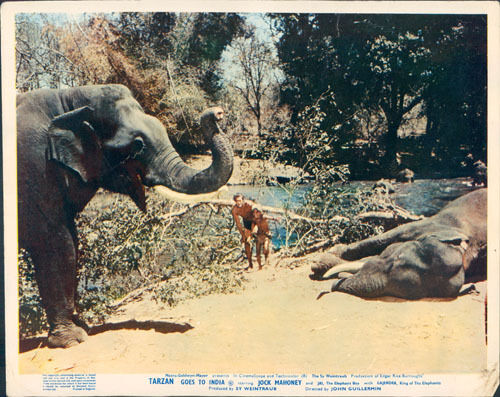
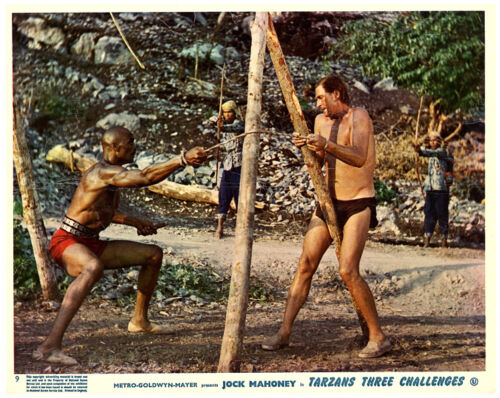
Much later in his career, at the age of 44, he played Tarzan in Two quite good films – Tarzan Goes to India and Tarzans Three Challenges. In the second one his main adversary would seem to have been Woody Strode but in reality it was serious illness that was the real enemy as half way through the making of this film,  Jack Mahoney contracted dysentery, dengue fever, and pneumonia.

His weight plummeted by around 45 lbs – and he struggled to finish the film – but he did which was in itself a superhuman effort. On his return home he took almost a year to recover fully from this.

Scenes from these two big widescreen colour Tarzan films – below

Tarzan Goes to India

Scene from Tarzan Goes to India – here with Jai

Tarzan Goes to India 2

Scene from Tarzan Goes to India – watch out for the Cobra

Tarzan Goes to India 3

Scene from Tarzan Goes to India – here with an elephant on location

Tarzans Three Challenges

Scenes from Tarzans Three Challenges as he fights with Woody Strode.


posted by Movieman in Uncategorized and have Comments (2)

The Adventure of Jim Bowie – TV Series

I would appreciate some help on this – I can’t remember this series being on British Television in the mid – late Fifties but I could be wrong.

Nor am I familiar with the actor Scott Forbes who played Jim Bowie, but on reading about him, he does seem to have been a hard working, resourceful and brave person who went off to the US in the fifties to try to push his career forward – and push it forward he did.

Jim Bowie

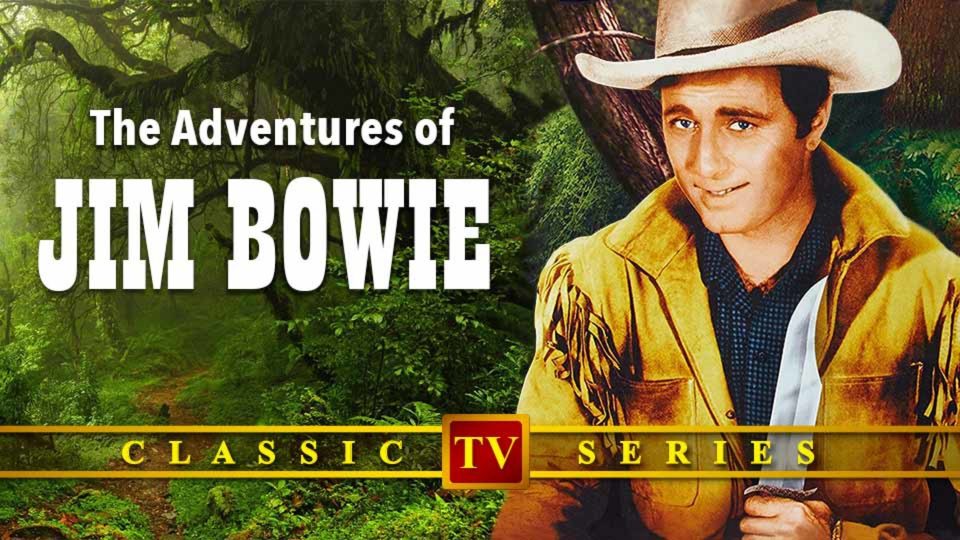
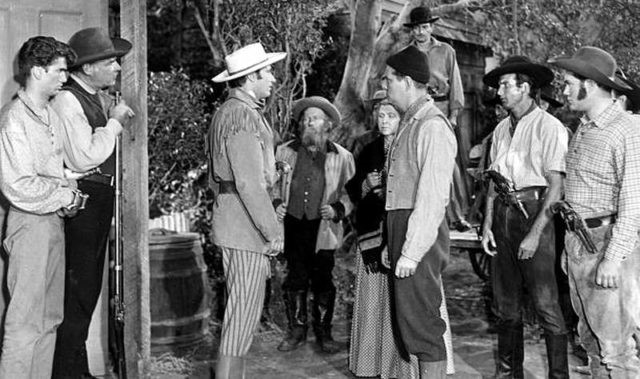
The Adventure of Jim Bowie must have achieved some success in the US as 78 episodes were produced.

It was set against  the backdrop of 1930s French-American New Orleans and backwoods Louisiana territory.  Scott Forbes starred as wealthy young planter Jim Bowie.

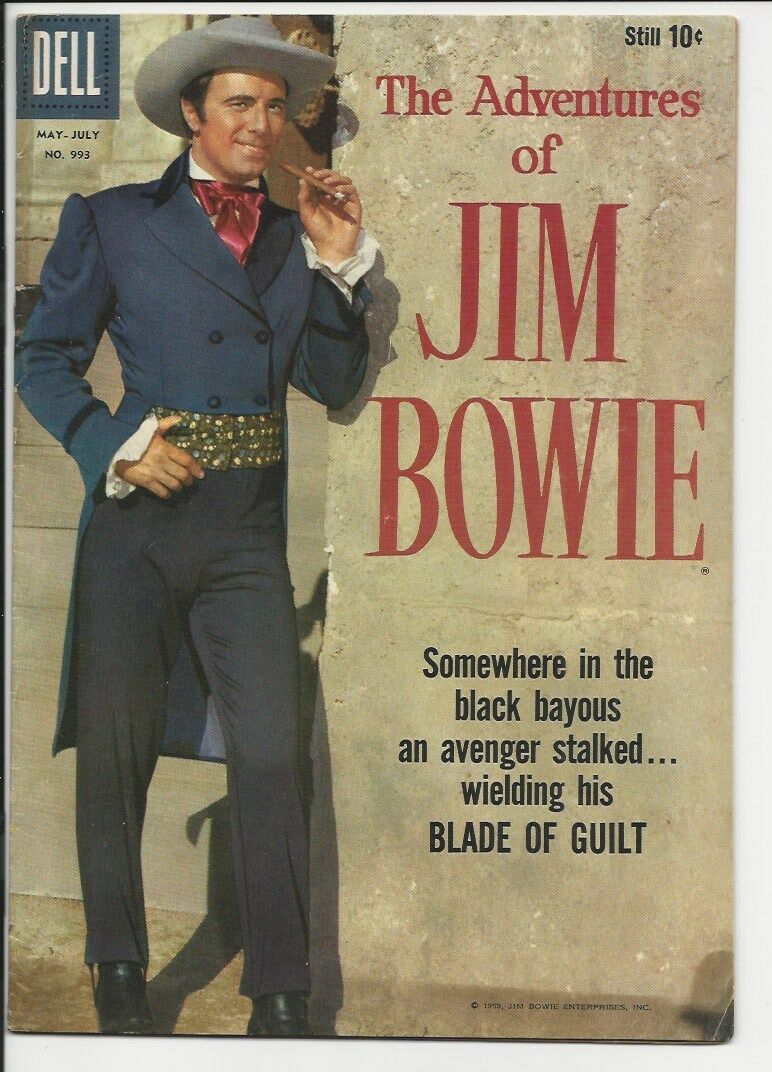
Wielding a knife – as pictured below on the front on a promotional Book –  instead of a gun, Bowie  pursued lawbreakers and battled social injustice in western adventures

Jim Bowie 2


Jim Bowie 3

Jim Bowie represents action from a simpler time and conjures up fond memories of  places like Disneyland where his sort of character would fit well.

Scott Forbes plays the part well as the strapping Bowie and his narration adds a nice extra touch to these episodes.

I am informed that if you enjoy “boy’s adventure” themed films and books like Tom Sawyer you’ll appreciate this series.


Jim Bowie 4

Jim Bowie 

Scott Forbes was a British actor  – born in High Wycombe – who made a name for himself in the United States, primarily on television. He had studied at Oxford University before choosing to become an Actor under another name  and then trying his luck in the US – and his luck was certainly in when he was cast in the title role in this Television series. He perfected an American accent for the role.

He played the title role in the 1950s TV Western series “The Adventures of Jim Bowie.” He also had a career as a playwright and screenwriter, writing in his later career under the name C. Scott Forbes.

He later returned to England and died in Swindon in 1997.


This Obituary from The Independent shows just what an interesting man he was :-

Scott Forbes was a complex and very private Englishman who rocketed to fame in the surprising role of a cowboy called Jim Bowie, on a popular American television series, The Adventures of Jim Bowie, in the late 1950s.

For years afterwards, he would find himself surrounded by excited American tourists in public places, having become part of the fantasy life of the American nation. It was a well-kept secret at the time that Jim Bowie, with his deep Southern drawl and astonishing good looks, was played by an Englishman educated at Repton and Balliol College, Oxford. The promoters of the series, feeling that the US public would not accept a frontiersman played by an Englishman, launched him with a fabricated biography, claiming that he had been born in South Africa and grown up in eastern Pennsylvania.

Scott Forbes drifted into acting as a young man-about-London after someone suggested, entirely on account of his good looks, that he audition for the leading role in a play. Up to that moment he had no thought of acting, having read PPE at Oxford and gone on to a job at the Ministry of Defence. He got the part and was taken up by the theatre impresario Binkie Beaumont, at whose suggestion he took the stage name of “Julian Dallas”.

As Julian Dallas he went to the Liverpool Old Vic for a year in the late 1940s, working with Tyrone Guthrie and Peter Glenville. He then returned to London for a number of plays, including Peter Ustinov’s House of Regrets and The Cradle Song directed by John Gielgud, and made two films with the J. Arthur Rank Organisation, The Reluctant Widow and The Blue Mill, before going to Hollywood under contract to Warner Brothers in 1950.

He did a lot of work in American films, theatre and television, but many people felt that he should have stayed in London. John Gielgud, touring California with his Ages of Man, said, “Oh Julian, my dear boy, whatever are you doing here?” John Osborne saw him in The Rainmaker at the La Jolla theatre in California and said: “We need people like you in the London theatre. You would be a star!”

As an actor Forbes had a quiet intensity which could draw his audience into the action. His magnetism, which began with his looks, deepened with his development as an actor. He had a very beautiful, expressive voice and knew how to use it. He went to drama school in New York, studied acting with Morris Carnovisky and worked on his Southern accent for Jim Bowie with the actress Jeanne Moody, from Alabama, who subsequently became his wife and mother of his two daughters, Elena and Jessica.

Scott Forbes and his Wife Jeanne Moody

Scott Forbes and his Wife Jeanne Moody 2

ABOVE – Scott Forbes with his Wife Jeanne Moody

He acted in the theatre opposite some of America’s leading ladies, including Eva Le Gallienne in Maxwell Anderson’s Elizabeth the Queen (1961-62; the critic James Powers described him as “the dashing, handsome and bewitching Earl of Essex”), played Maxim de Winter in Rebecca on live television in 1952 and made films with Errol Flynn and James Mason. He also played opposite Eartha Kitt in Seventy Times Seven (1959), made in Cuba.

Forbes returned to Britain to do some television in 1960, including Alun Owen’s play Lena, My Lena with Billie Whitelaw, and again in 1963, this time to work in the theatre, playing the husband in Harold Pinter’s The Lover, with Vivienne Merchant and directed by Pinter. It was at this point that he became seriously interested in writing plays and scripts. His play The Meter Man, produced by Ronald Hayman at the Lamda theatre in 1964, was subsequently performed all round the world and made into the film The Penthouse (1967) with Suzy Kendall.

He and his family returned to live in Britain in 1963 and he continued to write plays and scripts as well as acting, mainly for television, becoming a familiar face on BBC television’s Play of the Month. But in the second half of his life he gradually lost the taste for public performance, becoming reclusive and quiet in his ways. These years were characterised by a deepening love of his family and home, of the classical music he would listen to by the hour and a habit of solitude and long hours spent in writing.

When Scott Forbes died his family held a small private funeral with no announcements in the press. He is buried in a country churchyard near his last home in Wiltshire, close to the fence, away from the crowd.
posted by Movieman in Uncategorized and have Comments (5)

Stars at Home – In Hollywood

Well, even Film Stars have to have a home life and some relaxation after being in front of those cameras much of the day – not to mention learning lines, make-up and costume fitting and so on.

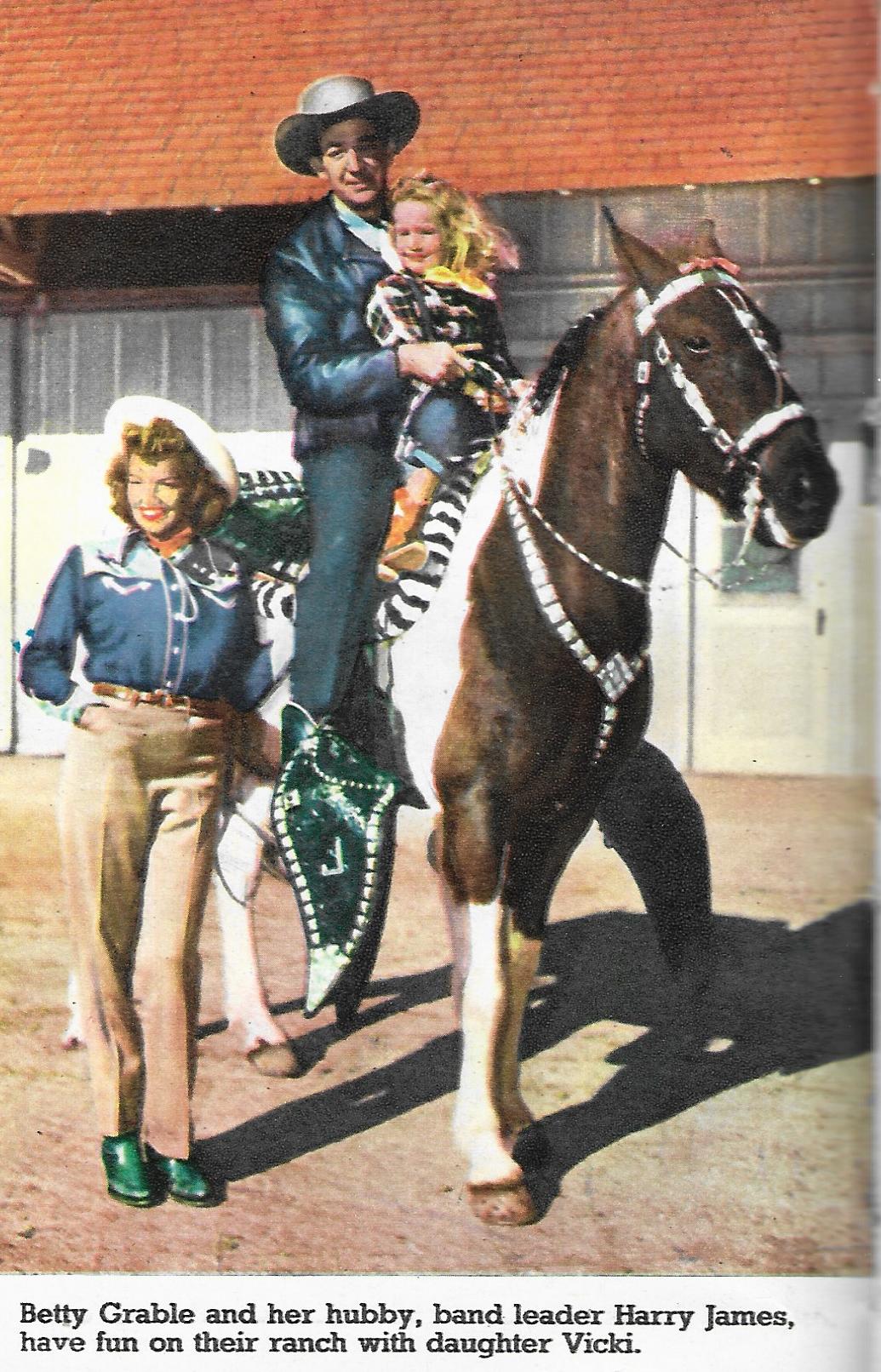
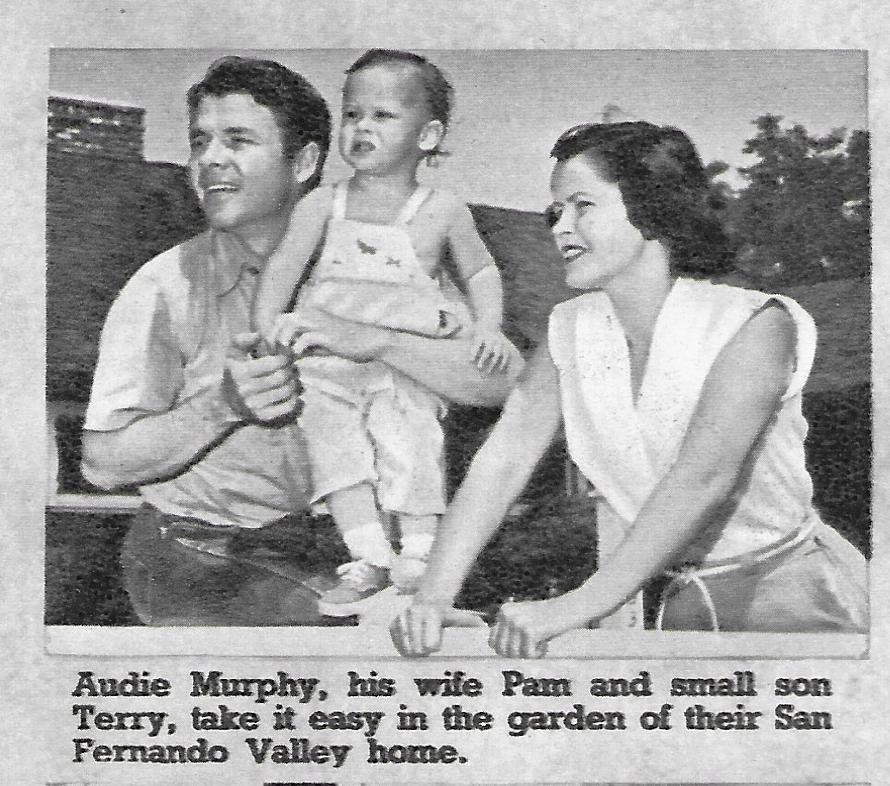
This is just a sample of such actors at home :

Stars at Home in Hollywood

Betty Grable – above – with her husband Harry James the Band Leader and their daughter Vicki – pictured at their Ranch

Stars at Home in Hollywood 2

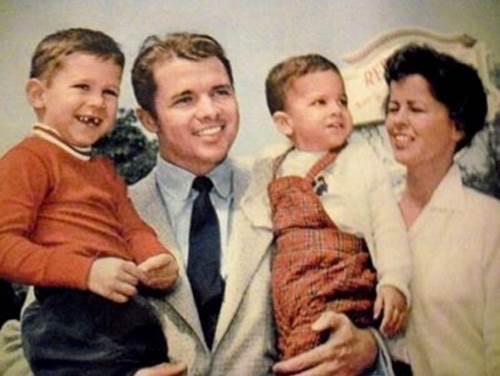
Much decorated War Hero Audie Murphy at home in the San Fernando Valley – with wife Pam and son Terry. He had been previously married to actress Wanda Hendrix although only briefly – then he married Airline Stewardess Pam in 1951 and they remained together until he died. They had two children.

Pamela Murphy, widow of WWII hero and actor, Audie Murphy, died peacefully at her home
on April 8, 2010 at age of 90.

Audie Murphy and Family

Audie Murphy with his Wife and Two Sons – Above

Stars at Home in Hollywood 3

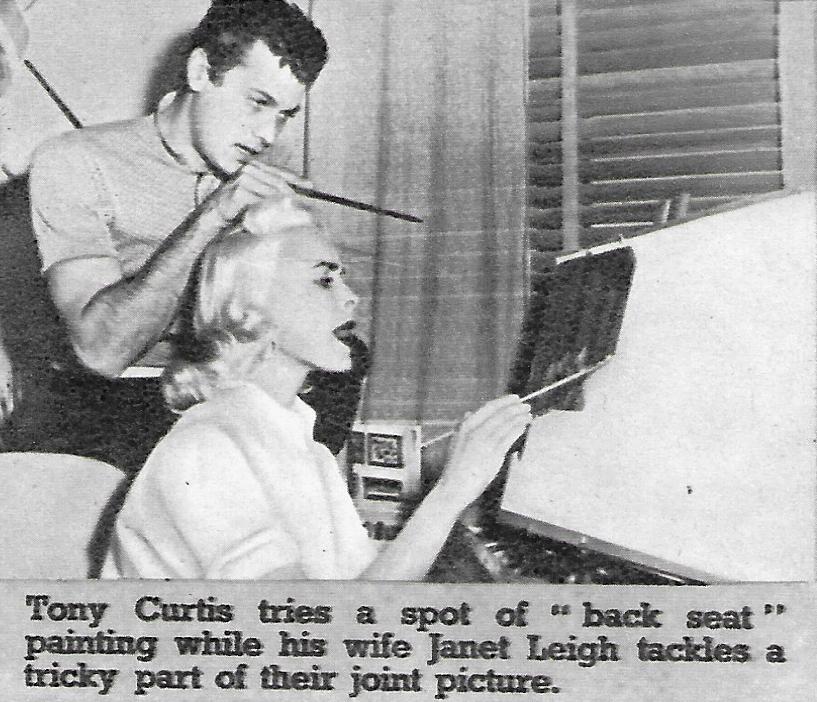
Tony and Janet – both film stars at the height of their film career enjoy painting

Stars at Home in Hollywood 4

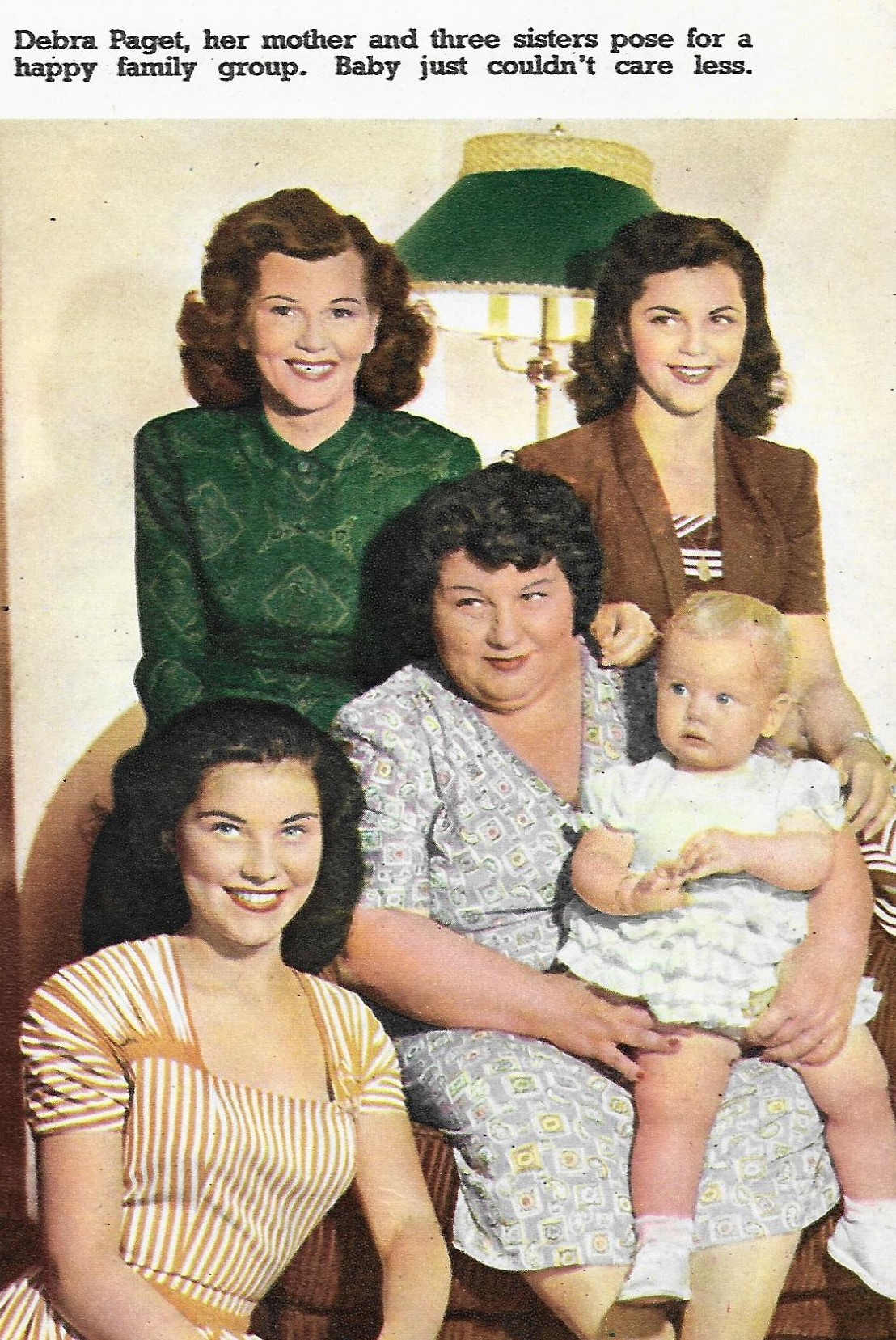
Debra Paget with her Mother and three Sisters – At Home

Kathryn Grayson and her Daughter

Above: Kathryn Grayson with her Daughter Patti-Kate

Richard Conte

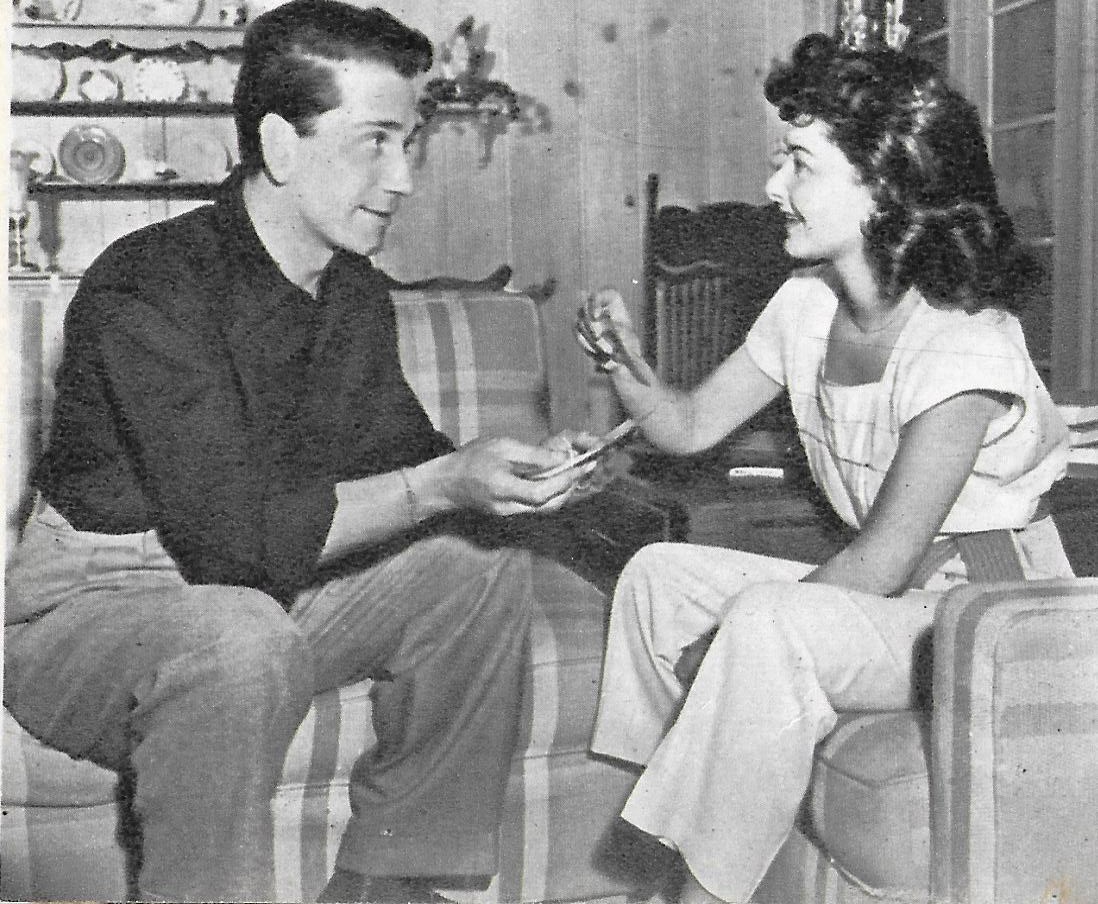
Richard Conte showing his wife a card trick

Betty Grable with her husband and two daughters

Betty Grable – above – with her husband Harry James the Band Leader and this time their two daughters


posted by Movieman in Uncategorized and have Comment (1)

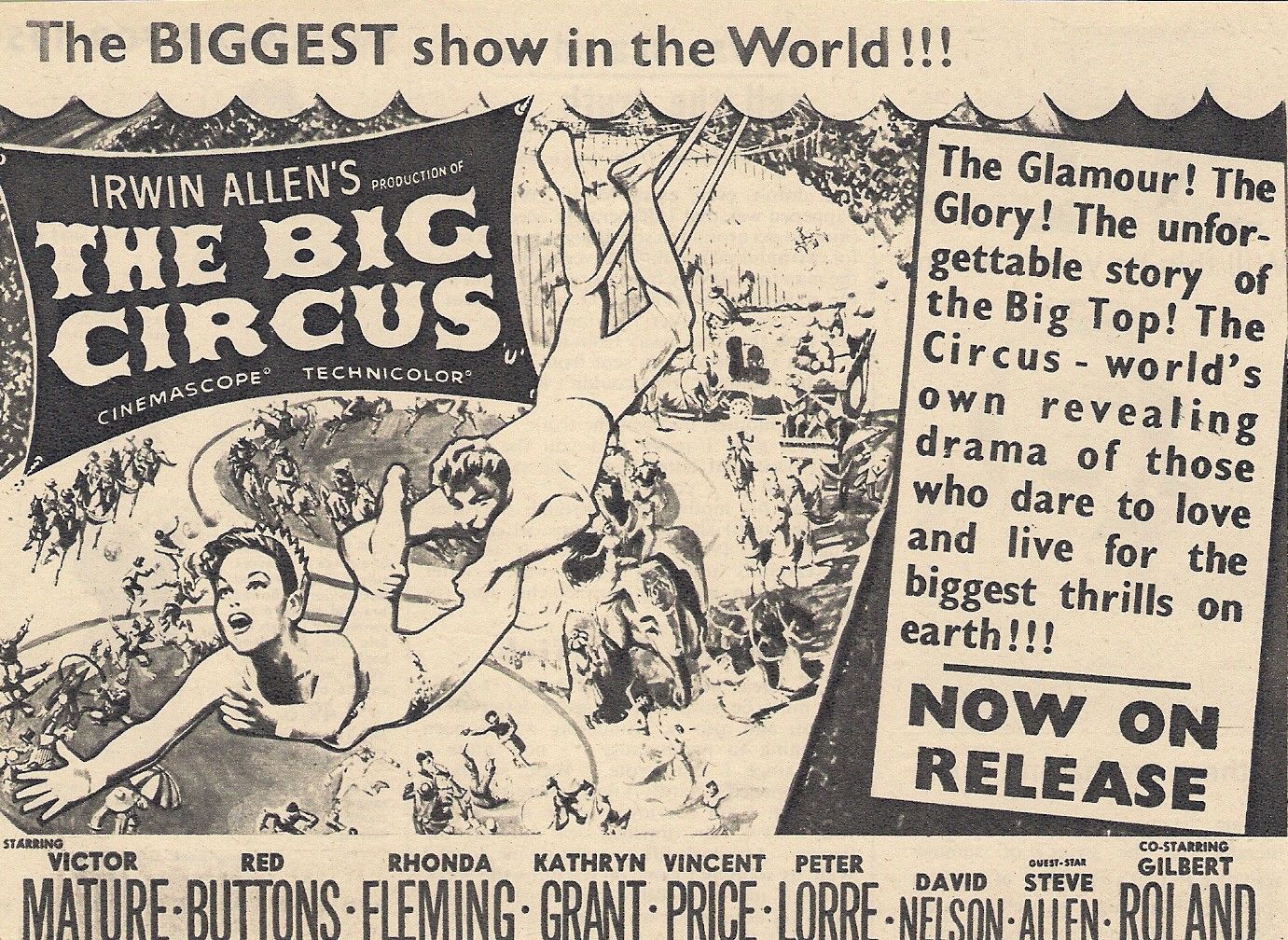
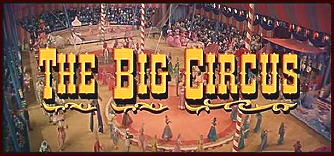
The Big Circus 1959

This was shown on TV in England a year or two ago and I have not seen that it has been on since.   Prior to that it must be years since it had last been shown – which is a shame really for such a good entertaining film – with some very well known stars.
The Big Circus

THE BIG CIRCUS

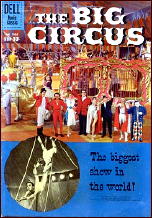
THE BIG CIRCUS. Allied Artists/Warner Brothers, 1959. Victor Mature, Rhonda Fleming.
The Big Circus 4


In this film Victor Mature is ideally cast as Hank Whirling, a circus owner who has just split with his partners and needs  a loan to keep the Whirling Circus going.

Victor Mature was held in high regard by Film Producers – because he was rarely in a film that did not make money –

and many of them like Samson And Delilah made a LOT of money.

Victor Mature’s character ends up in partnership with banker Randolph Sherman (Red Buttons) and publicity agent Helen Harrison (Rhonda Fleming), neither of whom he wants.

THE BIG CIRCUS

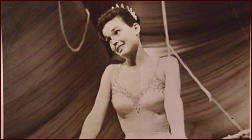
The Whirling Circus is a family affair; the prime players being ringmaster Hans Hagenfeld (Vincent Price), sardonic clown Skeeter (Peter Lorre), high wire and trapeze stars The Great Calinos, Zach and Mary (Gilbert Roland and Adele Mara), their catcher Tommy Gordon (David Nelson), and Hank’s sister Jeanie (Kathryn Grant) who dreams of working the trapeze one time before she settles down (her mother fell to her death from the trapeze).

Money problems and his unwanted partners aren’t all that plague Hank — sabotage  is making his life  difficult: a lion escapes and threatens a press party, a fire breaks out and threatens the animals, a train wreck kills two people, one of them Mary Calino, and strands the show. Add to that bad weather and the bank threatening to sell the show  and only a miracle can save them.

THE BIG CIRCUS

The miracle being Zach Calino walking the high wire across Niagara Falls But just before he is to make the walk his wife (Adele Mara) is killed in the train wreck and Zach loses his nerve. Hank makes him mad enough to go through with it, but at the risk of losing his oldest friend.

Then the saboteur in the circus troupe plans to strike while the circus plays in New York while Victor Mature has to keep a low profile to avoid the man sent from the bank to foreclose (Howard McNear )

The Big Circus 3

It all builds to a suspenseful finale as the killer is trapped in the centre ring, after trying to kill Jeanie when she makes her debut with Zach Calino on the trapeze

The mystery element is done fairly well, with suspicion falling on almost everyone — particularly Vincent Price.

This film is certainly worth seeing, and a fine cast  along with a well written script and good direction and camera work

The Big Circus 2

THE BIG CIRCUS


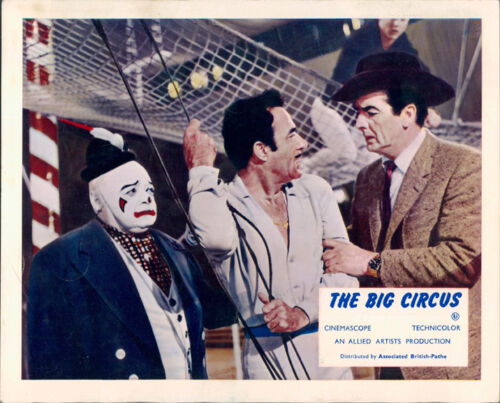
Above: Peter Lorre,  Gilbert Roland and Victor Mature in a scene from the film

All the performers are at their best with Red Buttons more subdued than usual, and Kathryn Grayson in a non-singing role is fresh and attractive. Rhonda Fleming is as gorgeous as usual, and Gilbert Roland. Vincent Price and Peter Lorre both have their moments, and Victor Mature has a nice presence in the kind of part he often played as a fast talking faster thinking promoter with a heart well hidden behind the million dollar smile.

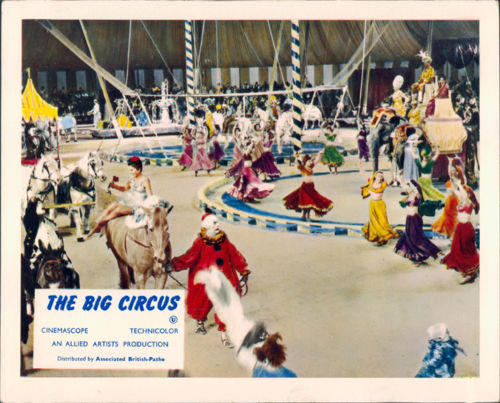
At one point after the train crash the circus is stranded and Victor Mature has the idea of using the elephants, “like Hannibal,” to get to their next play date.

The Big Circus may not be as gaudy as Cecil B.de Mille’s  Greatest Show on Earth but it is entertaining , hits all the marks, and delivers  the thrills, smiles, and laughs it intends to do, and does so with a more than usually attractive and capable cast.

It’s pretty big entertainment, even on the small screen.

THE BIG CIRCUS
posted by Movieman in Uncategorized and have Comment (1)

Fighter Planes from the Films

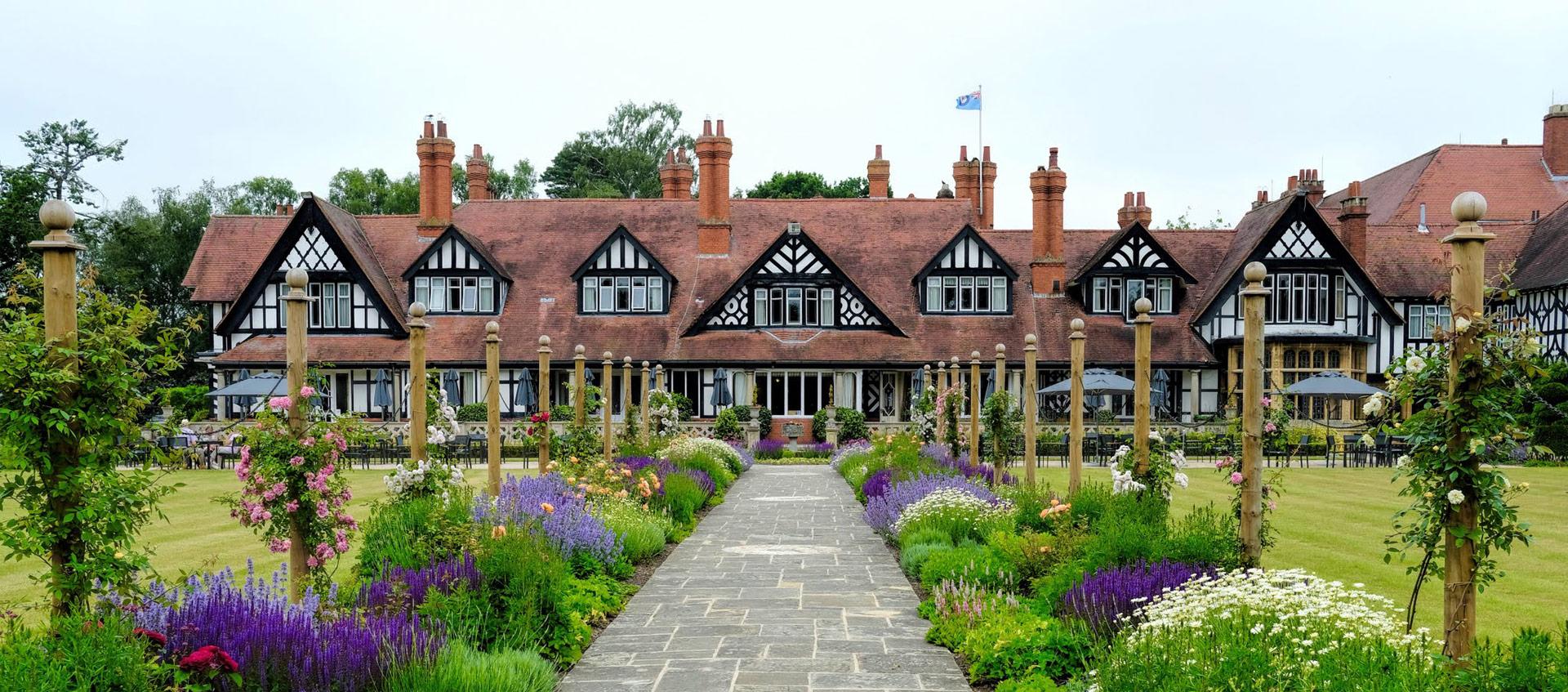
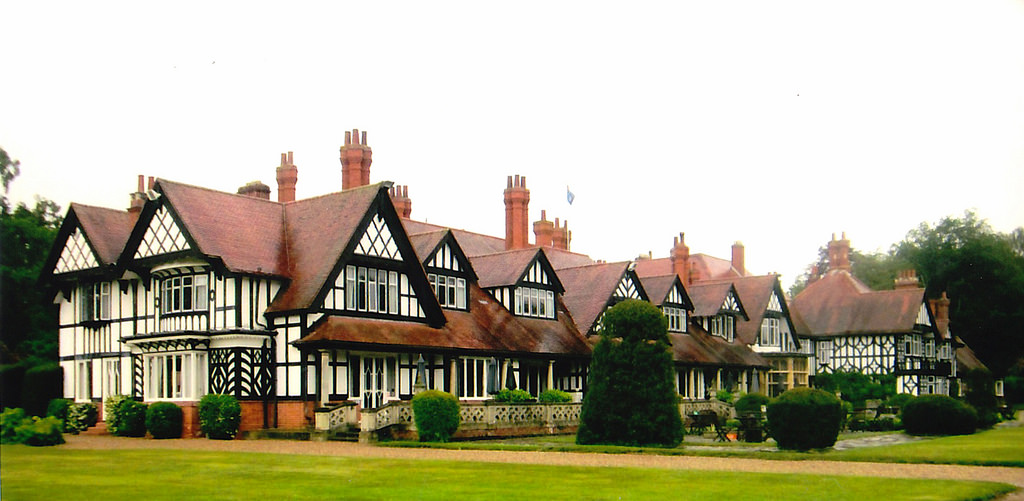
A week or more ago for  three days, my family and I have been staying at the wonderful Petwood Hotel in the Lincolnshire village of Woodhall Spa.

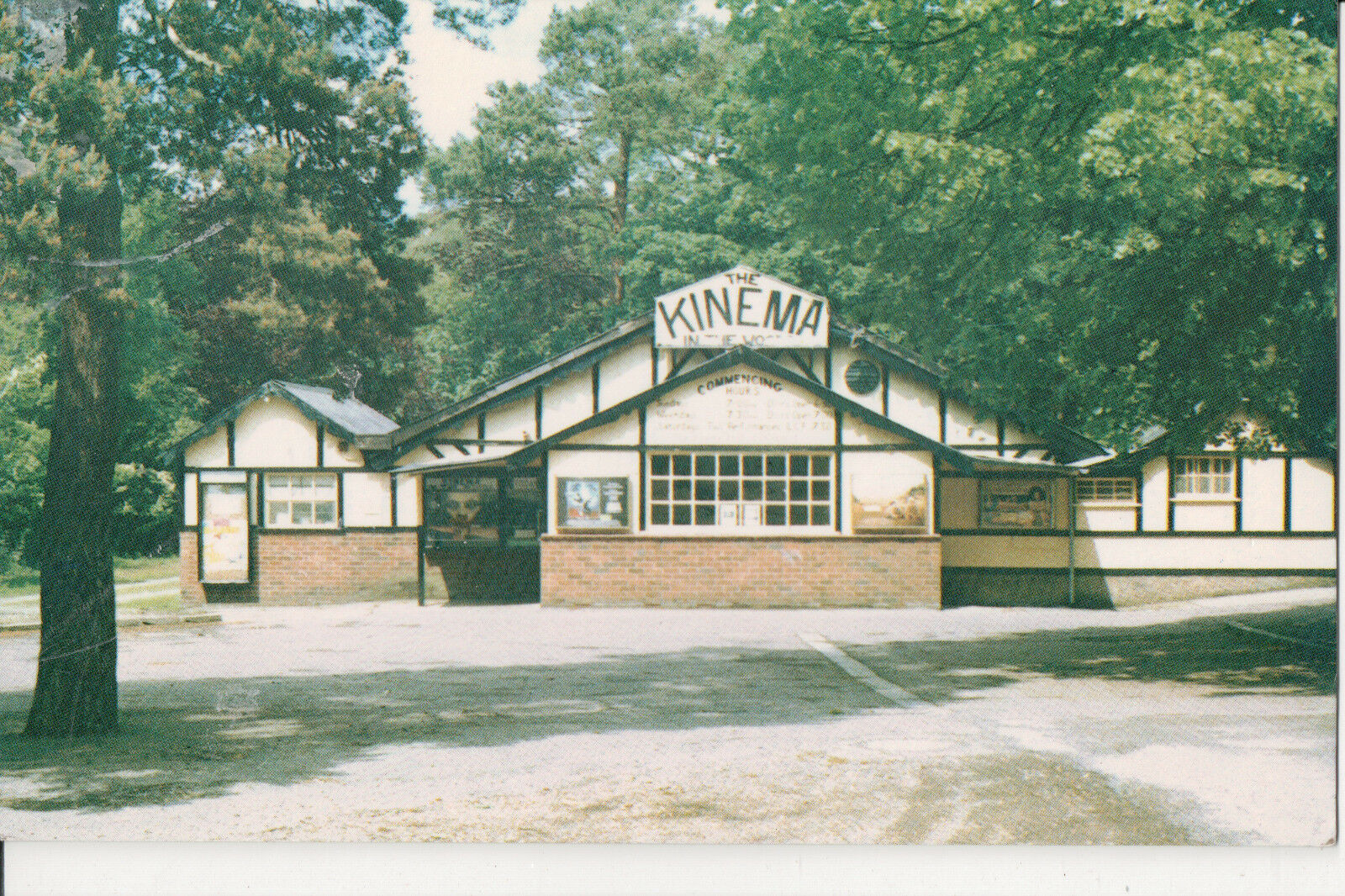
In film terms this should be a magic place for Wartime locations I would have thought and of course it is home to the unique Kinema In The Woods that I have referred to before.

The Kinema in the Woods


The Kinema in the Woods 2

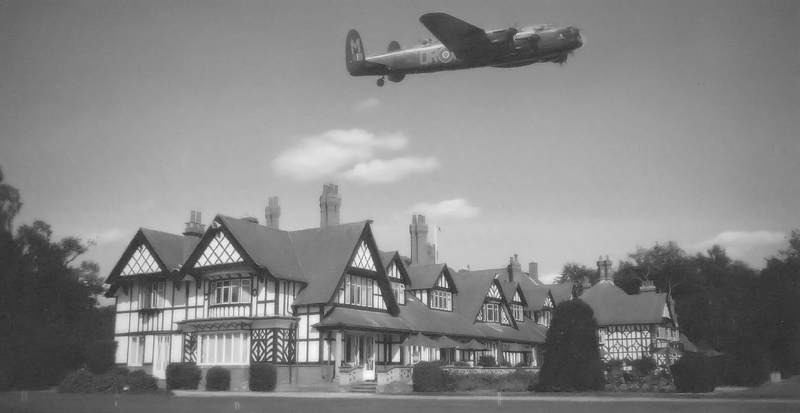
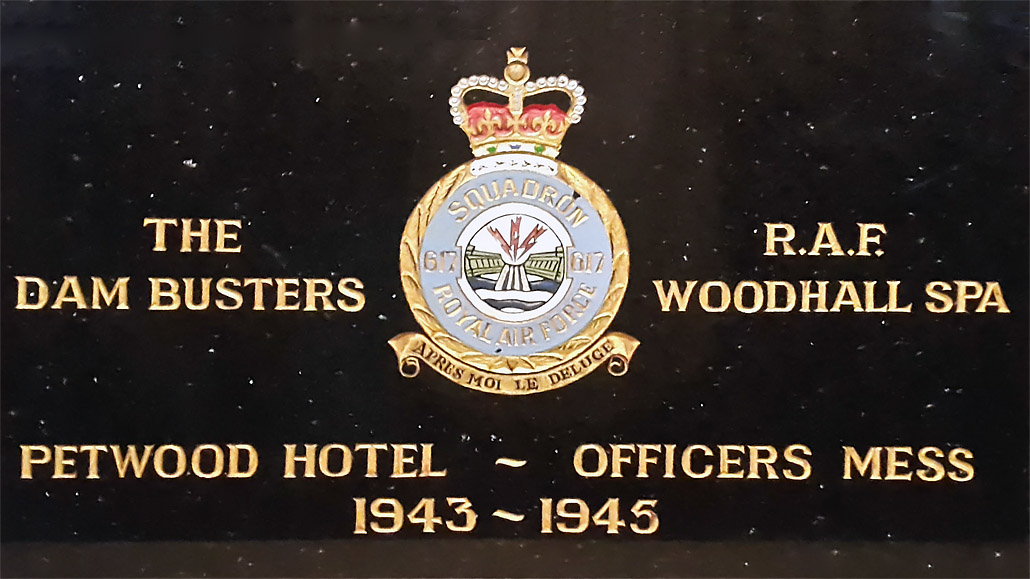
In Wartime terms this is where the Dam Busters 617 Squadrom was based and the Officers Mess was in the Petwood Hotel – and still is.

Lancaster Bomber over the Petwood Hotel

Petwood Hotel 2

Petwood Hotel 3


Petwood Hotel

You can visit there and see the bar / officers mess very much as it was – and now  a tourist attraction for so many.

Whilst there we met with Charles Clarke OBE who is now 96 years old and had been brought back for some re-union. He was part of 617 Squadron and had flown on Lancasters out of Woodhall Spa.   On one particular mission his plane was shot down and crashed into mountainous terrain but he remarkably survived and was take prisoner. The Camp he went was none other the the famous Great Escape Camp.

On one of the days that  we were there we left the Hotel and went about 5 miles to the current RAF Base at Coningsby which houses the Battle of Britain Flight with their collection of Spitfires, Hurricanes, a Dakota and a flying Lancaster Bomber.

Hurricane 2

We had a guided tour – and it was pointed out the the above Hurricane had been used in the film Angels One Five in 1952 which was filmed mainly at Kenley in Kent.


posted by Movieman in Uncategorized and have Comment (1)

Jennifer Daniel

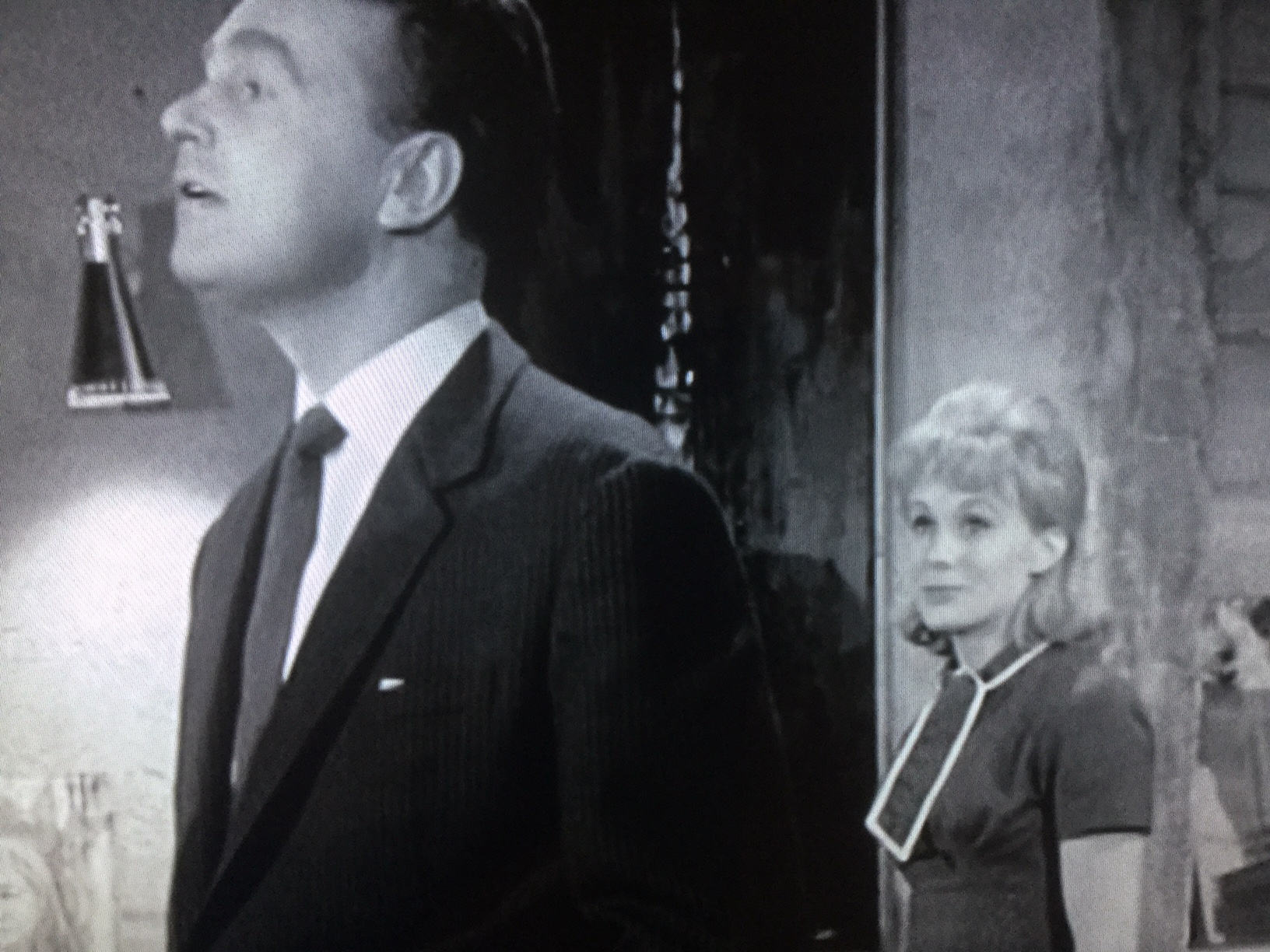
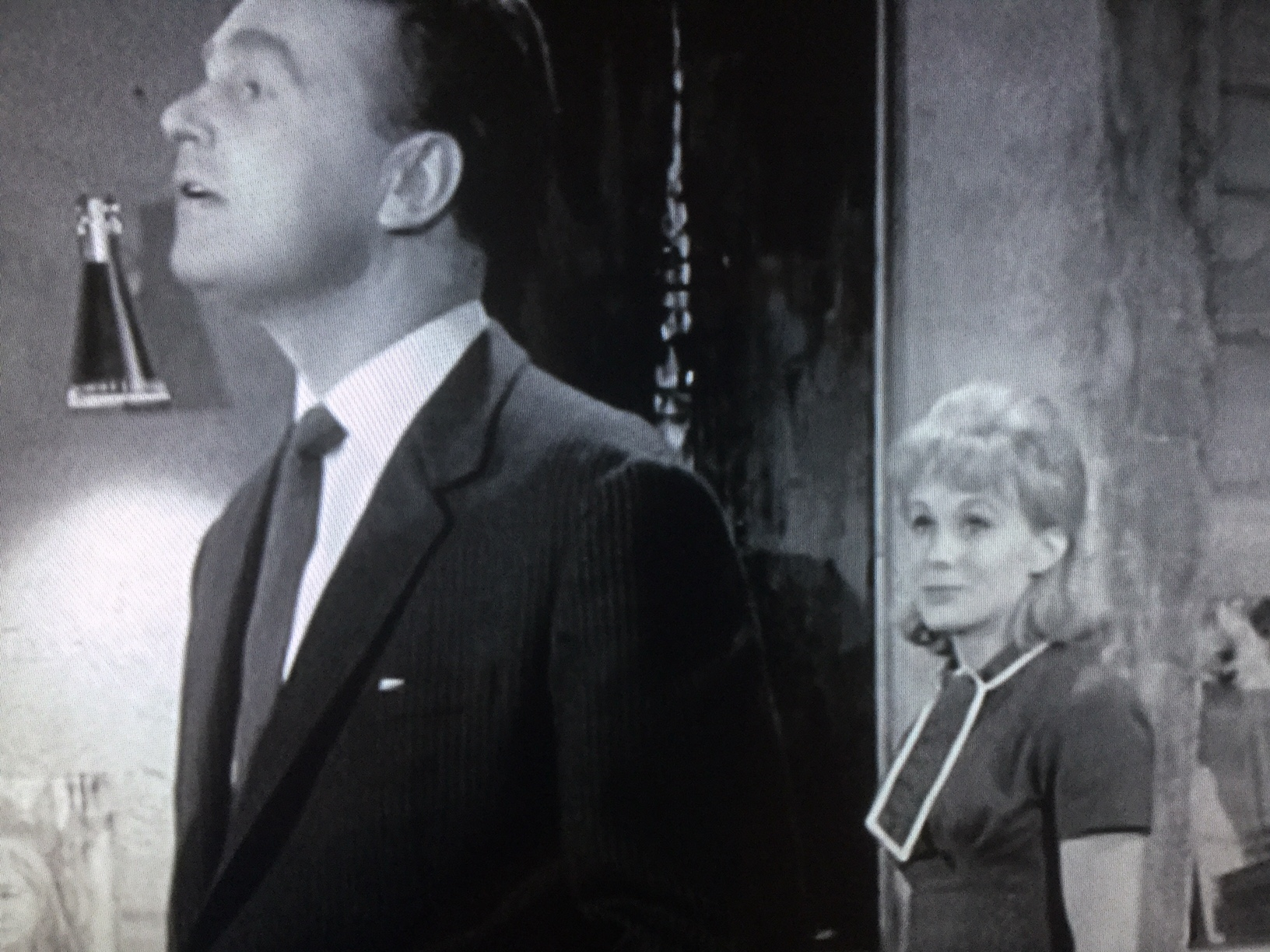
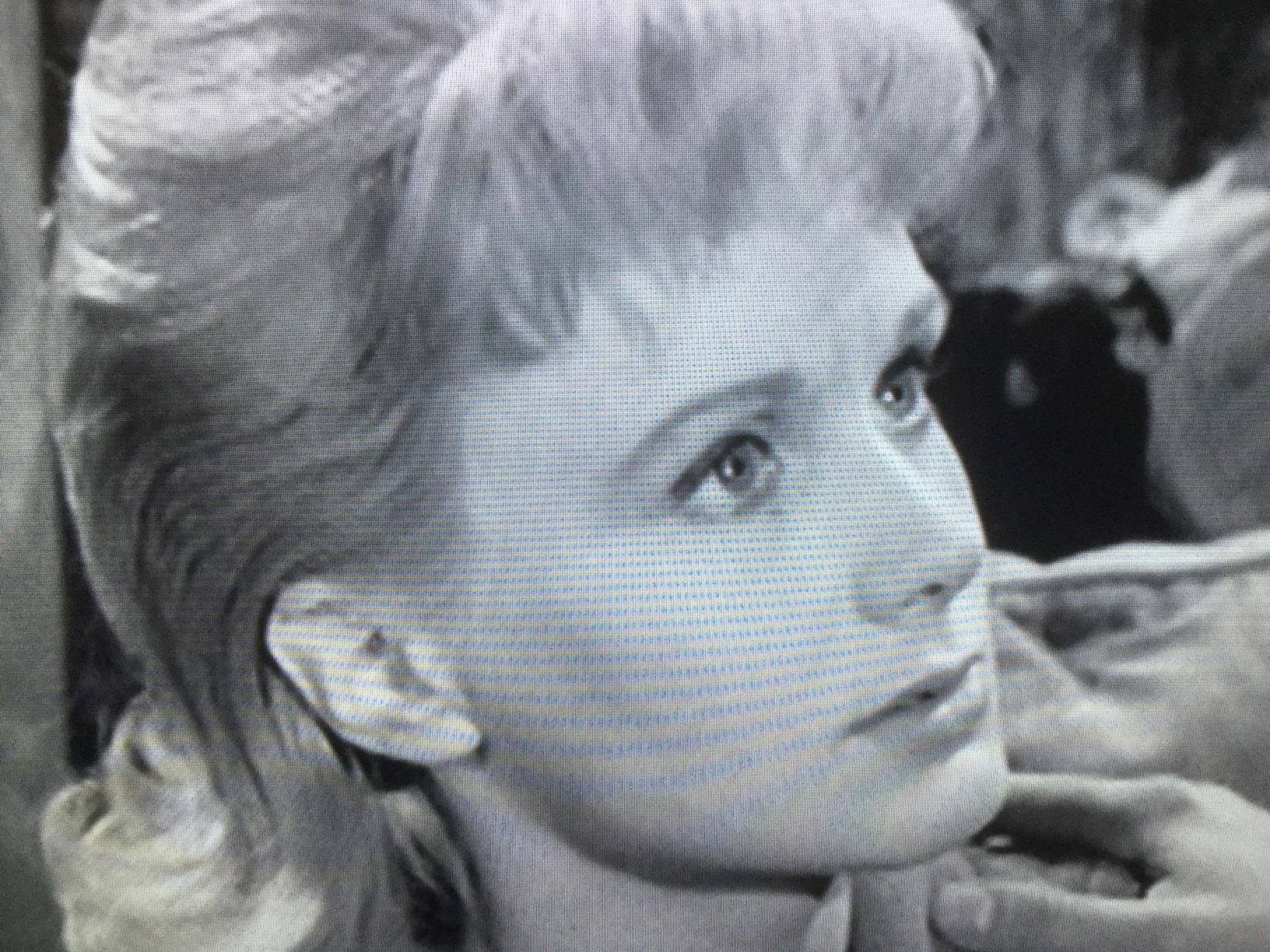
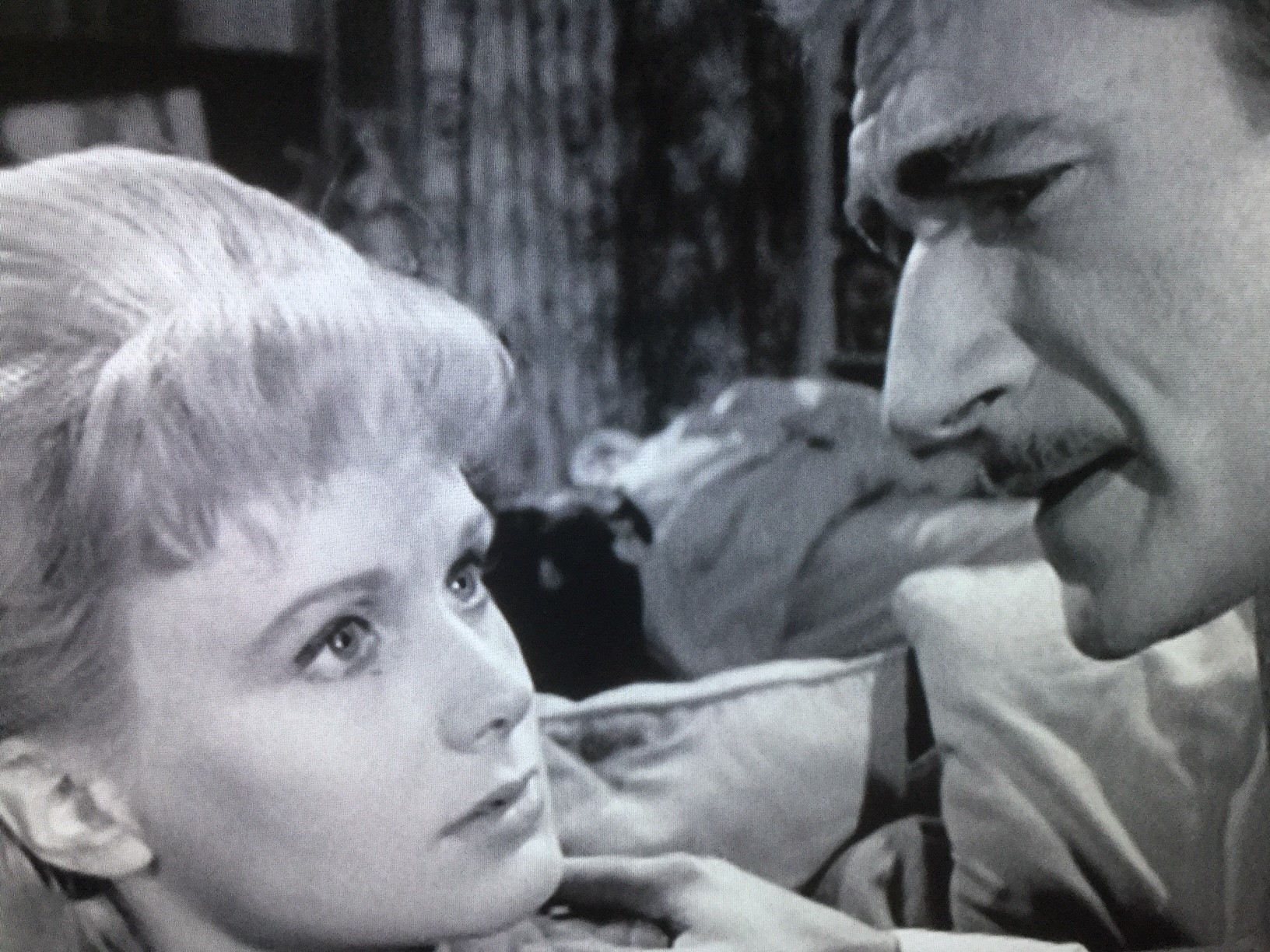
What a lovely looking girl she was. The other evening I watched one of the Edgar Wallace Mysteries on Talking Pictures – and she was in it – this is what prompted me to write this article having looked a bit further into her life story.

She was actually in THREE of the Edgar Wallace Mystery series – Marriage of Convenience,  Clue of the Silver Key and  Return to Sender.

She was married to Dinsdale Landen the actor from 1959 until his death in 2003.
Jennifer Daniel 

Jennifer Daniel


Jennifer Daniel 2


Jennifer Daniel 3

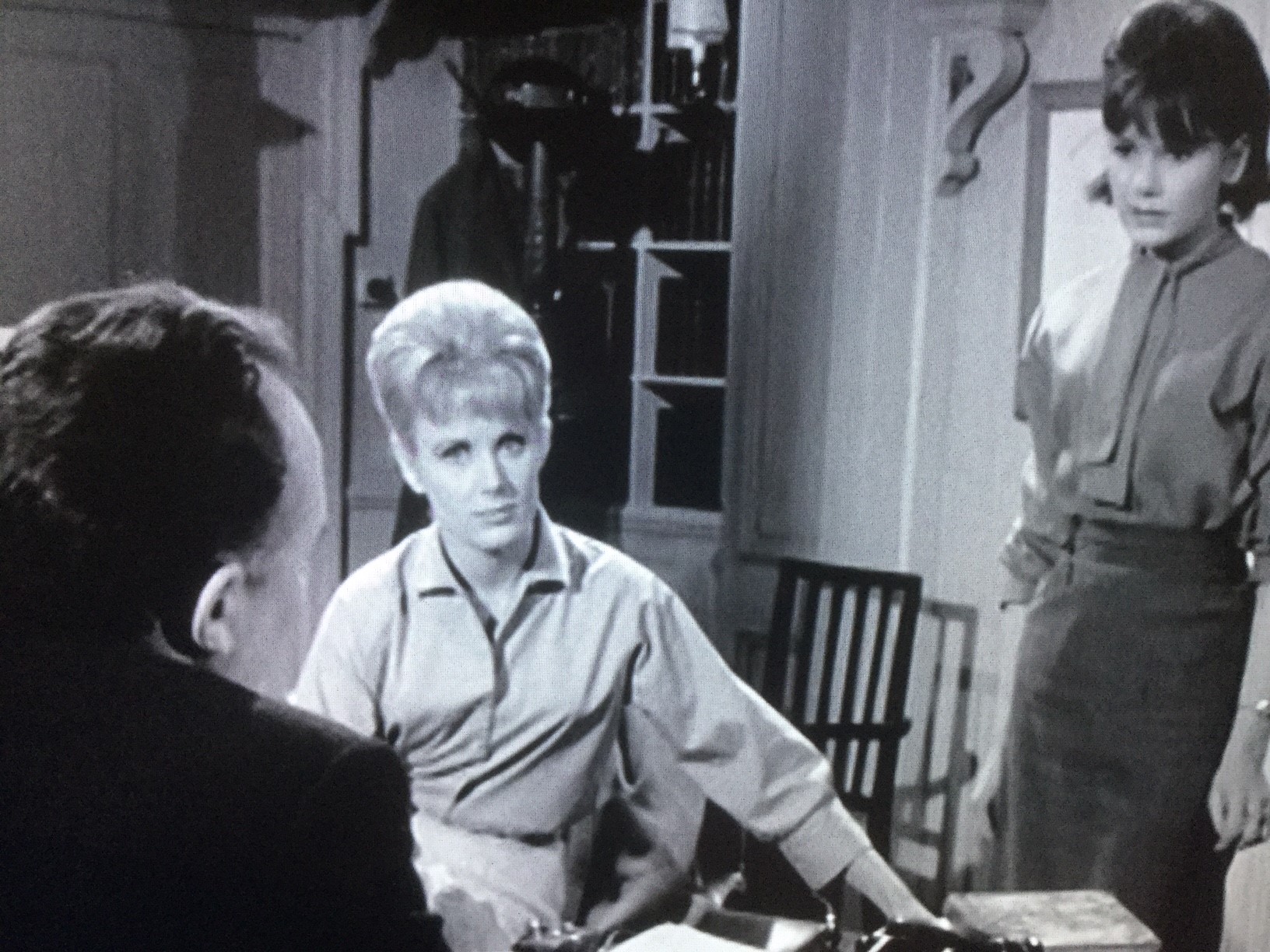
The Pictures above from the TV Series Public Eye – This episode was entitled ‘Unlucky for Some’ from 1975.

The series starred Alfred Burke

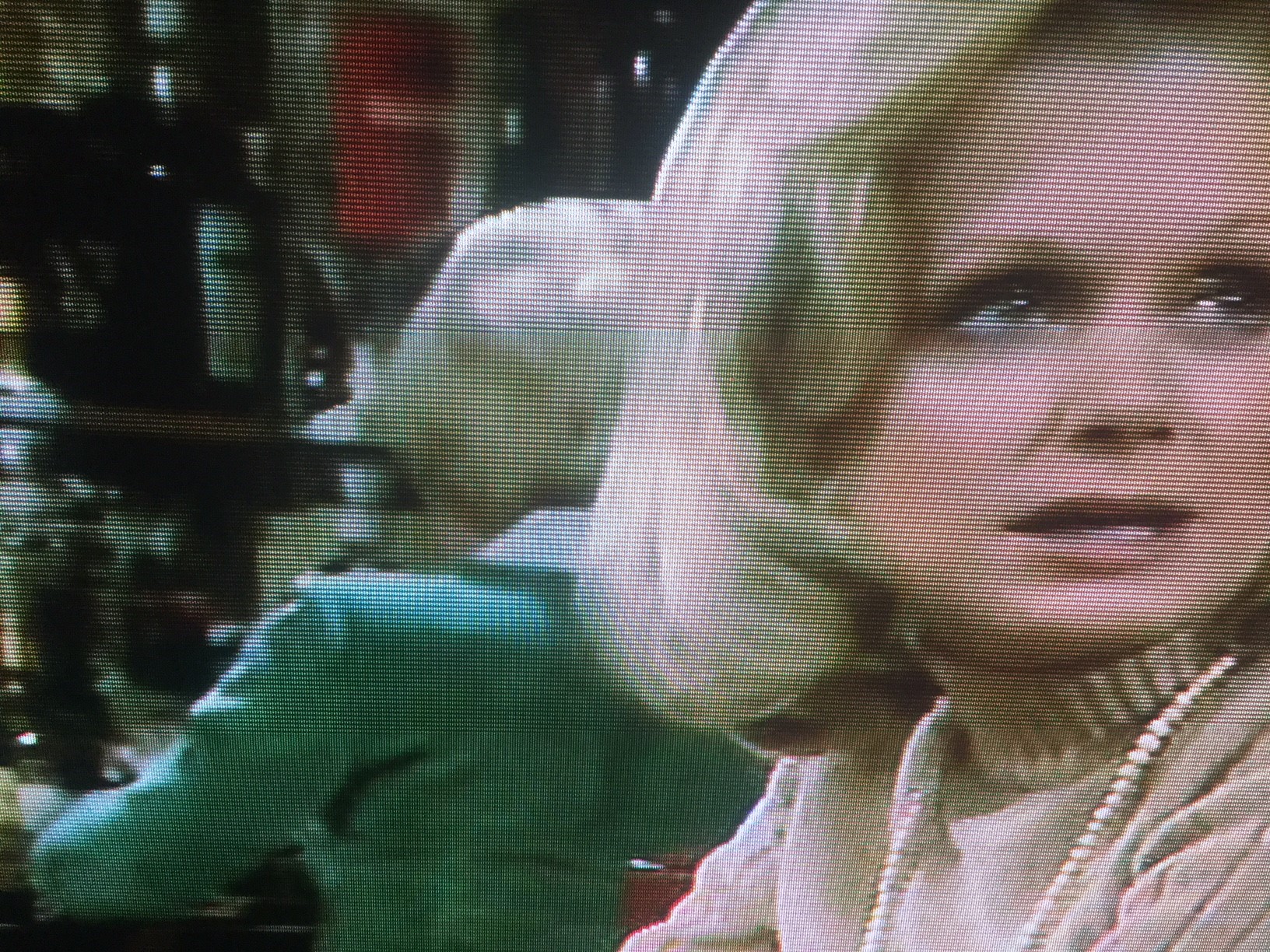
Welsh actress Jennifer Daniel, who appeared frequently on British television and in the Hammer Films The Kiss of the Vampire (1963) and The Reptile (1966), died on August 16 2017 at the age of 81.

Jennifer Daniel was born  in Pontypool, Wales. When she was young she had an interest in music. She was even a a clarinettist in the Welsh National Youth Orchestra. Then her interests eventually turned to acting.

She studied at the Central School of Speech and Drama in London. She was in a repertory company before making her television debut in an episode of Leave It to Todhunter in 1958. She made her film debut in Marriage of Convenience in 1960.  She guest starred on BBC Sunday-Night Theatre, Theatre Night, and Armchair Theatre.

She also appeared in an episode of the 1959 mini-series adaptation of Great Expectations where she played Clara and just a short time later she was in Barnaby Rudge again for the BBC

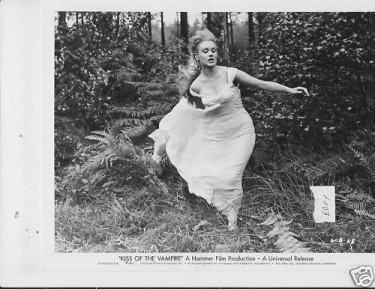
Jennifer Daniel - Kiss of the Vampire

Above in Kiss of the Vampire 1963 – before The Reptile

In the Sixties Miss Daniel appeared in the feature films Return to Sender (1963), The Kiss of the Vampire (1963), and The Reptile (1966).

It is for her role in  The Reptile I mainly remember her – although this is a little unfair as she did so much more

She appeared on the series Rooms and in the mini-series People Like Us. She guest starred on such shows as Barlow at Large, Thriller, Public Eye, and The Boy Merlin.

In the Eighties she had a recurring role on The Collectors. She guest starred on Barriers, I’ll Take Manhattan, Rumpole of the Bailey, and Capital City.

In the Nineties she appeared in the feature films Wuthering Heights (1992) and Love Is All There Is (1996).

She also guest starred on Keeping Up Appearances.

She appeared in the films Run for Your Wife (2012)  and Christmas with the Dead (2012).

Jennifer Daniel certainly stood out from other blondes  of her era, and even other Hammer actresses.

Her style was quite subtle particularly in the Hammer Films where she appeared to be very cool – this was perhaps because her stock-in-trade was playing serious young women confronted with unusual situations. Jennifer Daniel wasn’t just providing the  romantic interest or window dressing, but characters that required a certain amount of intensity in her performance.

What is more, she played them very well. It should be little wonder that she appeared so often on British television.

Return to Sender – Edgar Wallace.


Return to Sender - Edgar Wallace 2


Return to Sender - Edgar Wallace 1

Return to Sender - Edgar Wallace 1Return to Sender - Edgar Wallace 3


Return to Sender - Edgar Wallace 4

Return to Sender - Edgar Wallace

Jennifer Daniel – showing just how beautiful she was ABOVE – in Return To Sender 1963


Return to Sender - Edgar Wallace 1

I will prepare another Post on Jennifer Daniel with scenes from the other TWO Edgar Wallace Mysteries series later

posted by Movieman in Uncategorized and have Comments (2)