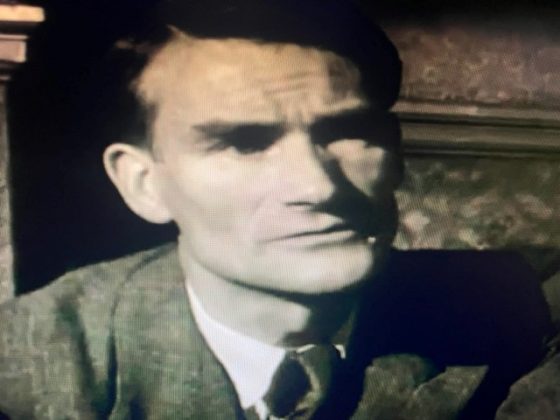
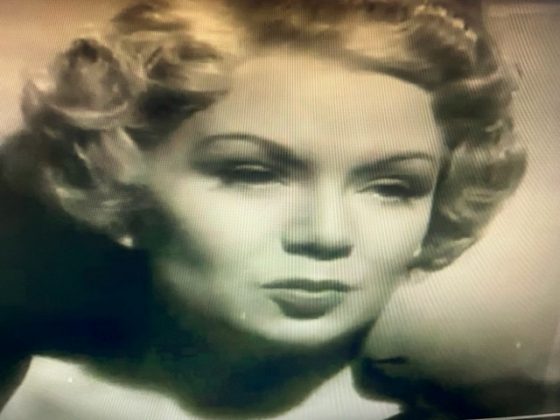
I have just come across this very interesting item
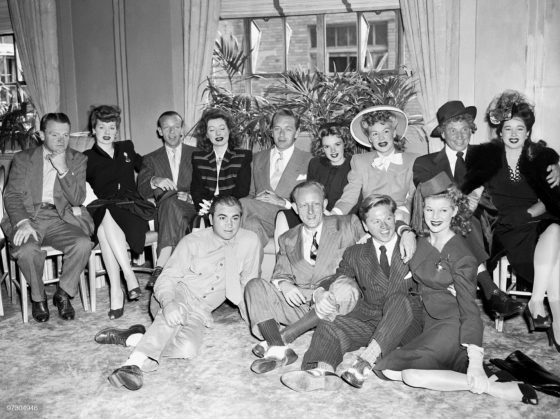
James Cagney, Lucille Ball, Fred Astaire, Greer Garson, Paul Henreid, Judy Garland, Betty Hutton, Harpo Marx, Marjorie Stewart, Sergeant Barney Ross, Kay Kyser, Mickey Rooney, Rosemary LaPlanche on The Hollywood Cavalcade War Bonds Tour.
Film Stars of the day embarked on these USA tours to raise money for the War Effort.
This newsreel below give us a good indication of these nationwide tours organisation and who went on them
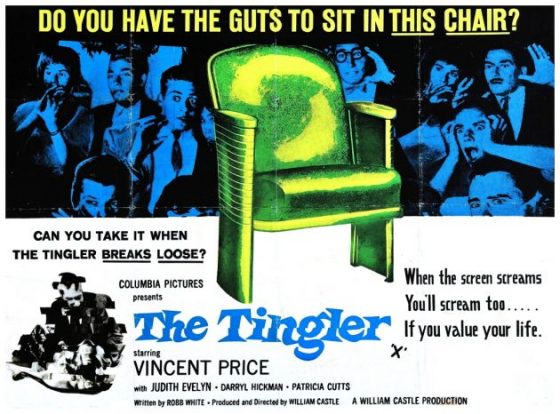
I remember going to see this at our local Ritz Cinema – a Vincent Price film
The Tingler is a 1959 horror thriller starring Vincent Price, and is one of his lesser known films. The film revolves around parasites that live inside human beings and feed off their fear, which causes a spine-tingling sensation. While this film is not one of Vincent Price’s best, the kind of marketing gimmicks used to sell it were just plain bizarre for 1959. The film is considered a cult classic.
This film is best known for one particular gimmick used to sell it, where some rows of the Cinema Seats vibrate at set times during the film, to make people think they’d been infected with the parasite.
Fake screamers and fainters were even hired to throw fits and pass out during film screenings, with fake doctors on hand to look after them.
William Castle the Director had given us ‘The House on Haunted Hill’ a year before this and that was filmed in the ‘Emergo’ process– another of his gimmicks where we saw a skeleton emerge from the screen at one particular stage of the film – and then ‘The Tingler’ was made in ‘Percepto’which could be felt if you were in one of the seats wired up for a mild electric shock when The Tingler appeared.
You really have to hand it to William Castle – he knew how to pull the crowds in
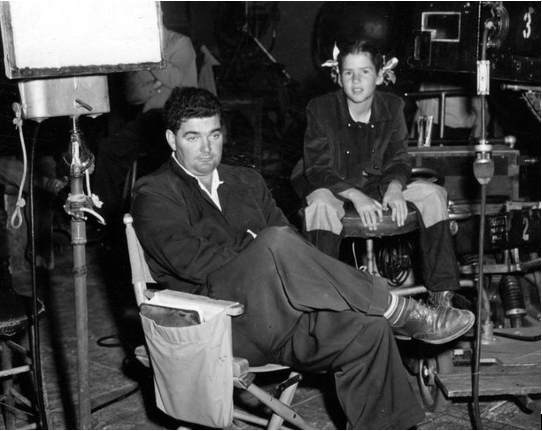
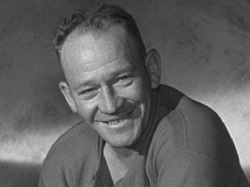
William Witney and Cheryl Rogers on the set of Trail Of Robin Hood (1950). A Roy Rogers Film
William Witney was born 108 years ago. He was a true innovator in how action makes its way to the screen. He was working at Republic Pictures, and while on location for the 1937 serial The Painted Stallion, the director, Ray Taylor, was too drunk to work so a very young William Witney took over – he was just 21.
Watching Busby Berkeley put together one of his famous dance numbers, he quickly realised that fight sequences could be choreographed and shot the same way.
After serving in a Marine combat camera unit in World War II, Witney returned to Republic for his last serial, The Crimson Ghost (1946), then took over the Roy Rogers films.
He bought us more action, putting less emphasis on the music and bringing in a decidedly darker, more violent tone, William Witney breathed new life into Roy’s final films.
He was a genius, and his contribution to the cinema has been very under-appreciated.
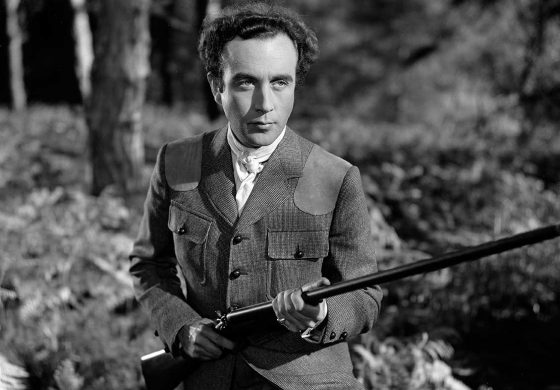
One of the great British Film Stars of the Forties and Fifties,his greatest achievement was as the elegant killer in Ealing Studios’ Kind Hearts and Coronets (1949). His portayal of Louis Mazzini, murdering his way through the upper-class family the d’Ascoynes (all played by Alec Guinness), was just perfect as he combined his polite and well mannered style which masked a clinical and calculating killer
Kind Hearts and Coronets
It’s the film he is best remembered. Alec Guinness seemed to get the plaudits for his eight-role display but in my view – and I have said this often – Dennis Price is the real star who narrates the story and appears in nearly every frame of the film.
What a performance – deserving of an Oscar in my view
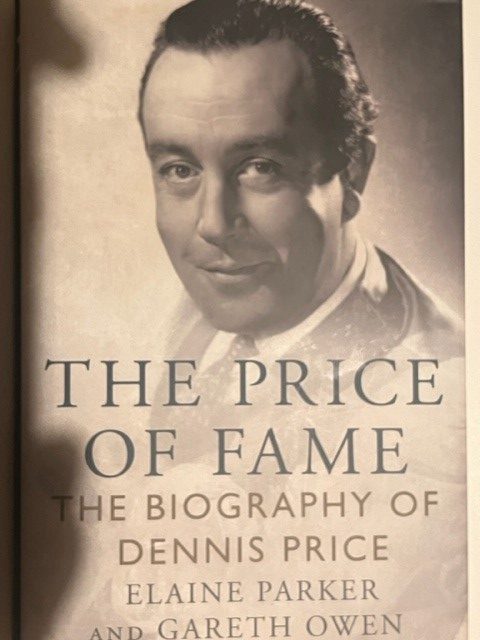
I now have a biography of Dennis Price, who was “very nearly Britain’s biggest film star.” Born into an upper-class family who expected him to enter either the Army or the Church, he broke away in the mid-30’s, getting himself sent down from Worcester College, Oxford, and got into films as an extra.
The Biography is very well researched and is well written and very detailed and well worth buying – The Authors are Elaine Parker and Gareth Owen and I say Thank You to both of them, for the work they have put into this first class book
After an early star role for the visionary director Michael Powell in A Canterbury Tale (1944), he starred in several of the popular Gainsborough melodramas—but unlike James Mason and Stewart Granger, they did not lead him to Hollywood.
As it turned out the film The Bad Lord Byron (1948), in which he starred as the scandalous poet and had high hopes for, was a critical and commercial disaster.
He played a murderer in the film ‘Holiday Camp’ another favourite of mine – and that was a film that was successful and had quite a string of well known actors.
By the mid-50’s, Dennis Price was drinking heavily, had been messily divorced, declared bankrupt and was largely starring in B features; it all led to an unsuccessful suicide attempt.
He turned to comedy to revive his career, becoming a member of the Boulting Brothers’ company (Private’s Progress, I’m All Right Jack) and turning up on radio, such as guest spots on The Goon Show and a sitcom.
In 1966, Dennis Price’s fortunes seemed to be restored when he starred as Jeeves in the BBC’s The World of Wooster, and then he went bankrupt again, and left Britain to live in tax exile on the tiny Channel Island of Sark which limited his later appearances/
There was a last good role as a critic called Hector Snipe in the splendid Theatre of Blood (1973), led on by Diana Rigg to being butchered by Vincent Price; but that year, he died in a public ward in a Guernsey hospital from cirrhosis of the liver.
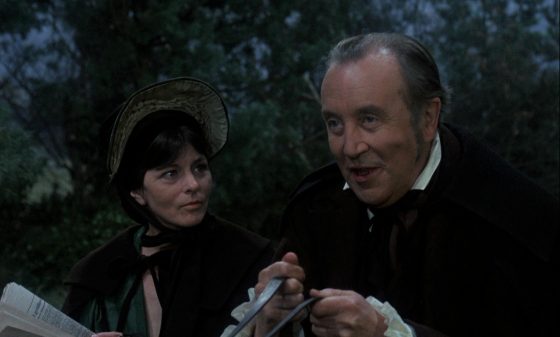
ABOVE – Dennis Price and Joan Rice in ‘The Horror of Frankenstein’ 1970
In terms of Classic Westerns, they don’t come any bigger than this one
Shane (1953).
Directed by George Stevens
Starring Alan Ladd, Jean Arthur, Van Heflin, Brandon deWilde, Jack Palance, Ben Johnson, Edgar Buchanan, Emile Meyer, Elisha Cook Jr., Douglas Spencer, John Dierkes, Ellen Corby
I am pretty sure that Jack Palance was billed as ‘Walter Jack Palance’- either way he plays a cruel, sadistic killer
The filming took place between July and October 1951 but it was not released until 23 April 1953 – this was due to the fact that Paramount wanted the print stretched and cropped to wide screen as, by now, Cinemascope was very much in vogue
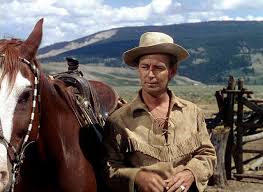
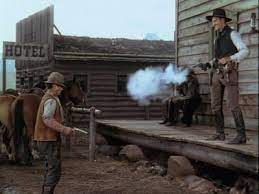
Shane’s fancy gun twirling in the climatic showdown was actually performed by Rodd Redwing. Earlier, when Shane demonstrates his prowess for Joey, and it is clearly Alan Ladd himself on camera, the actor had been given a different, easier-to-use revolver for the sceneand had had lessons from Rodd Redwing
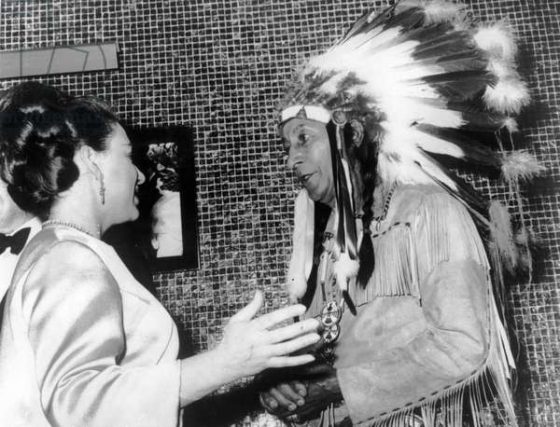
In England Princess Margaret (1930-2002) meets actor Rodd Redwing (1904-1971), 1968..
Rodd RedwingABOVE meets Princess Margaret In England in 1968 and during this visit I remember him appearing on British Television on, I thought, The Eamon Andrews Show in which he thrilled us with his use of the Western Six Shooter and demonstrated his quick drawtechnique.It was impressive
Many realistic shooting scenes were pioneered by Rodd Redwing. He first showed the violent impact of a .45 Colt cartridge.
While filming Shane (1953), Rod Redwing attached wires to a chest harness worn by Elisha Cook Jr., jerking him violently backward when he was shot down in the street by Jack Palance in one of the most brutal murder scened ever put on film
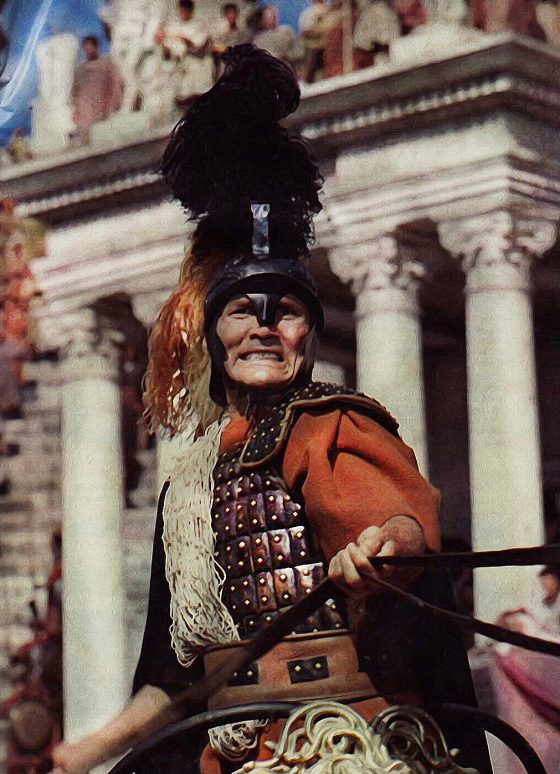
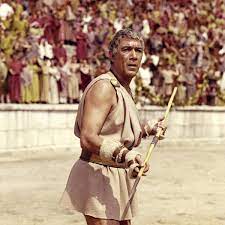
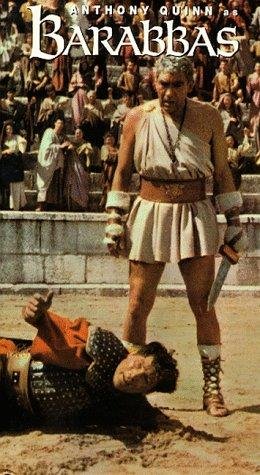
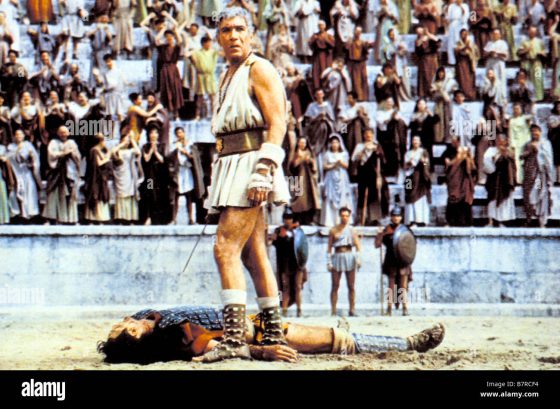
I have always thought that Jack Palance played a very similar role in ‘Barabbas’ where he played a Roman Champion Charioteer in Biblical times, who cruelly murders his victims in a Roman Arena in front of a baying crowd. He mows them down, or nets them and crashes them against the arena walls and then turns and acknowledges the cheers of the crowd.
That is until Barabbas ( Anthony Quinn ) appears and he has a plan – and that fight to a finish is one of the most gripping duels that I have ever seen.
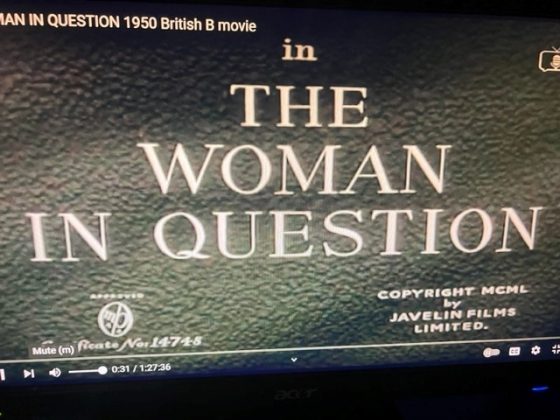
Jean Kent had a pretty big film career mainly in British Pictures and she was always able to give good performances in roles where she played strong characters – some of them not particularly appealing as in this one – and in one of my favourites ‘The Browning Version’ where she plays School Master Crocker-Harris’s cruel, heartless and unfaithful wife. Actually that was the film she made after ‘The Woman in Question’
THE WOMAN IN QUESTION –
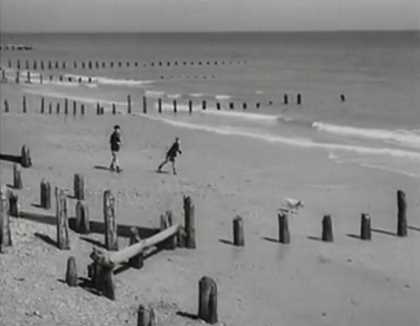
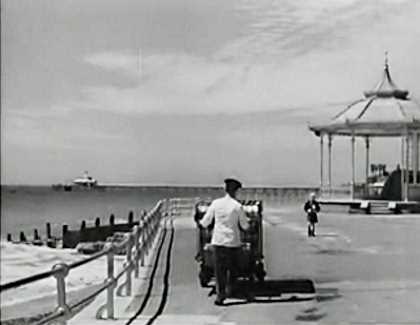
FILMING LOCATION ABOVE – BOGNOR REGIS
A fairground fortune-teller, Agnes (Jean Kent), is found strangled in her home The police interview the people around her, but quickly establish that everyone saw the murdered woman in a different way. … Only when the police delve into the woman’s life and background, is it possible for them to learn the motive for her murder, and then unmask the killer
Duncan Macray ABOVE – plays the detective trying to unravel the mystery
Jean Kent
Jean Kent is excellent
Anthony Asquith directed the film – Robert Morley said that he always appeared on the Studio floor dressed in a Boiler Suit. His nick name was’Puffin’Asquith
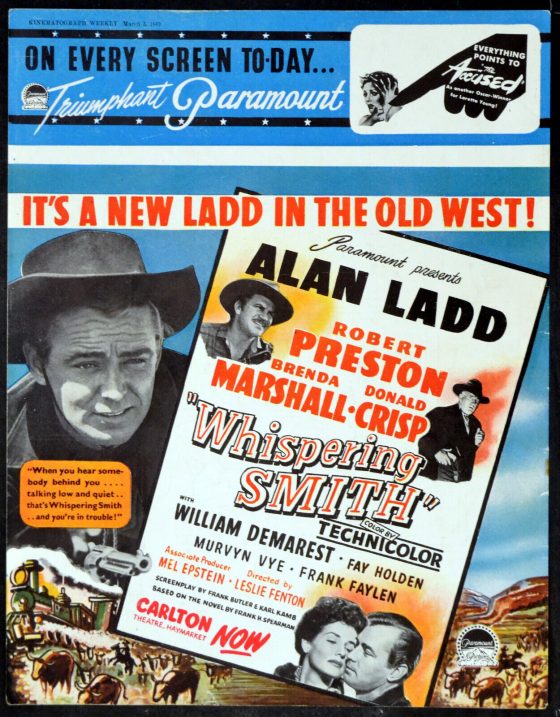
Just a little bit before the Fifties this one, but it had Alan Ladd at the peak of his career starring in his first Western and his first film in Technicolor. Of course his peak would last a few more years with ‘Shane’ released in 1953 as maybe, his most successful film
Rail company detective Luke “Whispering” Smith (Alan Ladd) reconnects with his old friend Murray Sinclair (Robert Preston) while on a mission to track down the Barton Brothers gang. When he finally catches up with the bandits at a telegraph office, Smith is wounded but kills two of the three outlaws.
Smith recovers at Murray’s house, reigniting his passion for his lost love Marian (Brenda Marshall), who is now Murray’s wife.
Smith doggedly goes after Blake Barton, the sole surviving brother, and finds him hiding under the protection of influential landowner Barney Rebstock (Donald Crisp) and his gunslinger henchman Whitey Du Sang (Frank Faylen). Smith starts to suspect that his friend Murray, who runs the rail company’s local wrecking crew, may be involved in sordid business with Rebstock. With his allies Bill Dansing (William Demarest) and George McCloud (John Eldredge), Smith starts investigating Murray and Rebstock, creating a deep rift in a lifelong friendship as well as romantic complications.
Paramount Pictures
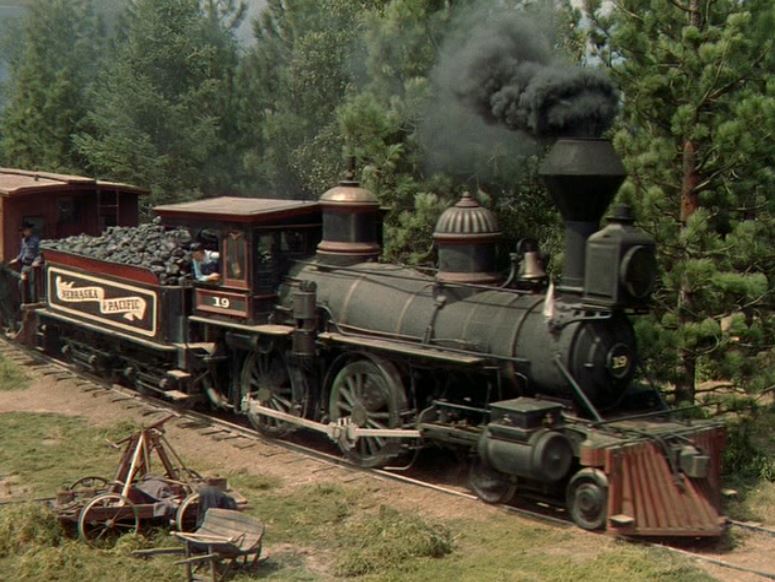
Nebraska & Pacific 4-4-0 #19 belches black smoke during a scene from Whispering Smith. This engine was most likely purchased by Paramount from the Virginia & Truckee railroad in Nevada and filmed on the Paramount Ranch back lot.
Based on the novel by Frank H. Spearman, Whispering Smith is a superior western.
Directed in Glorious Technicolor by Leslie Fenton. Paramount constructed a large western town complete with an active railway for Whispering Smith, and the set became a much-used stage for many later productions.
Here is created a town nestled against mountains and nature, with several highlight scenes featuring 1870s-era trains
For anyone interested in ‘train; films, this is on to look out for It uch in keeping with a previous, famous film Union Pacific of 1939.
Co-incidentally bothfilms featured Robert Preston as the hero’s friend who turns out to be rather unpleasant
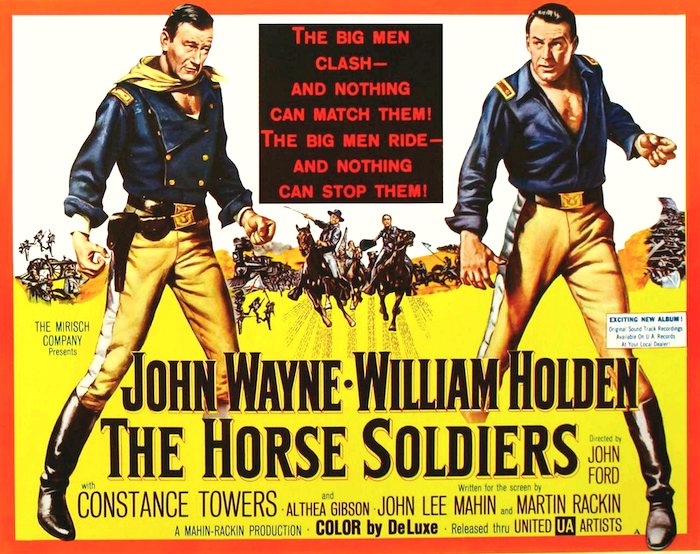
Directed by John Ford Starring John Wayne, William Holden, Constance Towers, Althea Gibson, Judson Pratt, Ken Curtis, Willis Bouchey, Hank Worden
Tragically a stunt man was killed while on location for this film which really knocked the stuffing out of John Ford and he lost his enthusiasm for the film after that.
I had started this article to focus on the film itself but the I learned that shocking news that one of the stunt man Freddie Kennedy and experienced and veteran stunt man
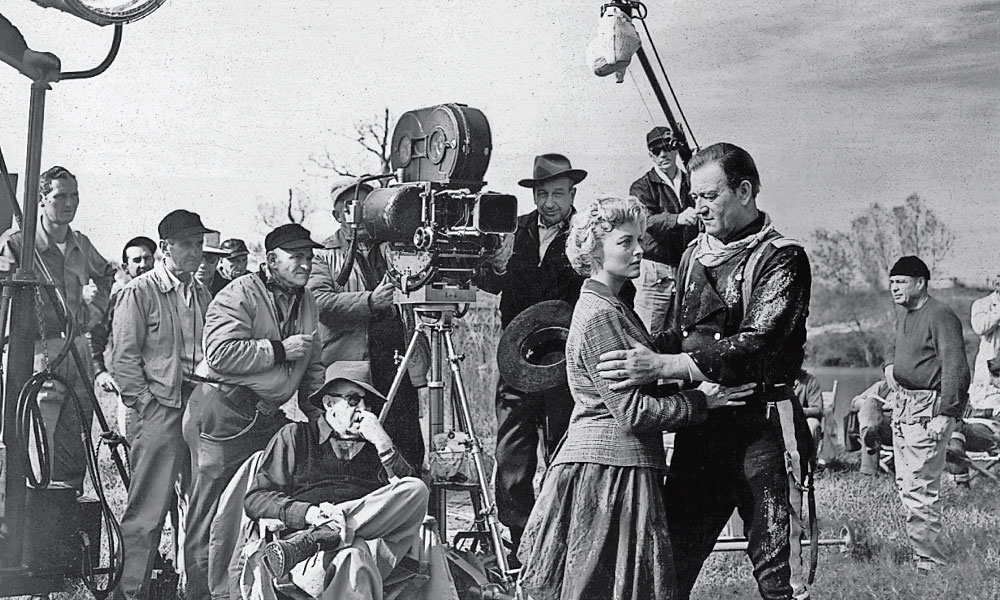
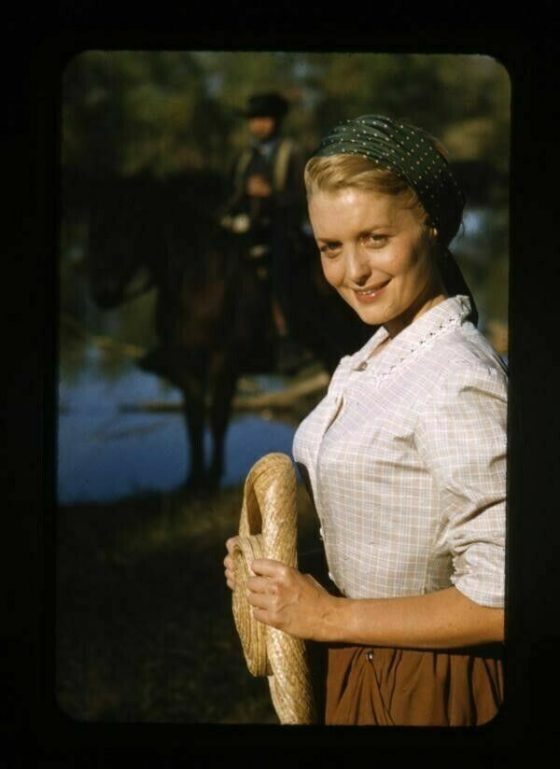
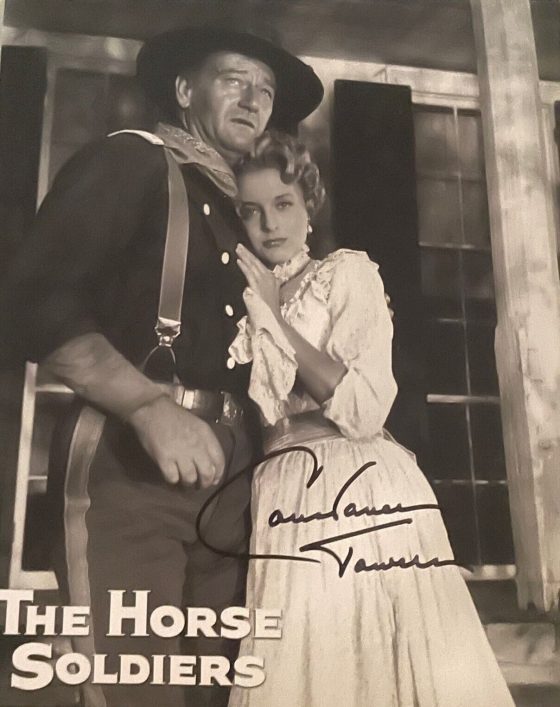
In her first Western film, 1959’s The Horse Soldiers, Constance Towers found herself in the middle of two Johns: the masterful director John Ford (seated) and the most famous cowboy actor of all time, John Wayne (standing). –
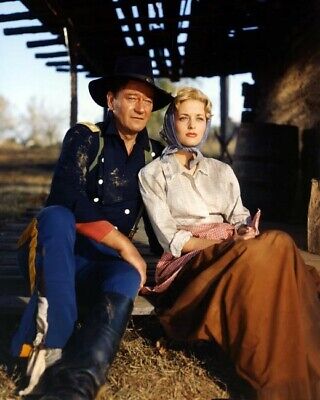
Lovely Constance Towers became a star after she played the female lead in two John Ford Westerns.
She later said “Pappy ( John Ford ) had a way of looking at women: she was to be respected, kind of on a pedestal. But she had to have a lot of spunk and fire. She was feminine, but had a backbone and was always a lady.”
John Ford insisted that Constance Towers be treated that way while filming. “No one ever used bad language around any women on any Pappy Ford set. We had tea in the afternoon, and it was all very gentlemanly. He treated you like a lady wants to be treated; but you had to have a sense of humour, because if you didn’t catch the subliminal things that went by you, it was a big disappointment to him.”
In The Horse Soldiers, Constance played Southern belle Miss Hannah Hunter, whose home is occupied by Union troops under Col. John Marlowe (played by John “Duke” Wayne). Hunter does her best to sabotage the colonel’s plans, though she gradually becomes romantically drawn to him, and to his medical officer and nemesis, Maj. Henry Kendall (William Holden).
“I was singing in the Persian Room of the Plaza Hotel [New York City] and [Producer] Martin Rackin saw me and invited me to Hollywood to meet John Ford. The fact that I was Irish probably didn’t hurt. He screen-tested five of us. I had a call from an assistant to be at the Blessed Sacrament’s Church Monday afternoon. I was to sit midway in a pew and wait. I sat, and someone behind me whispered in my ear, ‘You got the part.’ It was Ford, and he insisted on leaving and not talking to me, which was typical of him. It was always intrigue.”
For three months, John Ford filmed exterior scenes in Mississippi and Louisiana, with Towers starring opposite two of Hollywood’s most dynamic leading men, Wayne and Holden. “They were delightful to work with,” she says. “They took care of me.”
She refutes claims that the two didn’t get along. “They even took an evening off. They cooked up a schemeto enable them both to have a night out on the town – they came in the next day not in the best condition
“But they were very different personalities. John Wayne was as big, friendly, as open as he was on the screen; terrific with fans. He’d be riding all day and acting, come back mud-caked, and he’d stand and talk to young people.
“Bill Holden was the opposite. He was very shy, and he believed strongly that the performance he was paid to put on the screen was all he owed the public. People would ask him for his autograph, and he’d refuse. He was the nicest, most polite gentleman, but he was just the opposite of Duke.”
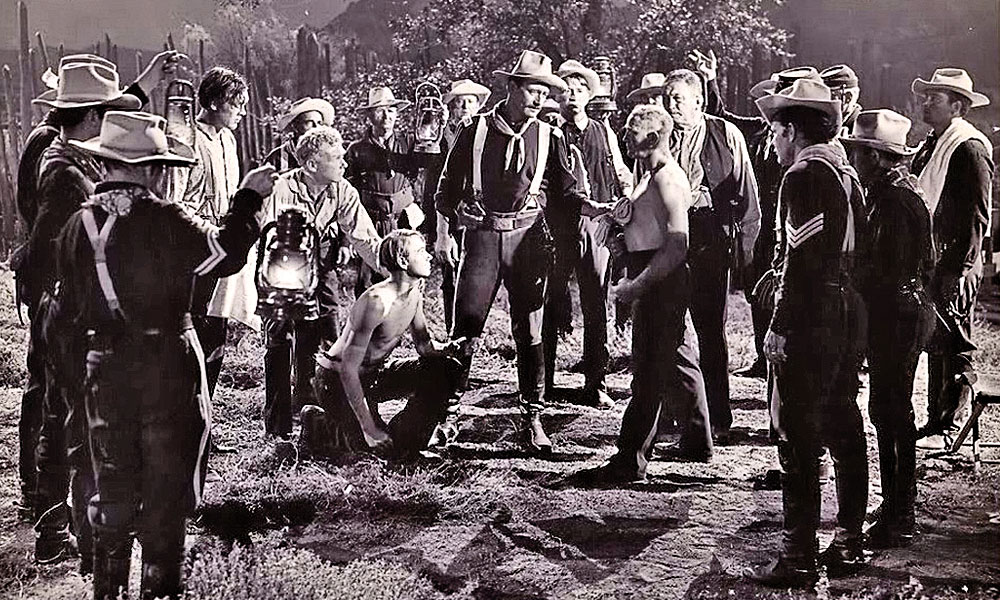
A fatal fall shocked the cast of The Horse Soldiers and none more so than Constance Towers. When she ran up to Fred Kennedy, who was doubling for William Holden, to embrace him with an “Oh, my darling,” she found the stuntman unconscious. He died on the way to the hospital. He appeared in seven films with John Wayne, who Kennedy stands next to, shirtless, in this still from Rio Grande.
The shoot was enjoyable, but not easy. “Louisiana has swamps, and anything that happened on my horse, I had to do, except for one horse fall into the water. They had a stuntman do that,” she says.
John Ford appointed two men to look after her whenever she was on horseback. “Freddie Kennedy and Slim Hightower were wonderful old stuntmen. In the film, one’s ahead of me and one’s behind me, but we rode through a forest going what felt like 100 miles an hour through these trees. It was a tough location, but wonderful.”
On the very last day on location, during the very last shot, an unexpected tragedy occurred.
“Freddie was doing his last fall,” Constance says. “It was a simple shoulder fall, and Duke had told me to stand behind the camera and to run in. And they wouldn’t call ‘Cut’ until I had given Freddie a kiss on the cheek. I ran in, and when I picked up his head, I realized that he was mortally hurt. He’d fallen and broken his neck, so I really was the last person to hold him. He died on the way to the hospital, which certainly cast a pall on the closing shot of the location.”
She loved the stuntmen and remembered especially how John Ford looked after them: “Pappy didn’t pay them until their last weekend, so they would take money home. He gave them enough per diem to survive, but on location, there wasn’t much you could do with it, but gamble.”
After nearly 50 years, Constance Towers takes great pleasure in her memories: “You take it in your stride, then later look back, and it’s just amazing. To be in my first big, big film, with those actors, and have it be just joyous all the time, and John Ford guiding everybody. It was a rare and wonderful experience.”
In her first Western film, 1959’s The Horse Soldiers, Constance Towers found herself in the middle of two Johns: the masterful director John Ford (seated) and the most famous cowboy actor of all time, John Wayne (standing). – All The Horse Soldiers photos courtesy United artists –Freddie Kennedy – the Stuntman who sadly died during the making of this film
John Ford’s ‘The Horse Soldiers‘ is a better picture than it gets credit for being, and getting better and better looking on video is a great way to crank up interest in it — and hopefully a bit of a reappraisal
A fatal fall shocked the cast of The Horse Soldiers and none more so than Constance Towers. When she ran up to Fred Kennedy, who was doubling for William Holden, to embrace him with an “Oh, my darling,” she found the stuntman unconscious. He died on the way to the hospital. He appeared in seven films with John Wayne
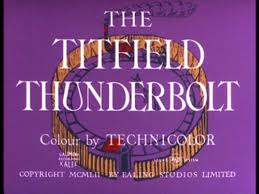
This Wonderful Ealing Technicolor film set in a dreamy part of the English countryside of a nostalgic age – a real treat from start to finish and if anyone reading this post has not seen the film then please go out and get it.
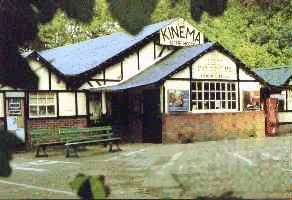
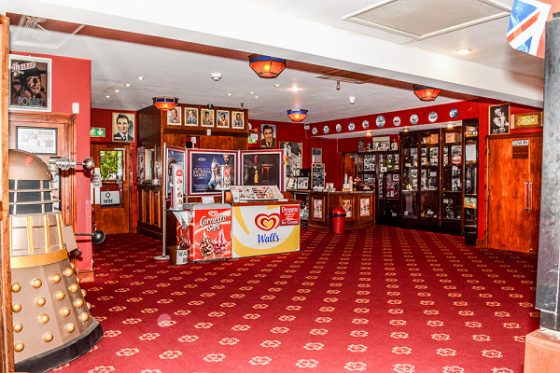
It was shown yesterday at the legendary, iconic Kinema In The Woods in Woodhall Spa – a most beautiful village in the heart of Lincolnshire
Not often do we get a chance to see this at the cinema -and sadly I blew that chance. Having purchased tickets well in advance things that cropped up made it not possible for me to attend – and I bitterly regret that
It was the first Ealing comedy shot in Technicolor and one of the first colour comedies made in the UK.
The film was directed by Charles Crichton and starred Stanley Holloway, George Relph and John Gregson among many others.
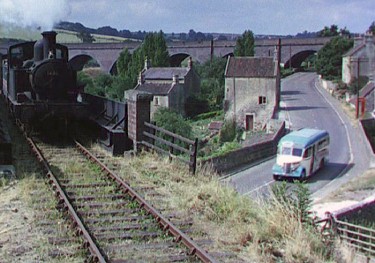
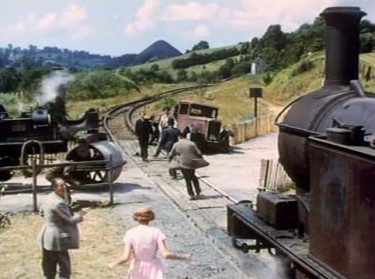
I do think that the above TWO pictures are a terrific examples of Technicolor at its best. The colour in them is perfect
The film was released in 1953 – Made in 1952 by the famous Ealing Studios, the film it tells the story of how the Titfield villagers fight the closure of their local branch line by British Railways. The film was made on location on the Camerton branch line – an ex GWR railway which ran through the beautiful Cam Valley just south of Bath.
ABOVE – One of the most famous cinemas in the Country in the beautiful small town of Woodhall Spa in Lincolnshire.
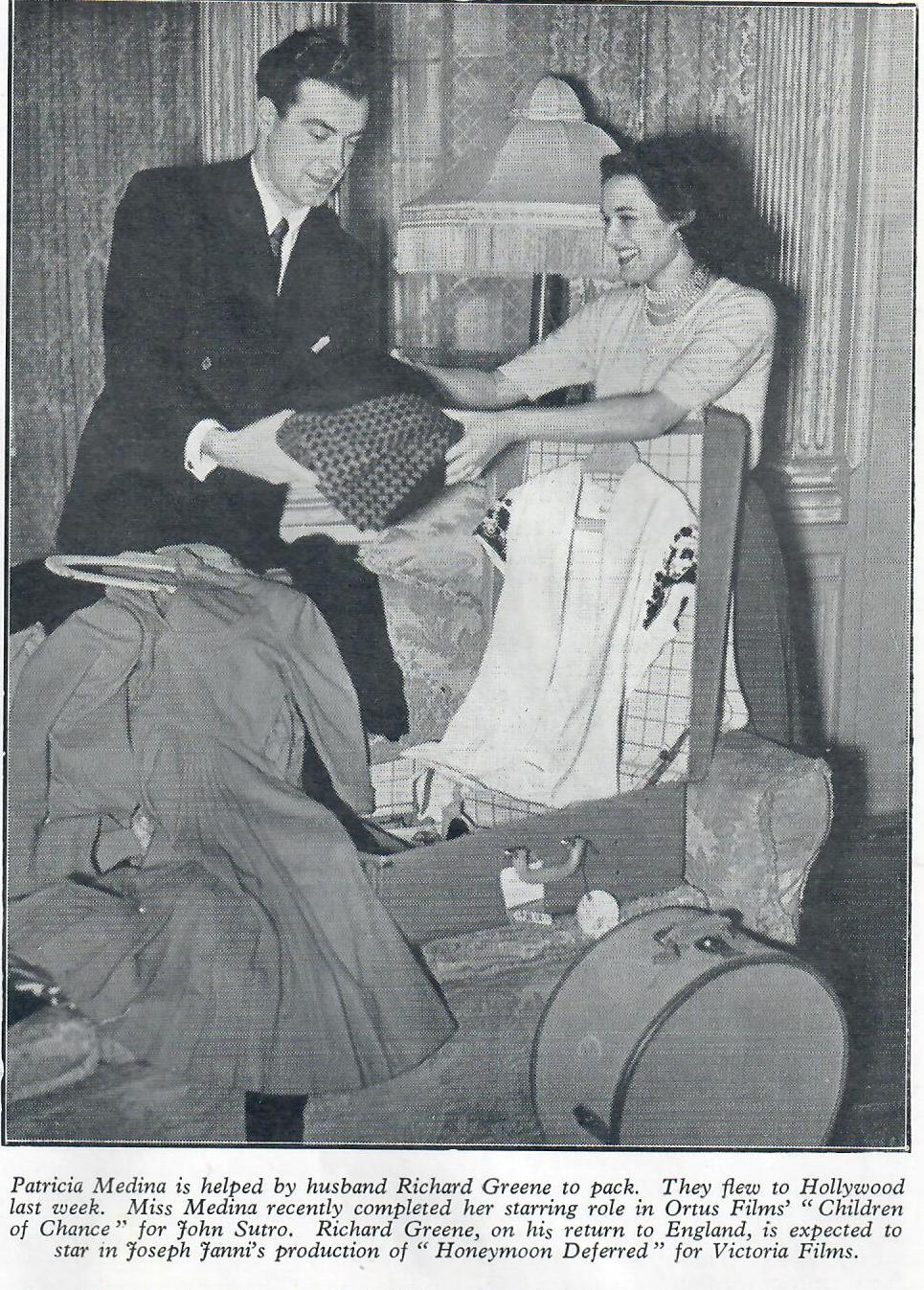
I hadn’t realised that Patricia Medina was in Hollywood as early as this, but thinking about it, I seem to remember her travelling out there with her then husband Richard Greene. In fact she was in Hollywood making films in the late 40’s
The Above is an earlier Picture from February 1949 – Richard Greene and his wife Patricia Medina pack before flying to the USA.
In Hollyood Patricia was in quite a few of this type of film, and she really looked good and was well able to hold her own in the acting stakes. Around this time she appeared with Alan Ladd in ‘Botany Bay’ another one of my favourites and I am pretty sure she shared star billing with him in this.
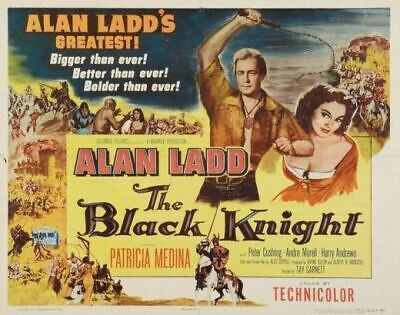
Also with Alan Ladd shortly after this, she came back to England to star with him in ‘The Black Knight’ made at Pinewood Studios
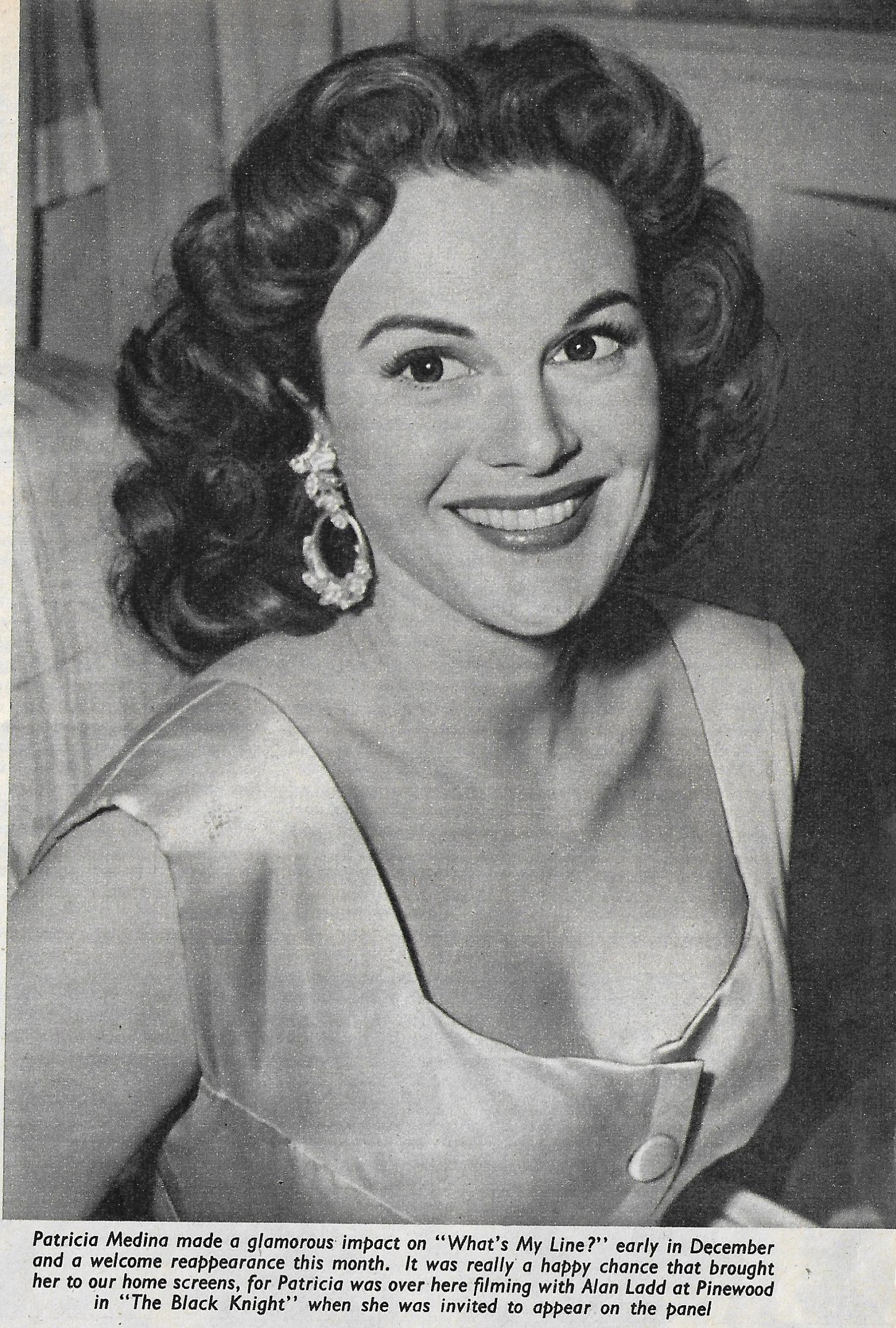
Patricia Medina pictured when she had arrived back in England – probably towards the end of 1953 to filmThe Black Knight with Alan Ladd at Pinewood Studios.
This picture was taken after she had appeared as a panellist on Whats My Line in early December 1953
On visits to London she regularly appeared on BBC television as a panellist on What’s My Line? (1951-63) with personalities including Gilbert Harding and Barbara Kelly.
She made four films in 1953 alone, followed in 1954 by Phantom of the Rue Morgue and an adventure film The Black Knight, made in England and in which she co-starred with Alan Ladd .
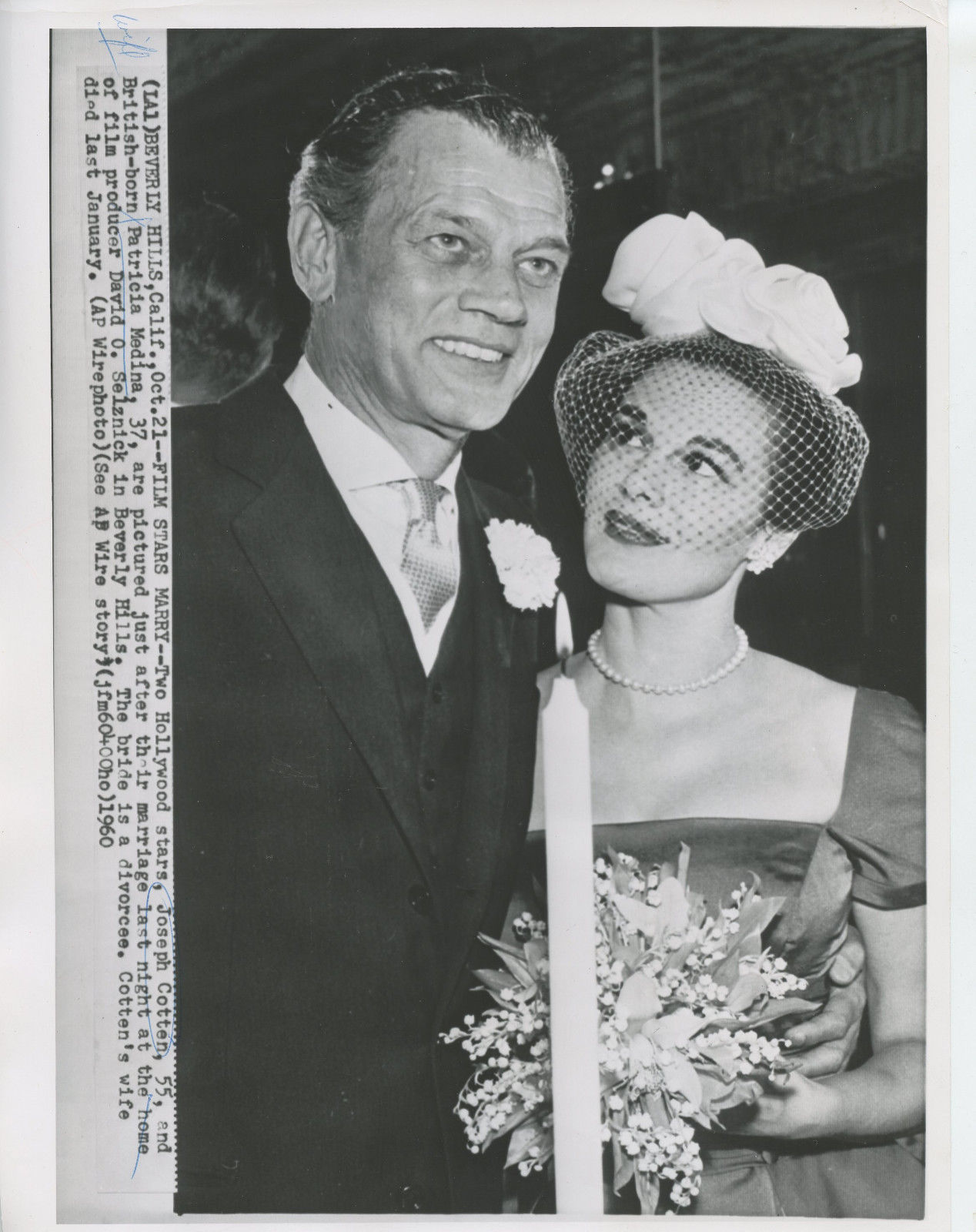
Shortly after her marriage to Joseph Cotten in 1960, the couple embarked on the first of several theatre tours of the United States. Her only significant film thereafter was The Killing of Sister George (1968), in which she played a prostitute.
Joseph Cotton referred to Patricia Medina as having the most beautiful face in Hollywood – and seeing that he had worked with some of the classically beautiful women of the era, that is some compliment. He was right I’m sure.
Their marriage was a long and happy one – I heard her, in an interview say that after they had married they never spent a night apart except when Joseph was admitted to hospital and then, she thought that being separated wasterrible. They loved one another.
After Joseph Cotten’s career was terminated in 1981 by ill health, Patricia Medina devoted herself to caring for him until his death in 1994 . In 1998 she published her autobiography.
Patricia Medina and Joseph Cotton on their Wedding Day – Above
They were married at the Home of David O. Selznick and Jennifer Jones in Beverley Hills, Hollywood on 20 October 1960.